Belgium vs Germany
AI Analysis
The flags of Belgium and Germany are frequently subjects of comparison due to their shared use of a black, red, and yellow color palette. Despite these chromatic similarities, the two nations utilize distinct geometric arrangements and historical derivations for their national symbols. This shared tricolor scheme often leads to confusion among casual observers, although the orientation of the stripes and the specific origins of the colors serve as primary differentiators.
Design Comparison
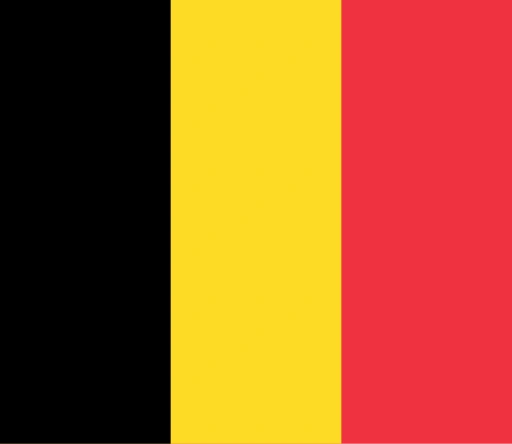
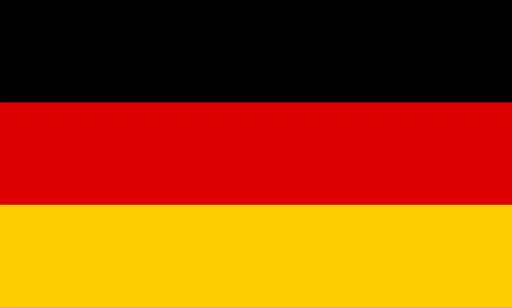
Both ensigns employ a tricolor design without additional emblems, yet the execution differs significantly. The Flag of Belgium consists of three vertical bands arranged black, yellow, and red from the hoist. Notably, its official aspect ratio is 13:15, creating an unusually square shape compared to standard international flags. Conversely, the Flag of Germany features three horizontal bands ordered black, red, and gold from top to bottom. Its ratio is a standard 3:5. While the hues appear similar, German vexillology specifically defines the bottom stripe as "gold" rather than yellow, contrasting with the heraldic yellow used in the Belgian center stripe.
Historical Context
The similarities between the two flags are coincidental, arising from distinct heraldic and military traditions. The Belgian design originated during the 1830 revolution against the Netherlands. The colors derive from the Duchy of Brabant's coat of arms, which depicts a yellow lion on a black background with red claws and tongue. The vertical orientation was adopted in 1831 specifically to distinguish the ensign from the horizontal Dutch flag.
German symbolism dates to the Napoleonic Wars, inspired by the Lützow Free Corps uniforms: black coats, red facings, and gold buttons. This black-red-gold tricolor became a symbol of liberalism and national unity during the 1848 revolutions and the Weimar Republic. It was officially reinstated as the national flag in 1949.
How to Tell Them Apart
-
Orientation: Belgium uses vertical stripes (up and down); Germany uses horizontal stripes (side to side).
-
Color Order: Reading from the hoist (left) or top, Belgium follows the pattern Black-Yellow-Red, while Germany follows Black-Red-Gold.
-
Shape: The official Belgian flag is nearly square (13:15), whereas the German flag is a strictly rectangular 3:5.
Conclusion
While sharing a palette of black, red, and yellow, the flags of Belgium and Germany represent distinct national narratives. The vertical Belgian tricolor honors the Duchy of Brabant and independence from the Netherlands, whereas the horizontal German tricolor symbolizes the historical movement toward republicanism and unity.