Cayman Islands Military Forces 🇰🇾
Military Strength Overview
Geography
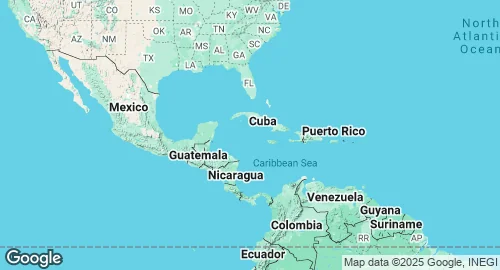
| Capital | George Town |
| Land Area | 264 km² |
| Coastline Length | 160 km |
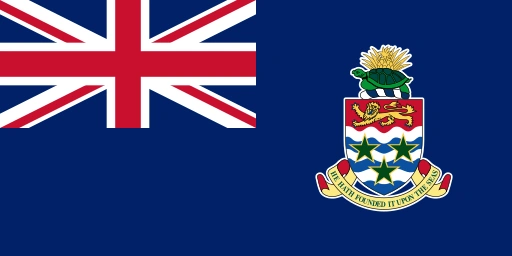
National Flag
Defense Statistics & Key Metrics
| Population | 70108 (2021) |
| GDP | $6.1 billion (2021) |
| GDP per capita | $86438 (2021) |
| Inflation Rate | -0.63% (2016) |
Population and Military Personnel Trends
GDP and Inflation Rate Trends
Strategic Overview in 2026
Strategic Position
As a British Overseas Territory (BOT), the Cayman Islands falls under the sovereign defense responsibility of the United Kingdom. The Governor, appointed by the British Crown, maintains ultimate authority over external affairs and internal security, though day-to-day management of security forces is delegated to the local government. Primary security concerns focus on transnational crime, specifically narcotics trafficking and irregular migration, and the mitigation of natural disasters.
The Cayman Islands participates in regional security through its relationship with the United Kingdom’s British Forces Caribbean and maintains close operational ties with the United States Coast Guard (USCG) and the Jamaica Defence Force (JDF). In 2025, the UK reaffirmed its commitment to the defense of the territory during bilateral meetings in London. The territory is not a member of NATO but is integrated into Western Atlantic security architectures via British membership and various regional law enforcement treaties. The 2025 National Maritime Search and Rescue Plan outlines the territory's responsibility for a designated search and rescue region (SRR) encompassing approximately 150,000 square kilometers.
Military Forces
The defense of the Cayman Islands is provided by a combination of local reserve forces and the Royal Navy. Domestic military and paramilitary capacity is centered on two primary organizations: the Cayman Islands Regiment and the Cayman Islands Coast Guard.
Cayman Islands Regiment (CIR) Established in 2020, the CIR is a territorial reserve infantry and engineer unit of the British Armed Forces. Its primary roles include internal security, humanitarian aid, and disaster relief (HADR). The regiment is headquartered in George Town and operates as a company-strength unit. Personnel strength reached approximately 80 in late 2024, with an authorized objective of 175. Training is conducted in coordination with the Royal Bermuda Regiment and the UK’s Royal Military Academy Sandhurst. Equipment includes: - Vehicles: MAN HX-60 logistical trucks, Unimog ambulances, and Volvo front-loaders for engineering tasks. - Small Arms: Standard-issue British infantry rifles and pistols.
Cayman Islands Coast Guard (CICG) Formed in 2018 and established as an independent entity from the police in 2021, the CICG is responsible for maritime law enforcement, border protection, and search and rescue (SAR). It maintains a Maritime Operations and Rescue Coordination Centre (MORCC). In 2025, the CICG conducted Exercise Event Horizon, a multinational drill focused on HADR. The fleet consists of: - Vessels: Coastal patrol boats and fast interceptors utilized for narcotics interdiction and coastal surveillance. - Aviation: Coordination with the Royal Cayman Islands Police Service (RCIPS) Air Operations Unit, which operates helicopters for maritime surveillance and SAR operations.
Personnel for both organizations are largely recruited from the local population, with command often facilitated by UK military advisors or experienced officers from other Caribbean territories.
Strategic Trends
Defense policy in 2025 and 2026 focuses on the professionalization and expansion of the Regiment and the modernization of maritime surveillance capabilities. The 2026–2027 budget, proposed in late 2025, allocates funds for increased personnel costs and capital investments in infrastructure, including road improvements and potential sub-sea telecommunications assets intended to enhance regional connectivity and security.
Modernization priorities include: - Personnel Expansion: Recruitment efforts aim to reach the 175-person target for the CIR to ensure a permanent disaster response capability across all three islands (Grand Cayman, Cayman Brac, and Little Cayman). - Interoperability: Continued participation in regional exercises with US and Caribbean partners to improve response times for maritime emergencies and interdiction of illegal traffic. - Budgetary Stability: The territory maintains a low debt-to-GDP ratio (under 10% in 2025), which allows for sustained, albeit modest, investment in security infrastructure without the financial volatility seen in other regional states.
The primary constraint remains the reliance on the United Kingdom for advanced military hardware and large-scale defense operations, as the domestic force structure lacks heavy armor, fixed-wing combat aircraft, or large surface combatants. Focus remains strictly on constabulary and civil-defense roles.
Frequently Asked Questions
Does Cayman Islands have nuclear weapons?
Military Expenditure: SIPRI Milex. Suggest a change