British Virgin Islands Military Forces 🇻🇬
Military Strength Overview
Geography
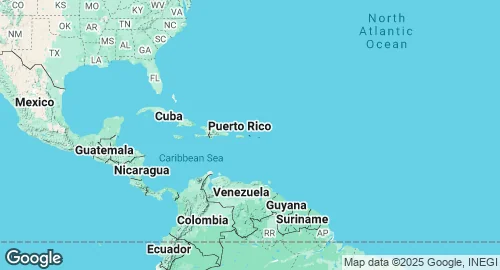
| Capital | Road Town |
| Land Area | 151 km² |
| Coastline Length | 80 km |
National Flag
Population and Military Personnel Trends
GDP and Inflation Rate Trends
Strategic Overview in 2026
Strategic Position
The British Virgin Islands (BVI) is a British Overseas Territory located in the eastern Caribbean, east of Puerto Rico and the United States Virgin Islands. Its strategic posture is defined by its status under the Virgin Islands Constitution Order 2007, which vests responsibility for external defense, foreign affairs, and internal security in the United Kingdom. The Governor, as the representative of the British Crown, chairs the National Security Council and maintains primary authority over matters of defense and the police force.
Primary security concerns center on maritime border integrity, specifically the interdiction of narcotics and illegal firearms trafficking. Situated on a transit route between South American producers and North American consumers, the territory faces persistent challenges from transnational criminal organizations. Maritime security is further complicated by the territory's archipelago geography, consisting of over 60 islands and cays. Cooperation with the United States Coast Guard and the Drug Enforcement Administration (DEA) is a core component of the regional security framework, particularly in the waters shared with the U.S. Virgin Islands. Additionally, humanitarian assistance and disaster relief (HADR) are high-priority strategic requirements due to the territory's vulnerability to severe weather events during the Atlantic hurricane season.
Military Forces
The British Virgin Islands maintains no standing military forces or domestic defense ministry. External defense is provided by the United Kingdom's Ministry of Defence (MoD). British military presence in the region is primarily maritime, conducted through the Royal Navy’s Atlantic Patrol Tasking North.
The Royal Navy regularly deploys offshore patrol vessels, such as HMS Trent and HMS Medway, to conduct sovereignty patrols, counter-narcotics operations, and HADR readiness missions. In 2025, these assets continued to provide the primary deterrent and response capability for the territory's territorial waters. While there is no permanent military garrison, the islands utilize a "triple-lock" security arrangement involving the local police, the Governor's office, and UK military support which can be surged during emergencies.
Internal security and paramilitary maritime functions are performed by the Royal Virgin Islands Police Force (RVIPF). The force consists of approximately 250 sworn constables and is supported by a smaller cadre of auxiliary constables. The RVIPF Specialist Operations division includes a Marine Unit responsible for coastal patrol and search and rescue.
Key equipment operated by the RVIPF includes: - Naval Vessels: A fleet of small-to-medium patrol craft, including the large patrol boat St. Ursula and several high-speed interceptors used for drug interdiction and border surveillance. - Aviation: The territory does not operate military aircraft; air support for search and rescue or surveillance is typically coordinated through the UK MoD or provided by regional partners. - Land Systems: The RVIPF utilizes a range of specialized patrol vehicles and maintains light small arms for specialized units.
The Virgin Islands Cadet Corps operates as a youth organization with ties to the RVIPF and regional military bodies, serving as a civil-society link to security traditions rather than a formal military reserve.
Strategic Trends
The defense and security landscape of the British Virgin Islands is currently undergoing significant reform driven by governance reviews and modernization initiatives. Following a Commission of Inquiry into government corruption and organized crime, the UK government maintained a reserve "Order in Council" which allowed for the potential suspension of the local constitution. In late 2025, it was announced that this order is scheduled for revocation in March 2026, signaling an assessment that local governance and security reforms have reached satisfactory benchmarks.
Modernization of the security apparatus is focused on legislative and technological upgrades to combat financial crime and narcotics trafficking. The Drug Trafficking Offences (Amendment) Bill 2025 has expanded the powers of the RVIPF, authorizing enhanced surveillance capabilities, including the interception of telecommunications and increased access to banking records for criminal investigations. These measures align the territory with the recommendations of the Caribbean Financial Action Task Force.
Procurement priorities for 2026 focus on the renewal of the RVIPF Marine Unit fleet to improve response times and interception rates in the territory's northern waters. Budgetary trends show an increasing allocation for internal security and border management, reflecting a shift toward greater self-reliance in maritime policing while maintaining the overarching UK defense guarantee. Challenges remain regarding the recruitment of specialized personnel for technical roles in financial crime and cyber defense, which are currently supplemented by UK-funded specialists and training programs from the National Crime Agency.
Frequently Asked Questions
Does British Virgin Islands have nuclear weapons?
Military Expenditure: SIPRI Milex. Suggest a change