Flag of the Ivory Coast
Overview
| Country | Ivory Coast |
| Adopted | 1959 |
| Aspect ratio | 2:3 |
| Colors | |
| Elements | Vertical stripes |
Description
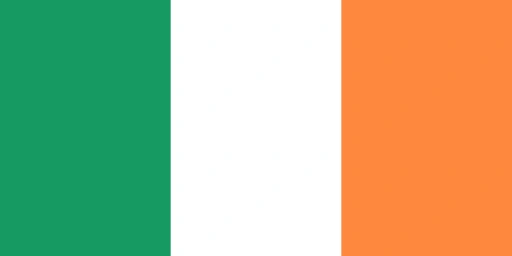
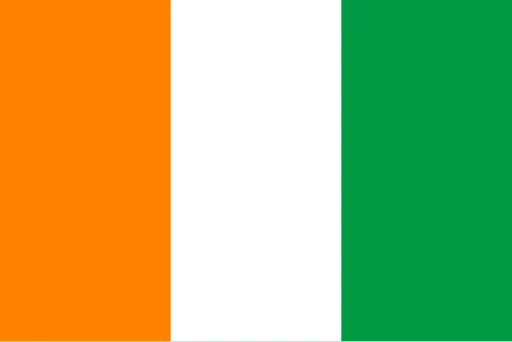
This national ensign features a vertical tricolor design consisting of three equal bands. Starting from the hoist, the stripes are arranged in the sequence of orange, white, and green. The flag maintains a standard aspect ratio of 2:3 and contains no additional emblems or charges.
Symbolism
Orange represents the northern savannas and the fertility of the land, while also signifying the spirit of national growth. The central white stripe stands for peace, unity, and the purity of the citizens' intentions. Green symbolizes the coastal forests of the south and the hope for a bright future. Together, these elements are intended to reflect the national motto of Union, Discipline, and Work through the harmony of the nation's diverse geography.
History
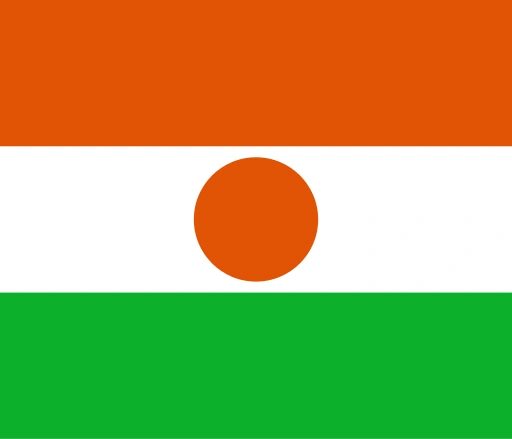
The current design was officially adopted on December 3, 1959, shortly before the country gained full independence from France. Prior to this, the territory utilized the French Tricolour as part of French West Africa. Legislation confirmed the flag's status within the 1960 constitution, and the design has remained unchanged despite various political shifts. Its layout was influenced by the French model but shares a color palette similar to the flag of Niger.