Flag of Fiji
Overview
| Country | Fiji |
| Adopted | 1970 |
| Aspect ratio | 1:2 |
| Colors | |
| Elements | Cross, coat of arms |
Description
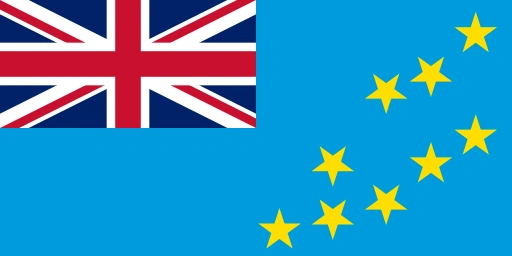
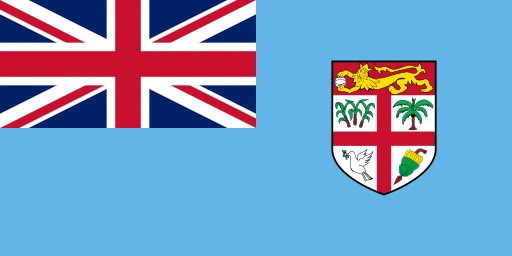
A light blue field serves as the background for this 1:2 ratio flag, which features the Union Jack in the upper hoist quadrant. Positioned on the fly half is the shield from the national coat of arms, divided into four quarters by a red cross. The shield displays a yellow lion at the top and various agricultural icons in the sections below.
Symbolism
The light blue color of the field signifies the Pacific Ocean and its significance to the island nation's geography and livelihood. Retaining the Union Jack in the canton commemorates Fiji's historical ties to Great Britain. Elements within the coat of arms, such as the sugar cane, coconut palm, and cocoa pods, represent the country's primary agricultural industries. The dove of peace, located in the lower-left quadrant of the shield, honors the standard of Ratu Seru Epenisa Cakobau, the 19th-century Fijian leader.
History
Adopted on October 10, 1970, the current design marked Fiji's transition to independence from the United Kingdom. It succeeded the colonial-era British Blue Ensign, which had been the primary national symbol since 1874. Although Fiji became a republic in 1987, the flag remained unchanged, maintaining its colonial-era elements. A government-led effort to redesign the flag and remove the Union Jack was initiated in 2013 but was officially halted in 2016.