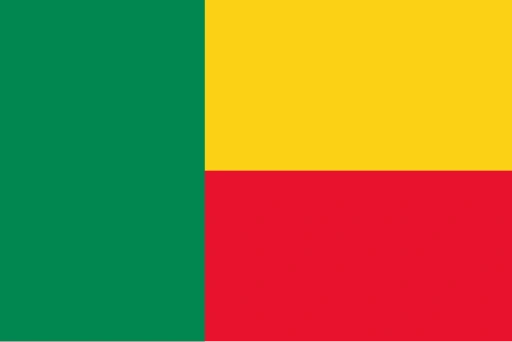
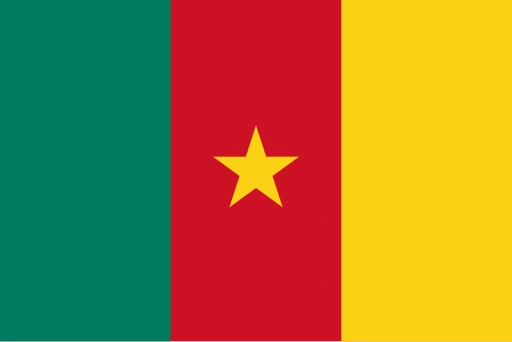
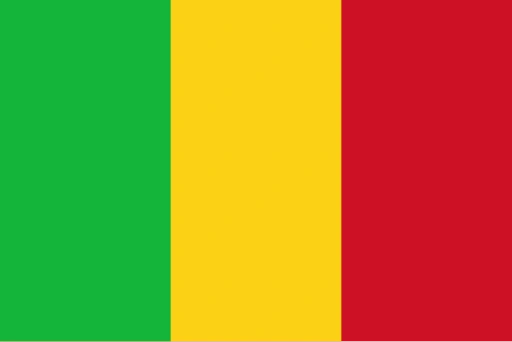
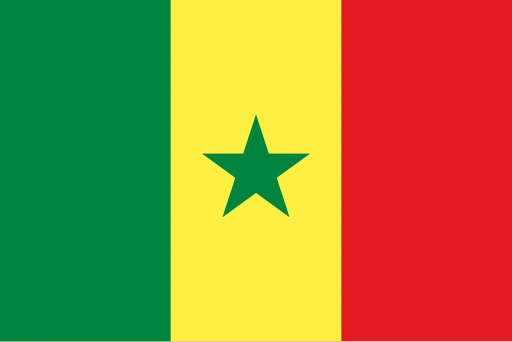
Flag of Guinea
Overview
| Country | Guinea |
| Adopted | 1958 |
| Aspect ratio | 2:3 |
| Colors | |
| Elements | Vertical stripes |
Description
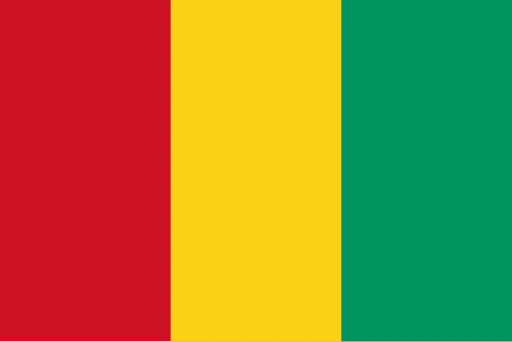
The national flag of Guinea is a vertical tricolor consisting of three equal stripes. Arranged from the hoist to the fly, the colors appear in the sequence of red, yellow, and green. This design features a standard aspect ratio of 2:3 and contains no central symbols or additional markings.
Symbolism
Red represents the blood shed by martyrs in the struggle for liberation and the collective labor of the nation's workforce. The yellow stripe signifies the radiance of the African sun and the country's abundant mineral resources. Green symbolizes the lushness of the tropical vegetation and the importance of the agricultural sector to the economy. These three colors collectively represent Pan-African ideals, reflecting a commitment to unity and solidarity among the continent's sovereign nations.
History
Guinea officially adopted this design on November 10, 1958, following its vote for independence from the French Community. President Ahmed Sékou Touré established the tricolor to align with the symbols of the Pan-African movement. Unlike several neighboring West African states, the country has maintained this specific flag without modification since its inception. The arrangement was heavily influenced by the flag of Ghana, which had pioneered the use of these specific colors a year prior.