Flag of Jamaica
Overview
| Country | Jamaica |
| Adopted | 1962 |
| Aspect ratio | 1:2 |
| Colors | |
| Elements | Cross |
Description
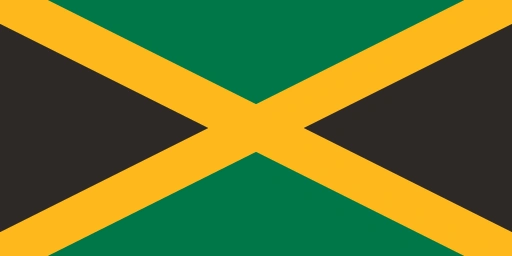
The flag of Jamaica features a gold saltire, or diagonal cross, which divides the rectangular field into four triangular sections. Green is used for the top and bottom triangles, while the hoist and fly triangles are colored black. This design maintains a length-to-width aspect ratio of 1:2.
Symbolism
Gold represents the natural wealth of the country and the brilliance of the sun. The black triangles signify the strength and creativity of the people in overcoming historical hardships. Lush vegetation and the agricultural hope of the island are embodied by the green sections. These meanings are traditionally linked to the national motto stating that while hardships exist, the land remains green and the sun shines.
History
On August 6, 1962, Jamaica officially adopted this design to coincide with the nation's independence from British colonial rule. Earlier proposals featuring horizontal stripes were abandoned to avoid confusion with the flag of Tanganyika, leading a bipartisan committee to select the saltire pattern. Before 1962, the territory utilized a series of British Blue Ensigns dating back to 1875, each featuring varying versions of the colonial badge. The current design has remained unchanged since its original adoption.