Flag of Lebanon
Overview
| Country | Lebanon |
| Adopted | 1943 |
| Aspect ratio | 2:3 |
| Colors | |
| Elements | Horizontal stripes |
Description
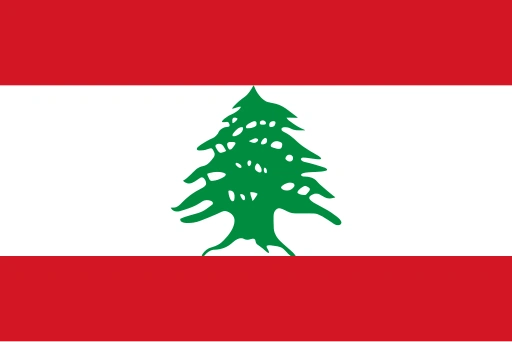
The national flag of Lebanon features three horizontal stripes in a red-white-red sequence, where the central white stripe is double the width of the red ones. A green Lebanon Cedar tree is positioned in the center of the white field, extending to touch both red stripes. This rectangular banner maintains a height-to-width ratio of 2:3.
Symbolism
Red horizontal bands commemorate the blood shed by citizens during the pursuit of national liberation and protection against invaders. The white stripe represents peace as well as the purity of the snow covering the Lebanese mountains. At the center, the green cedar tree serves as a symbol of holiness, eternity, and steadfastness, referencing the species' long-standing presence in the region's history. These combined elements reflect the enduring character of the population and their connection to the land.
History
Legislators officially adopted this design on December 7, 1943, during the movement for independence from the French Mandate. It replaced the previous colonial-era flag, which consisted of a French Tricolour with a cedar tree placed on the white vertical band. Historical predecessors also include the white and red banners used by the Maan and Chehab dynasties in earlier centuries. Since its constitutional implementation, the flag's layout has remained the definitive national symbol of the republic.