Flag of Mali
Overview
| Country | Mali |
| Adopted | 1961 |
| Aspect ratio | 2:3 |
| Colors | |
| Elements | Vertical stripes |
Description
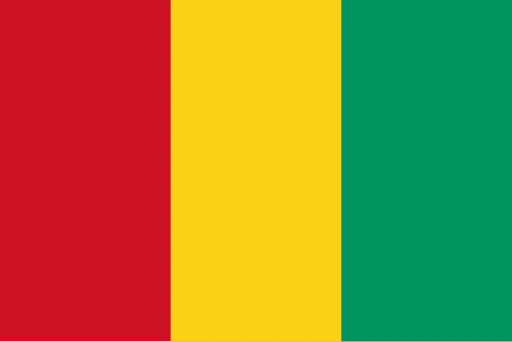
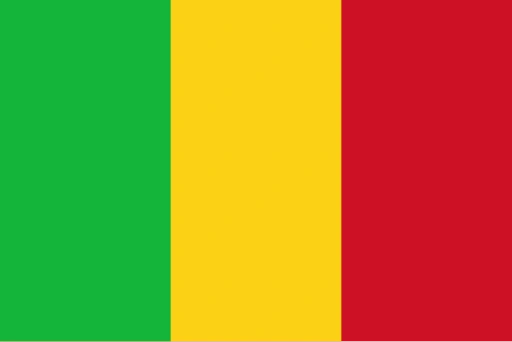
The national flag of Mali features a vertical tricolor design consisting of three equal-sized bands. From the hoist to the fly, the stripes are colored green, gold, and red. This rectangular banner maintains a height-to-width ratio of 2:3 and contains no additional emblems or symbols.
Symbolism
The chosen palette reflects the Pan-African colors, signaling solidarity with other decolonized African nations. Green represents the fertility of the land and the nation's agricultural potential, while the yellow stripe signifies mineral wealth and purity. Red serves as a memorial to the blood shed by ancestors during the struggle for independence from colonial rule. These elements collectively commemorate the national values of unity and perseverance.
History
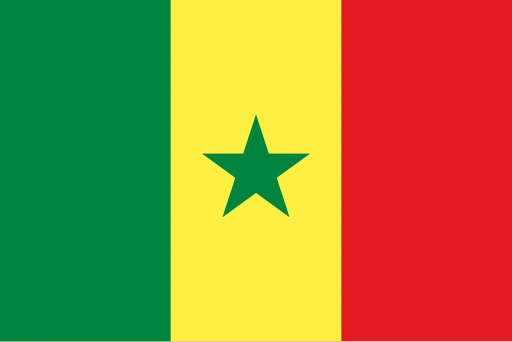
Upon gaining independence from France in 1960, the Sudanese Republic joined Senegal to form the Mali Federation, which used a similar tricolor featuring a black human-like figure known as a kanaga. Following the collapse of the federation, the current design was officially adopted on March 1, 1961, through Law 61-26. The removal of the kanaga symbol was intended to distinguish the new republic's ensign and respect local religious sensitivities regarding figurative art. Since this formal adoption, the flag has remained the unchanged national symbol of the Republic of Mali.