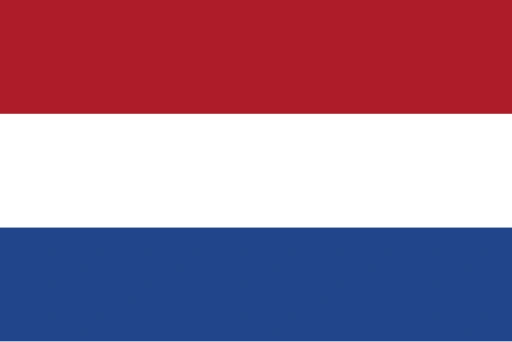
Flag of the Netherlands
Overview
| Country | Netherlands |
| Adopted | 1937 |
| Aspect ratio | 2:3 |
| Colors | |
| Elements | Horizontal stripes |
Description
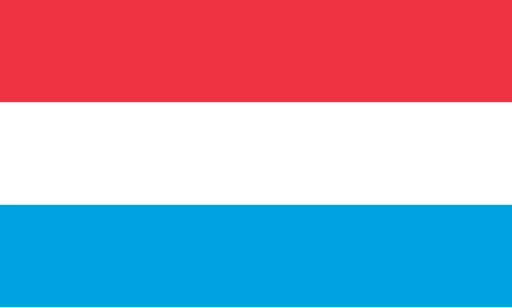
The flag of the Netherlands consists of three equal horizontal bands of color. Arranged from top to bottom, these stripes are bright vermilion red, white, and cobalt blue. This rectangular design features no additional emblems or symbols and adheres to an aspect ratio of 2:3.
Symbolism
The red stripe is traditionally associated with the bravery, strength, and courage of the Dutch people. White represents peace and honesty, reflecting the nation's diplomatic values. Loyalty and justice are embodied by the blue stripe, which also references the country's deep historical ties to the sea. Although orange is not present on the flag, an orange pennant is frequently added during royal celebrations to honor the House of Orange-Nassau.
History
Initially emerging in the 16th century as the 'Prince's Flag' with an orange stripe, the design gradually transitioned to red during the 17th century. This change likely occurred because red dye was more stable and visible at sea than the original orange. On February 19, 1937, Queen Wilhelmina issued a royal decree officially establishing the red, white, and blue tricolor as the national flag. This legal confirmation ended a period of uncertainty regarding whether the orange or red version should serve as the primary state symbol.