Gibraltar Military Forces 🇬🇮
Military Strength Overview
Geography
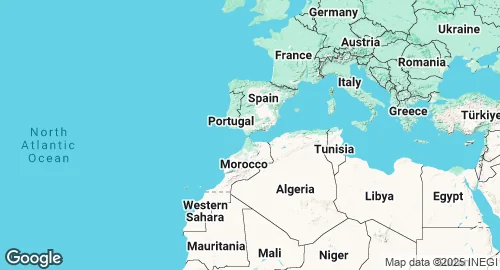
| Capital | Gibraltar |
| Land Area | 7 km² |
| Coastline Length | 12 km |
National Flag

Population and Military Personnel Trends
GDP and Inflation Rate Trends
Strategic Overview in 2026
Strategic Position
Gibraltar is a British Overseas Territory situated at the southern tip of the Iberian Peninsula, overlooking the 13-kilometer-wide Strait of Gibraltar. This maritime chokepoint provides monitoring and control of the transit between the Atlantic Ocean and the Mediterranean Sea. The territory is administered as one of the United Kingdom's Permanent Joint Operating Bases (PJOB), serving as a mounting base for operations in Africa, the Middle East, and the Mediterranean.
Primary security concerns involve the protection of British Gibraltar Territorial Waters (BGTW), the monitoring of foreign naval movements through the Strait, and countering illegal maritime activities. While the United Kingdom maintains sovereignty, Spain continues to assert a territorial claim, though security coordination exists regarding border management and counter-smuggling operations. Gibraltar is integrated into the NATO maritime security architecture as part of the alliance’s southern flank.
Military Forces
Defense is the responsibility of the United Kingdom, delivered through British Forces Gibraltar (BFG) under the operational command of UK Strategic Command. The permanent garrison consists of approximately 1,000 personnel, including regular and reserve military members alongside civilian contractors.
Land Forces The Royal Gibraltar Regiment (RGR) is the primary land unit, functioning as a light role infantry battalion. The regiment maintains a permanent cadre of regular soldiers and a significant reserve element. Its primary mission includes the protection of strategic assets on the Rock and within the BGTW. The regiment operates standard UK infantry equipment and maintains an artillery troop equipped with L118 105mm light guns for ceremonial and defensive purposes.
Naval Forces The Royal Navy Gibraltar Squadron provides maritime security and force protection. The squadron operates a fleet of patrol vessels, including: - HMS Trent, a River-class Batch 2 offshore patrol vessel permanently forward-deployed for regional operations. - HMS Cutlass and HMS Dagger, purpose-built Cutlass-class fast patrol boats capable of speeds exceeding 40 knots. - Pacific 24 rigid-hulled inflatable boats (RHIBs) for boarding and interception. - A dedicated diving support boat, DSB Crabb, used by the Gibraltar Clearance Diving Element for underwater security and EOD tasks.
The naval base at HMNB Gibraltar includes berths capable of hosting nuclear-powered attack submarines (SSNs), such as the Astute-class, which utilize the facility for replenishment and maintenance during Mediterranean deployments.
Air Forces RAF Gibraltar operates as a Forward Operating Base (FOB) rather than a station for permanently based aircraft. The airfield features a 1,778-meter runway that accommodates transient military transport aircraft, including the A400M Atlas C1, C-17 Globemaster III, and Voyager tankers. The station provides logistics, engineering, and air traffic control support for UK and NATO aircraft. It is currently integrated into the UK’s Cyber and Specialist Operations Command to enhance regional intelligence and communication capabilities.
Defense Industry
Gibraltar does not maintain a domestic arms manufacturing industry. The territory relies on UK-based procurement for all military hardware and equipment. Substantive defense-related industrial activity is limited to maritime support and ship repair services provided by Gibdock. This facility offers maintenance, dry-docking, and repair services for visiting Royal Navy vessels and NATO allies, providing essential logistical support for maritime operations in the western Mediterranean.
Strategic Trends
Current defense priorities are guided by the 2025 Strategic Defence Review, which mandates a shift toward "warfighting readiness" and enhanced integration across domains. Modernization efforts focus on upgrading surveillance and communication infrastructure to improve maritime situational awareness in the Strait.
Procurement priorities for the 2025–2026 period include the deployment of autonomous systems for mine countermeasures and underwater surveillance. The Royal Navy has begun integrating uncrewed underwater vehicles (UUVs) to monitor territorial waters and protect critical undersea infrastructure.
Defense spending for the territory is integrated into the UK Ministry of Defence budget, which is currently on a trajectory to reach 2.5% of GDP by 2027. Future force structure planning emphasizes the role of Gibraltar as a specialized hub for "Defense Engagement," with the Royal Gibraltar Regiment frequently deploying small training teams to partner nations in West Africa and the Maghreb. Constraints remain regarding the geographic footprint of military facilities, which must compete with civilian urban expansion and commercial airport operations.
Frequently Asked Questions
Does Gibraltar have nuclear weapons?
Military Expenditure: SIPRI Milex. Suggest a change