Strategic Position
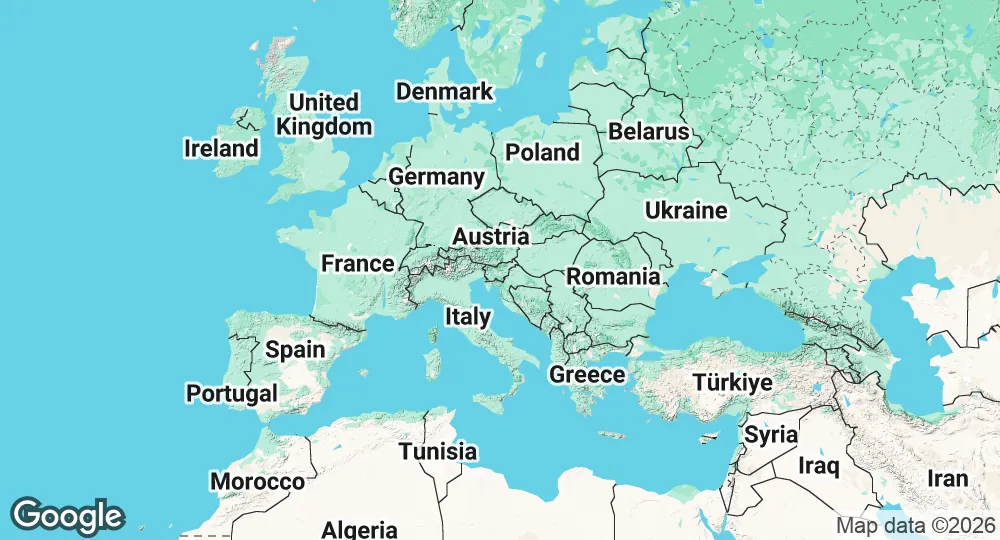
Slovenia maintains a defense posture centered on collective security through membership in NATO and the European Union. Its primary geopolitical concerns focus on stability in the Western Balkans and the security of the Adriatic coastline. As of January 2026, Slovenia holds the one-year presidency of the Central European Defence Cooperation (CEDC), an initiative coordinating 14 member states on regional security projects, cyber resilience, and the integration of Western Balkan nations into European defense frameworks.
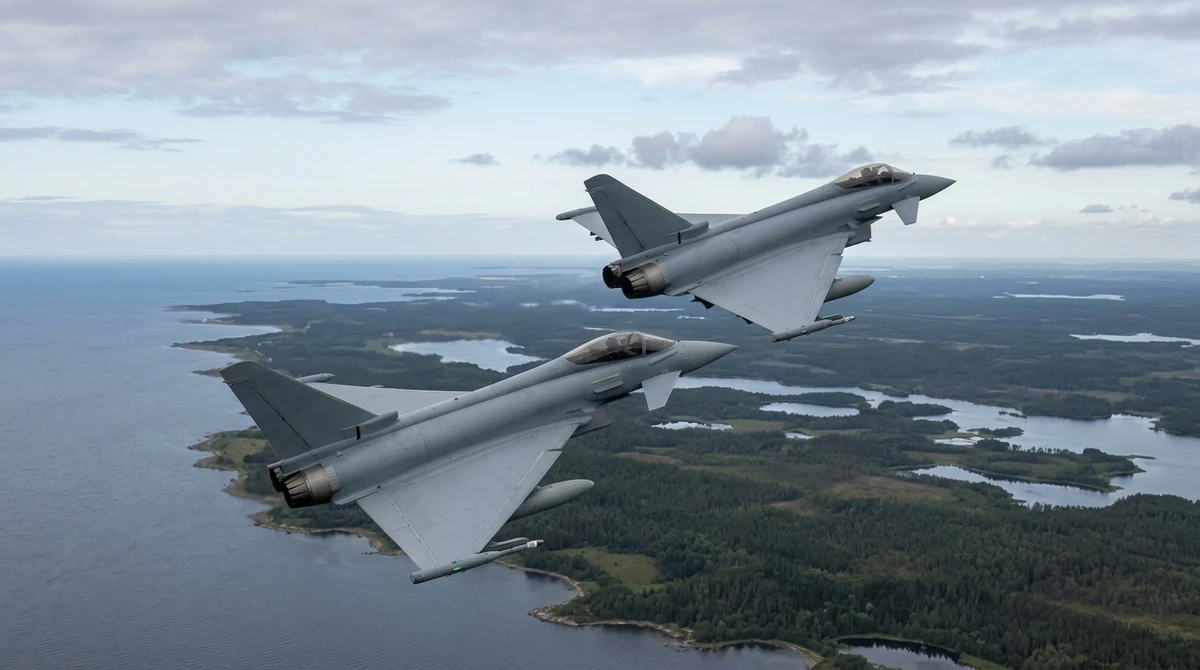
The nation’s defense doctrine is defined by the Resolution on the General Long-Term Development and Equipping Programme of the Slovenian Armed Forces (SAF) until 2040, which was updated in 2025. This strategy shifts priorities from international crisis management toward national and collective defense capabilities. Slovenia coordinates its air defense procurement through the European Sky Shield Initiative (ESSI) and maintains bilateral air policing agreements with Italy and Hungary, as the SAF does not operate supersonic combat aircraft.
Military Forces
The Slovenian Armed Forces (SAF) are organized as a unitary, professional force without separate military branches. Instead, the force is divided into specialized arms and services under the operational command of the General Staff. Personnel numbers include approximately 6,000 active-duty troops and 1,000 contract reservists.
The force is structured into several major components:
-
1st Brigade and 72nd Brigade: The primary land components, tasked with forming medium battalion battle groups.
-
15th Wing (Aviation and Air Defense): Centered at Cerklje ob Krki Air Base, this wing provides tactical transport, rotary-wing support, and air defense.
-
430th Naval Division: Operates out of the Port of Koper, focusing on maritime surveillance, search and rescue, and anti-mine capabilities.
-
Special Operations Unit (ESD): A specialized unit for unconventional warfare and counter-terrorism.
Equipment Inventory
-
Ground Forces: The SAF operates M-84 main battle tanks. Armored transport is provided by Valuk 6x6 (Pandur) and Svarun 8x8 (Patria AMV) vehicles. In 2025, the SAF began transitioning to the FN SCAR as its standard service rifle.
-
Air Defense: Current capabilities rely on short-range Roland II systems. Under recent procurement contracts, Slovenia is scheduled to receive IRIS-T SLM medium-range air defense batteries starting in 2027.
-
Aviation: The air arm operates C-27J Spartan tactical transport aircraft and Pilatus PC-9M light attack/trainer aircraft. The helicopter fleet consists of Eurocopter Cougar and Bell 412 models.
-
Maritime: The naval component operates the Triglav (Project 10412) patrol vessel.
Defense Industry
Slovenia maintains a niche domestic defense industry with a focus on small arms, simulation technology, and electronics. Key manufacturers include Arex, which produces pistols and ammunition, and Guardiaris, specializing in advanced military training simulators. Timtec and Pipistrel (the latter now part of Textron) contribute to the development of unmanned aerial vehicles (UAVs) and surveillance technologies. In October 2025, the country hosted SIDEC 2025, its first dedicated defense industry fair, to facilitate cooperation between domestic firms and international partners. The defense industry is currently moving toward more integrated domestic production, particularly in the manufacturing of turrets and modular components for armored vehicles.
Strategic Trends
The primary trend in Slovenian defense is a rapid increase in spending to meet NATO capability targets. The defense budget is set at 2% of GDP for 2025, with approved plans to reach 2.2% in 2026 and 3% by 2030. These funds are largely directed toward re-equipping the land forces and establishing a medium-range air defense umbrella.
Modernization is currently dominated by two major programs:
-
Armored Mobility: Following the cancellation of a previous contract for Boxer vehicles, Slovenia signed a Letter of Intent in February 2025 to acquire over 100 Patria AMV XP 8x8 vehicles. As of late 2025, this procurement faces technical delays as the Ministry of Defense seeks to integrate modular anti-drone systems and domestic turret production into the platform.
-
Air Defense: Slovenia has ordered a total of three IRIS-T SLM fire units through the ESSI framework. This procurement represents the largest air defense investment in the country's history.
Future force development aims to establish the first fully operational medium battalion battle group by 2027 and a second by 2030. The SAF also faces persistent human resource challenges, with current recruitment and retention programs aimed at addressing personnel shortages to ensure the planned expansion of units.