Flag of the United Kingdom

Overview
| Country | United Kingdom |
| Adopted | 1801 |
| Aspect ratio | 1:2 |
| Colors | |
| Elements | Cross |
Description
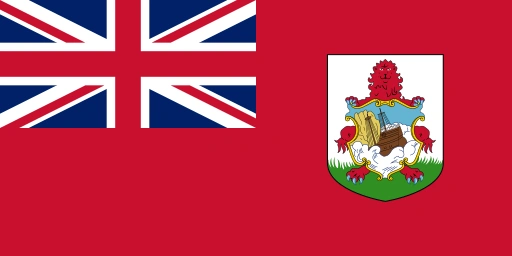
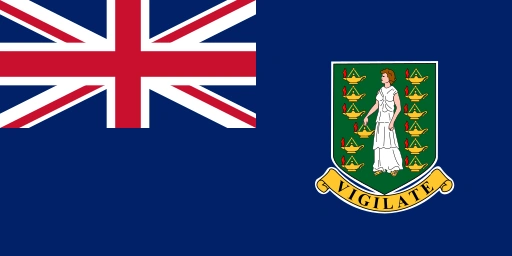
A blue field serves as the foundation for a central red cross bordered in white. Superimposed upon this layout are two diagonal saltires, one red and one white, which intersect at the center. The red saltire is fimbriated with white and positioned in an offset manner against the white saltire.
Symbolism
Each heraldic element represents a constituent nation of the United Kingdom through its respective patron saint. Representing England is the central red cross on a white field, while the white saltire on a blue background signifies Saint Andrew of Scotland. Saint Patrick’s red saltire represents Ireland, though Wales is not visually represented as it was historically considered part of the Kingdom of England. These combined symbols commemorate the political unification of the different realms under a single sovereign authority.
History
Official adoption of the current Union Flag occurred in 1801 following the Act of Union between Great Britain and Ireland. An earlier version created in 1606 combined the crosses of England and Scotland but lacked the red saltire of Saint Patrick. King James I commissioned this 17th-century iteration to represent the personal union of the crowns. The 1801 update incorporated the third cross to signify the inclusion of the Kingdom of Ireland within the newly formed United Kingdom.