GlobalMilitary.net Open-source military intelligence Updated daily
Europe · London

United Kingdom Military Forces

The United Kingdom ranks #7 of 169 militaries worldwide in 2026, with 144,400 active troops. The British Army fields 4,013 ground vehicles, including 285 main battle tanks; the Air Force flies 711 aircraft, including 158 combat aircraft; the Navy operates 58 warships, including 2 aircraft carriers and 10 submarines. The United Kingdom is a nuclear power with an estimated 225 warheads.

World rank #7 ATLAS index 52.5/100
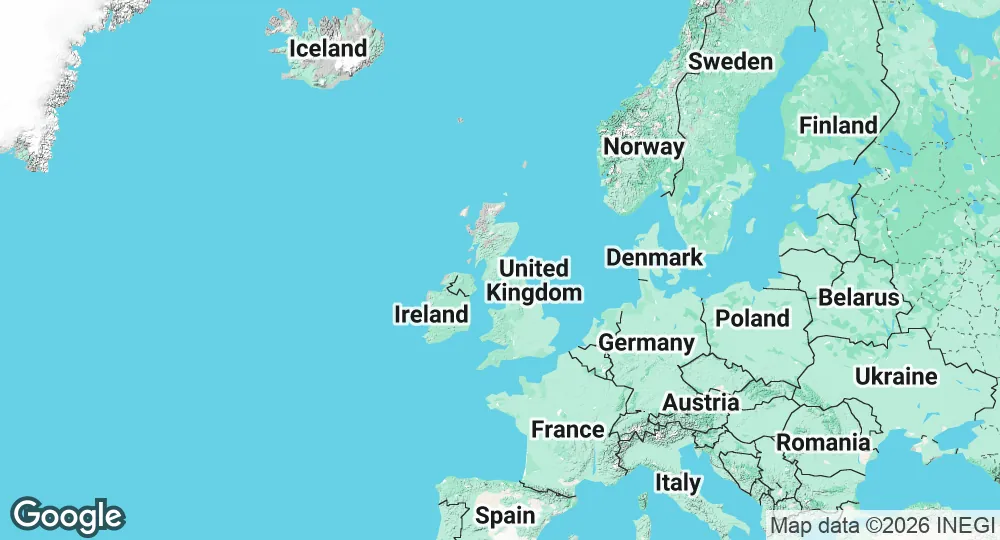
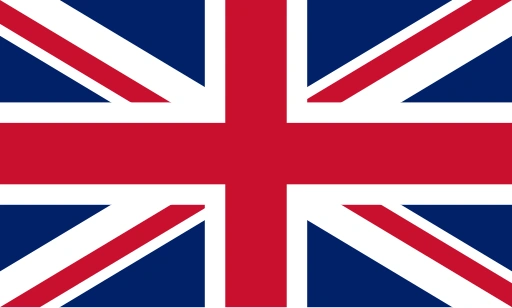
Map of United Kingdom Flag of the United Kingdom
Active troops
144K
Reserve troops
70K
Defense budget
$88B2025
Share of GDP
2.4%
Population
69.5M2025

Armed Forces in 2026

Domain Strength Composition
Royal Air Force 711 aircraft 158 combat 254 helicopters 82 air bases +74 on order
Royal Navy 58 warships 21 major combatants 2 carriers 10 submarines 9 naval bases
Ground Forces 4,013 vehicles 285 main battle tanks
Nuclear Forces 225 warheads 120 deployed Sea Active
Personnel 144,400 active 70,650 reserve

ATLAS Index (Aggregate Total of Land, Air and Sea strength)

Full ranking →
Score & Pillar Breakdown World #7
52.5/ 100
United Kingdom ranks #7 of 169 in the ATLAS Index (Aggregate Total of Land, Air and Sea strength) with a score of 52.5/100. The ATLAS Index scores United Kingdom's overall capability on a 0–100 scale from verifiable data across six pillars: manpower, ground forces, naval power, air power, nuclear deterrent and defense budget, each conventional pillar read after the availability proxy of its branch index (budget per point of the force).
Pillar Weight Score Basis
Manpower 10% 51.2 Active, reserve & paramilitary personnel
Ground forces 20% 49.5 ARMS inventory power: armour & artillery by type and era, attack helicopters, armament
Naval power 20% 62.5 SEAS inventory power: hulls by type, size and era, air wing, sustainment, armament
Air power 25% 49.4 AIRS inventory power: aircraft by type and generation, enablers, armament
Nuclear deterrent 10% 36.1 Warhead count with delivery-mode modifiers
Defense budget 15% 56.0 Annual spending, purchasing-power adjusted
Availability modifier ground ×1.20 · naval ×0.98 · air ×1.08 Budget per point of each force, from the branch indexes

Country File

Defense Statistics & Key Metrics
Population69.5M (2025)
GDP$4.0 trillion (2025)
GDP per capita$57,602
Military budget$88B (2025)
Share of GDP2.4% (2025)
Military spending per capita$1,273 (2025)
Inflation rate3.88% (2025)
Military Budget History
2021 — $72B, 2.30% of GDP $72B 2021 2022 — $73B, 2.30% of GDP $73B 2022 2023 — $79B, 2.30% of GDP $79B 2023 2024 — $85B, 2.30% of GDP $85B 2024 2025 — $88B, 2.40% of GDP $88B 2025
Budget (US$) Share of GDP (0-2.5%)
Share of GDP (line): CIA World Factbook (public domain). Budget in US$ (bars): that share applied to World Bank GDP (CC BY 4.0). Estimates.
Geography
CapitalLondon
RegionEurope
Land area241,930 km²
Coastline12,429 km
Land borders499 km
Bordering countries1
CurrencyGBP
National Flag Adopted 1801
Flag of the United Kingdom
Aspect ratio1:2
ColorsRed, blue, white
Compare this Country
🇬🇧 United Kingdom vs

Strategic Overview in 2026

Strategic Position

The United Kingdom maintains a defense posture centered on a "NATO-first" policy, as outlined in the Strategic Defence Review (SDR) 2025. This doctrine prioritizes European security and the deterrence of Russian aggression in the Euro-Atlantic region. The UK is a founding member of NATO and maintains the Continuous At-Sea Deterrent (CASD), providing a sovereign nuclear umbrella for the alliance.

Primary security concerns include state-based threats from Russia and China, as well as evolving challenges in cyberspace and undersea infrastructure. Geopolitically, the UK utilizes the AUKUS security pact with the United States and Australia to develop nuclear-powered submarines and advanced technologies. Other regional frameworks include the Joint Expeditionary Force (JEF) and the Five Power Defence Arrangements (FPDA). The 2025 Lunna House agreement with Norway further formalizes maritime security cooperation in the North Atlantic, particularly regarding anti-submarine warfare.

Military Forces

The British Armed Forces are overseen by the Ministry of Defence (MoD) and consist of the Royal Navy, the British Army, and the Royal Air Force (RAF). As of April 2025, the total full-time personnel strength is approximately 147,300, with an additional 30,000 in the volunteer reserves.

British Army: The army is organized into two primary maneuver formations: the 3rd (UK) Division, which operates as a heavy tracked force, and the 1st (UK) Division, configured as a wheeled expeditionary force. Equipment modernization focuses on the Challenger 3 main battle tank, the Ajax family of tracked reconnaissance vehicles, and the Boxer 8x8 wheeled armored vehicle. The army also operates AS90 self-propelled howitzers and the Jackal 3 high-mobility transport vehicle.

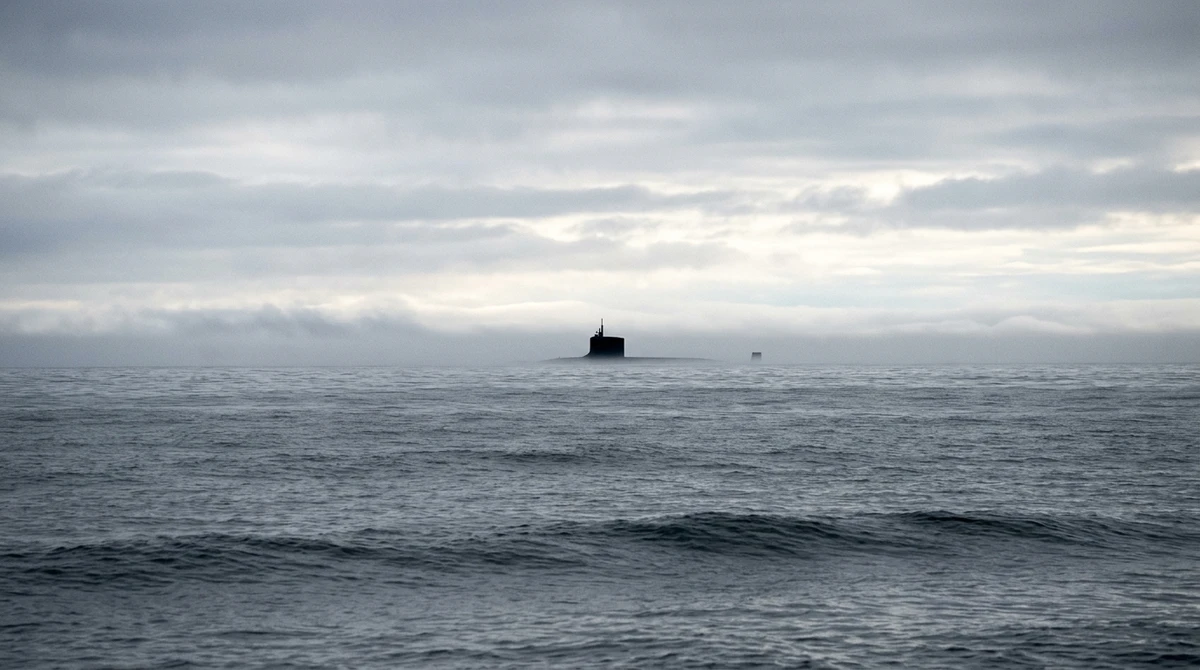
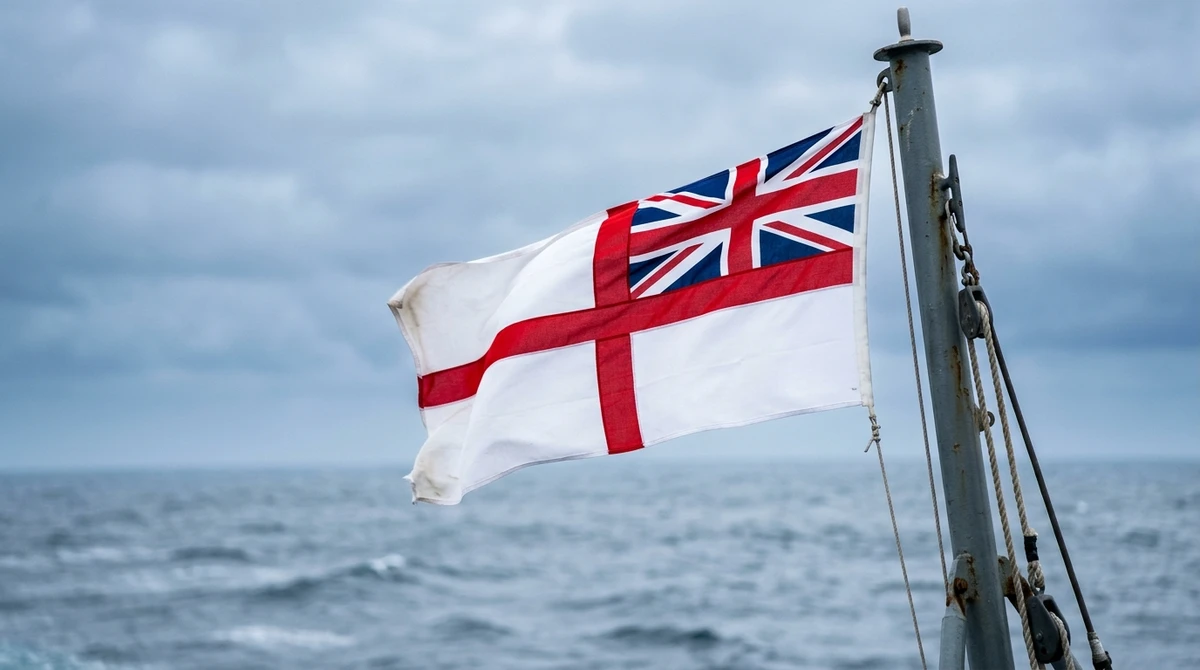
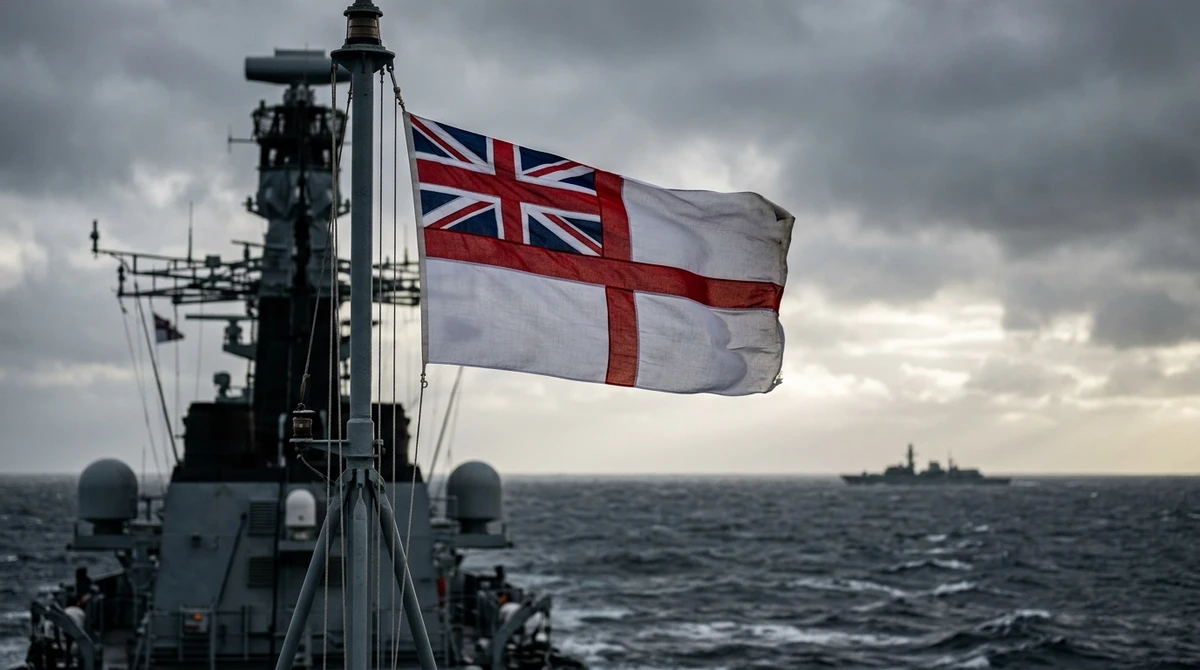
Royal Navy: The fleet is centered on two Queen Elizabeth-class aircraft carriers. Surface combatants include Type 45 destroyers and Type 23 frigates, which are being replaced by the Type 26 City-class and Type 31 Inspiration-class frigates. Submarine capabilities include Astute-class nuclear-powered attack submarines and Vanguard-class ballistic missile submarines. The Royal Marines serve as the dedicated amphibious commando force.

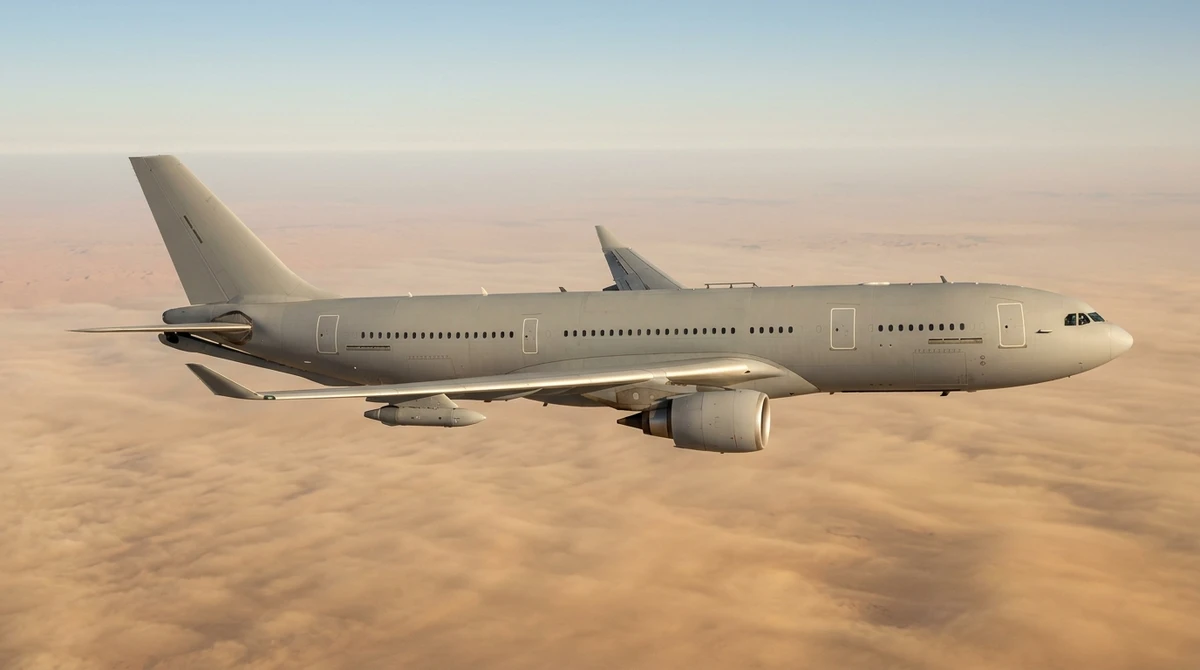
Royal Air Force: The RAF operates a combat fleet composed of Eurofighter Typhoon multirole fighters and F-35B Lightning II stealth aircraft. Strategic airlift is provided by C-17 Globemaster III and A400M Atlas aircraft, while the P-8A Poseidon manages maritime patrol. Development of the Global Combat Air Programme (GCAP) is underway to produce the Tempest sixth-generation fighter.

Specialized Capabilities: UK Special Forces include the Special Air Service (SAS) and Special Boat Service (SBS). Strategic Command manages the UK’s offensive and defensive cyber capabilities, including the National Cyber Force.

Defense Industry

The United Kingdom maintains a substantive domestic defense industry, led by major contractors such as BAE Systems, Rolls-Royce, Babcock International, and MBDA UK. Domestic production covers nuclear submarines (Barrow-in-Furness), warship construction (Glasgow and Rosyth), and aerospace manufacturing (Lancashire).

The industry achieved record export success in 2025, securing deals worth over £20 billion. This included a £10 billion contract to supply Type 26 frigates to Norway and an £8 billion agreement for Typhoon fighter jets to Turkey. The UK remains a key partner in international co-production, specifically for the F-35 program and the tri-national GCAP initiative with Italy and Japan. While the MoD seeks to increase sovereign manufacturing of munitions and armored vehicles, it remains reliant on the United States for certain high-end systems and components.

Strategic Trends

The Strategic Defence Review 2025 introduced a shift toward "warfighting readiness" and the integration of autonomous systems. Defense spending is projected to reach 2.3% of GDP for the 2025-26 period, with a stated target of 2.5% by 2027 and an eventual ambition of 3%.

Modernization priorities include the Dreadnought-class ballistic missile submarines and the introduction of a Digital Targeting Web by 2027 to network sensors and shooters across all domains. A new Defence Uncrewed Systems Centre, established in early 2026, focuses on the rapid adoption of drone technology. Constraints facing the military include a workforce crisis characterized by recruitment and retention deficits, as well as the need to manage equipment gaps during the transition from legacy platforms to next-generation systems.
Population, GDP, Inflation and Personnel: World Bank.
Military Expenditure: CIA World Factbook. Last updated on 25 September 2026. Suggest a change

British Defense Manufacturing

Designed in United Kingdom
Naval Shipbuilding 38 classes
Leander FrigateArcher Patrol boat & training vesselDuke Anti-submarine frigateSheffield Guided-missile destroyerSandown MinehunterBroadsword FrigateRiver Offshore patrol vesselHunt Mine countermeasures vesselCounty Guided-missile destroyerType 21 FrigateType 26 Anti-submarine frigateTrafalgar Nuclear-powered attack submarineAstute Nuclear-powered attack submarineDaring Guided-missile destroyerSwiftsure Nuclear-powered attack submarinePeacock CorvetteType 31 General-purpose frigateAlvand FrigateBay Dock landing shipDreadnought Nuclear-powered ballistic missile submarineResolution Nuclear-powered ballistic missile submarineSamuel Beckett Offshore patrol vesselTide Fast fleet tankerVanguard Nuclear-powered ballistic missile submarineVictoria Diesel-electric attack submarineInvincible Light aircraft carrierKhareef CorvetteAlbion Landing platform dockFort Victoria Replenishment oilerQueen Elizabeth Aircraft carrierRóisín Offshore patrol vesselScimitar Patrol boatValiant / Churchill Nuclear-powered attack submarineOcean Landing platform helicopterProteus Multi-role ocean surveillance shipStirling Castle Mine countermeasures mothershipCornwall Missile frigateGriffon 2000TD Hovercraft
Military Vehicles 14 models
Royal Ordnance Centurion Heavy Main Battle TankFV432 Armoured personnel carrierL118 Light Gun 105 mm towed howitzerFH70 Towed HowitzerRoyal Ordnance Chieftain Heavy Main Battle TankFV510 Warrior Infantry Fighting VehicleChallenger 2 Heavy Main Battle TankVickers Challenger Heavy Main Battle TankFoxhound Light protected patrol vehicleFV214 Conqueror Heavy Main Battle TankFV101 Scorpion Light reconnaissance tankVickers Mk.3 Medium Main Battle TankGeneral Dynamics Ajax Armoured Reconnaissance VehicleJackal Light patrol and fire support vehicle
Missile Systems 23 systems
LAW-80 Anti-TankSwingfire Anti-TankRapier Surface-to-AirNLAW Anti-TankStarstreak Surface-to-AirBrimstone Anti-TankSea Dart Surface-to-AirAlarm Air-to-SurfaceMartel Anti-ShipBlue Steel CruiseAIM-132 ASRAAM Air-to-AirCAMM / Sea Ceptor Surface-to-AirCAMM-ER Surface-to-AirFMRAAM / ERAAM Air-to-AirFirestreak Air-to-AirMeteor Air-to-AirRed Top Air-to-AirSea Cat Surface-to-AirSea Eagle Anti-ShipSea Skua Anti-ShipSea Wolf Surface-to-AirSky Flash Air-to-AirStorm Shadow / Scalp Cruise
Firearms 8 models
Accuracy International AE Sniper rifleArctic Warfare AS50 Anti materiel sniper rifleArctic Warfare AW50 Anti materiel sniper rifleArctic Warfare AWM Sniper rifleArctic Warfare L96 Sniper rifleL85 (SA-80) Assault rifleL86A1 LSW Machine gunSterling L2A3 Submachine gun

In the News

All news →
Japan Will Not Rule Out Nuclear-Powered Submarines as Six Navies Field 140 Between Them
SEP 19, 2026

Japan Will Not Rule Out Nuclear-Powered Submarines as Six Navies Field 140 Between Them

Japan's defense minister said on 11 September 2026 that nuclear-powered submarines "will not be ruled out" in the year-end revision of the country's security documents, an option that would put the JMSDF alongside the six navies operating 140 nuclear boats today.

🇦🇺 🇧🇷 🇨🇳 🇫🇷 🇬🇧 🇮🇳 🇯🇵 🇷🇺 🇺🇸

Frequently Asked Questions

How large is United Kingdom's military?
United Kingdom has 144,400 active military personnel with an additional 70,650 in reserve. This includes army, navy, and air force service members.
What is United Kingdom's defense budget?
United Kingdom's annual defense budget is approximately $88.5 billion. This covers personnel costs, equipment procurement, operations, and maintenance of military forces.
How does United Kingdom rank militarily in the world?
United Kingdom ranks #7 globally on the ATLAS Index with a score of 52.5 out of 100. This composite index measures military capability across manpower, ground forces, naval power, air power, nuclear deterrent, and defense budget, adjusted for equipment quality and readiness.
Does United Kingdom have nuclear weapons?
Yes, United Kingdom is a nuclear-armed state with approximately 225 nuclear warheads. Of these, 120 are deployed and ready for use.
How many aircraft does United Kingdom's air force have?
United Kingdom operates 711 military aircraft including 158 combat aircraft. The fleet includes fighters, transport planes, helicopters, and training aircraft.
How large is United Kingdom's navy?
United Kingdom's navy operates 62 vessels including 10 submarines and 2 aircraft carrier(s). The fleet includes surface combatants, support ships, and coastal patrol craft.
How many tanks does United Kingdom have?
United Kingdom operates approximately 285 main battle tanks. This figure includes both active inventory and reserve stocks available for mobilization.
What percentage of GDP does United Kingdom spend on defense?
United Kingdom spends approximately 2.4% of its GDP on defense. This meets the NATO target of 2% of GDP.
What is United Kingdom's military personnel per capita?
United Kingdom has approximately 2.1 active military personnel per 1,000 citizens. This ratio reflects the country's military manpower relative to its population of 69,487,000.
Does United Kingdom have submarines?
Yes, United Kingdom operates 10 submarines. The submarine fleet may include nuclear-powered attack submarines, ballistic missile submarines, and conventional diesel-electric boats depending on the country's naval doctrine.
Does United Kingdom have aircraft carriers?
Yes, United Kingdom operates 2 aircraft carrier(s). Aircraft carriers provide significant power projection capability and serve as mobile air bases for naval aviation operations worldwide.
Latest Data Updates
  1. SEP 252026 Updated Population, GDP and inflation added for 2025; population and GDP series revised
  2. AUG 112026 Updated Global Military Index updated
  3. AUG 42026 Updated Global Military Index updated in a site-wide editorial pass
  4. AUG 32026 Updated Global Military Index updated
  5. JUL 162026 Updated Global Military Index updated in a site-wide editorial pass
  6. JUN 162026 Updated Yearly statistics, military spending and 2 more fields updated
  7. JAN 232026 Updated Rank insignia updated (3 entries)