
Sudanese Air Force
القوات الجوية السودانية (Al Quwwat al Jawwiya as-Sudaniya) — The Sudanese Air Force (SAF) is a force shaped by decades of internal conflict and a mix of international influences. Its structure includes fighter, ground attack, transport, and helicopter squadrons. The main …
Full inventory in 2026
23 aircraft typesSudan Air Force
| Aircraft | Origin | Model year | Active | Δ YoY | Ordered | |
|---|---|---|---|---|---|---|
| Combat | ||||||
|
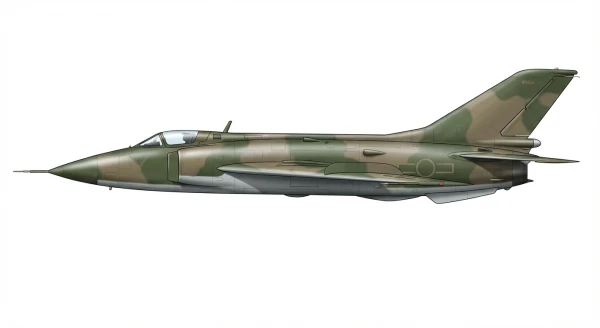
A-5 | 🇨🇳 China | 1970 | 20 | — | — |

|
K-8 |
🇨🇳 China 🇵🇰 Pakistan |
1994 | 15 | +10 | — |
|
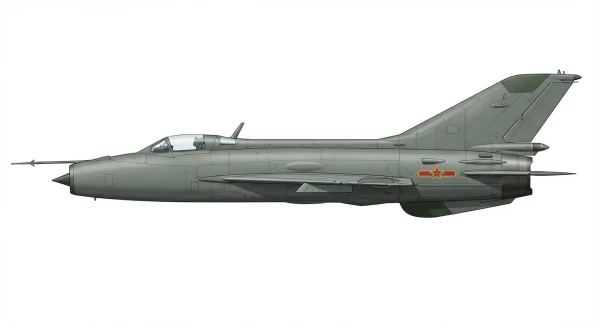
F-7 | 🇨🇳 China | 1966 | 12 | — | — |
|
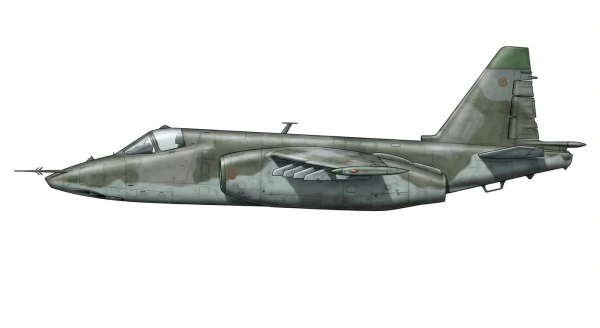
Su-25 | 🇷🇺 Ex-USSR | 1981 | 12 | — | — |
|
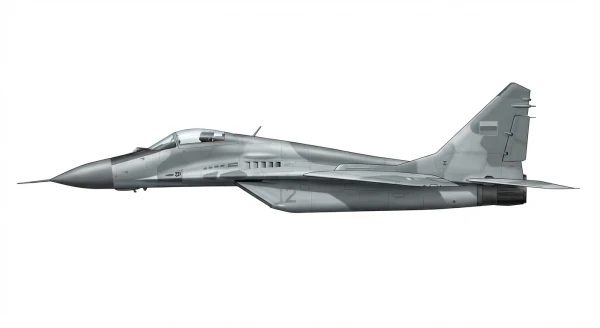
MiG-29 | 🇷🇺 Ex-USSR | 1983 | 11 | — | — |
|
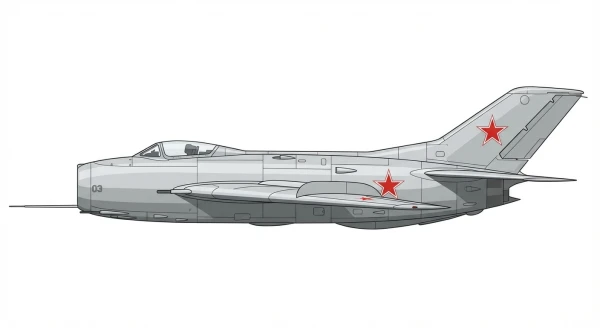
F-6 | 🇷🇺 Ex-USSR | 1955 | 8 | — | — |
|
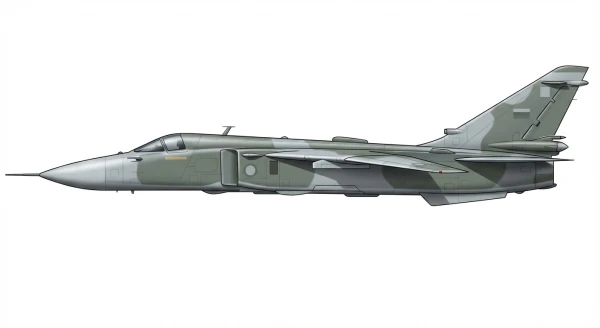
Su-24 | 🇷🇺 Ex-USSR | 1973 | 6 | -1 | — |
|
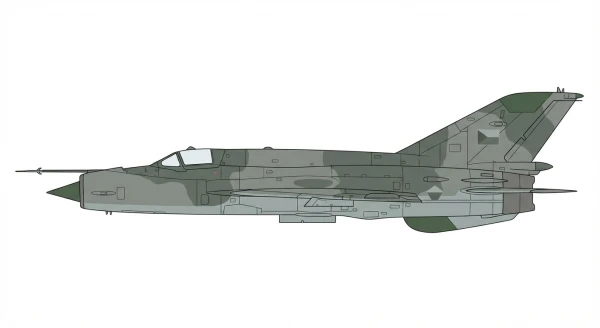
MiG-21 | 🇷🇺 Ex-USSR | 1958 | 4 | — | — |
|
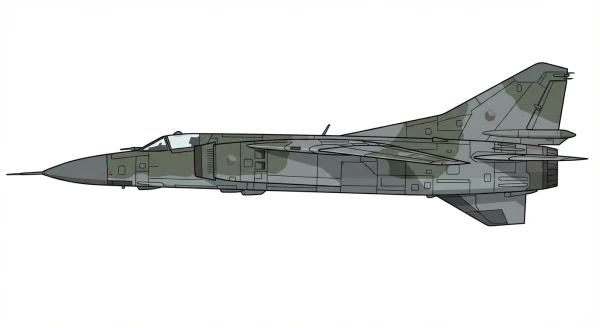
MiG-23 | 🇷🇺 Ex-USSR | 1970 | 3 | — | — |
| Helicopter | ||||||
|
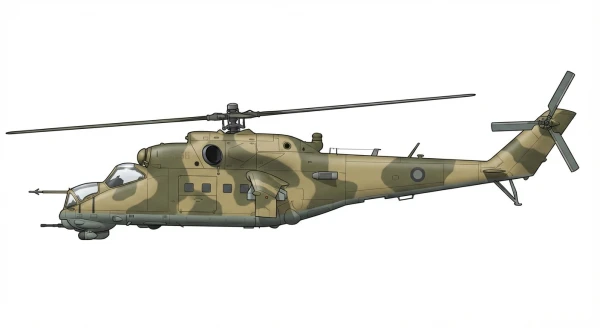
Mi-24/35 | 🇷🇺 Ex-USSR | 1972 | 35 | — | — |
|
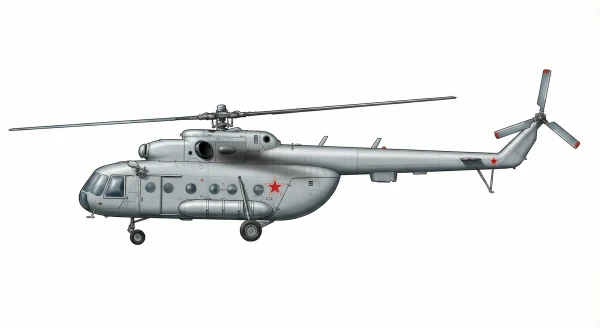
Mi-8/17/171 | 🇷🇺 Ex-USSR | 1967 | 24 | — | — |
|
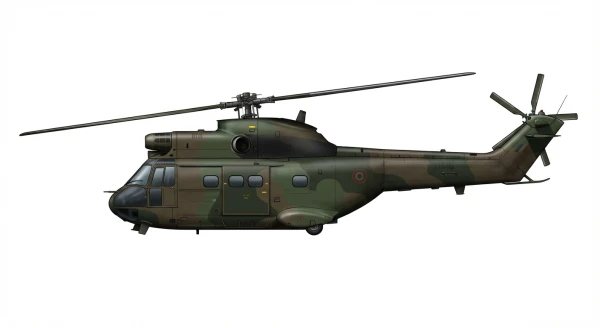
IAR 330 | 🇫🇷 France | 1968 | 6 | +6 | — |
|
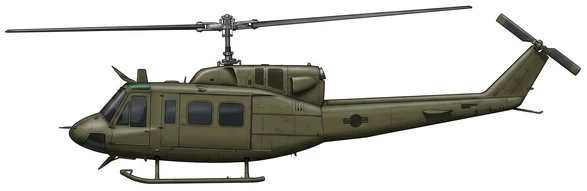
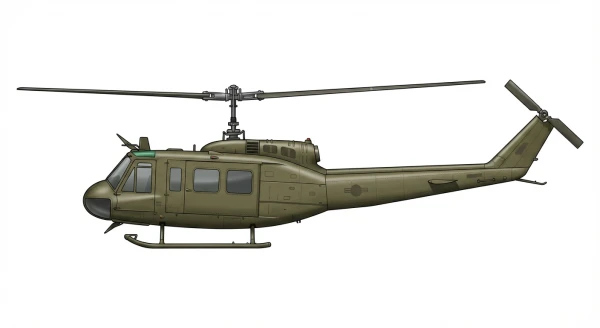
Bell 212 | 🇺🇸 United States | 1970 | 3 | — | — |
|
Bell 205 | 🇺🇸 United States | 1959 | 2 | — | — |
| Transport | ||||||
|
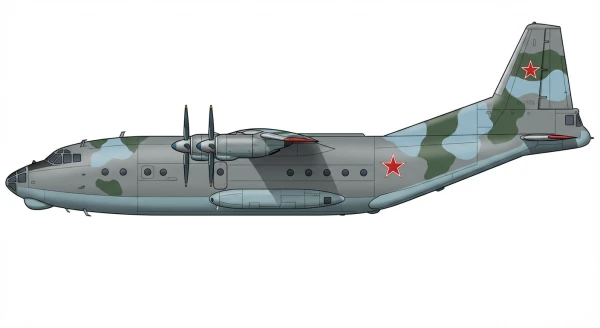
An-12 | 🇺🇦 Ukraine | 1959 | 4 | -1 | — |
|
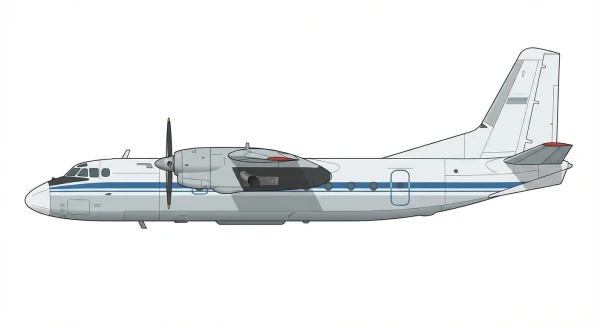
An-30/32 | 🇺🇦 Ukraine | 1968 | 4 | — | — |
|
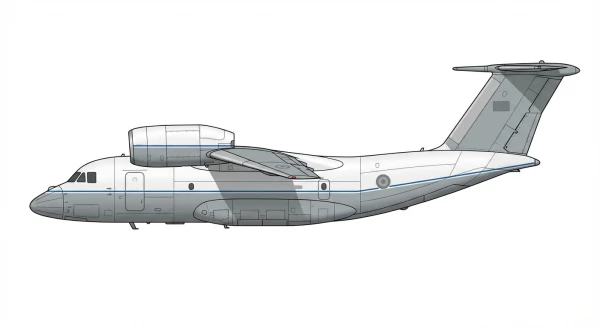
An-74/72 | 🇷🇺 Ex-USSR | 1985 | 3 | +3 | — |
|
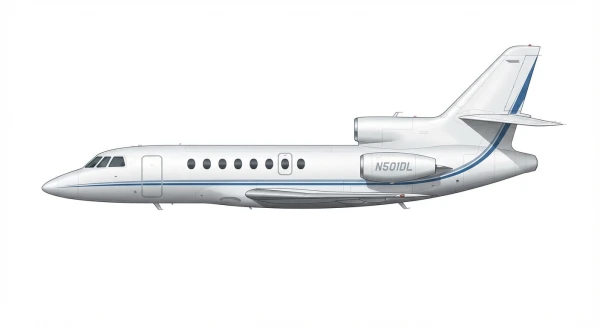
Falcon 50 | 🇫🇷 France | 1979 | 2 | +2 | — |
|
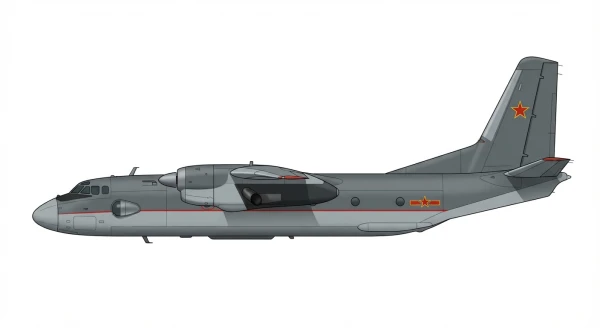
An-26 | 🇷🇺 Ex-USSR | 1969 | 1 | -1 | — |
|
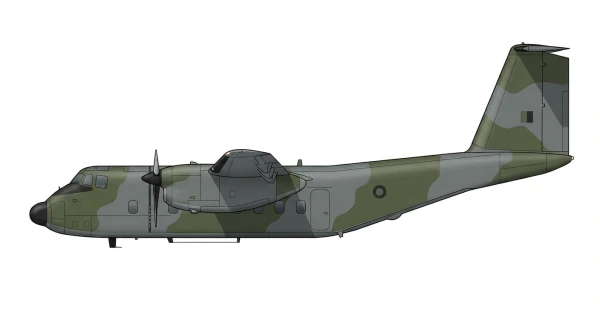
DHC-5 | 🇨🇦 Canada | 1965 | 1 | — | — |
|
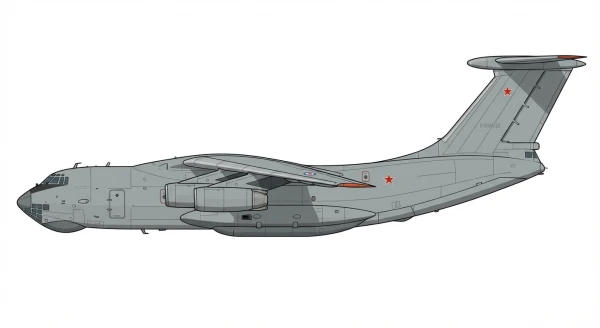
Il-76 | 🇷🇺 Ex-USSR | 1974 | 1 | +1 | — |
|
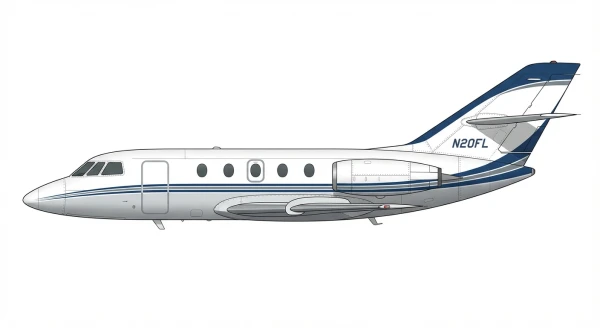
Falcon 20 | 🇫🇷 France | 1965 | 1 | +1 | — |
| Training | ||||||
|
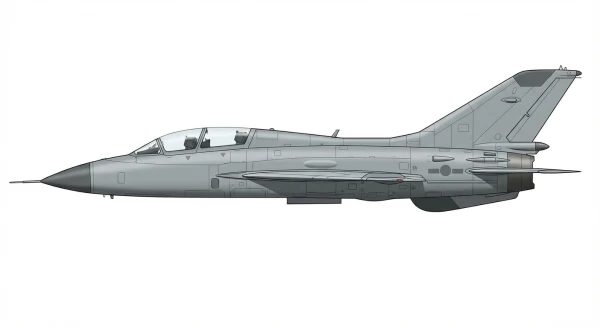
FTC-2000 | 🇨🇳 China | 2013 | 6 | — | — |
Overview
The Sudanese Air Force (SAF) is a force shaped by decades of internal conflict and a mix of international influences. Its structure includes fighter, ground attack, transport, and helicopter squadrons. The main air bases have historically been located near Khartoum and Omdurman. A separate Air Defense Command is responsible for ground-based air defense, though its operational status has been questionable. The SAF's command structure reflects a blend of British and Soviet-era models, a legacy of its historical suppliers.
The strategic doctrine of the Sudanese military is centered on attrition warfare and adaptability in combat, influenced by British, Russian, and Chinese military principles. For the Air Force, this translates into a primary mission of defending national airspace and providing air support to ground forces. Decades of civil war in Darfur, South Kordofan, and the Blue Nile region have provided the SAF with significant operational experience, although under harsh conditions with aging equipment. This has forced a degree of flexibility and personal responsibility on individual pilots, moving away from rigid, modern airpower principles.
The ongoing civil war that began in 2023 has heavily defined the SAF's recent engagements. It has been actively involved in the conflict against the Rapid Support Forces (RSF), conducting airstrikes and providing support to the army. The air force has suffered significant losses in the conflict, with aircraft destroyed on the ground and in the air. The fighting has also exposed equipment shortfalls, leading to the notable and controversial use of Antonov transport aircraft as makeshift bombers. This tactic, involving rolling unguided bombs out of the cargo bay, is highly imprecise and indicative of a force struggling with a lack of dedicated modern strike platforms.
There are strong indications that Sudan is looking to acquire new combat aircraft, with reports of potential deals for Chinese J-10CE fighters and Russian Su-30 and Su-35 models. These acquisitions, if finalized, would represent a significant leap in capability for the SAF, which currently relies on an aging inventory of Soviet, Russian, and Chinese jets like the MiG-29 and Su-25. The increasing use of drones, reportedly including Turkish Bayraktar TB2s, is another key aspect of its evolving operational approach.