GlobalMilitary.net Open-source military intelligence Updated daily
America ยท Ottawa

Canada Military Forces

Open-source order of battle for 2026: 67,400 active troops, 355 aircraft, 33 warships, 1,690 ground vehicles.

World rank #23 Military index 49.5/100
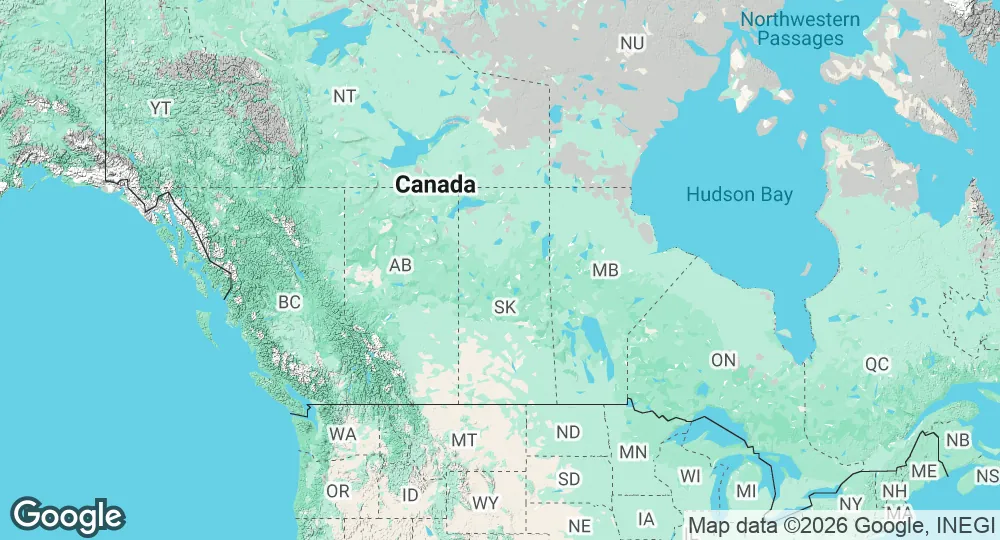
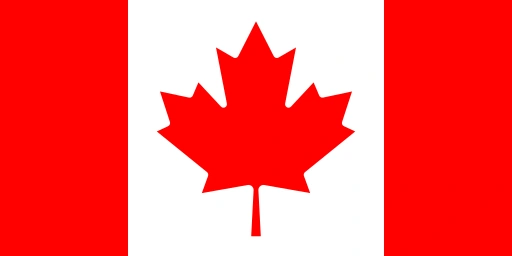
Map of Canada Flag of Canada
Active troops
67K
Reserve troops
29K
Defense budget
$45B2025
Share of GDP
2.0%
Population
41.3M2024

Armed Forces in 2026

Domain Strength Composition
Royal Canadian Air Force 355 aircraft 92 combat 146 helicopters 13 air bases +191 on order
Royal Canadian Navy 33 warships 16 major combatants 4 submarines
Ground Forces 1,690 vehicles 74 main battle tanks
Personnel 67,400 active 29,100 reserve

Global Military Index

Full ranking โ†’
Score & Pillar Breakdown World #23
49.5/ 100
The Global Military Index scores Canada's overall capability on a 0โ€“100 scale from verifiable data across six pillars: manpower, ground forces, naval power, air power, nuclear deterrent and defense budget, with a readiness modifier derived from budget per soldier.
Pillar Weight Score Basis
Manpower 15% 64.1 Active, reserve & paramilitary personnel
Ground forces 20% 52.0 Tanks, armor & artillery weighted by type
Naval power 20% 44.7 Weighted by hull type: carrier tiers, nuclear vs conventional submarines
Air power 25% 50.7 Weighted by aircraft type and fleet age
Nuclear deterrent 10% 0.0 No declared nuclear capability
Defense budget 10% 67.2 Annual spending, purchasing-power adjusted
Readiness modifier ×1.20 Budget per soldier: proxy for training, maintenance & technology

Country File

Defense Statistics & Key Metrics
Population41.3M (2024)
GDP$2.2 trillion (2024)
GDP per capita$54,340
Military budget$45B (2025)
Share of GDP2.0% (2025)
Military spending per capita$1,087 (2025)
Inflation rate2.38% (2024)
Military Budget History CIA World Factbook
2021 โ€” $26B, 1.30% of GDP $26B 2021 2022 โ€” $26B, 1.20% of GDP $26B 2022 2023 โ€” $28B, 1.30% of GDP $28B 2023 2024 โ€” $34B, 1.50% of GDP $34B 2024 2025 โ€” $45B, 2.00% of GDP $45B 2025
Budget (US$) Share of GDP (0-2%)
Geography
CapitalOttawa
RegionAmerica
Land area9,093,507 kmยฒ
Coastline202,080 km
Land borders8,894 km
Bordering countries2
CurrencyCAD
National Flag Adopted 1965
Flag of Canada
Aspect ratio1:2
ColorsRed, white
Compare this Country
๐Ÿ‡จ๐Ÿ‡ฆ Canada vs

Strategic Overview in 2026

Strategic Position

Canada occupies a geostrategic position bounded by the Atlantic, Pacific, and Arctic Oceans, sharing the worldโ€™s longest undefended land border with the United States. National defense is predicated on three pillars: the defense of Canada, the defense of North America, and contributions to international peace and security.

The defense of North America is managed through the North American Aerospace Defense Command (NORAD), a bilateral organization with the United States providing aerospace warning, aerospace control, and maritime warning. Canada is a founding member of NATO and a participant in the Five Eyes intelligence-sharing alliance alongside Australia, New Zealand, the United Kingdom, and the United States.

The 2024 defense policy update, "Our North, Strong and Free," identifies the Arctic as a primary security concern due to climate change increasing accessibility to the region and the presence of Russian and Chinese interests in the High North. In the Indo-Pacific, Canada maintains presence through Operation HORIZON, focusing on regional stability and maritime security. Canada has no direct territorial rivalries but maintains a competitive posture regarding Arctic sovereignty and international maritime law.

Military Forces

The Canadian Armed Forces (CAF) is a unified command structure directed by the Chief of the Defence Staff. Personnel levels consist of approximately 68,000 active-duty members and 27,000 reserve personnel. The CAF is organized into three primary environmental commands: the Canadian Army, the Royal Canadian Navy, and the Royal Canadian Air Force.

The Canadian Army is structured into four regional divisions. Its primary maneuver elements include mechanized infantry battalions and armored regiments. The inventory includes Leopard 2 main battle tanks in A4, A4M, and A6 configurations. The primary infantry fighting vehicle is the Light Armoured Vehicle (LAV) 6.0, supplemented by the Tactical Armoured Patrol Vehicle (TAPV).

The Royal Canadian Navy (RCN) operates a fleet of Halifax-class multi-role patrol frigates, which are currently undergoing life-extension programs. The fleet also includes Victoria-class long-range patrol submarines, Kingston-class maritime coastal defense vessels, and Harry DeWolf-class Arctic and Offshore Patrol Ships (AOPS).

The Royal Canadian Air Force (RCAF) provides aerospace power through a fleet of CF-18 Hornet fighter aircraft. For strategic and tactical airlift, the RCAF utilizes CC-177 Globemaster III, CC-130J Hercules, and CC-150 Polaris aircraft. Maritime patrol is conducted by the CP-140 Aurora, while rotary-wing capabilities include the CH-147F Chinook, CH-148 Cyclone, and CH-146 Griffon.

Specialized capabilities are managed under the Canadian Special Operations Forces Command (CANSOFCOM), which includes Joint Task Force 2 (JTF2), the Canadian Special Operations Regiment (CSOR), and 427 Special Operations Aviation Squadron. In 2025, the CAF continued the integration of the Canadian Forces Cyber Command to manage defensive and offensive cyber operations.

Defense Industry

Canada maintains a specialized defense industrial base focused on land systems, aerospace, and shipbuilding. General Dynamics Land Systems-Canada (GDLS-C) produces the LAV series of armored vehicles for domestic use and export. The National Shipbuilding Strategy (NSS) governs the long-term domestic production of naval vessels through Irving Shipbuilding and Seaspan Shipyards.

The aerospace sector includes CAE, which provides simulation and training technologies globally. While Canada produces specialized components and platforms, it relies on the United States for high-end systems, such as fifth-generation fighter aircraft and advanced missile technology. International collaboration is common, as seen in the participation in the F-35 Joint Strike Fighter program.

Strategic Trends

Defense spending is projected to reach 1.76% of GDP by 2030, with an ongoing commitment to reach the NATO 2% benchmark. Modernization priorities focus on NORAD modernization, including the North Warning System and over-the-horizon radar installations.

The Canadian Surface Combatant (CSC) projectโ€”designated the River-classโ€”is the largest procurement program in the RCN's history, intended to replace the Halifax-class frigates and Iroquois-class destroyers. For the RCAF, the acquisition of F-35A Lightning II aircraft is underway to replace the aging CF-18 fleet. Additionally, the Canadian Multi-Mission Aircraft (CMMA) program has selected the P-8A Poseidon to replace the CP-140 Aurora for maritime surveillance and anti-submarine warfare.

Operational constraints include persistent recruitment and retention challenges, leading to a personnel shortfall across several technical trades. Force structure shifts include an increased emphasis on persistent presence in the Arctic through the construction of the Nanisivik Naval Facility and the deployment of sensors for underwater domain awareness. In 2025, the CAF prioritized the acquisition of long-range precision fires and integrated air and missile defense systems to address evolving conventional threats.
Canadian Defense Manufacturing

Designed in Canada
Naval Shipbuilding 6 classes
River Guided missile destroyerHalifax Guided-missile frigateKingston Coastal defence vesselHarry DeWolf Arctic/offshore patrol vesselIroquois Guided-missile destroyerProtecteur Joint support ship
Firearms 2 models
McMillan TAC-50 Anti materiel sniper rifleTimberwolf .338 PGW Sniper rifle

In the News

All news โ†’
Illustration
JUL 25, 2026

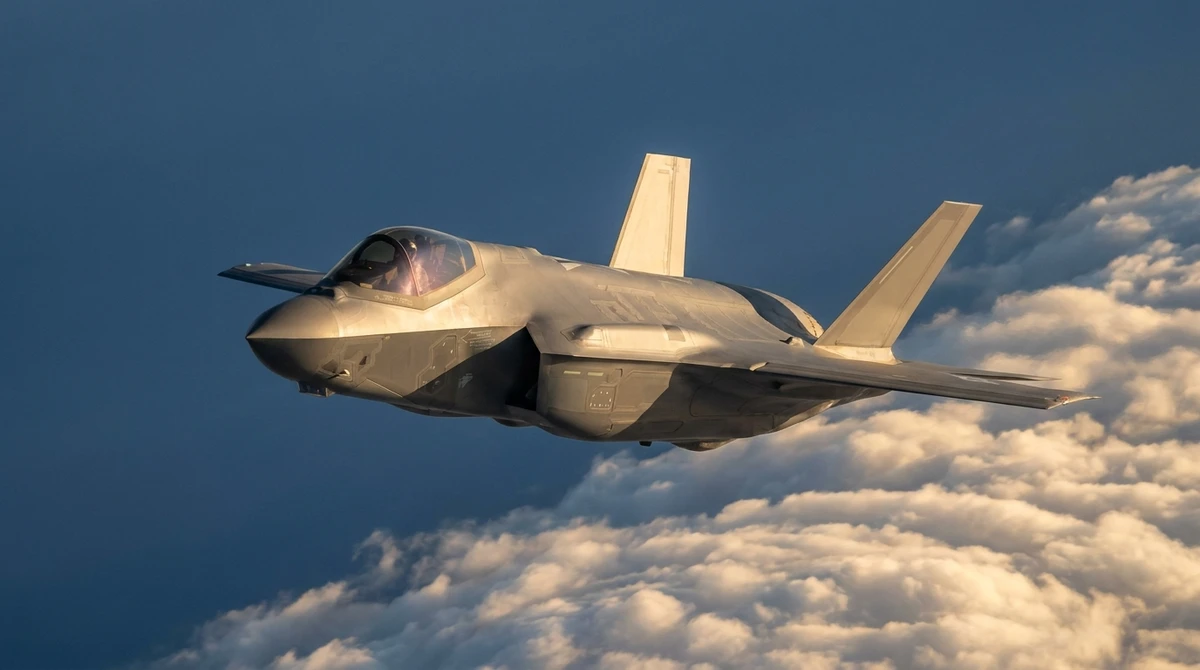
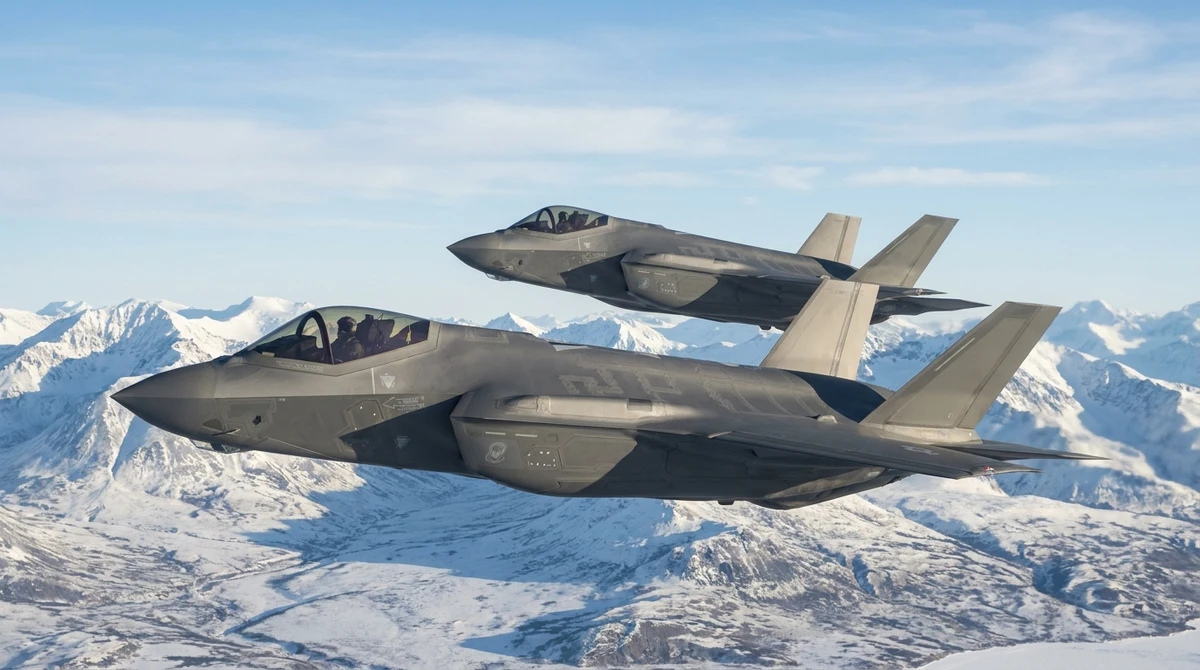
2,402 F-35s on Order Against 1,041 in Service, GlobalMilitary.net Data Shows

Twenty countries have 2,402 F-35 Lightning IIs on order against 1,041 already delivered to 13 operators, an order book more than ten times the size of the next-largest fighter program.

๐Ÿ‡จ๐Ÿ‡ฆ ๐Ÿ‡จ๐Ÿ‡ญ ๐Ÿ‡จ๐Ÿ‡ฟ ๐Ÿ‡ฉ๐Ÿ‡ช ๐Ÿ‡ซ๐Ÿ‡ฎ ๐Ÿ‡ฎ๐Ÿ‡น ๐Ÿ‡ฏ๐Ÿ‡ต ๐Ÿ‡ท๐Ÿ‡ด ๐Ÿ‡บ๐Ÿ‡ธ
Illustration
JUL 10, 2026

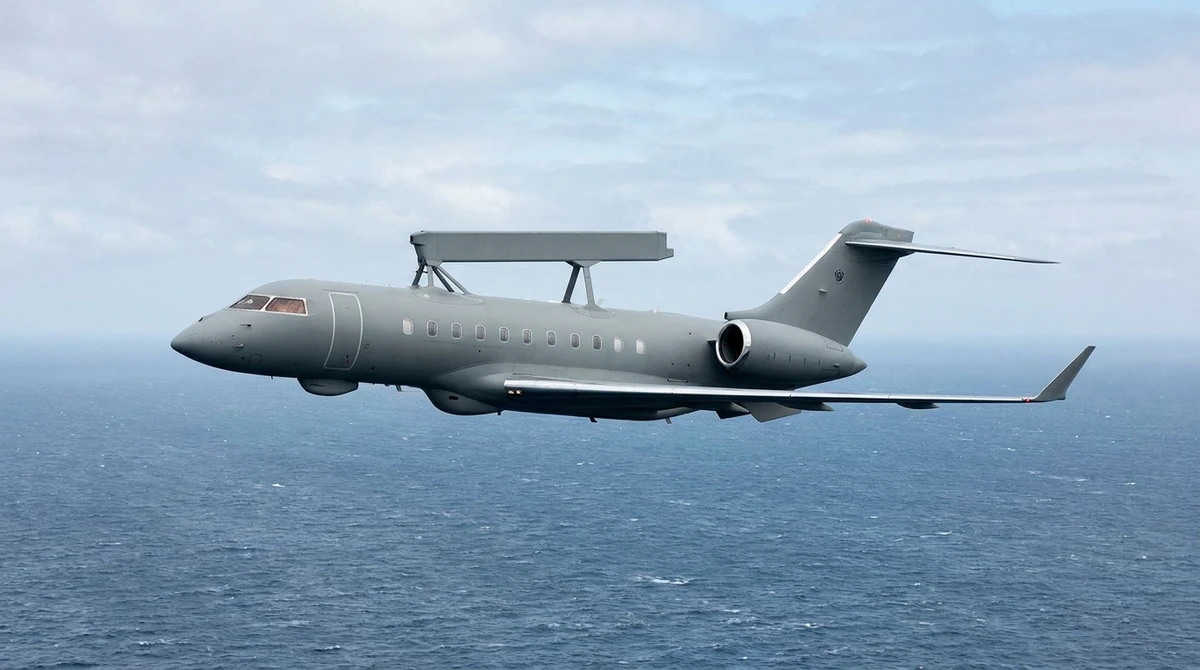
NATO Selects Saab GlobalEye to Replace Aging E-3 AWACS Fleet

Eleven NATO allies announced on July 7, 2026, the joint procurement of up to 10 Saab GlobalEye aircraft to succeed the alliance's Boeing E-3 Sentry AWACS fleet, months after Boeing's E-7 Wedgetail was dropped as NATO's presumptive successor.

๐Ÿ‡ง๐Ÿ‡ช ๐Ÿ‡จ๐Ÿ‡ฆ ๐Ÿ‡ฉ๐Ÿ‡ช ๐Ÿ‡ฉ๐Ÿ‡ฐ ๐Ÿ‡ฑ๐Ÿ‡น ๐Ÿ‡ฑ๐Ÿ‡บ ๐Ÿ‡ฑ๐Ÿ‡ป ๐Ÿ‡ณ๐Ÿ‡ฑ ๐Ÿ‡ณ๐Ÿ‡ด ๐Ÿ‡ท๐Ÿ‡ด ๐Ÿ‡ธ๐Ÿ‡ช

Frequently Asked Questions

How large is Canada's military?
Canada has 67,400 active military personnel with an additional 29,100 in reserve. This includes army, navy, and air force service members.
What is Canada's defense budget?
Canada's annual defense budget is approximately $44.9 billion. This covers personnel costs, equipment procurement, operations, and maintenance of military forces.
How does Canada rank militarily in the world?
Canada ranks #23 globally on the Global Military Index with a score of 49.5 out of 100. This composite index measures military capability across manpower, ground forces, naval power, air power, nuclear deterrent, and defense budget, adjusted for equipment quality and readiness.
Does Canada have nuclear weapons?
No, Canada does not possess nuclear weapons and is a non-nuclear weapon state.
How many aircraft does Canada's air force have?
Canada operates 355 military aircraft including 92 combat aircraft. The fleet includes fighters, transport planes, helicopters, and training aircraft.
How large is Canada's navy?
Canada's navy operates 33 vessels including 4 submarines. The fleet includes surface combatants, support ships, and coastal patrol craft.
How many tanks does Canada have?
Canada operates approximately 74 main battle tanks. This figure includes both active inventory and reserve stocks available for mobilization.
What percentage of GDP does Canada spend on defense?
Canada spends approximately 2.0% of its GDP on defense. This meets the NATO target of 2% of GDP.
What is Canada's military personnel per capita?
Canada has approximately 1.6 active military personnel per 1,000 citizens. This ratio reflects the country's military manpower relative to its population of 41,288,599.
Does Canada have submarines?
Yes, Canada operates 4 submarines. The submarine fleet may include nuclear-powered attack submarines, ballistic missile submarines, and conventional diesel-electric boats depending on the country's naval doctrine.
Population, GDP, Inflation and Personnel: World Bank.
Military Expenditure: CIA World Factbook. Suggest a change