GlobalMilitary.net Open-source military intelligence Updated daily
Asia ยท Islamabad

Pakistan Military Forces

Open-source order of battle for 2026: 660,000 active troops, 1,506 aircraft, 117 warships, 9,457 ground vehicles, 170 nuclear warheads.

World rank #15 Military index 54.3/100
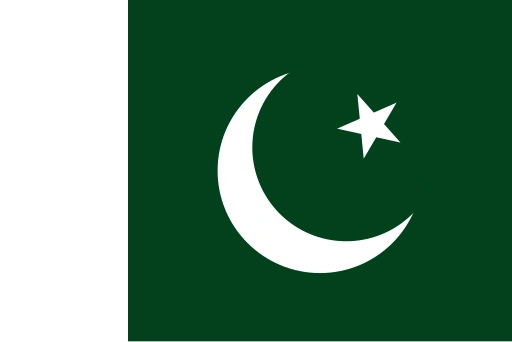
Map of Pakistan Flag of Pakistan
Active troops
660K
Reserve troops
550K
Defense budget
$9.3B2024
Share of GDP
2.5%
Population
251.3M2024

Armed Forces in 2026

Domain Strength Composition
Pakistan Air Force 1,506 aircraft 469 combat 355 helicopters 36 air bases +124 on order
Pakistan Navy 117 warships 15 major combatants 6 submarines 5 naval bases
Ground Forces 9,457 vehicles 2,627 main battle tanks
Nuclear Forces 170 warheads Air, Land Active
Personnel 660,000 active 550,000 reserve 291,000 paramilitary

ARMS Index (Aggregate Rating of Military Strength)

Full ranking โ†’
Score & Pillar Breakdown World #15
54.3/ 100
Pakistan ranks #15 of 175 in the ARMS Index (Aggregate Rating of Military Strength) with a score of 54.3/100. The ARMS Index scores Pakistan's overall capability on a 0โ€“100 scale from verifiable data across six pillars: manpower, ground forces, naval power, air power, nuclear deterrent and defense budget, with a readiness modifier derived from budget per soldier.
Pillar Weight Score Basis
Manpower 15% 88.5 Active, reserve & paramilitary personnel
Ground forces 20% 74.7 Tanks, armor & artillery weighted by type
Naval power 20% 50.8 Weighted by hull type: carrier tiers, nuclear vs conventional submarines
Air power 25% 68.6 Weighted by aircraft type and fleet age
Nuclear deterrent 10% 39.5 Warhead count with delivery-mode modifiers
Defense budget 10% 62.5 Annual spending, purchasing-power adjusted
Readiness modifier ×0.93 Budget per soldier: proxy for training, maintenance & technology

Country File

Defense Statistics & Key Metrics
Population251.3M (2024)
GDP$371.6 billion (2024)
GDP per capita$1,479
Military budget$9.3B (2024)
Share of GDP2.5% (2024)
Military spending per capita$37 (2024)
Inflation rate12.63% (2024)
Military Budget History
2020 โ€” $12B, 4.00% of GDP $12B 2020 2021 โ€” $14B, 4.00% of GDP $14B 2021 2022 โ€” $15B, 4.00% of GDP $15B 2022 2023 โ€” $10B, 3.00% of GDP $10B 2023 2024 โ€” $9.3B, 2.50% of GDP $9.3B 2024
Budget (US$) Share of GDP (0-5%)
Share of GDP (line): CIA World Factbook (public domain). Budget in US$ (bars): that share applied to World Bank GDP (CC BY 4.0). Estimates.
Geography
CapitalIslamabad
RegionAsia
Land area856,690 kmยฒ
Coastline1,046 km
Land borders7,545 km
Bordering countries4
CurrencyPKR
National Flag Adopted 1947
Flag of Pakistan
Aspect ratio2:3
ColorsGreen, white
Compare this Country
๐Ÿ‡ต๐Ÿ‡ฐ Pakistan vs

Strategic Overview in 2026

Strategic Position

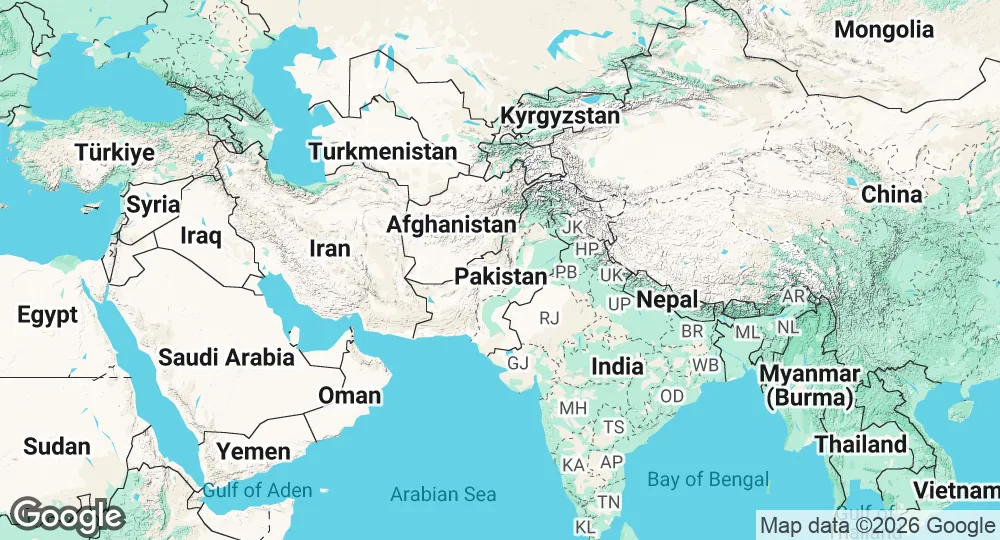
Pakistan occupies a position between South Asia, Central Asia, and the Middle East, bordering India, Afghanistan, Iran, and China. The primary security concern remains the long-standing territorial dispute with India over the Kashmir region, which has resulted in multiple conventional conflicts and persistent localized skirmishes along the Line of Control (LoC). To the west, the border with Afghanistan presents challenges related to cross-border militancy and the management of tribal territories.

Pakistan is a member of the Shanghai Cooperation Organisation (SCO) and maintains a designation as a Major Non-NATO Ally (MNNA) of the United States. Defense cooperation is most concentrated with China, characterized by the China-Pakistan Economic Corridor (CPEC) and extensive joint military development programs. Bilateral defense ties also exist with Turkey, focusing on naval and aerospace procurement.

The national defense doctrine is centered on "Full Spectrum Deterrence," designed to counter conventional and unconventional threats from India. This doctrine integrates nuclear capabilities with conventional forces to deter a wide range of potential aggressions. Strategic priorities include the hardening of the western border through fencing and the expansion of maritime presence in the North Arabian Sea to protect trade routes and CPEC infrastructure.

Military Forces

The Pakistan Armed Forces are organized into three primary branches: the Army, Navy, and Air Force, overseen by the Joint Chiefs of Staff Committee (JCSC). The Strategic Plans Division (SPD) manages the nuclear arsenal.

  • Personnel: Active-duty personnel number approximately 650,000, supported by roughly 550,000 reserve personnel. Paramilitary forces, including the Pakistan Rangers and the Frontier Corps, exceed 300,000 personnel.
  • Pakistan Army: The army is the largest branch and is organized into nine corps. It operates VT-4, Al-Khalid I/II, T-80UD, and Type 85P main battle tanks. Artillery assets include SH-15 self-propelled howitzers and A-100 multiple rocket launch systems (MLRS). Aviation units operate AH-1F/S Cobra and Z-10ME attack helicopters.
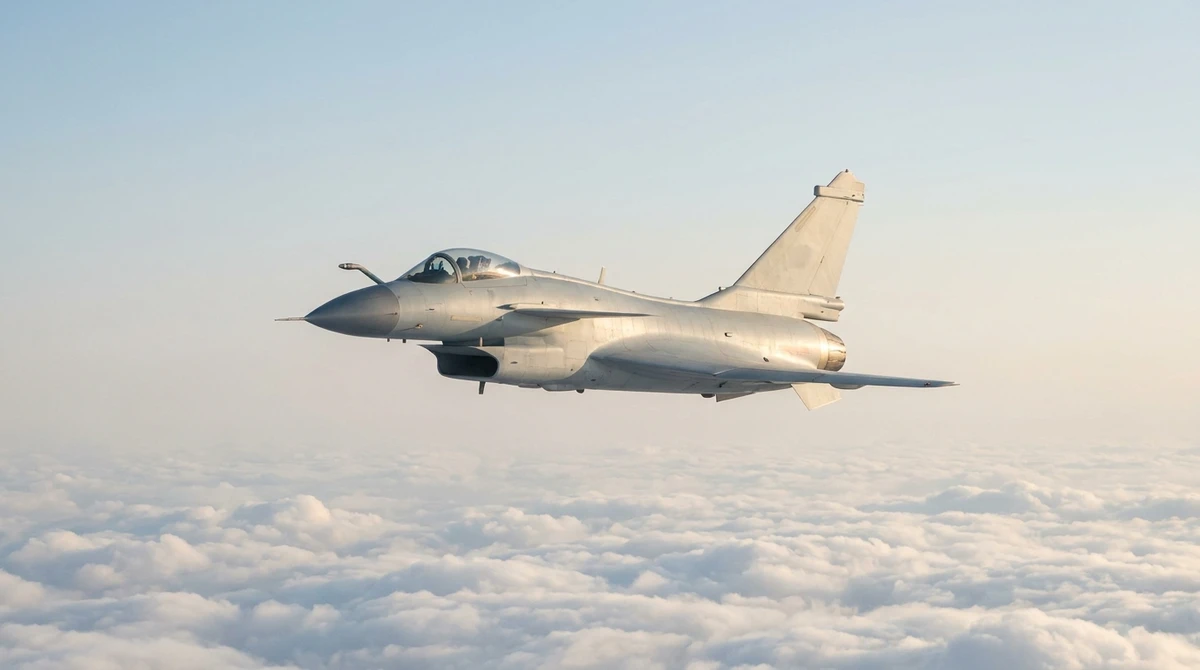
  • Pakistan Air Force (PAF): The PAF focuses on air superiority and maritime strike capabilities. It operates J-10CE, JF-17 Thunder (Block I, II, and III), and F-16 A/B/C/D Fighting Falcon multirole fighters. Airborne Early Warning and Control (AEW&C) is provided by Erieye and ZDK-03 Karakoram Eagle platforms.
  • Pakistan Navy: The navy operates a fleet of Tughril-class (Type 054A/P) frigates, Babur-class (MILGEM) corvettes, and Azmat-class missile boats. The submarine force includes Agosta 90B vessels equipped with Air-Independent Propulsion (AIP). Naval aviation utilizes Sea King helicopters and P-3C Orion maritime patrol aircraft.
  • Specialized Capabilities: The Special Service Group (SSG) conducts unconventional warfare and counter-terrorism operations. Nuclear delivery systems include the Shaheen and Ghauri series of ballistic missiles and the Babur family of cruise missiles. Cyber warfare capabilities are integrated through the National Center for Cyber Security (NCCS) and dedicated military signals intelligence units.

Defense Industry

The domestic defense industry is concentrated under state-owned enterprises that fulfill a majority of conventional requirements while engaging in co-production for advanced systems.

  • Major Manufacturers: Pakistan Aeronautical Complex (PAC) assembles the JF-17 fighter and manufactures the Super Mushshak trainer aircraft. Heavy Industries Taxila (HIT) produces armored fighting vehicles, including the Al-Khalid and Al-Zarrar tanks. Pakistan Ordnance Factories (POF) supplies small arms, ammunition, and explosives.
  • Naval Construction: Karachi Shipyard & Engineering Works (KSEW) builds frigates, corvettes, and fleet tankers, often in collaboration with Chinese or Turkish partners.
  • Self-Sufficiency: Pakistan has achieved self-sufficiency in small arms, light armored vehicles, and basic munitions. Reliance on foreign technology persists for high-end aerospace components, advanced sensors, and propulsion systems, primarily sourced from China.
  • Exports: Defense exports include the JF-17 fighter, Mushshak trainers, and various electronic warfare suites, with customers in Africa, Southeast Asia, and the Middle East.

Strategic Trends

The current modernization trajectory prioritizes the integration of unmanned systems and the expansion of the submarine fleet.

  • Procurement Priorities: The Pakistan Navy is currently inducting Hangor-class (Type 039B) submarines, with several units being built locally at KSEW. The Air Force is transitioning to a more modernized fleet by phasing out older Mirage and F-7 aircraft in favor of JF-17 Block III and J-10CE platforms.
  • Unmanned Systems: There is an increased focus on Unmanned Combat Aerial Vehicles (UCAVs), including the induction of the Shahpar-II, Bayraktar TB2, and Akinci systems for surveillance and precision strike roles.
  • Budget: Defense spending for 2025 remains approximately 2.5% of GDP, though actual figures are often impacted by inflation and external debt obligations.
  • Doctrinal Shifts: The military is increasing its emphasis on "network-centric warfare" and electronic countermeasures. Force structure is evolving to include more modular, rapid-deployment units intended for both internal security operations and high-intensity conventional conflict.
Population, GDP, Inflation and Personnel: World Bank.
Military Expenditure: CIA World Factbook. Last updated on 4 August 2026. Suggest a change

Pakistani Defense Manufacturing

Designed in Pakistan
Military Vehicles 1 model
Al Khalid Medium Main Battle Tank
Missile Systems 5 systems
Shaheen II BallisticGhauri BallisticGhaznavi BallisticAbdali I BallisticBabur Cruise

In the News

All news โ†’
Turkey, Saudi Arabia and Pakistan Sign Mecca Joint Deterrence Agreement
AUG 10, 2026

Turkey, Saudi Arabia and Pakistan Sign Mecca Joint Deterrence Agreement

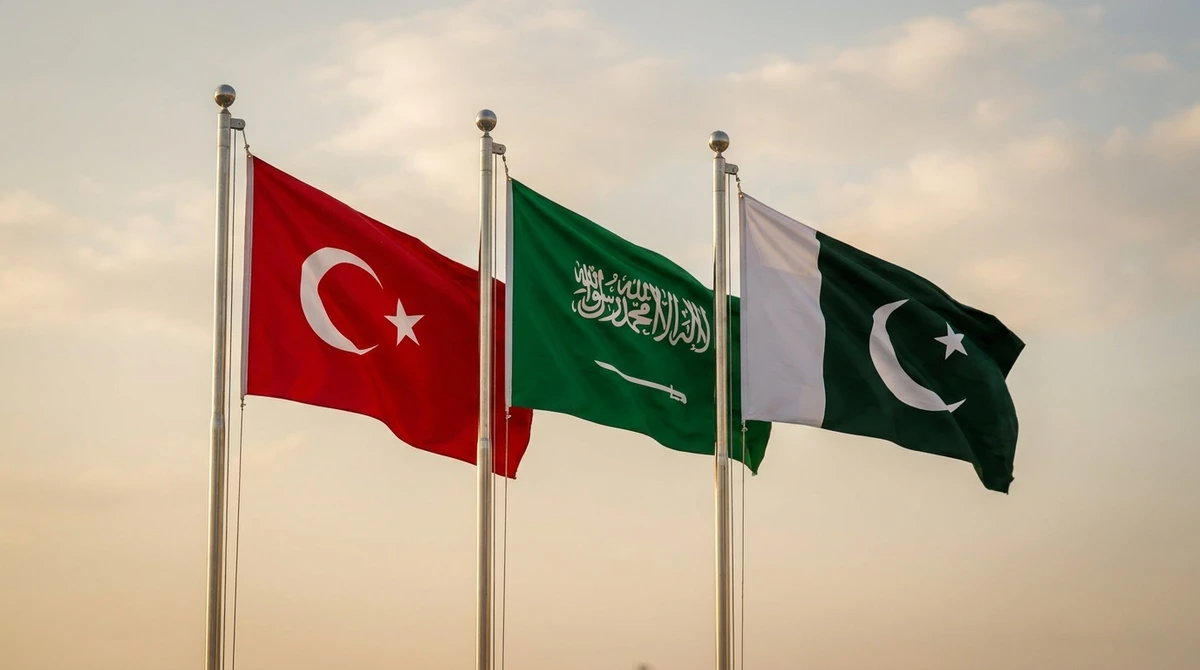
Signed in Mecca on 7 August 2026 by Erdogan, Mohammed bin Salman and Shehbaz Sharif, the pact treats an armed attack on any one of the three states as an attack on all. Together they field 3,350 military aircraft and 1.27 million active troops.

๐Ÿ‡ต๐Ÿ‡ฐ ๐Ÿ‡ธ๐Ÿ‡ฆ ๐Ÿ‡น๐Ÿ‡ท
2,621 F-16s Still Fly With 27 Air Forces, GlobalMilitary.net Data Shows
AUG 4, 2026

2,621 F-16s Still Fly With 27 Air Forces, GlobalMilitary.net Data Shows

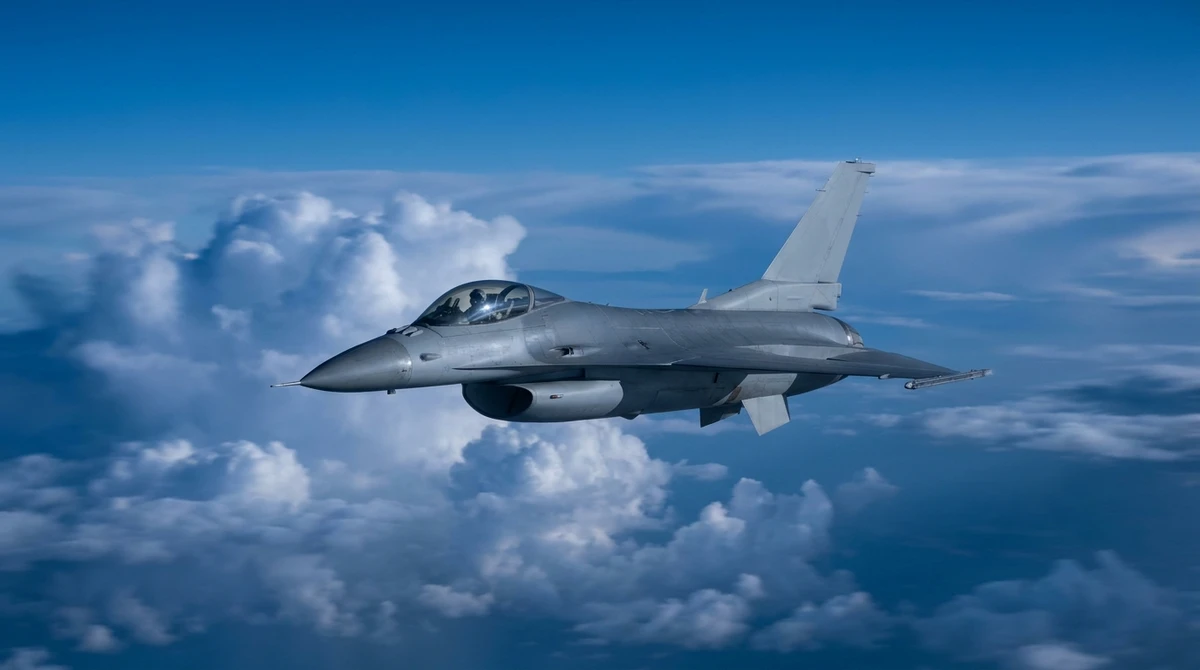
Forty-seven years after entering service, the F-16 remains the most numerous combat aircraft in the world outside China and Russia, with 2,621 airframes active across 27 air forces in GlobalMilitary.net's 2026 inventory data.

๐Ÿ‡ช๐Ÿ‡ฌ ๐Ÿ‡ฌ๐Ÿ‡ท ๐Ÿ‡ฎ๐Ÿ‡ฑ ๐Ÿ‡ฐ๐Ÿ‡ท ๐Ÿ‡ต๐Ÿ‡ฐ ๐Ÿ‡น๐Ÿ‡ท ๐Ÿ‡น๐Ÿ‡ผ ๐Ÿ‡บ๐Ÿ‡ฆ ๐Ÿ‡บ๐Ÿ‡ธ

Frequently Asked Questions

How large is Pakistan's military?
Pakistan has 660,000 active military personnel with an additional 550,000 in reserve. This includes army, navy, and air force service members.
What is Pakistan's defense budget?
Pakistan's annual defense budget is approximately $9.3 billion. This covers personnel costs, equipment procurement, operations, and maintenance of military forces.
How does Pakistan rank militarily in the world?
Pakistan ranks #15 globally on the ARMS Index with a score of 54.3 out of 100. This composite index measures military capability across manpower, ground forces, naval power, air power, nuclear deterrent, and defense budget, adjusted for equipment quality and readiness.
Does Pakistan have nuclear weapons?
Yes, Pakistan is a nuclear-armed state with approximately 170 nuclear warheads.
How many aircraft does Pakistan's air force have?
Pakistan operates 1,506 military aircraft including 469 combat aircraft. The fleet includes fighters, transport planes, helicopters, and training aircraft.
How large is Pakistan's navy?
Pakistan's navy operates 117 vessels including 6 submarines. The fleet includes surface combatants, support ships, and coastal patrol craft.
How many tanks does Pakistan have?
Pakistan operates approximately 2,627 main battle tanks. This figure includes both active inventory and reserve stocks available for mobilization.
What percentage of GDP does Pakistan spend on defense?
Pakistan spends approximately 2.5% of its GDP on defense. This meets the NATO target of 2% of GDP.
What is Pakistan's military personnel per capita?
Pakistan has approximately 2.6 active military personnel per 1,000 citizens. This ratio reflects the country's military manpower relative to its population of 251,269,164.
Does Pakistan have submarines?
Yes, Pakistan operates 6 submarines. The submarine fleet may include nuclear-powered attack submarines, ballistic missile submarines, and conventional diesel-electric boats depending on the country's naval doctrine.
Does Pakistan have paramilitary forces?
Yes, Pakistan maintains 291,000 paramilitary personnel. These forces typically include gendarmerie, border guards, coast guard, and internal security troops that supplement regular military capabilities.
Latest Data Updates
  1. AUG 42026 Updated Global Military Index updated in a site-wide editorial pass
  2. AUG 32026 Updated Global Military Index updated
  3. JUL 242026 Updated Global Military Index updated
  4. JUL 162026 Updated Global Military Index updated in a site-wide editorial pass
  5. JUN 162026 Updated Yearly statistics, military spending and 2 more fields updated
  6. APR 182026 Updated Description updated
  7. JAN 232026 Updated Rank insignia updated (2 entries)