Strategic Position
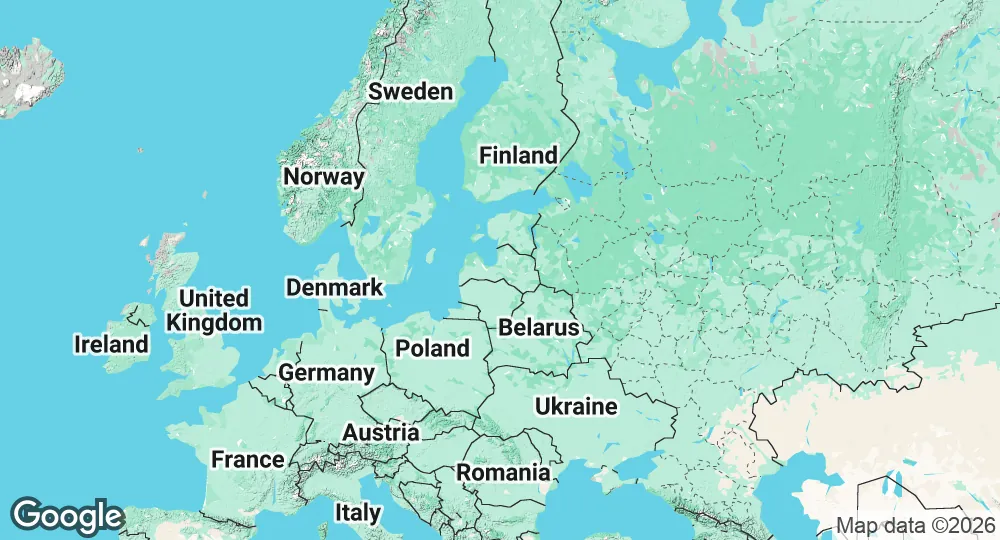
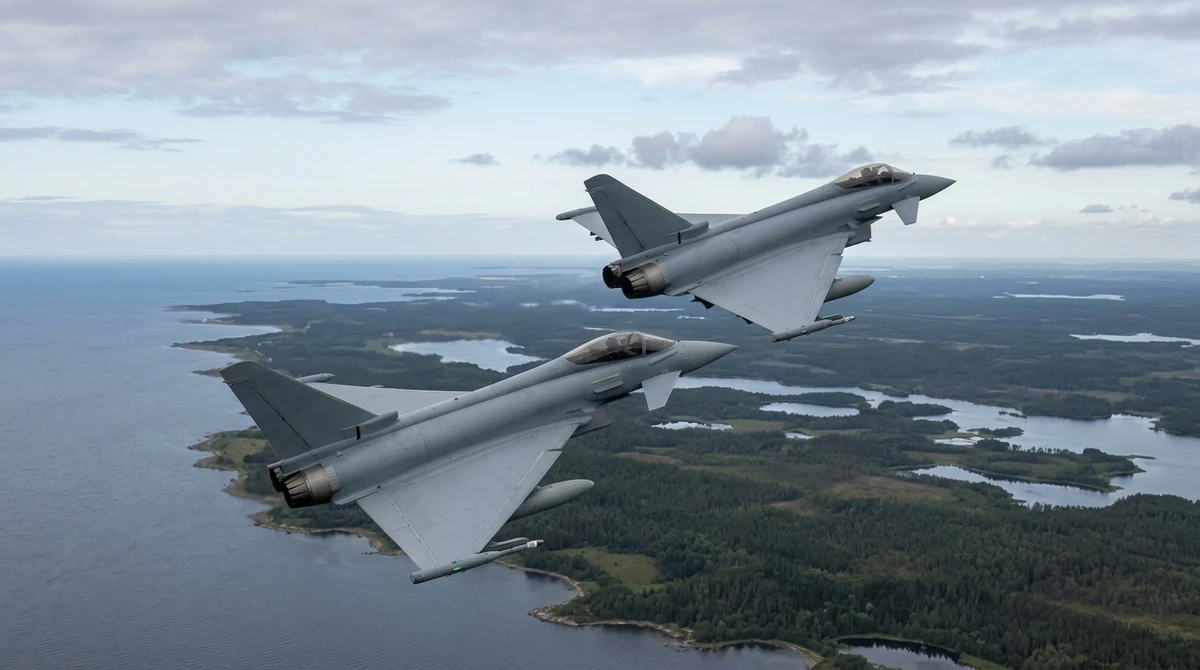
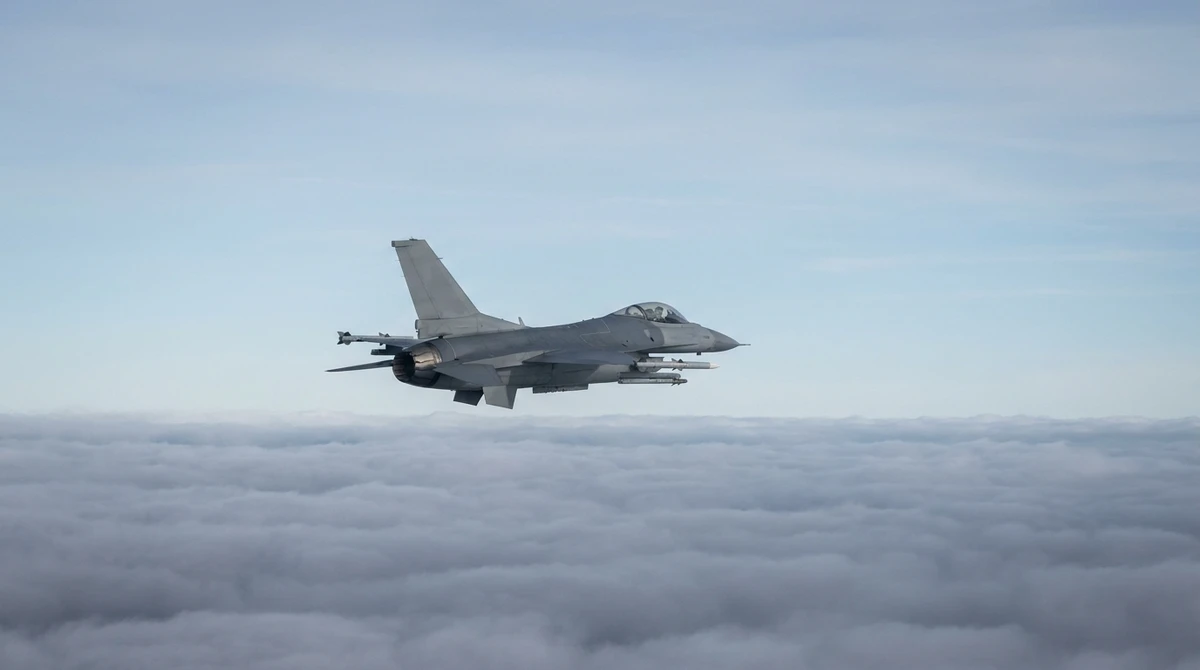
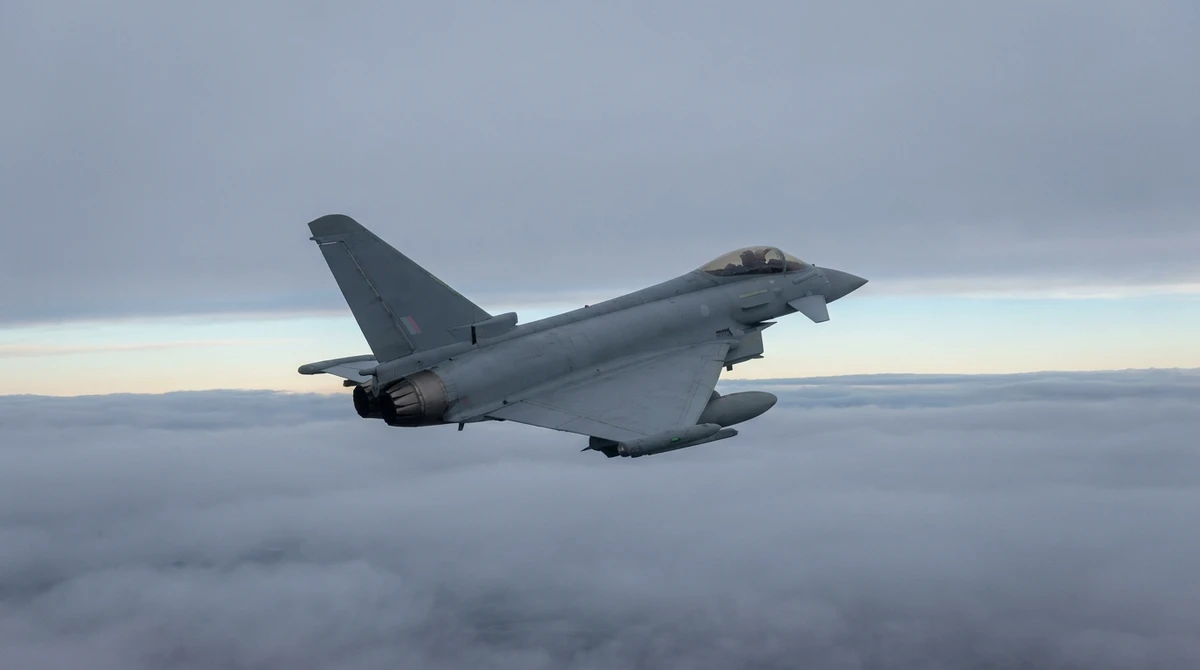
Latvia is situated on the eastern flank of NATO and the European Union, sharing land borders with the Russian Federation and Belarus. Security policy is defined by the State Defence Concept, which prioritizes "comprehensive national defense"—a strategy integrating military capabilities with civil society resilience and government readiness. The state has been a member of NATO since 2004 and participates in the Baltic Air Policing mission.
Latvia hosts the NATO Multinational Brigade Latvia at the Ādaži base, a Canadian-led formation that expanded from a battlegroup to a brigade-sized unit in 2025. Regional security cooperation is maintained through the Baltic Defence College and joint procurement programs with Estonia and Lithuania. This cooperation includes the development of the "Baltic Defence Line," a series of fortified structures and obstacles along the eastern frontier intended to deter conventional military incursions.
Military Forces
The National Armed Forces (NAF) are organized into four main branches: Land Forces, Air Force, Naval Forces, and the National Guard (Zemessardze). Personnel levels are currently in a growth phase following the reintroduction of the State Defence Service (conscription). As of 2025, the professional force stands at approximately 8,000 personnel, supported by 10,000 members of the National Guard. The peacetime structure is intended to reach 31,000 personnel by 2030, with a total wartime mobilization target of 61,000.
Land Forces: The primary maneuver element is the Mechanized Infantry Brigade. Equipment includes CVR(T) armored vehicles, which are being replaced by ASCOD infantry fighting vehicles with deliveries starting in 2026. The force operates Patria 6x6 armored personnel carriers and Panzerhaubitze 2000 self-propelled howitzers. Deliveries of Archer self-propelled artillery systems are scheduled for 2026, while the M142 HIMARS rocket artillery system is slated for induction starting in 2027. Anti-tank capability is based on the Spike missile system.
Air Force: Capabilities are centered on airspace surveillance and search and rescue. The fleet operates UH-60M Black Hawk helicopters and An-2 transport aircraft. Latvia does not maintain a domestic fighter fleet, relying on NATO allies for air superiority. Air defense is transitioning to a multi-layered system; current short-range capabilities rely on the RBS 70 system, while deliveries of the IRIS-T SLM medium-range system are scheduled to begin in 2026.
Naval Forces: Operations focus on mine countermeasures and coastal patrol. The fleet includes Tripartite-class minehunters and Skrunda-class patrol vessels. Coastal defense will be augmented by Naval Strike Missiles (NSM) starting in 2027.
Defense Industry
Latvia’s defense industry is managed under the framework of the State Defence Corporation, established to facilitate domestic production and supply chain security. Local industrial activity includes the assembly of Patria 6x6 armored vehicles at a facility in Valmiera. In early 2026, construction began on an ammunition factory in Iecava dedicated to producing 155mm modular powder charges, with operations expected to commence by the end of the year. Latvia also leads the international "Coalition of Drones," focusing on the domestic development and export of unmanned aerial systems (UAVs).
Strategic Trends
The defense budget reached 4.91% of GDP in 2026, totaling approximately 2.16 billion EUR. This funding includes a fixed annual allocation of 0.25% of GDP for military assistance to Ukraine. Procurement priorities focus on "layered defense," emphasizing medium-range air defense, long-range artillery, and coastal missile systems.
Infrastructure development is centered on the Selonia Military Training Area, with the first phase of construction completed in 2025. This facility is designed to support large-scale exercises for both the NAF and allied NATO forces. The force structure is shifting toward a larger reserve-based model through the State Defence Service, which intends to train up to 4,000 conscripts annually by 2028. This expansion aims to address personnel shortfalls and increase the readiness of the high-readiness reserve.