
Islamic Republic of Iran Air Force
The Islamic Republic of Iran Air Force operates 666 military aircraft in 2026 — 255 combat aircraft (fighter and attack jets), 168 helicopters, 94 transport aircraft, 23 drones, 120 trainers. It ranks #30 of 160 air forces worldwide.
This country is currently involved in the "2026 Iran Conflict". Follow aircraft and naval losses in real time on our dedicated tracker.
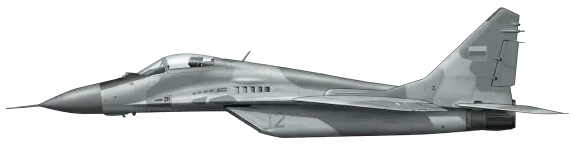
-
APR 72026
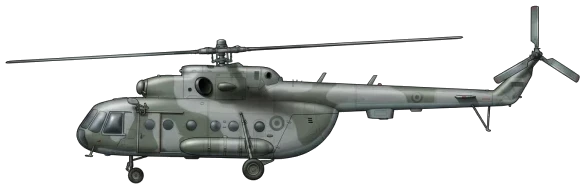 3× Mi-171
Destroyed
Three IRGC Mi-17V-5/Mi-171E helicopters destroyed at Fat'h Heliport in Karaj by Israeli Delilah cruise missile strike; satellite imagery later confirmed at least four airframes hit, one already non-operational.
3× Mi-171
Destroyed
Three IRGC Mi-17V-5/Mi-171E helicopters destroyed at Fat'h Heliport in Karaj by Israeli Delilah cruise missile strike; satellite imagery later confirmed at least four airframes hit, one already non-operational.
-
APR 62026
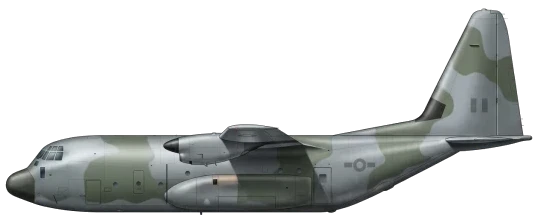 2× C-130E/H
Destroyed
Two C-130E/H transports of 11th Tactical Airlift Squadron destroyed at Mehrabad Airport by overnight Israeli airstrikes targeting three Tehran-area airports.
2× C-130E/H
Destroyed
Two C-130E/H transports of 11th Tactical Airlift Squadron destroyed at Mehrabad Airport by overnight Israeli airstrikes targeting three Tehran-area airports.
-
MAR 212026
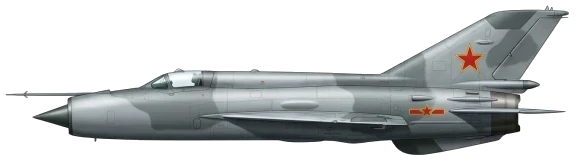 F-7
Destroyed
F-7 destroyed by US CENTCOM strike at Shahid Sadooghi Airport, Yazd.
F-7
Destroyed
F-7 destroyed by US CENTCOM strike at Shahid Sadooghi Airport, Yazd.
-
MAR 182026
Mi-171
Destroyed
Mi-17 helicopter destroyed on ground at Sanandaj Airport by Israeli airstrike; IDF released strike footage.
-
MAR 182026
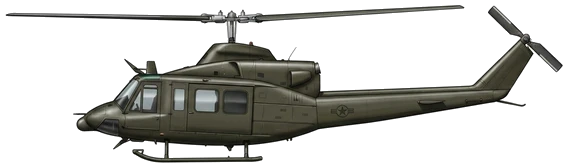 Bell 214
Destroyed
Bell 214 destroyed in Israeli airstrike at Sanandaj Airport, Hamadan province; no casualties reported.
Bell 214
Destroyed
Bell 214 destroyed in Israeli airstrike at Sanandaj Airport, Hamadan province; no casualties reported.
-
MAR 102026
C-130E/H
Destroyed
C-130H Hercules destroyed on ground at Kerman Airport by USAF precision strike during Operation Epic Fury; confirmed by CENTCOM video footage.
Full inventory in 2026
39 aircraft typesIslamic Republic of Iran Air Force
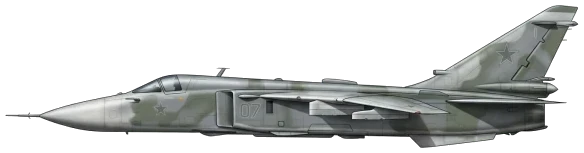
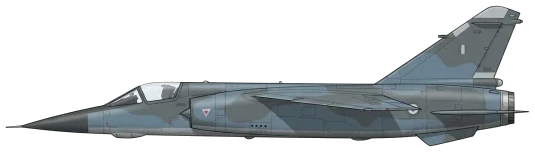
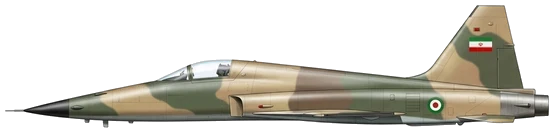
Islamic Republic of Iran Army
| Aircraft | Origin | Model year | Active | Δ YoY | Ordered | |
|---|---|---|---|---|---|---|
| Helicopter | ||||||
|
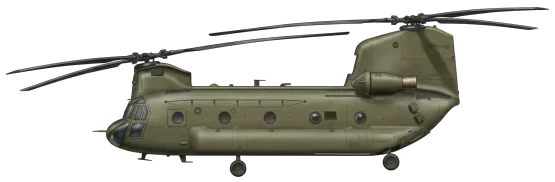
CH-47 Chinook | 🇺🇸 United States | 1962 | 38 | — | — |
|
|
Bell 214 | 🇺🇸 United States | 1972 | 24 | — | — |
|
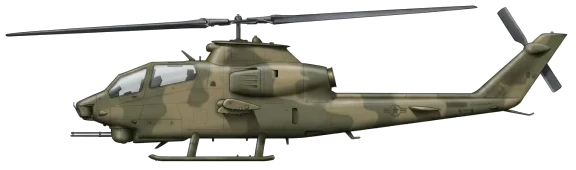
AH-1 Cobra | 🇺🇸 United States | 1967 | 19 | +6 | — |
|
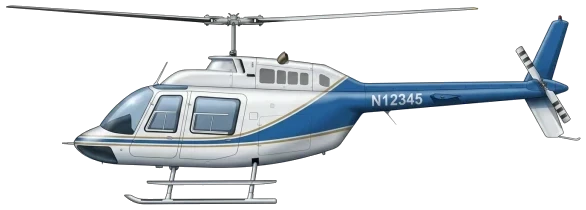
206 JetRanger | 🇺🇸 United States | 1967 | 3 | — | — |
|
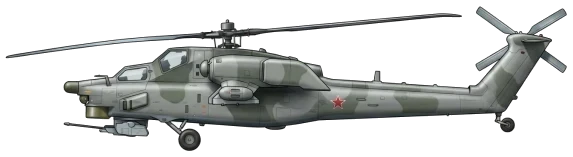
Mi-28 Havoc | 🇷🇺 Ex-USSR | 2006 | 1 | +1 | — |
| Transport | ||||||
|
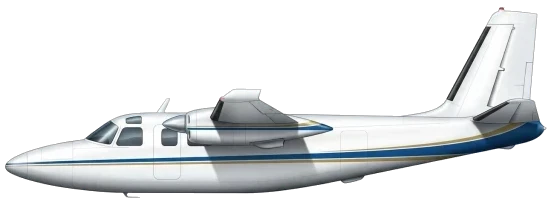
Commander 500 | 🇺🇸 United States | 1952 | 3 | — | — |
|
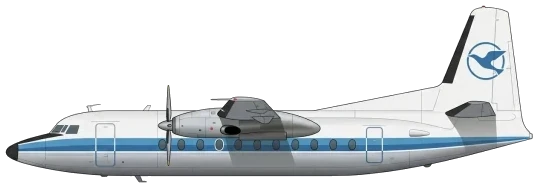
F27 Friendship | 🇳🇱 Netherlands | 1958 | 1 | — | — |
Islamic Republic of Iran Navy
| Aircraft | Origin | Model year | Active | Δ YoY | Ordered | |
|---|---|---|---|---|---|---|
| Helicopter | ||||||
|
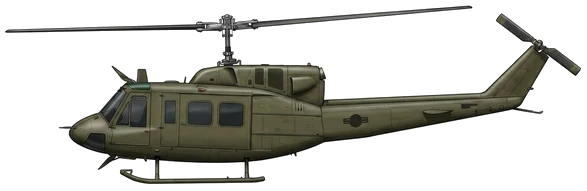
UH-1N Twin Huey | 🇺🇸 United States | 1970 | 21 | +13 | — |
|
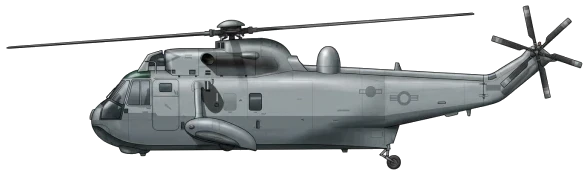
SH-3 Sea King | 🇺🇸 United States | 1961 | 8 | — | — |
|
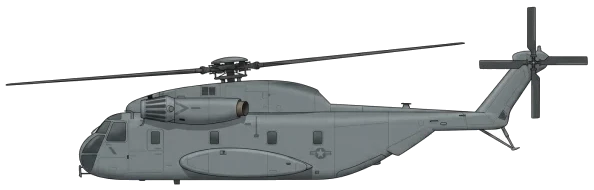
CH-53 Sea Stallion | 🇺🇸 United States | 1966 | 6 | — | — |
|
|
Mi-17 Hip-H | 🇷🇺 Ex-USSR | 1977 | 5 | — | — |
| Transport | ||||||
|
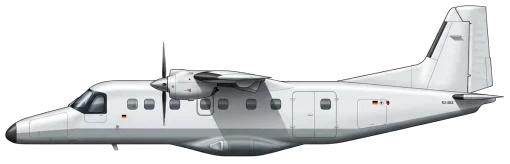
Do 228 | 🇩🇪 Germany | 1982 | 5 | +5 | — |
|
|
Commander 500 | 🇺🇸 United States | 1952 | 4 | +4 | — |
|
|
F27 Friendship | 🇳🇱 Netherlands | 1958 | 3 | — | — |
|
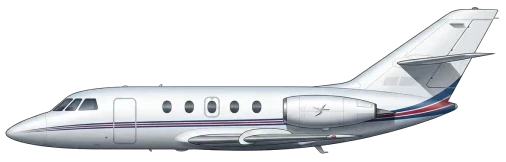
Falcon 20 | 🇫🇷 France | 1965 | 1 | — | — |
Islamic Revolutionary Guard
| Aircraft | Origin | Model year | Active | Δ YoY | Ordered | |
|---|---|---|---|---|---|---|
| Combat | ||||||
|
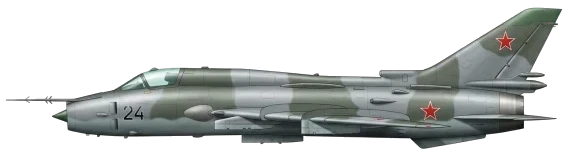
Su-17 Fitter | 🇷🇺 Ex-USSR | 1970 | 7 | -2 | — |
| Helicopter | ||||||
|
|
Mi-17 Hip-H | 🇷🇺 Ex-USSR | 1977 | 12 | -5 | — |
|
|
206 JetRanger | 🇺🇸 United States | 1967 | 5 | +5 | — |
| Transport | ||||||
|
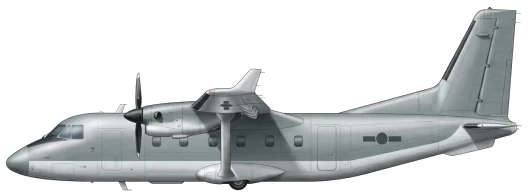
Y-12 | 🇨🇳 China | 1985 | 11 | -1 | — |
|
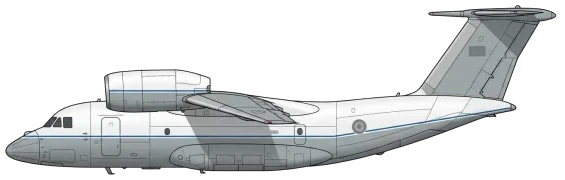
An-72/74 Coaler | 🇷🇺 Ex-USSR | 1985 | 5 | -2 | — |
|
|
Falcon 20 | 🇫🇷 France | 1965 | 1 | — | — |
|
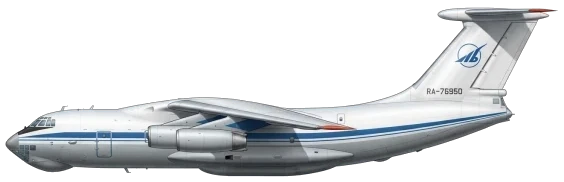
Il-76 Candid | 🇷🇺 Ex-USSR | 1974 | — | -3 | — |
| Training | ||||||
|
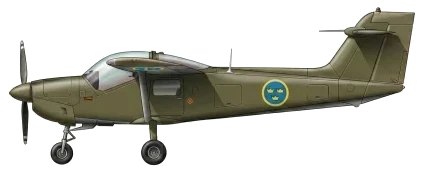
MFI-15 Safari | 🇸🇪 Sweden | 1972 | 25 | — | — |
|
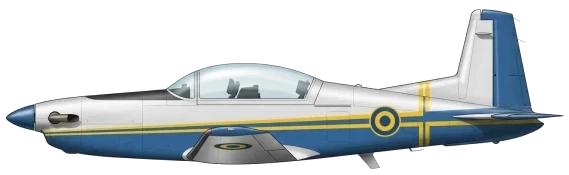
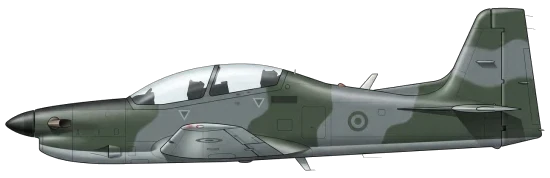
EMB 312 Tucano | 🇧🇷 Brazil | 1983 | 15 | — | — |
| UAV | ||||||
| Shahed 129 | 🇮🇷 Iran | 2013 | 23 | +23 | — | |
Overview
Iranian air power is divided between the Islamic Republic of Iran Air Force (IRIAF) and the Islamic Revolutionary Guard Corps Aerospace Force (IRGC-ASF), a split that separates conventional interception and strike aviation from the ballistic missile and one-way attack drone arsenal. The IRIAF is organized around numbered tactical air bases, among them Mehrabad in Tehran, Tabriz, Nojeh at Hamadan, Vahdati at Dezful, Bushehr, Shiraz, Isfahan and Bandar Abbas, each hosting one or more squadrons together with the overhaul depots that keep sanctioned airframes flying. Territorial air defense belongs to a third organization, the Khatam al-Anbiya Air Defense Base, which controls the radar network and the surface-to-air missile force.
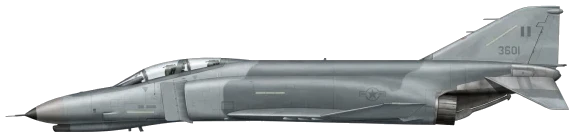
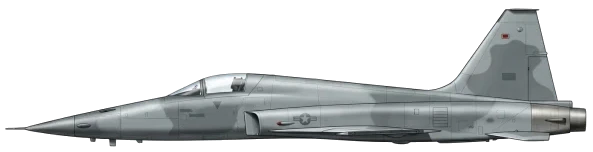
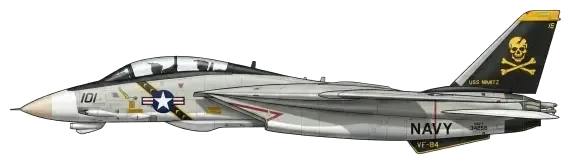
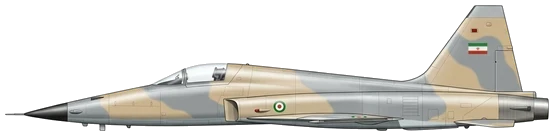
Doctrine was built around a fighter fleet that could not be renewed. Cut off from American spares after 1979 and restricted in its access to Russian and Chinese aircraft for most of the period since, Iran placed deterrence in the hands of the IRGC-ASF and its mass-produced ballistic missiles, cruise missiles and Shahed-series drones, leaving manned aviation a secondary role of airspace policing. The IRIAF sustained F-4D/E and RF-4E Phantoms, F-5E/F Tiger IIs, a dwindling F-14A force, MiG-29s, Su-24s and F-7s through domestic overhaul, reverse-engineered components and local derivatives of the F-5 airframe marketed as the Kowsar and the Saeqeh.
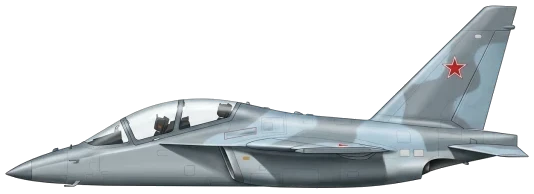
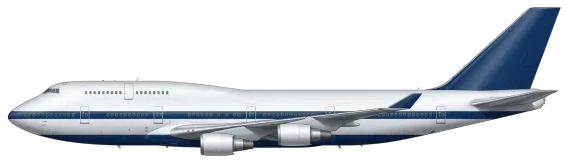
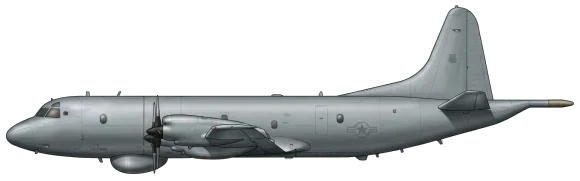
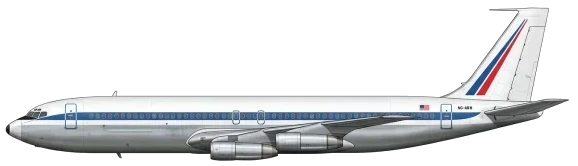
That posture was tested to destruction. Israeli strikes in June 2025 destroyed F-14s at Isfahan and Mehrabad, AH-1J helicopters at Kermanshah and a KC-707 tanker at Mashhad. A larger joint US-Israeli campaign opened in late February 2026 under the American designation Operation Epic Fury, and over the following six weeks Iranian aircraft were destroyed on the ground in successive waves: F-7 fighters at Isfahan, F-4s and F-5s caught on the runway at Tabriz, C-130s, Il-76s, An-74s, Boeing 707s and 747s and a P-3F maritime patrol aircraft at Mehrabad, Shiraz and Kerman, and Mi-17 and Bell 214 helicopters at Sanandaj and Karaj. The few contested air engagements ended the same way. Two Su-24s were shot down by Qatari F-15QAs minutes from Al Udeid on 2 March 2026, and an Israeli F-35I downed a Yak-130 over Tehran on 4 March in what was reported as the type's first air-to-air kill. Iranian aircraft losses across the conflict exceed ninety airframes, concentrated in the transport and tanker fleet, which has been effectively dismantled.
Operations have not stopped. A ceasefire agreed on 8 April 2026 was declared over by Washington in July, strikes resumed against coastal and air defense targets, and a further pause took effect in late July while Omani mediators pursued talks in Tehran on reopening the Strait of Hormuz. Through these phases the IRIAF has largely avoided contesting the air, dispersing surviving aircraft and leaving the response to the IRGC-ASF missile and drone force.
Reconstitution now depends almost entirely on Russia. A batch of MiG-29s was delivered and stationed at Shiraz as a stopgap, and the first Mi-28NE attack helicopter arrived in January 2026. The larger commitment is a contract for Su-35s, of which roughly twenty airframes had been completed in Russian plants by mid-2026 but were being held pending transfer, with reconstruction of damaged infrastructure at Nojeh reported as one of the constraints on delivery. Leaked documents describe a wider programme of up to 48 aircraft running to 2028. Whether those airframes arrive in quantity, and whether the bases and air defense network can be rebuilt to receive them, will determine whether the IRIAF remains a functioning air arm or is reduced to a training and transport organization behind the IRGC missile force.
- Jul 232026 Diplomatic Germany withdraws minehunters positioned for a Hormuz clearing mission · Gulf of Aden
- Jul 122026 Strike US sea drones strike Bandar Abbas submarine base in first combat use of armed USVs · Bandar Abbas, Iran
- Feb 282026 Strike US opening strikes destroy Iran's fleet at Bandar Abbas as Hormuz transits collapse · Bandar Abbas, Iran
Frequently Asked Questions
How many aircraft does Iran have?
How does Iran's air force rank globally?
How many combat aircraft does Iran operate?
How many military helicopters does Iran have?
What is the AIRS Index score of Iran?
Where does Iran get its military aircraft from?
- OCT 192026 Updated Logged 4 crashes from 2022
- OCT 62026 Updated Fleet counts revised (206 JetRanger, F27 Friendship, MiG-29 Fulcrum, UH-1N Twin Huey)
- OCT 62026 Updated Bell 214 loss of 18 March 2026 linked to its aircraft page
- OCT 62026 Updated Naval and army aviation fleet counts revised (Bell 214, F27 Friendship); added: Commander 500, Do 228, Falcon 20
- OCT 62026 Updated Added: Beechcraft Bonanza, Saeqeh
- OCT 52026 Updated Yazd F-7 loss of 21 March 2026 recorded as destroyed on the ground
- SEP 262026 Updated Corrected 1 fleet event against published evidence