GlobalMilitary.net Open-source military intelligence Updated daily
America ยท Brasilia

Brazil Military Forces

Open-source order of battle for 2026: 366,500 active troops, 515 aircraft, 66 warships, 2,419 ground vehicles.

World rank #21 Military index 50.0/100
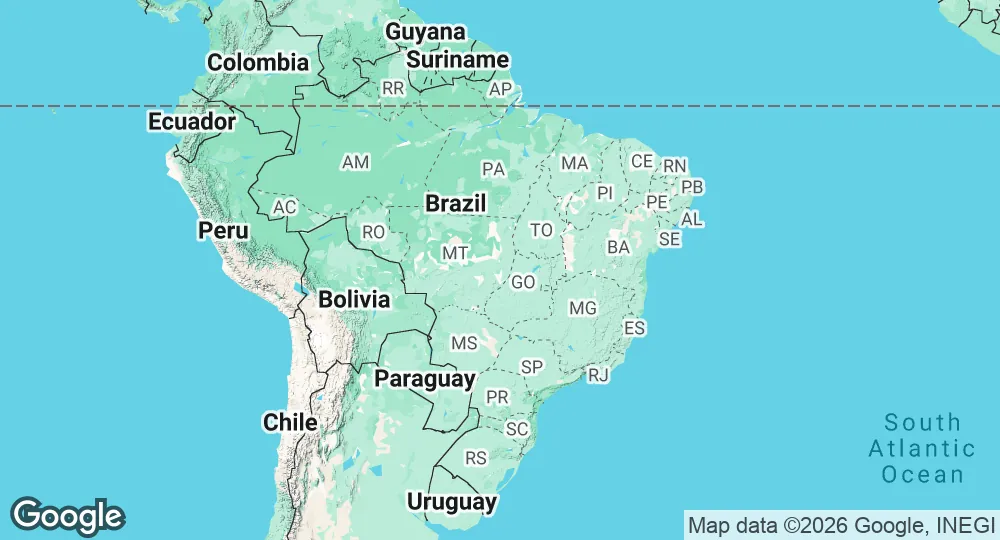
Map of Brazil Flag of Brazil
Active troops
366K
Reserve troops
1.3M
Defense budget
$24B2024
Share of GDP
1.1%
Population
212M2024

Armed Forces in 2026

Domain Strength Composition
Air Force 515 aircraft 124 combat 188 helicopters 20 air bases +97 on order
Brazilian Navy 66 warships 12 major combatants 5 submarines 2 naval bases
Ground Forces 2,419 vehicles 294 main battle tanks
Personnel 366,500 active 1,340,000 reserve 395,000 paramilitary

ARMS Index (Aggregate Rating of Military Strength)

Full ranking โ†’
Score & Pillar Breakdown World #21
50.0/ 100
Brazil ranks #21 of 175 in the ARMS Index (Aggregate Rating of Military Strength) with a score of 50.0/100. The ARMS Index scores Brazil's overall capability on a 0โ€“100 scale from verifiable data across six pillars: manpower, ground forces, naval power, air power, nuclear deterrent and defense budget, with a readiness modifier derived from budget per soldier.
Pillar Weight Score Basis
Manpower 15% 89.7 Active, reserve & paramilitary personnel
Ground forces 20% 56.2 Tanks, armor & artillery weighted by type
Naval power 20% 47.5 Weighted by hull type: carrier tiers, nuclear vs conventional submarines
Air power 25% 57.0 Weighted by aircraft type and fleet age
Nuclear deterrent 10% 0.0 No declared nuclear capability
Defense budget 10% 67.9 Annual spending, purchasing-power adjusted
Readiness modifier ×1.04 Budget per soldier: proxy for training, maintenance & technology

Country File

Defense Statistics & Key Metrics
Population212M (2024)
GDP$2.2 trillion (2024)
GDP per capita$10,311
Military budget$24B (2024)
Share of GDP1.1% (2024)
Military spending per capita$113 (2024)
Inflation rate4.37% (2024)
Military Budget History
2020 โ€” $21B, 1.40% of GDP $21B 2020 2021 โ€” $22B, 1.30% of GDP $22B 2021 2022 โ€” $23B, 1.20% of GDP $23B 2022 2023 โ€” $24B, 1.10% of GDP $24B 2023 2024 โ€” $24B, 1.10% of GDP $24B 2024
Budget (US$) Share of GDP (0-2%)
Share of GDP (line): CIA World Factbook (public domain). Budget in US$ (bars): that share applied to World Bank GDP (CC BY 4.0). Estimates.
Geography
CapitalBrasilia
RegionAmerica
Land area8,460,415 kmยฒ
Coastline7,491 km
Land borders14,691 km
Bordering countries10
CurrencyBRL
National Flag Adopted 1992
Flag of Brazil
Aspect ratio7:10
ColorsBlue, green, yellow, white
Compare this Country
๐Ÿ‡ง๐Ÿ‡ท Brazil vs

Strategic Overview in 2026

Strategic Position

Brazil's defense doctrine focuses on territorial integrity and the protection of its natural resources, specifically the Amazon rainforest and the "Blue Amazon," a maritime economic zone covering approximately 4.5 million square kilometers. Geopolitical priorities include the maintenance of regional stability in South America and the security of the South Atlantic through the Zone of Peace and Cooperation of the South Atlantic (ZOPACAS).

The country maintains a policy of multi-alignment, balancing relationships with major global powers. Brazil is a Major Non-NATO Ally (MNNA) of the United States, a status that facilitates defense cooperation and access to surplus military equipment. Simultaneously, as a founding member of BRICS, it engages in security dialogues with non-Western powers. Regionally, Brazil emphasizes cooperation through the South American Defense Council and manages long-standing border security concerns related to transnational organized crime and regional political instability.

Military Forces

The Brazilian Armed Forces are structured into three service branchesโ€”Army, Navy, and Air Forceโ€”coordinated by the Ministry of Defense and the Joint Staff of the Armed Forces (EMCFA). Active personnel number approximately 335,000, supported by over 1.3 million reservists and nearly 400,000 paramilitary personnel, primarily from the Military Police.

Brazilian Army (Exรฉrcito Brasileiro): The army maintains a large presence along the 16,880-kilometer land border. It operates a fleet of main battle tanks, primarily Leopard 1A5 and M60 models. Mechanized infantry units field the Guarani 6x6 armored personnel carrier and are incorporating the Centauro II 8x8 tank destroyer. Artillery capabilities include the ASTROS II multiple launch rocket system and M109 self-propelled howitzers. Specialized units include the Jungle Warfare Instruction Center (CIGS) and a dedicated Cyber Defense Command.

Brazilian Navy (Marinha do Brasil): The navy operates the LPH Atlรขntico as its flagship. The fleet includes Niteroi-class and Type 22 frigates, which are being supplemented by the new Tamandarรฉ-class frigates currently under construction. The submarine force operates the Riachuelo-class (Scorpรจne-based) vessels. A core strategic priority is the PROSUB program, aimed at developing a nuclear-powered attack submarine, the รlvaro Alberto, with completion projected for the mid-2030s.

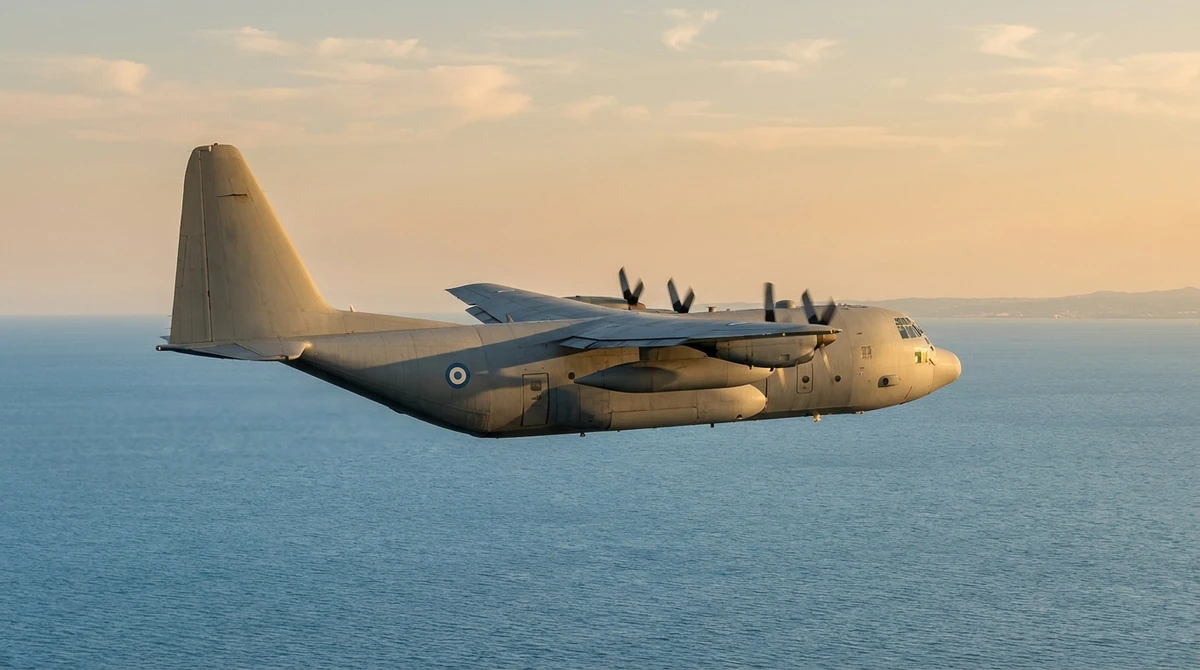
Brazilian Air Force (Forรงa Aรฉrea Brasileira): The air force is undergoing a modernization centered on the F-39 Gripen E/F multirole fighter, with aircraft arriving through 2025 and 2026 as part of a technology transfer agreement. It also operates the KC-390 Millennium for strategic transport and aerial refueling, alongside A-29 Super Tucano aircraft for counter-insurgency and light attack. Surveillance is managed through the Integrated Center for Air Defense and Air Traffic Control (CINDACTA) and the Amazon Surveillance System (SIVAM).

Defense Industry

The Brazilian defense industrial base is a major component of the national economy, consisting of over 230 companies. Under the "New Industry Brazil" initiative and Mission 6, the government aims for 55% domestic dominance in critical defense technologies by 2026.

  • Embraer: Produces the KC-390 and A-29 Super Tucano, and co-produces the F-39 Gripen with Saab.

  • Avibras: Manufactures the ASTROS II rocket system and is developing tactical cruise missiles.

  • IMBEL and Taurus: Supply small arms and ammunition for domestic use and international markets.

  • Itaguaรญ Construรงรตes Navais (ICN): A joint venture with France's Naval Group for the construction of conventional and nuclear submarines.

Brazil is a significant arms exporter, with sales of aerospace and armored systems to countries in the Middle East, Europe, and Asia.

Strategic Trends

The defense budget in 2025 is approximately 1.1% of GDP, with a proposed increase of 6% for the 2026 fiscal year to approximately $26.4 billion. A critical constraint is the high proportion of the budgetโ€”approximately 75%โ€”allocated to personnel and pensions, limiting funds for investment and operations.

Modernization is primarily funded through the New Growth Acceleration Program (Novo PAC), which earmarks funds for strategic projects through 2026. Priorities include:

  • SISFRON: An integrated border monitoring system utilizing sensors and satellite technology.

  • SisGAAz: A maritime surveillance system for the Blue Amazon.

  • Strategic Autonomy: A shift toward domestic production and technology transfer in satellite launch vehicles and hypersonic technology.

Current force structure shifts include the transition of infantry units from motorized to mechanized status and the expansion of the air forceโ€™s fighter and transport fleets. Challenges include fiscal caps and the need to decommission nearly 40% of the naval fleet by 2028 due to obsolescence.

Population, GDP, Inflation and Personnel: World Bank.
Military Expenditure: CIA World Factbook. Last updated on 12 August 2026. Suggest a change

Brazilian Defense Manufacturing

Designed in Brazil
Naval Shipbuilding 4 classes
Niterรณi FrigateInhaรบma CorvetteTamandarรฉ General-purpose frigateBarroso Corvette
Military Vehicles 5 models
EE-9 Cascavel 6x6 Reconnaissance VehicleAstros II Self-propelled multiple rocket launcherMB-3 Tamoyo Light Main Battle TankOsorio T-1 Medium Main Battle TankOsorio T-2 Medium Main Battle Tank
Firearms 1 model
Imbel MD-2 Assault rifle

In the News

All news โ†’

Frequently Asked Questions

How large is Brazil's military?
Brazil has 366,500 active military personnel with an additional 1,340,000 in reserve. This includes army, navy, and air force service members.
What is Brazil's defense budget?
Brazil's annual defense budget is approximately $24 billion. This covers personnel costs, equipment procurement, operations, and maintenance of military forces.
How does Brazil rank militarily in the world?
Brazil ranks #21 globally on the ARMS Index with a score of 50.0 out of 100. This composite index measures military capability across manpower, ground forces, naval power, air power, nuclear deterrent, and defense budget, adjusted for equipment quality and readiness.
Does Brazil have nuclear weapons?
No, Brazil does not possess nuclear weapons and is a non-nuclear weapon state.
How many aircraft does Brazil's air force have?
Brazil operates 515 military aircraft including 124 combat aircraft. The fleet includes fighters, transport planes, helicopters, and training aircraft.
How large is Brazil's navy?
Brazil's navy operates 66 vessels including 5 submarines. The fleet includes surface combatants, support ships, and coastal patrol craft.
How many tanks does Brazil have?
Brazil operates approximately 294 main battle tanks. This figure includes both active inventory and reserve stocks available for mobilization.
What percentage of GDP does Brazil spend on defense?
Brazil spends approximately 1.1% of its GDP on defense.
What is Brazil's military personnel per capita?
Brazil has approximately 1.7 active military personnel per 1,000 citizens. This ratio reflects the country's military manpower relative to its population of 211,998,573.
Does Brazil have submarines?
Yes, Brazil operates 5 submarines. The submarine fleet may include nuclear-powered attack submarines, ballistic missile submarines, and conventional diesel-electric boats depending on the country's naval doctrine.
Does Brazil have paramilitary forces?
Yes, Brazil maintains 395,000 paramilitary personnel. These forces typically include gendarmerie, border guards, coast guard, and internal security troops that supplement regular military capabilities.
Latest Data Updates
  1. AUG 122026 Updated Global Military Index updated
  2. AUG 42026 Updated Global Military Index updated in a site-wide editorial pass
  3. AUG 32026 Updated Global Military Index updated
  4. JUL 162026 Updated Global Military Index updated in a site-wide editorial pass
  5. JUN 162026 Updated Yearly statistics, military spending and 2 more fields updated
  6. JAN 232026 Updated Rank insignia updated (6 entries)
  7. JAN 212026 Updated Rank insignia updated (78 entries)