Russia Military Forces

Military Strength Overview

๐Ÿ›ฉ๏ธ Air Force 4,300 active aircraft
๐Ÿ›ก๏ธ Ground forces 16,935 active vehicles
โš“๏ธ Naval forces 477 ships in fleet
โ€“ incl. 60 submarines and 2 aircraft carriers
โ˜ข๏ธ Nuclear Arsenal 5459 warheads
โ€“ incl. 1718 deployed
๐Ÿช– Active Troops 1,100,000 personnels
โ›‘๏ธ Reserve Troops 1,500,000 personnels
๐Ÿ‘ฎโ€โ™€๏ธ Paramilitary 559,000 personnels
๐Ÿ—บ๏ธ Air bases 96 active air bases
๐ŸŽ–๏ธ Military ranks 61 ranks listed

๐Ÿ”ด Russia-Ukraine War โ€” Live Losses Tracker

This country is currently involved in the "Russia-Ukraine War". Follow aircraft and naval losses in real time on our dedicated tracker.

View the losses tracker →

Global Military Index

83.6
Global Rank: #2
The Global Military Index measures Russia's overall military capability on a 0-100 scale, based on verifiable data across six dimensions.
๐Ÿช– Manpower (15%) 90.1 Active, reserve & paramilitary: 2017700 effective
๐Ÿ›ก๏ธ Ground Firepower (20%) 83.5 Main battle tanks: 5750
โš“ Naval Power (20%) 80.1 Weighted by ship type: carriers, submarines, destroyers...
โœˆ๏ธ Air Power (25%) 80.0 Weighted by aircraft type: combat, bombers, helicopters...
โ˜ข๏ธ Nuclear Deterrent (10%) 93.4 Strategic arsenal: 5459 warheads
๐Ÿ’ฐ Defense Budget (10%) 79.7 $152.2B annual military spending

Methodology: Log-scaled composite index using CIA World Factbook, World Bank, SIPRI, IISS and GMNET data. Each pillar is normalized to 0-100, then weighted by strategic importance.

Geography

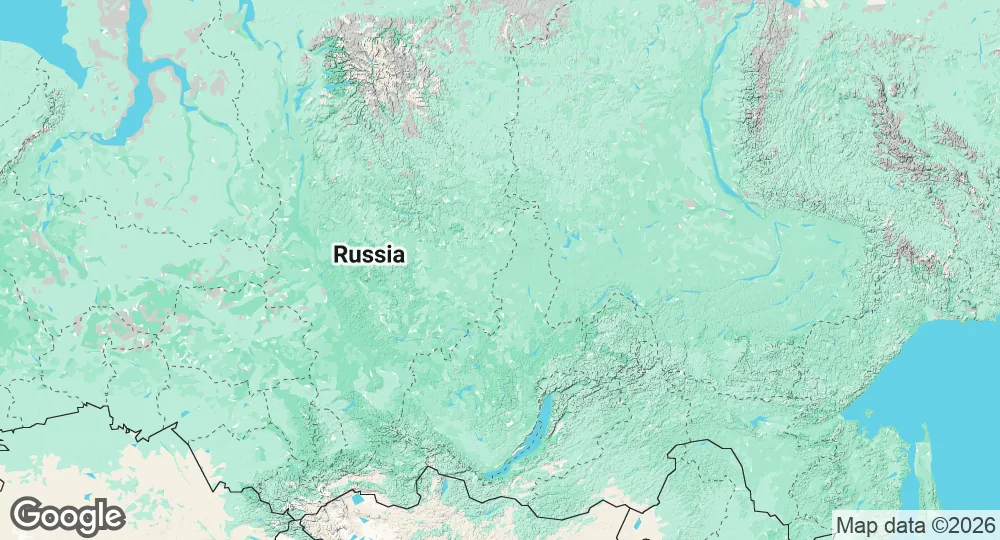
Map of Russia
Capital Moscow
Land Area 16,378,410 kmยฒ
Coastline Length 37,653 km

National Flag

Defense Statistics & Key Metrics

Population 143.5 million (2024)
GDP $2.2 trillion (2024)
GDP per capita $15145 (2024)
Military Budget $152.2 billion (2024)
Share of GDP in Milex 7.0% (2024)
Military spends per capita $1060 (2024)
Inflation Rate 8.43% (2024)
Military Personnel 1,454,000 (2020)

Russian Military Budget History

Population and Military Personnel Trends

GDP and Inflation Rate Trends

Strategic Overview in 2026

Strategic Position

Russiaโ€™s security policy is defined by its 2025 National Security Strategy and Military Doctrine, which identify NATOโ€™s eastward expansion and the deployment of high-precision non-nuclear weapons systems near its borders as primary threats. Russia maintains a military alliance through the Collective Security Treaty Organization (CSTO) and shares a unified regional air defense system and integrated military grouping with Belarus under the Union State framework.

The military posture focuses on the "near abroad" (former Soviet republics) and the Arctic, where Russia maintains the Northern Fleet and a network of refurbished Soviet-era bases. Defense priorities include the maintenance of a nuclear triad to ensure strategic deterrence and the transition to a long-term high-intensity conventional warfare footing. Territorial defense is organized into five military districts: Leningrad, Moscow, Southern, Central, and Eastern, with the Leningrad and Moscow districts re-established in 2024 to address the accession of Finland and Sweden to NATO.

Military Forces

The Russian Armed Forces are organized into three main branches and two independent arms of service. Total active personnel is approximately 1.5 million, supported by a reserve force and paramilitary units including the National Guard (Rosgvardiya) and the Border Service of the Federal Security Service (FSB).

  • Ground Forces: The army is structured into combined arms armies comprising motor rifle, tank, and artillery divisions. Primary equipment includes T-90M Proryv, T-80BVM, and T-72B3M main battle tanks. Infantry mobility is provided by BMP-3 and BMP-2 infantry fighting vehicles, and BTR-82A armored personnel carriers. Artillery remains a central component, utilizing 2S19 Msta-S and 2S33 Msta-SM2 self-propelled howitzers, BM-30 Smerch and Tornado-S multiple launch rocket systems, and Iskander-M short-range ballistic missile systems.
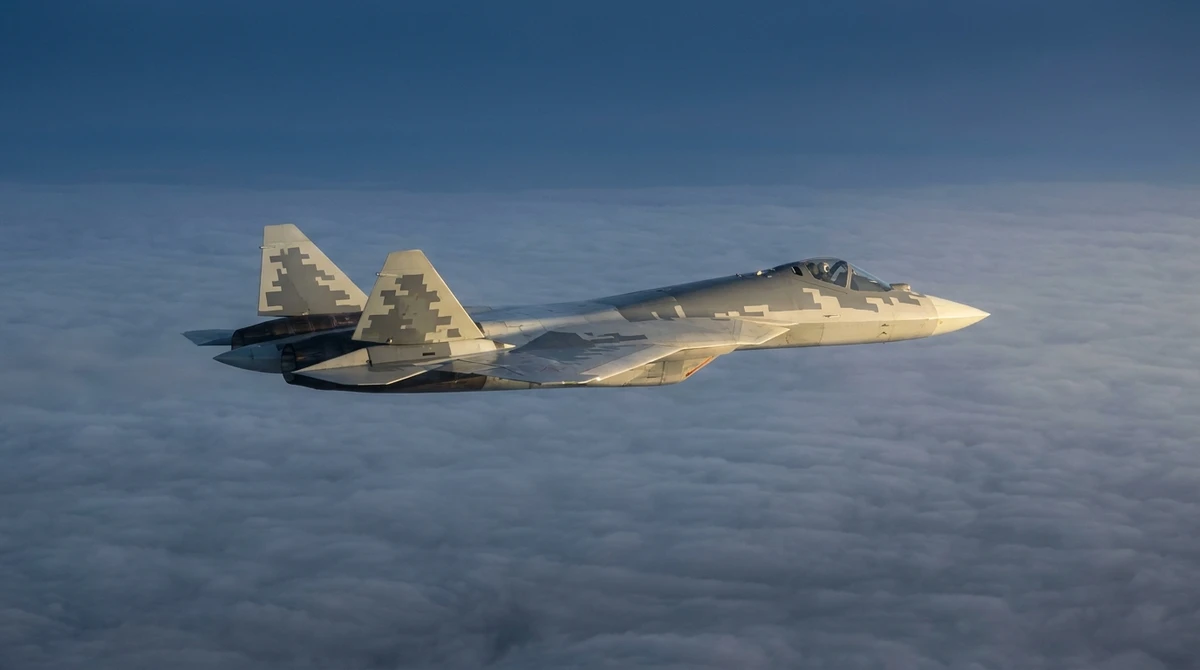
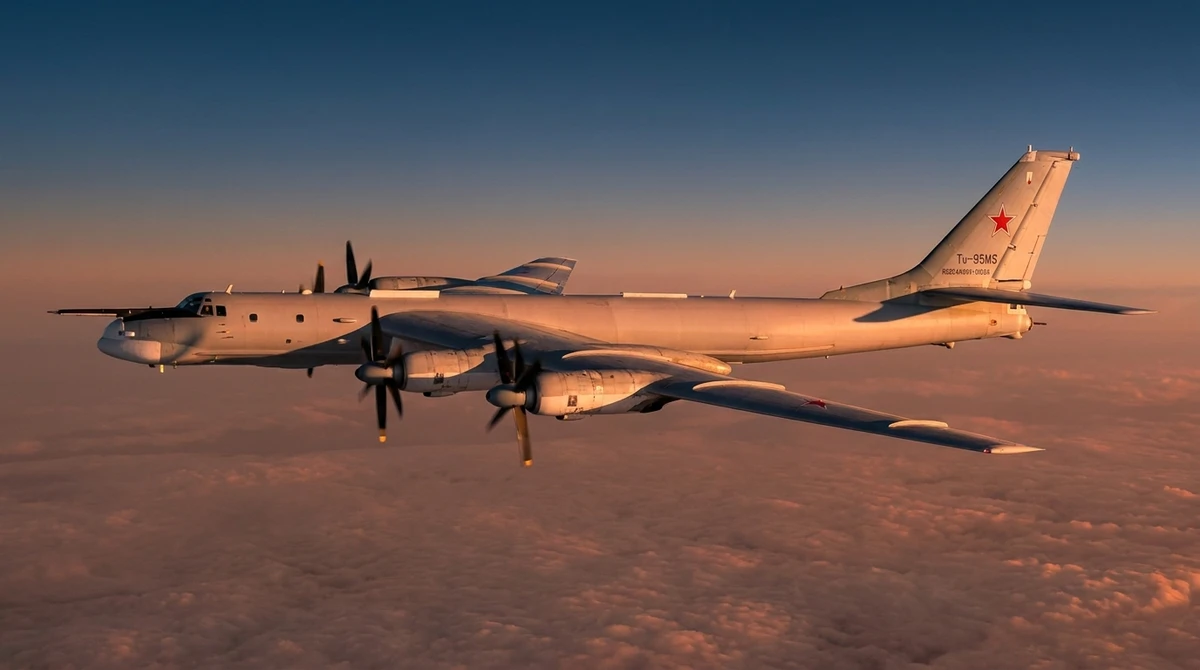
  • Aerospace Forces (VKS): This branch includes the Air Force, Air and Missile Defense Forces, and Space Forces. The fighter fleet consists of Su-57 fifth-generation aircraft, Su-35S, Su-30SM, and Mig-31BM interceptors. Ground-attack and tactical bombing are conducted by Su-34 and Su-25SM3 aircraft. Strategic aviation includes Tu-160M, Tu-95MSM, and Tu-22M3M bombers. Air defense is layered, utilizing S-400 Triumf, S-350 Vityaz, and S-300V4 long-range systems, supplemented by Pantsir-S1 point defense units.
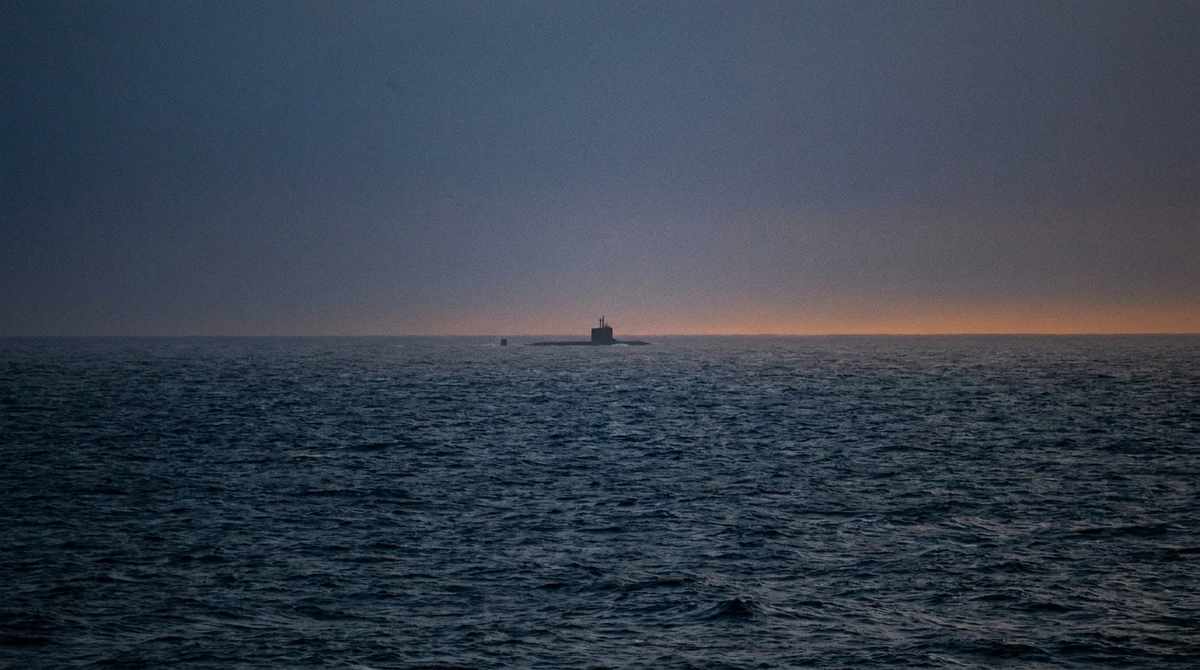
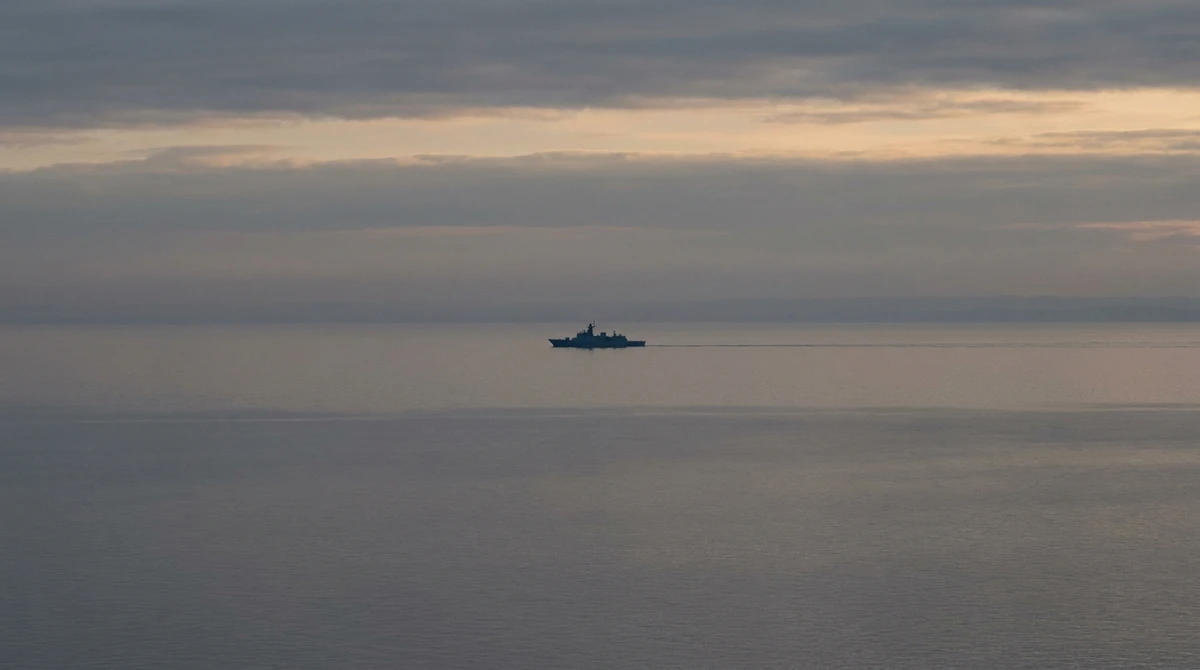
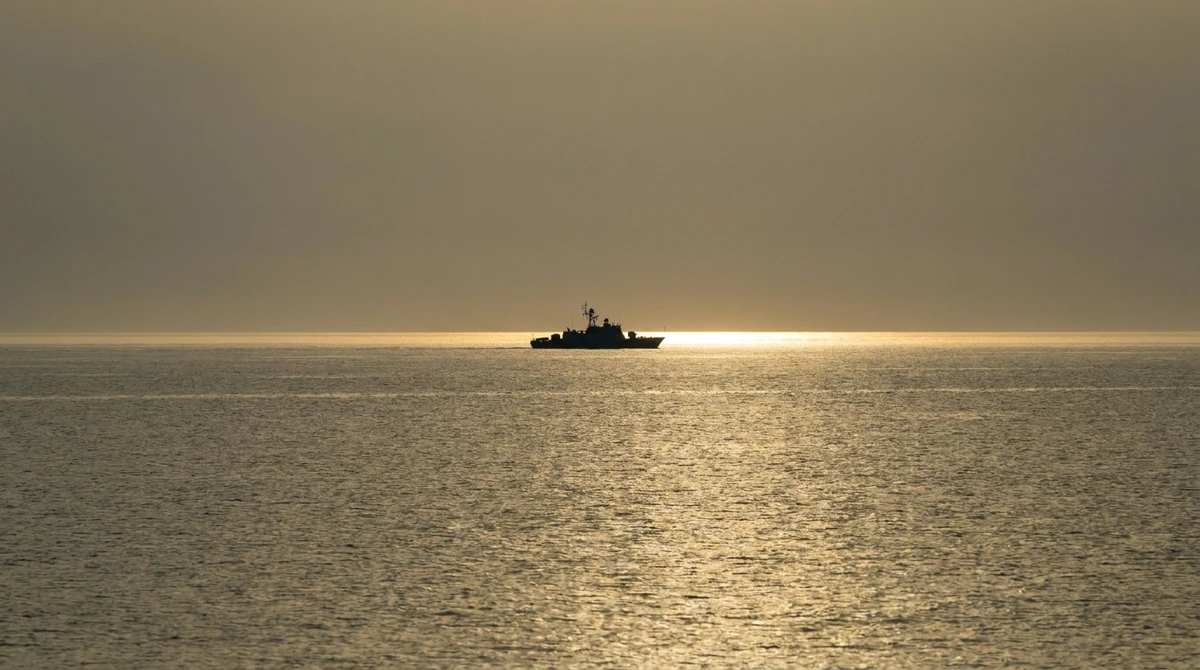
  • Navy: The fleet is distributed among the Northern, Pacific, Baltic, and Black Sea Fleets, and the Caspian Flotilla. Strategic capabilities center on Project 955A (Borei-A) class ballistic missile submarines (SSBN) and Project 885M (Yasen-M) class nuclear-powered cruise missile submarines (SSGN). Surface combatants include Admiral Gorshkov-class frigates and Steregushchiy-class corvettes, both equipped with Kalibr and Zircon cruise missiles.
  • Strategic Missile Forces (RVSN): An independent arm managing land-based nuclear deterrents. It operates RS-24 Yars mobile and silo-based ICBMs and is transitioning to the RS-28 Sarmat heavy ICBM. The Avangard hypersonic glide vehicle is deployed on existing missile boosters.
  • Airborne Forces (VDV): An independent elite arm utilizing BMD-4M airborne infantry fighting vehicles and BTR-MDM Rakushka carriers, designed for rapid deployment and air-assault operations.

Defense Industry

Russiaโ€™s defense sector is largely state-controlled through the Rostec Corporation, which oversees conglomerates such as United Aircraft Corporation, United Shipbuilding Corporation, and Almaz-Antey. The industry is characterized by high levels of self-sufficiency in heavy armor, missile technology, and air defense systems.

Domestic production has shifted to 24-hour operations to sustain equipment requirements for ongoing operations. Key products include the Su-35 fighter, T-90M tank, and the S-400 air defense system. While Russia remains a major global arms exporter, 2025-2026 programs emphasize domestic delivery over foreign contracts. Import substitution programs are active to replace Western-sourced microelectronics and precision components with domestic or non-Western alternatives.

Strategic Trends

Military development in 2025 and 2026 is characterized by an increase in defense spending, which accounts for approximately 6% to 7% of GDP. Force structure is shifting from the previous Battalion Tactical Group (BTG) model back to large-scale divisional and corps structures intended for sustained conventional operations.

Modernization priorities include: - Unmanned Systems: Mass integration of loitering munitions, such as the Lancet and Geran-2, and the widespread use of First-Person View (FPV) drones across all ground units.
- Electronic Warfare (EW): Deployment of the Krasukha-4 and Pole-21 systems to counter precision-guided munitions and satellite navigation.
- Guided Munitions: Conversion of free-fall bombs into guided standoff weapons using Universal Glide and Correction Modules (UMPK).
- Personnel Expansion: A long-term plan to increase the total number of service members to 1.5 million, involving the formation of new motor rifle and air assault divisions.
Russian Aircraft Manufacturing

Model Manufacturer Year Number
Ansat Kazan Helicopters 1999 50
Be-200 Beriev 1998 19
Il-112 Ilyushin 2019 3
Il-276 SVTS Ilyushin 1
Ka-226 Hoodlum-C Kamov 1997 269
Ka-52 Alligator Hokum-B Kamov 1997 196
Ka-60 Kasatka Kamov 1998 2
Mi-38 Kazan 2003 13
Orlan-10 Special Technology Center 2011 1000
Sokol Altius OKB Sokol 2019 3
Su-34 Fullback Sukhoi 1990 155
Su-35 Flanker-E Sukhoi 1999 151
Su-37 Super Flanker Sukhoi 1996 1
Su-47 "Berkut" Firkin Sukhoi 1997 1
Su-57 Felon Sukhoi 2010 32
Tu-214 Mogul Tupolev 1989 89
Yak-130 Mitten Yakovlev 1996 186
Yak-52 Yakovlev 1976 14
A-50 Mainstay Beriev 1978 42
Kronshtadt Orion Kronstadt Group 2016 48
S-70 Okhotnik Novosibirsk Aircraft Production Association 2019 2
Forpost IAI 1992 None
ZALA Lancet ZALA Aero 2019 6000
Geran-2 IEMZ Kupol 26000
Gerbera JSC Alabuga None
Italmas ZALA Aero Group None
Molniya Atlant Aero None
Garpiya-A1 IEMZ Kupol 2500
KUB-BLA ZALA Aero None
Orlan-30 Special Technology Center None
Eleron-3 ENICS None
Korsar OKB Luch 2015 None

Russian Missile Systems

Model Category
3M22 Zircon Anti-Ship
R-27 Air-to-Air
R-73 Air-to-Air
R-77 Air-to-Air
R-37 Air-to-Air
R-40 Air-to-Air
R-23 & R-24 Air-to-Air
R-60 Air-to-Air
R-33 Air-to-Air
ABM-1 Galosh Surface-to-Air
Kh-25 Air-to-Surface
Kh-58 Air-to-Surface
Kh-25MP & Kh-27PS Air-to-Surface
Kh-59 Air-to-Surface
Kh-29 Air-to-Surface
Kh-55 Cruise
Kh-15 Air-to-Surface
Kh-31 Air-to-Surface
Kh-59M Air-to-Surface
Kh-80 Air-to-Surface
Kh-35 Anti-Ship
Kh-47M2 Kinzhal Air-to-Surface
Kh-20 Cruise
KSR-5 Anti-Ship
Kh-23 & Kh-66 Air-to-Surface
Kh-28 Air-to-Surface
9M133 Kornet Anti-Tank
9M123 Khrizantema Anti-Tank
9K121 Vikhr Anti-Tank
9K111 Fagot Anti-Tank
9M113 Konkurs Anti-Tank
9K114 Shturm Anti-Tank
9K115 Metis Anti-Tank
9M120 Ataka Anti-Tank
K-100 Air-to-Air
S-300PMU Surface-to-Air
9K37 Surface-to-Air
S-300V Surface-to-Air
9K34 Strela-3 Surface-to-Air
9K331 Tor Surface-to-Air
S-125 Surface-to-Air
2K11 Surface-to-Air
2K12 Kub Surface-to-Air
9K32M Strela-2 Surface-to-Air
9K33 Osa Surface-to-Air
9K31 Strela-1 Surface-to-Air
P-700 Granit Anti-Ship
RK-55 Granat Cruise
P-270 Moskit Anti-Ship
R-29RM Shtil Ballistic
P-800 Oniks Anti-Ship
3M54-1 Kalibr Anti-Ship
P-120 Malakhit Anti-Ship
RS-24 Yars Ballistic
RS-28 Sarmat Ballistic
RT-2PM2 Topol-M Ballistic
9K720 Iskander Ballistic
Kh-101 Cruise
Oreshnik Ballistic
S-400 Triumf Surface-to-Air
S-350 Vityaz Surface-to-Air
S-500 Prometheus Surface-to-Air
Pantsir-S1 Surface-to-Air
BrahMos Anti-Ship
9M14 Malyutka Anti-Tank
R-77M Air-to-Air
Kh-32 Cruise
3M14 Kalibr Cruise
Avangard Ballistic

Russian Naval Shipbuilding

Class Type
Admiral Kuznetsov Aircraft carrier
Admiral Sergei Gorshkov Guided missile frigate
Amur Attack submarine
Project 1239 Sivuch Hoverborne guided-missile corvette
Borey Ballistic missile submarine
Buyan Guided-missile corvette
Dyugon Landing craft
Gepard Frigate
Gremyashchiy Guided missile corvette
Grisha Anti-submarine corvette
Ivan Gren Landing ship
Karakurt Guided-missile corvette
Lada Attack submarine
Neustrashimy Guided-missile frigate
Serna Landing craft
Ssteregushchiy Guided missile corvette
Yasen Nuclear-powered attack submarine
Yankee Notch Ballistic missile submarine
Zubr Air-cushioned landing craft
Improved Kilo Attack submarine
Admiral Grigorovich Guided missile frigate
Rajput Guided missile destroyer
Alexandrit Minesweeper

Russian Military Vehicles

Model Type
BTR-90 Infantry Fighting Vehicle
T-90 Medium Main Battle Tank
BMPT Terminator Heavy Armored Combat Support Vehicle
2S25 Sprut Tank Destroyer
T-14 Armata Main battle tank
BMP-3 Infantry fighting vehicle
BTR-82A Amphibious armored personnel carrier
BMP-1 Infantry fighting vehicle
BM-21 Grad Self-propelled 122 mm multiple rocket launcher
2A18 (D-30) Howitzer
2S1 Gvozdika Self-propelled howitzer
BMP-2 Infantry Fighting Vehicle
MT-LB Tracked Armored Personnel Carrier
M-46 Field Gun Towed Field Gun
D-20 Howitzer Towed Gun-Howitzer
BTR-80 8x8 Wheeled Armored Personnel Carrier
BTR-60 Armoured personnel carrier
2S3 Akatsiya Self-Propelled Howitzer
BM-30 Smerch Heavy self-propelled 300 mm multiple rocket launcher
BM-27 Uragan Multiple Launch Rocket System
BRDM-2 Amphibious armoured scout car
BTR-50 Tracked Amphibious Armored Personnel Carrier

Russian Firearms Development

Model Category
VSSK Vychlop Anti materiel sniper rifle
SVN-98 Anti materiel sniper rifle
KSVK Anti materiel sniper rifle
OSV-96 Anti materiel sniper rifle
AK-101 Assault rifle
AEK-971 Assault rifle
AN-94 Abakan Assault rifle
ADS - Avtomat Dual-medium Special Assault rifle
AKU-94 Bullpup assault rifle
OC-14 "Groza" Bullpup assault rifle
Saiga-12 Combat shotgun
Pecheneg Light machine gun
NSV Machine gun
Kord Machine gun
OC-33 "Pernatch" Semi-automatic pistol
OC-23 "Drotik" Semi-automatic pistol
VSS "Vintorez" Sniper rifle
VSK-94 Sniper rifle
SVU Sniper rifle
SV-99 Sniper rifle
SV-98 Sniper rifle
PP-93 Submachine gun
PP-2000 Submachine gun
SR-2 Veresk Submachine gun
AEK-919 Kashtan Submachine gun
PP-90M1 Submachine gun
PP-90 Submachine gun
Bizon PP-19 Submachine gun

Frequently Asked Questions

How large is Russia's military?
Russia has 1,100,000 active military personnel with an additional 1,500,000 in reserve. This includes army, navy, and air force service members.
What is Russia's defense budget?
Russia's annual defense budget is approximately $152.2 billion. This covers personnel costs, equipment procurement, operations, and maintenance of military forces.
How does Russia rank militarily in the world?
Russia ranks #2 globally on the Global Military Index with a score of 83.6 out of 100. This composite index measures military capability across manpower, firepower, naval power, air power, nuclear deterrent, and defense budget.
Does Russia have nuclear weapons?
Yes, Russia is a nuclear-armed state with approximately 5,459 nuclear warheads. Of these, 1,718 are deployed and ready for use.
How many aircraft does Russia's air force have?
Russia operates 4,300 military aircraft including 1,524 combat aircraft. The fleet includes fighters, transport planes, helicopters, and training aircraft.
How large is Russia's navy?
Russia's navy operates 477 vessels including 60 submarines and 2 aircraft carrier(s). The fleet includes surface combatants, support ships, and coastal patrol craft.
How many tanks does Russia have?
Russia operates approximately 5,750 main battle tanks. This figure includes both active inventory and reserve stocks available for mobilization.
What percentage of GDP does Russia spend on defense?
Russia spends approximately 7.0% of its GDP on defense. This meets the NATO target of 2% of GDP.
What is Russia's military personnel per capita?
Russia has approximately 7.7 active military personnel per 1,000 citizens. This ratio reflects the country's military manpower relative to its population of 143,533,851.
Does Russia have submarines?
Yes, Russia operates 60 submarines. The submarine fleet may include nuclear-powered attack submarines, ballistic missile submarines, and conventional diesel-electric boats depending on the country's naval doctrine.
Does Russia have aircraft carriers?
Yes, Russia operates 2 aircraft carrier(s). Aircraft carriers provide significant power projection capability and serve as mobile air bases for naval aviation operations worldwide.
Does Russia have paramilitary forces?
Yes, Russia maintains 559,000 paramilitary personnel. These forces typically include gendarmerie, border guards, coast guard, and internal security troops that supplement regular military capabilities.
Population, GDP, Inflation and Personnel: World Bank.
Military Expenditure: CIA World Factbook. Suggest a change