
Paraguayan Air Force
Fuerza Aérea Paraguaya — The Paraguayan Air Force (FAP) is structured to support the nation's army and navy, with a primary mission of protecting national airspace and providing logistical support. Its organization includes a First Aerial …
Full inventory in 2026
11 aircraft typesParaguayan Air Force
| Aircraft | Origin | Model year | Active | Δ YoY | Ordered | |
|---|---|---|---|---|---|---|
| Helicopter | ||||||
|
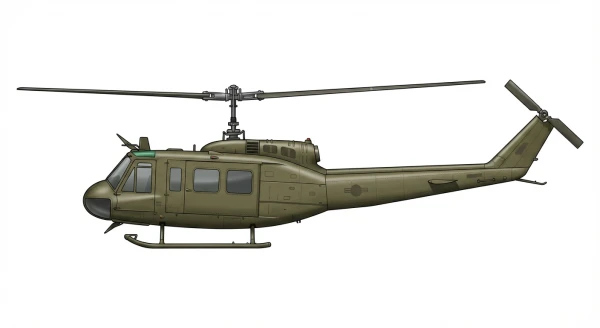
UH-1H | 🇺🇸 United States | 1959 | 12 | — | — |
|
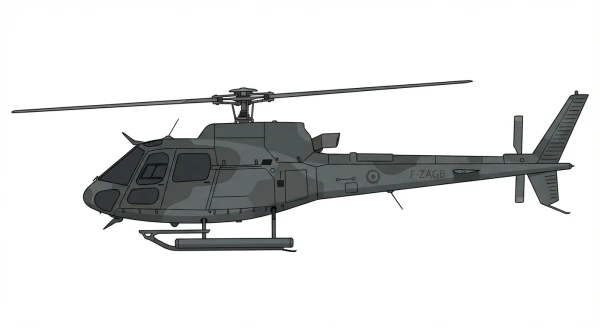
H125M/AS350 | 🇫🇷 France | 1990 | 3 | — | — |
|
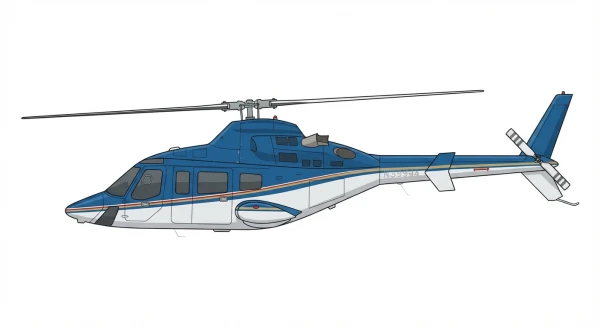
Bell 427 | 🇺🇸 United States | 1995 | 1 | +1 | — |
| Transport | ||||||
|
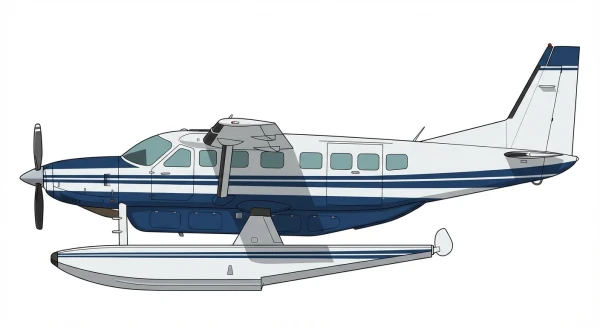
Cessna 208 | 🇺🇸 United States | 1984 | 5 | — | — |

|
C212 | 🇪🇸 Spain | 1974 | 3 | — | — |
|
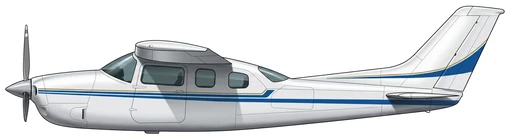
Cessna 210 | 🇺🇸 United States | 1957 | 2 | +2 | — |
|
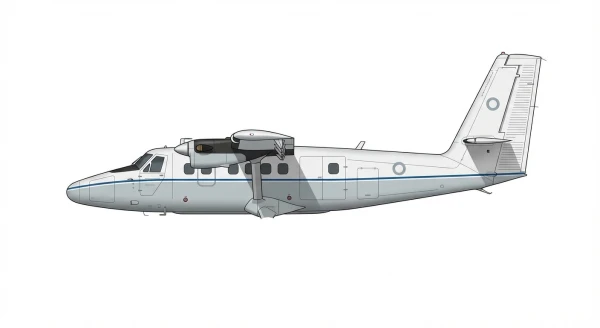
DHC-6 | 🇨🇦 Canada | 1966 | 1 | +1 | — |
| Training | ||||||
|
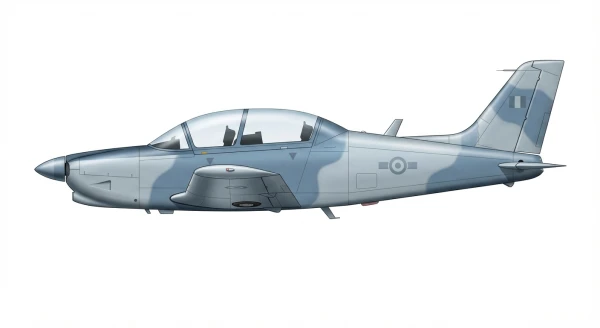
T-35 | 🇨🇱 Chile | 1984 | 12 | +5 | — |
|
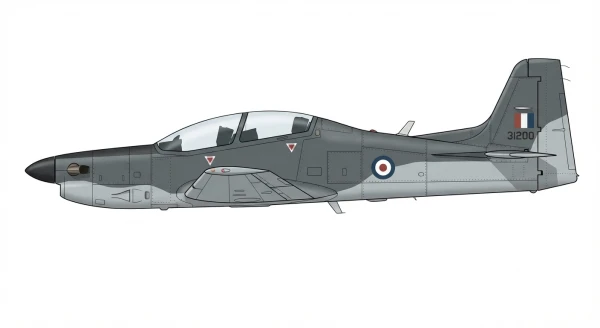
EMB-312 | 🇧🇷 Brazil | 1983 | 6 | — | — |
|
|
EMB-314 (A-29) | 🇧🇷 Brazil | 1983 | 6 | — | — |
| Other | ||||||
|
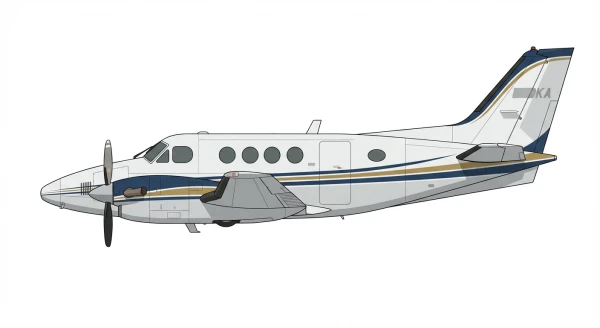
King Air 90 | 🇺🇸 United States | 1964 | 2 | +1 | — |
|
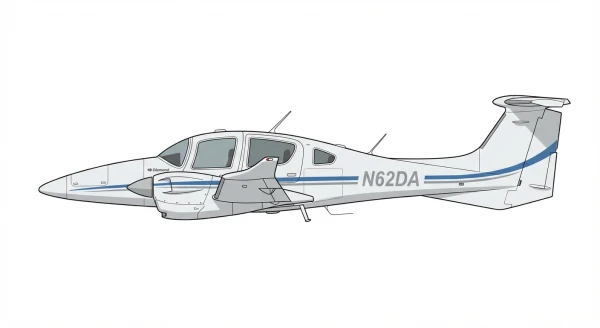
DA62 | 🇦🇹 Austria | 2015 | 1 | — | — |
Paraguayan Navy
| Aircraft | Origin | Model year | Active | Δ YoY | Ordered | |
|---|---|---|---|---|---|---|
| Helicopter | ||||||
|
|
H125M/AS350 | 🇫🇷 France | 1990 | 1 | — | — |
| Transport | ||||||
|
|
Cessna 210 | 🇺🇸 United States | 1957 | 1 | +1 | — |
Overview
The Paraguayan Air Force (FAP) is structured to support the nation's army and navy, with a primary mission of protecting national airspace and providing logistical support. Its organization includes a First Aerial Brigade, an Airmobile Brigade, an Aerial Regions Command, a Logistics Brigade, and an Instruction Institutes Command. The main operational units are based near Asunción. The force's primary combat element, the 3rd Fighter Squadron "Moros," operates Embraer EMB-312 Tucano aircraft. Other key units include the Air Transport Group, equipped with aircraft like the CASA C-212 and Cessna 208, and a helicopter group flying UH-1H and Helibras HB350 helicopters.
Operationally, the FAP's capabilities are centered on internal security, counter-narcotics, and border surveillance, rather than conventional air-to-air or strategic strike missions. The small number of operational Tucano interceptors, estimated at between two and six, represents its entire fighter/interceptor capability. The force's strategic doctrine is guided by the need to control its airspace, support counter-trafficking operations, and provide transport for other branches of the armed forces. The FAP's limited resources dictate a focus on maintaining existing assets and conducting surveillance and transport tasks within national borders.
In 2024, the FAP expanded its local maintenance capabilities for the AT-27 Tucano fleet with assistance from the Brazilian Air Force. Plans have been announced for the acquisition of additional aircraft to enhance airspace control, with Embraer making a formal offer of A-29 Super Tucanos. Past modernization initiatives included acquiring ELTA EL/M 2106 NG radars and flight simulators to improve surveillance and training. However, plans to acquire more capable aircraft, such as the Korean KT-1 or additional Super Tucanos, have historically been hindered by a lack of resources. The force's development focuses on adapting its existing structure to confront transnational crime and improve interoperability, rather than expanding its force projection capabilities.