Strategic Position
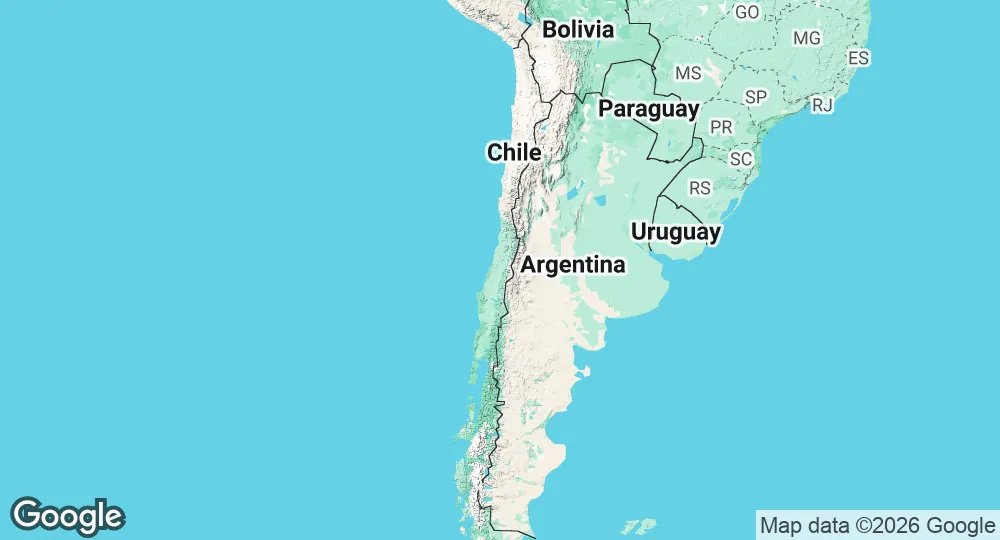
Chile occupies a geostrategic position defined by its "tri-continental" doctrine, maintaining a presence in South America, Oceania (Easter Island), and the Chilean Antarctic Territory. Primary security concerns focus on the maintenance of territorial integrity, the protection of the "Mar Presencial" (Presential Sea) within the South Pacific, and the management of borders in the Northern and Southern Macrozones.
Regional relationships are characterized by a transition from traditional territorial disputes to cooperation on transnational issues. While historical tensions with Bolivia and Peru over maritime and land boundaries have largely moved to legal and diplomatic channels, the northern border is a focal point for operations against irregular migration and organized crime. In the south, the military provides logistical and security support to civilian authorities in the Araucanía and Biobío regions.
Chile is not a member of NATO but maintains status as a global partner through various cooperation frameworks. It participates regularly in multinational exercises, including RIMPAC and Salitre, and maintains a long-standing defense relationship with the United States, particularly through the Texas National Guard State Partnership Program. Defense doctrine emphasizes a "dissuasive-cooperative" posture, maintaining a professional force capable of conventional deterrence while actively contributing to international peacekeeping and humanitarian assistance missions.
Military Forces
The Chilean Armed Forces are coordinated through the Joint Chiefs of Staff (Estado Mayor Conjunto - EMCO) under the Ministry of National Defense. Total active personnel number approximately 75,000, supplemented by a paramilitary force of approximately 80,000 Carabineros de Chile, who fall under the Ministry of the Interior but maintain a military structure for domestic security.
Army (Ejército de Chile): The army is organized into six divisions and a specialized air cavalry brigade. It operates Leopard 2A4 main battle tanks and Marder 1A3 infantry fighting vehicles. Artillery capabilities include M109 self-propelled howitzers. Recent procurement through Project Alfil II focuses on improving high-altitude and tactical mobility in the Northern Macrozone with the acquisition of armored 4x4 vehicles and Mercedes-Benz logistics trucks.
Navy (Armada de Chile): The fleet is centered on a surface escort force comprising British-built Type 23 frigates, Australian Adelaide-class frigates, and Dutch M-class frigates. Submarine capabilities consist of Scorpène-class and Type 209 vessels. In 2025, the navy increased its polar projection capacity with the commissioning of the icebreaker Almirante Viel. The service also operates a dedicated Naval Aviation force and a Marine Corps (Cuerpo de Infantería de Marina) for amphibious operations.
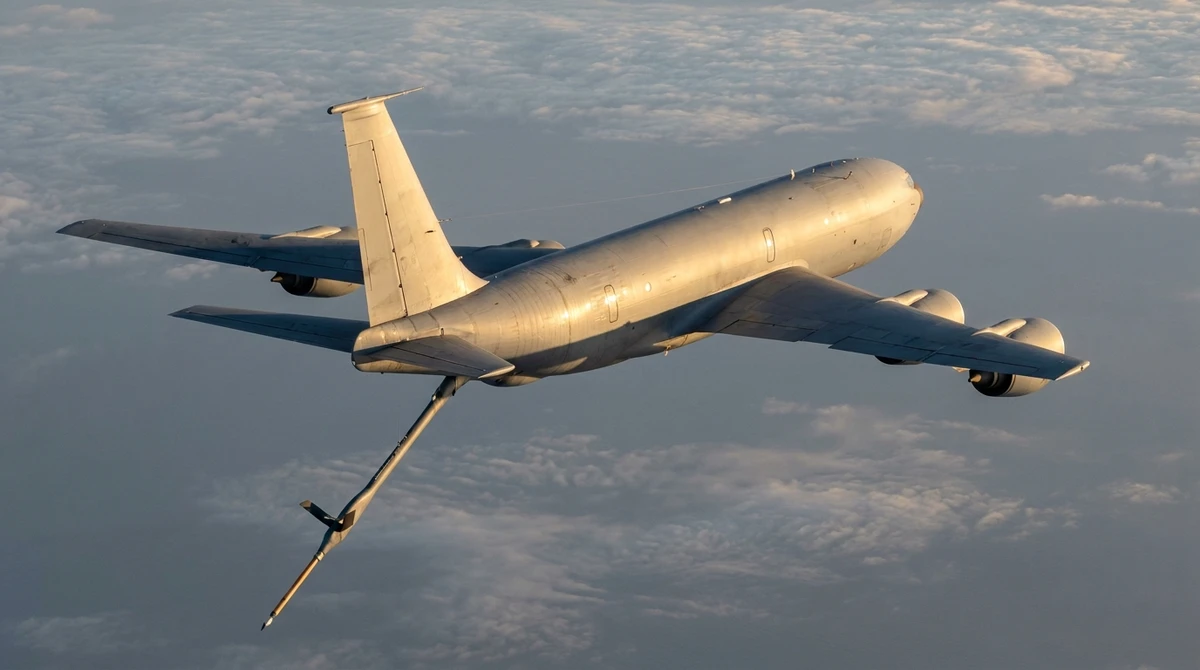
Air Force (Fuerza Aérea de Chile - FACh): The FACh operates a multi-role fighter fleet of F-16 Fighting Falcons (Block 50 and MLU variants) and A-29 Super Tucano light attack aircraft. Strategic transport is provided by C-130 Hercules aircraft and Boeing 707/767 platforms. The service is also responsible for the National Space System (SNSat), managing a constellation of satellites for defense and civilian observation.
Defense Industry
Chile maintains a domestic defense industrial base through three state-owned entities that provide maintenance, repair, and manufacturing capabilities.
ASMAR (Astilleros y Maestranzas de la Armada): This shipyard manages the National Shipbuilding Policy, which aims to increase domestic production of surface vessels. ASMAR is currently executing Project Escotillón IV, constructing multipurpose transport ships to replace aging amphibious platforms. It also performs high-level maintenance for domestic and foreign naval vessels.
ENAER (Empresa Nacional de Aeronáutica): This company provides maintenance for the FACh fleet and is conducting the M6.6 structural and avionics upgrade for the F-16 fleet. ENAER is developing the T-40 Newen, a domestic primary trainer aircraft intended to replace the T-35 Pillán.
FAMAE (Fábricas y Maestranzas del Ejército): FAMAE specializes in small arms, ammunition, and the maintenance of armored vehicles. It produces the Galil ACE rifle under license and provides integrated logistics support for the army’s German-origin armored platforms.
Strategic Trends
The defense budget for 2026 is approximately $2.4 billion, representing about 1.6% of GDP. This reflects a transition from the former Reserved Copper Law to a multi-year funding model under the Strategic Capabilities Fund. Despite this, the military faces constraints due to inflation and the rising costs of domestic deployments.
Modernization priorities for 2026 include the continuation of the F-16 upgrade program and the phased replacement of aging naval units under the National Shipbuilding Policy. There is a shift in force employment toward "dual-use" capabilities, where military assets are increasingly utilized for border surveillance and internal security support. The Air Force is expanding its footprint in the space domain with the inauguration of the National Space Center (CEN) in 2026. Future force structure shifts may be influenced by the outcome of presidential policy changes, with a projected emphasis on intelligence and specialized units to counter transnational criminal networks.