Croatia Military Forces ๐Ÿ‡ญ๐Ÿ‡ท

Military Strength Overview

๐Ÿ›ฉ๏ธ Air Force 67 active aircraft
โš“๏ธ Naval forces 29 ships in fleet
๐Ÿช– Active Troops 15,200 personnels
โ›‘๏ธ Reserve Troops 18,350 personnels
๐Ÿ‘ฎโ€โ™€๏ธ Paramilitary 3,000 personnels
๐ŸŽ–๏ธ Military ranks 60 ranks listed

Global Military Index

40.7
Global Rank: #65
The Global Military Index measures Croatia's overall military capability on a 0-100 scale, based on verifiable data across six dimensions.
๐Ÿช– Manpower (15%) 62.9 Active, reserve & paramilitary: 25275 effective
๐Ÿ›ก๏ธ Ground Firepower (20%) 37.0 Main battle tanks: 45
โš“ Naval Power (20%) 40.7 Weighted by ship type: carriers, submarines, destroyers...
โœˆ๏ธ Air Power (25%) 43.3 Weighted by aircraft type: combat, bombers, helicopters...
โ˜ข๏ธ Nuclear Deterrent (10%) 0.0 No declared nuclear capability
๐Ÿ’ฐ Defense Budget (10%) 49.4 $1629M annual military spending

Methodology: Log-scaled composite index using SIPRI, IISS, and GMNET data. Each pillar is normalized to 0-100, then weighted by strategic importance.

Geography

Map of Croatia
Capital Zagreb
Land Area 55,974 kmยฒ
Coastline Length 5,835 km

National Flag

Defense Statistics & Key Metrics

Population 3.9 million (2023)
GDP $84.4 billion (2023)
GDP per capita $21865 (2023)
Military Budget $1.6 billion (2024)
Share of GDP in Milex 1.8% (2024)
Share of Govt Expenditures 3.8% (2024)
Military spends per capita $419 (2024)
Inflation Rate 7.94% (2023)
Military Personnel 20,000 (2020)

Croatian Military Budget History

Population and Military Personnel Trends

GDP and Inflation Rate Trends

Strategic Overview in 2026

Strategic Position

Croatia has been a member of NATO since 2009 and the European Union since 2013. Defense policy is directed toward collective security within the North Atlantic Alliance and the maintenance of stability in the Western Balkans. Security concerns center on regional geopolitical tensions, the protection of the Adriatic maritime zone, and the transition of the armed forces to Western technological standards. Croatia maintains defense cooperation agreements with the United States and France, focusing on procurement, training, and interoperability. Strategic priorities include the modernization of heavy armor, the integration of 4.5-generation fighter aircraft, and the establishment of long-range precision strike capabilities.

Military Forces

The Armed Forces of the Republic of Croatia (OSRH) comprise the Army, Navy, and Air Force, supported by a General Staff. Active personnel numbers are approximately 15,000, supplemented by reserve forces. In late 2025, the Croatian government legislated the reintroduction of mandatory military service, effective January 1, 2026. This basic military training lasts two months and is required for male citizens turning 19, with the first medical examinations for recruits commencing in December 2025.

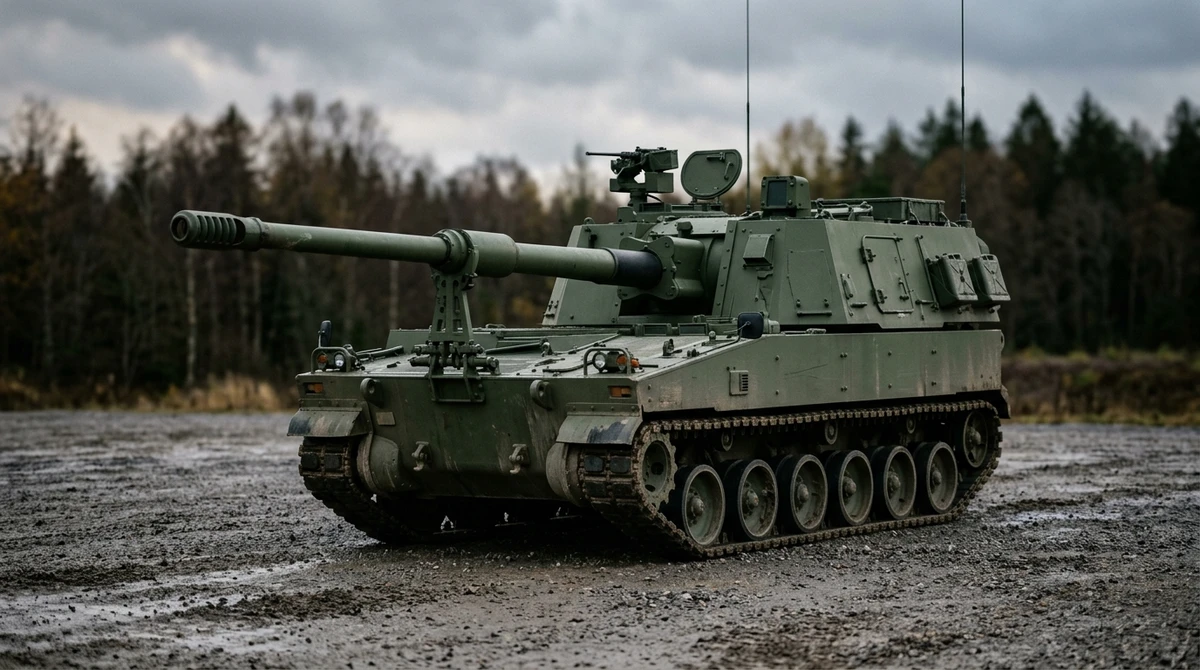
The Croatian Army (HKoV) is in a phase of technological transition. It operates M-84 main battle tanks, though a contract signed in December 2025 finalized the acquisition of 44 Leopard 2A8 tanks to replace the legacy fleet. Deliveries are scheduled between 2028 and 2030. Mechanized units utilize M2A2 Bradley Fighting Vehicles and Patria AMV armored personnel carriers. Artillery assets include PzH 2000 self-propelled howitzers. In late 2024 and 2025, the government approved the procurement of M142 HIMARS launchers and CAESAR MK2 howitzers.

The Croatian Air Force (HRZ) operates 12 Rafale F3-R multirole fighters, with the final aircraft delivered in May 2025 to replace the retired MiG-21 fleet. The rotary-wing fleet consists of UH-60M Black Hawk and OH-58D Kiowa Warrior helicopters. Additional Black Hawks are scheduled for delivery through 2028. Unmanned capabilities were expanded in 2024 with an order for Bayraktar TB2 systems.

The Croatian Navy (HRM) is primarily tasked with coastal defense and maritime surveillance. It maintains a fleet of RTOP-class missile boats and OOB-class coastal patrol vessels.

Defense Industry

The domestic defense sector is characterized by specialized manufacturing for export markets. HS Produkt produces the VHS-2 bullpup assault rifle and the HS2000 pistol series, which are utilized by the Croatian military and exported to international markets. ฤuro ฤakoviฤ‡ Special Vehicles provides maintenance, modernization, and assembly services for armored platforms, including the Patria AMV and Bradley IFVs. DOK-ING develops and manufactures unmanned ground vehicles for demining, firefighting, and reconnaissance. In March 2025, the government approved a strategic policy to establish domestic production of 122 mm and 155 mm artillery ammunition.

Strategic Trends

Defense spending reached 2.08% of GDP in 2025, aligning with the NATO target. Projections for 2026 indicate a 20% increase in the defense budget compared to the previous year, with spending planned to reach 2.5% of GDP by 2027. Modernization efforts focus on the divestment of Soviet and Yugoslav-legacy equipment in favor of NATO-standard platforms. A 2025 update to the Croatian Defense Strategy and the Long-Term Development Plan outlines the integration of conscript intakes and the expansion of air defense and cyber capabilities. Constraints include the logistical and administrative requirements of managing the new conscription model and the long-term costs associated with maintaining advanced Western aviation and armor platforms.

Croatian Naval Shipbuilding

Class Type
Kralj Missile boat

Croatian Firearms Development

Model Category
RT-20 Anti materiel sniper rifle
APS-95 Assault rifle
VHS Bullpup assault rifle
Agram 2000 Submachine gun

Frequently Asked Questions

How large is Croatia's military?
Croatia has 15,200 active military personnel with an additional 18,350 in reserve. This includes army, navy, and air force service members.
What is Croatia's defense budget?
Croatia's annual defense budget is approximately $1.6 billion. This covers personnel costs, equipment procurement, operations, and maintenance of military forces.
How does Croatia rank militarily in the world?
Croatia ranks #65 globally on the Global Military Index with a score of 40.7 out of 100. This composite index measures military capability across manpower, firepower, naval power, air power, nuclear deterrent, and defense budget.
Does Croatia have nuclear weapons?
No, Croatia does not possess nuclear weapons and is a non-nuclear weapon state.
How many aircraft does Croatia's air force have?
Croatia operates 67 military aircraft including 12 combat aircraft. The fleet includes fighters, transport planes, helicopters, and training aircraft.
How large is Croatia's navy?
Croatia's navy operates 29 vessels. The fleet includes surface combatants, support ships, and coastal patrol craft.
How many tanks does Croatia have?
Croatia operates approximately 45 main battle tanks. This figure includes both active inventory and reserve stocks available for mobilization.
What percentage of GDP does Croatia spend on defense?
Croatia spends approximately 1.8% of its GDP on defense. This is below the NATO target of 2% of GDP.
What is Croatia's military personnel per capita?
Croatia has approximately 3.9 active military personnel per 1,000 citizens. This ratio reflects the country's military manpower relative to its population of 3,859,686.
Does Croatia have paramilitary forces?
Yes, Croatia maintains 3,000 paramilitary personnel. These forces typically include gendarmerie, border guards, coast guard, and internal security troops that supplement regular military capabilities.
Population, GDP, Inflation and Personnel: World Bank.
Military Expenditure: SIPRI Milex. Suggest a change