Strategic Position
Lithuania’s defense posture is defined by its location on NATO’s eastern flank, specifically its borders with the Russian exclave of Kaliningrad to the southwest and Belarus to the east. A primary security concern is the Suwalki Gap, the approximately 60-mile land corridor along the Lithuanian-Polish border that connects the Baltic states to other NATO members and separates Kaliningrad from Belarus.
National defense doctrine is based on the "Universal Defense" concept, which integrates military response with civil resistance and host nation support. Lithuania has been a member of NATO and the European Union since 2004. It participates in regional frameworks including the Joint Expeditionary Force (JEF) and the Lublin Triangle (alongside Poland and Ukraine). Strategic cooperation with Germany is a cornerstone of current policy, highlighted by the permanent stationing of the German 45th Armored Brigade ("Panzerbrigade 45 Litauen") on Lithuanian soil.
Military Forces
The Lithuanian Armed Forces (Lietuvos ginkluotosios pajėgos) are undergoing a transition from brigade-level operations to a divisional structure. In January 2025, the 1st Division (Pirmoji divizija) was formally established to serve as the primary command for land operations.
Lithuania maintains a force consisting of approximately 23,000 active-duty personnel, including 5,500 conscripts, supported by over 100,000 reserves and paramilitary members of the Lithuanian Riflemen's Union. Conscription is mandatory for males aged 18–23.
- Land Forces: The army is organized around the 1st Division, which includes the Mechanized Infantry Brigade "Iron Wolf," the Motorized Infantry Brigade "Griffin," and the Light Infantry Brigade "Aukštaitija." Equipment includes Boxer infantry fighting vehicles (locally designated as "Vilkas"), PzH 2000 self-propelled howitzers, and M142 HIMARS rocket artillery. In 2025, the government finalized contracts for Leopard 2A8 main battle tanks to equip a planned tank battalion. Tracked CV90 infantry fighting vehicles have also been selected for future procurement.
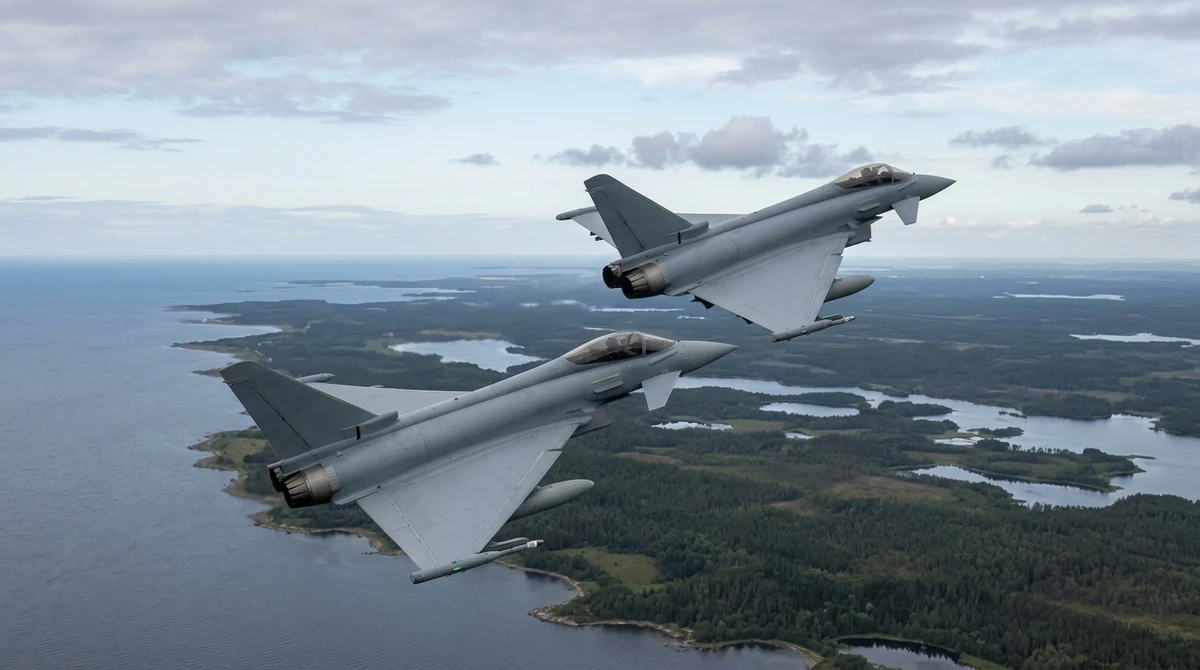
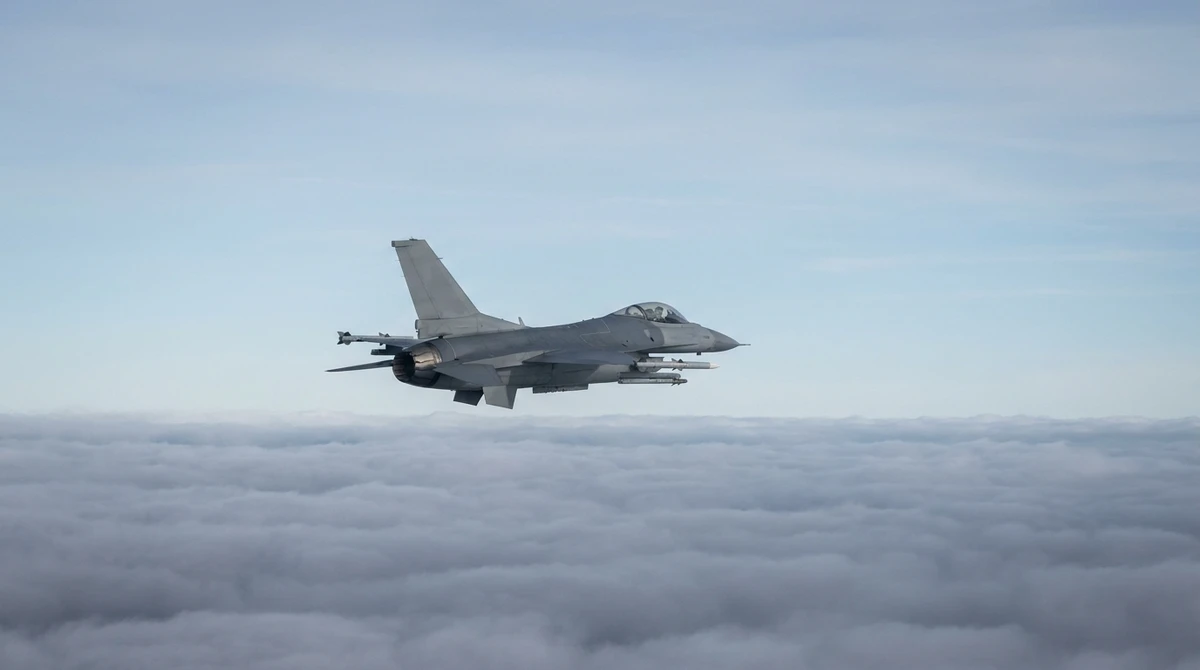
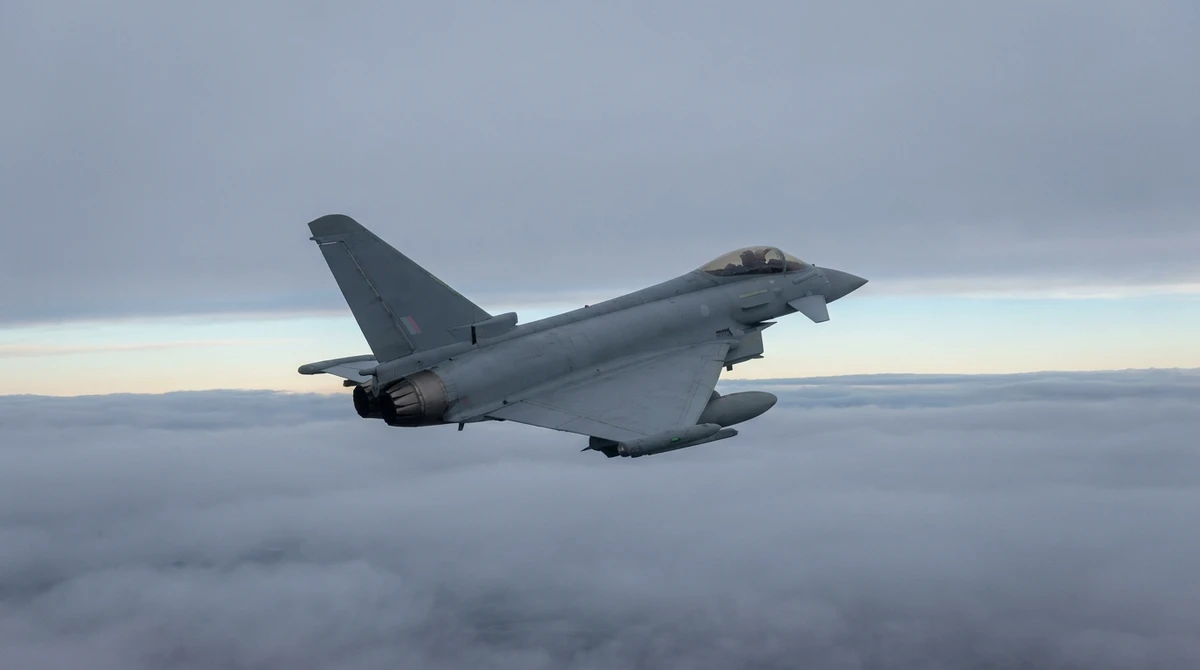
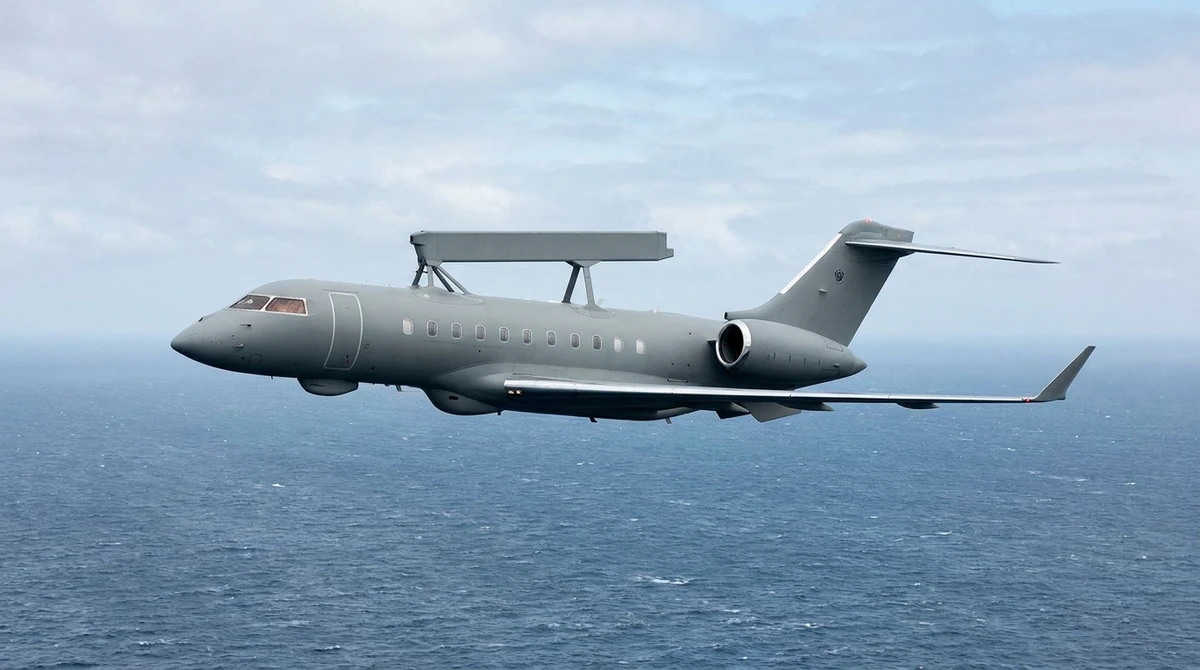
- Air Force: The Air Force focuses on airspace surveillance, transport, and search and rescue. It operates C-27J Spartan transport aircraft and UH-60 Black Hawk helicopters. Air defense is provided by NASAMS medium-range systems and MSHORAD short-range mobile units. Lithuania does not operate fixed-wing combat aircraft; its air defense relies on the rotational NATO Baltic Air Policing mission based at Šiauliai.
- Naval Force: The Navy maintains a fleet centered on mine countermeasures (MCM) and offshore patrol. It operates Hunt-class minehunters and Flyvefisken-class patrol vessels.
- Special Operations Forces: The Special Purpose Service, known as "Aitvaras," specializes in counter-terrorism, unconventional warfare, and long-range reconnaissance.
Defense Industry
Lithuania’s domestic defense sector specializes in electronic warfare, optics, and unmanned aerial vehicles (UAVs). While the country historically relied on imports, current policy emphasizes domestic production for ammunition and high-tech components.
In 2025, construction began on a 155mm artillery ammunition plant in Baisogala through a joint venture with German manufacturer Rheinmetall. The facility is scheduled to begin production in mid-2026 with an initial capacity of tens of thousands of rounds per year. Additionally, a memorandum of understanding was signed in late 2025 for a propellant and modular charge production facility to address supply chain bottlenecks.
Strategic Trends
Defense spending in Lithuania reached approximately 5.38% of GDP in the 2026 state budget, a record level aimed at accelerating the formation of the 1st Division and upgrading infrastructure. Procurement is focused on heavy maneuver capabilities and integrated air defense.
A primary trend is the development of the Rūdninkai and Rukla military areas to accommodate the full deployment of the German 45th Armored Brigade, which is expected to reach full operational capability by 2027. Lithuania is also implementing a "swamp defense" strategy, which involves the restoration of natural marshlands along the border to serve as counter-mobility barriers.
Procurement priorities for 2025 and 2026 include additional NASAMS units, integrated counter-UAV systems, and the initial integration of Leopard 2A8 tanks into the force structure. The military is also expanding its "State Defense Fund" to finance long-term equipment acquisitions through increased corporate taxes and defense bonds.