Russia Has Lost 42 Ka-52 Attack Helicopters Since 2022, GlobalMilitary.net Data Shows
A Ka-52 lost on July 2 brings Russia's documented losses of the type to 42 since February 2022, GMN event data shows - more than any other helicopter in Russian service, though production has more than offset combat attrition.
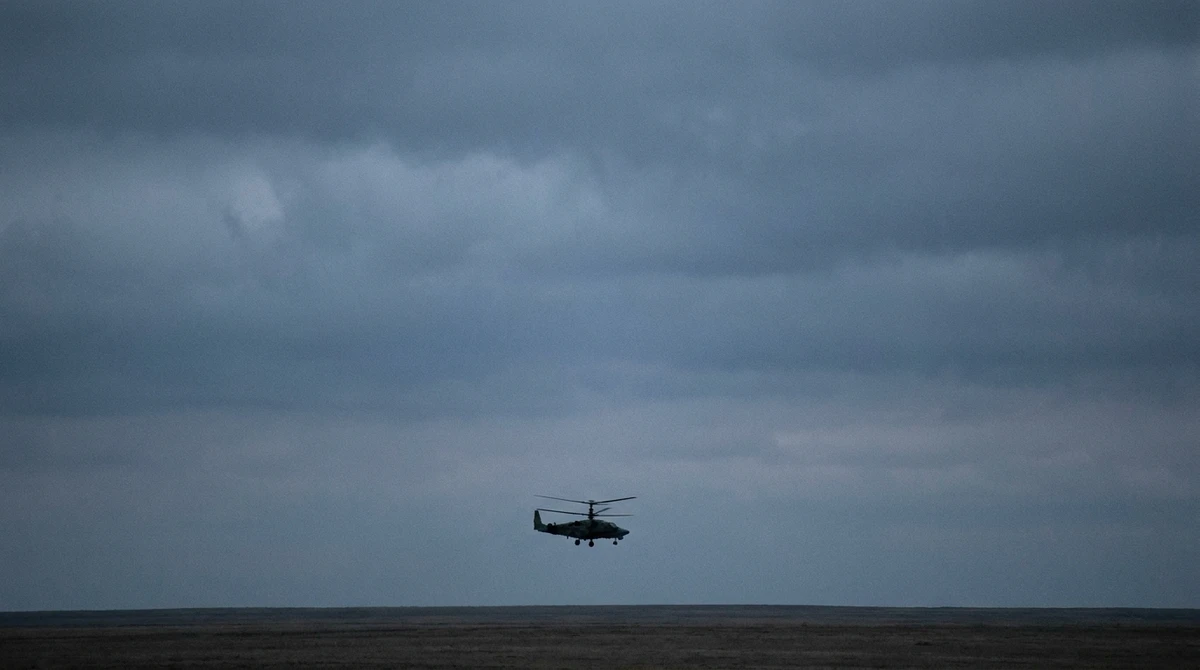
A Ka-52 Alligator attack helicopter lost on July 2 — its commander killed and the weapons officer ejecting safely, according to Defence Blog — has brought Russia's documented losses of the type to 42 since February 2022, according to GlobalMilitary.net's event database. That makes the coaxial-rotor gunship the most heavily attrited helicopter in Russian service through four and a half years of war in Ukraine.
Of the 42 recorded losses, 23 aircraft were shot down, seven were destroyed — including on the ground in Ukrainian strikes on air bases — three were lost in crashes, and nine were lost in circumstances Russia has not disclosed. The attrition curve tells the story of the war's evolving air defense environment: 21 Ka-52s were lost in 2022 alone, when the type flew low-level assault missions into dense Ukrainian MANPADS coverage, falling to 11 in 2023, four in 2024 and two in 2025 as crews shifted to stand-off tactics built around the LMUR long-range guided missile.
The trend has reversed in 2026, with four losses in the first half of the year — and a new threat profile. A Ka-52 was destroyed by kamikaze drones on the ground at Pugachevka airfield in Oryol Region in February, and another was downed near Pokrovsk in March by a Ukrainian FPV drone, a mode of attack that barely existed as a threat to helicopters when the war began. The cause of the July 2 loss has not been disclosed.
Attrition, however, has not shrunk the fleet. GlobalMilitary.net fleet records show around 138 Ka-52s in active Russian service in 2026 — 135 with the Aerospace Forces and three with Naval Aviation — up from 119 at the start of the full-scale invasion, as deliveries of new-build airframes, including the upgraded Ka-52M, have more than offset combat losses. Open-source tracker Oryx, which uses a broader methodology counting damaged and captured airframes as well as visually confirmed destructions, puts the type's cumulative toll above 60.
The Ka-52's loss record remains far ahead of Russia's other rotary types in the war: GMN data records 29 Mi-8 transport helicopters, 17 Mi-24/35s and 13 Mi-28s lost over the same period. Whether the FPV drone threat forces another tactical adaptation — or pushes the Alligator further back from the line of contact — will be one of the indicators to watch in the second half of 2026.
More News
All news →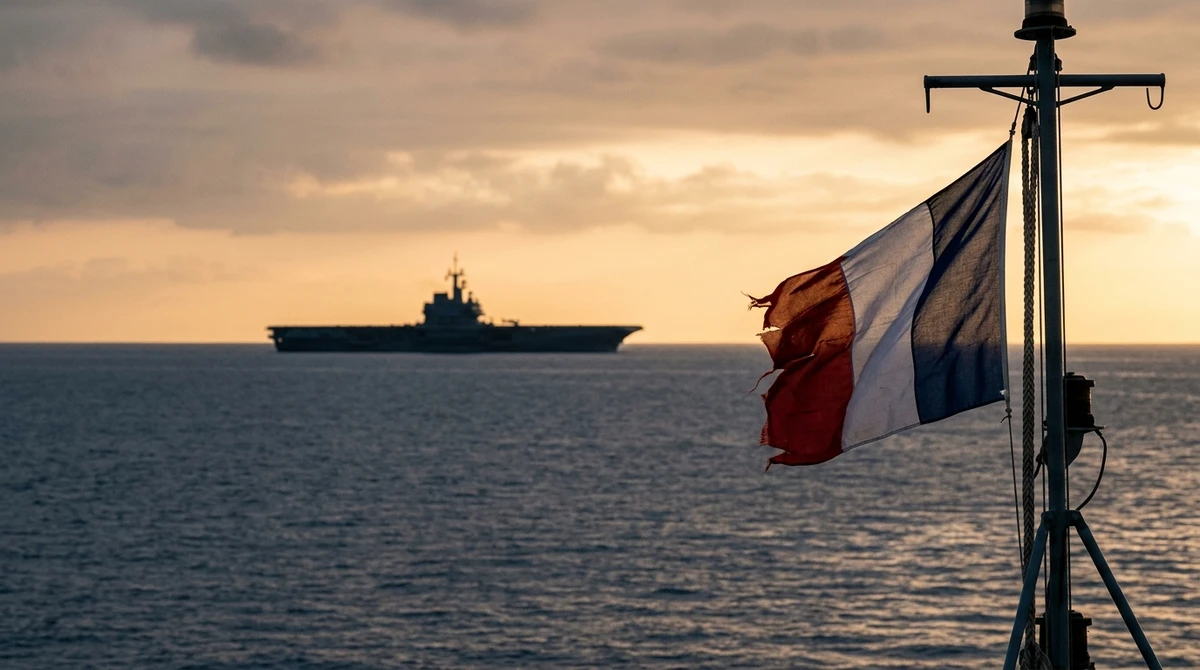
France Studies Keeping Charles de Gaulle Past 2038 as 24 Carriers Serve in Nine Navies
The French Navy's chief of staff told lawmakers on October 14 that studies due in early 2029 will decide whether the nuclear-powered Charles de Gaulle can sail on after its planned 2038 retirement, which would give France two carriers for the first time since the late 1990s.
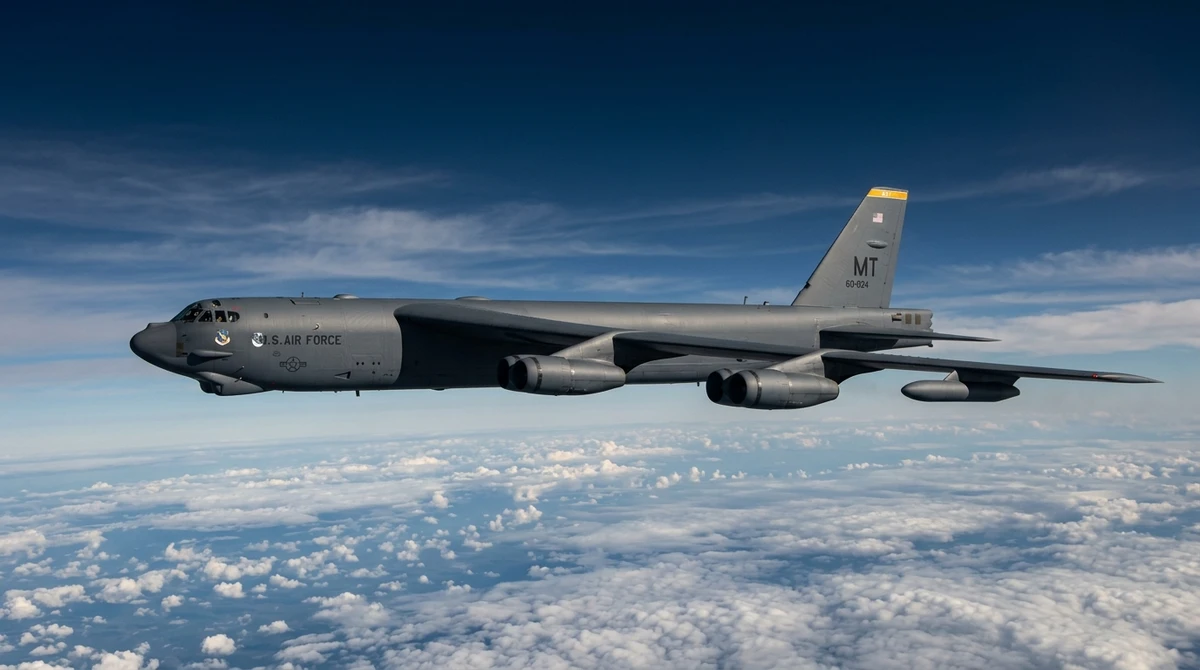
Why Hypersonic Glide Vehicles, Scramjet Cruise Missiles and the Kinzhal Are Three Different Weapons
Two flight tests in one week, the US Air Force's scramjet-powered HACM over Australia and South Korea's first hypersonic glide vehicle on October 8, shared one word for different machines; what sets them, and Russia's Kinzhal, apart is altitude, propulsion and maneuver, not speed.
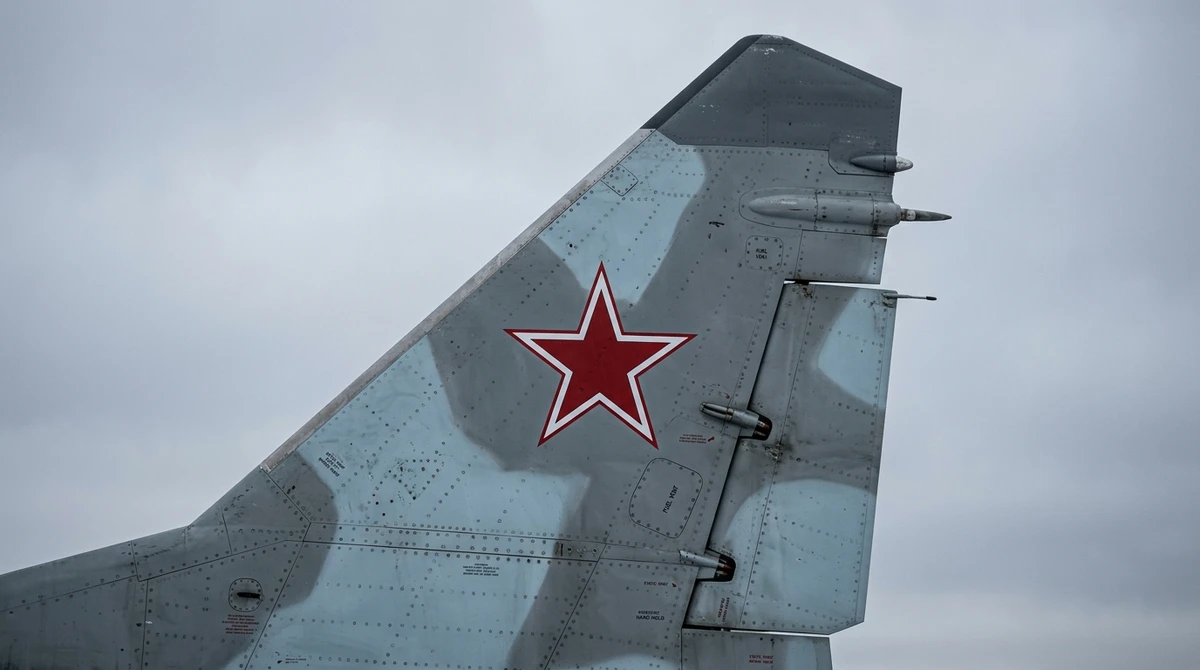
Su-34 Fullback Is the Combat Jet Russia Has Lost Most Often Since 2022, With 37 Airframes in GMN's Log
GlobalMilitary.net's log of documented losses records 37 Russian Su-34 airframes lost since February 2022, more than any other fixed-wing combat aircraft, as the destruction of a Fullback at Khanskaya Air Base on October 4 and a new delivery batch on October 7 bracket the latest week.
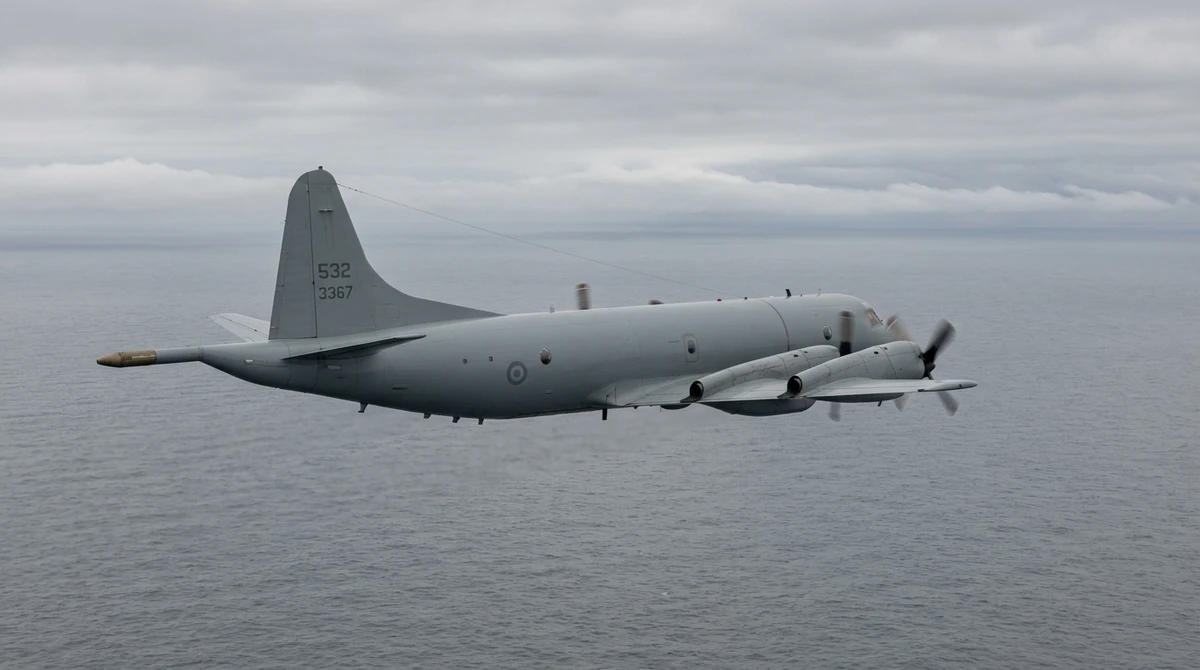
P-3 Orion Fleet Down to 101 Aircraft in 12 Countries, Roughly Half Its 2022 Size
GlobalMilitary.net's inventory data counts 101 P-3 Orions in military service across 12 countries, down from 211 in 16 countries in its 2022 snapshot, as US agencies retire special-mission Orions and Japan draws down the largest remaining fleet.
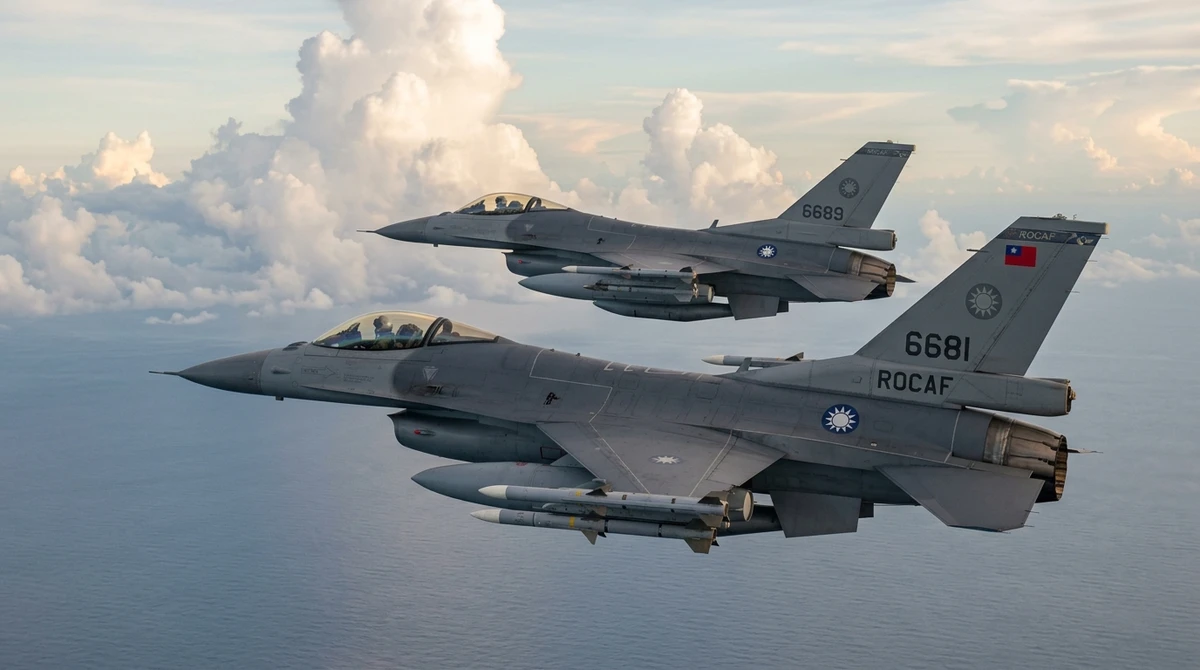
Taiwan Receives Its First Two F-16 Block 70s From the Largest F-16 Order Still Outstanding
The first two new-build F-16C Block 70 fighters landed at Chihhang Air Base on October 2, 2026, beginning deliveries on a 66-jet order that GMN's inventory data shows is the largest open F-16 order anywhere and that would lift Taiwan from seventh to fifth among F-16 operators on current figures.
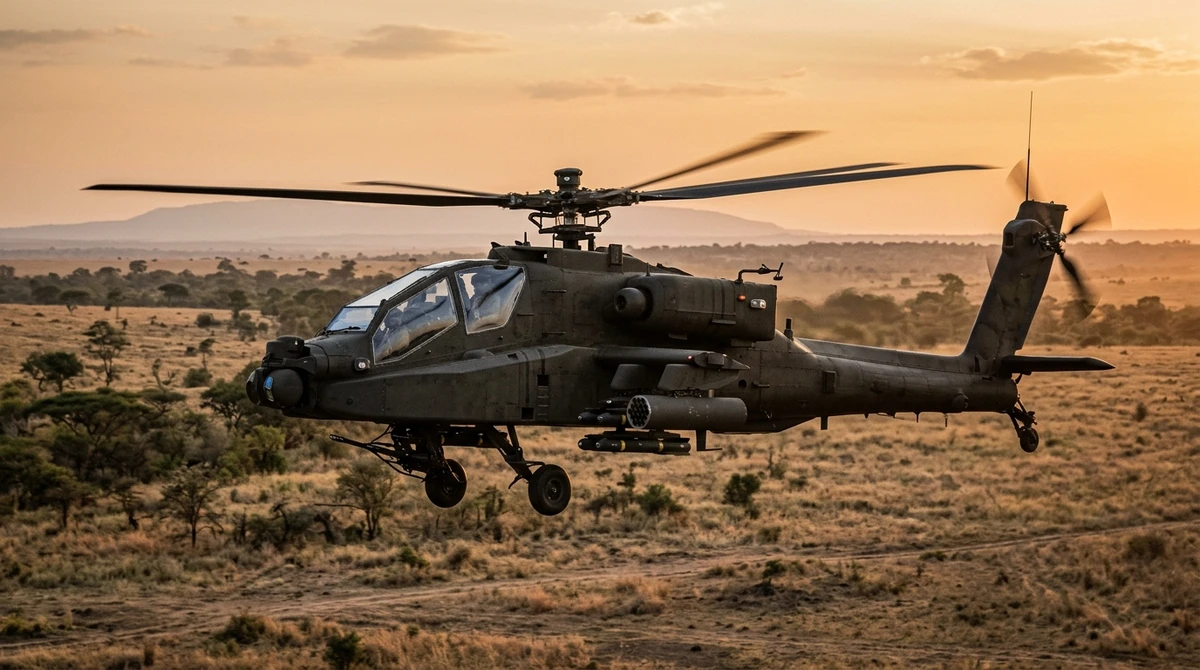
Australia Retires Its Tigers, Leaving Three Operators Among the World's 3,623 Attack Helicopters
The Australian Army has retired its Tiger attack helicopters, marking the fleet's sundown in Darwin on 30 September and leaving France, Germany and Spain as the only users; GlobalMilitary.net data counts 3,623 active attack helicopters in 81 countries.