Air Force and Anti-Aircraft Defence of Bosnia and Herzegovina

Key facts

Official Name Air Force and Anti-Aircraft Defence of Bosnia and Herzegovina
Local Name Ваздухопловство и противваздухопловна одбрана Оружаних снага Босне и Херцеговине
Country🇧🇦 Bosnia and Herzegovina
World rank#142
Active aircraft22 as of 2026
Aircraft on order0

Global Air Force Index

1.4
Global Rank: #142 / 162
The Global Air Force Index measures Air Force and Anti-Aircraft Defence of Bosnia and Herzegovina's overall air power capability on a 0-100 scale, based on fleet composition and combat effectiveness.
💥 Strategic Bombers 0 Nuclear-capable strike aircraft (highest weight)
✈️ Combat Aircraft 0 Fighters, multirole & attack aircraft
🚁 Helicopters 22 Attack, transport & utility rotorcraft
🛫 Transport 0 Strategic & tactical airlift
📊 Total Active 22 All aircraft types

Methodology: Square root scaled index weighted by aircraft combat capability. Strategic bombers score highest due to nuclear strike capability.

Aircraft by type in 2026

Aircraft type Active
Helicopter Helicopter 22

Origin countries of aircraft

Country Active Aircraft
🇺🇸 United States 9
🇫🇷 France 8
🇨🇳 Ex-USSR 5

Evolution of Bosnian Air Force fleet

Overview

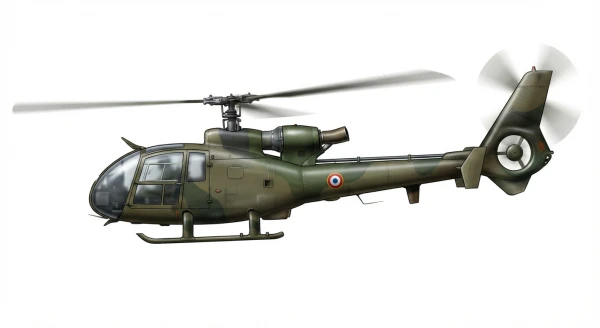
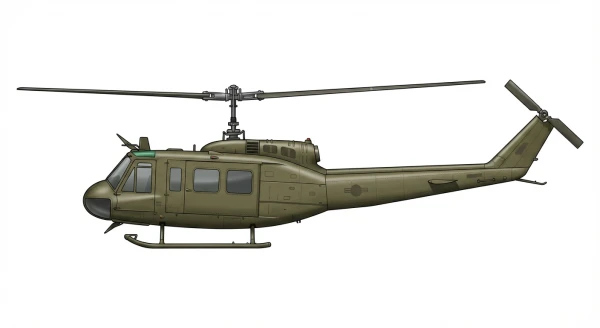
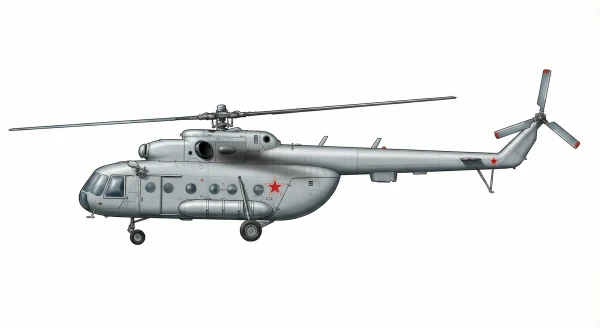
The Air Force and Air Defence Brigade of Bosnia and Herzegovina is a component of the unified Armed Forces of Bosnia and Herzegovina, formed in 2006 from the former warring factions' air arms. Its command is located in Sarajevo, with operational units distributed between airbases at Sarajevo and Banja Luka. The brigade's structure includes a 1st Helicopter Squadron at Banja Luka operating Mi-8T and Gazelle helicopters, and a 2nd Helicopter Squadron at Sarajevo flying UH-1H and Mi-8/17 helicopters. Ground-based elements consist of an Air Defence Battalion, an Early Warning and Surveillance Battalion, and a Flight Support Battalion.

The force's operational capabilities are centered on non-combat roles. Its strategic doctrine, outlined in the Defence White Paper of Bosnia and Herzegovina, prioritizes support for civilian authorities in crisis situations, participation in international peace support operations, and ensuring the country's territorial integrity. Core tasks include medical evacuation, law enforcement support, border control assistance, and disaster relief. The force structure lacks fixed-wing combat aircraft, limiting its capabilities to transport, reconnaissance, and limited fire support from its helicopter assets. Interoperability with NATO is a stated long-term goal.

Full inventory in 2026

Air Force Brigade of Bosnia and Herzegovina

Aircraft Type Model Origin Country Model Year Active 𝚫 YoY Ordered
HelicopterHelicopter UH-1H 🇺🇸 1959 9
-1
0
HelicopterHelicopter SA341/342 🇫🇷 1971 8
0
0
HelicopterHelicopter Mi-8/17 🇨🇳 1967 5
-1
0

Frequently Asked Questions

How many aircraft does Bosnia and Herzegovina have?
Air Force and Anti-Aircraft Defence of Bosnia and Herzegovina operates 22 active military aircraft as of the current year. Additionally, 0 aircraft are currently on order.
How does Bosnia and Herzegovina's air force rank globally?
Air Force and Anti-Aircraft Defence of Bosnia and Herzegovina ranks #142 out of 162 air forces worldwide based on the Global Air Force Index, which measures overall air power capability considering fleet size and combat effectiveness.
How many military helicopters does Bosnia and Herzegovina have?
Air Force and Anti-Aircraft Defence of Bosnia and Herzegovina operates 22 military helicopters, including attack, transport, and utility rotorcraft used for various combat and support missions.
What is the Air Force Index of Bosnia and Herzegovina?
Bosnia and Herzegovina has an Air Force Index score of 1.4 out of 100. This composite score measures overall air power capability, with strategic bombers weighted highest due to their nuclear strike potential, followed by combat aircraft, helicopters, and transport planes.
Where does Bosnia and Herzegovina get its military aircraft from?
Bosnia and Herzegovina sources its military aircraft primarily from United States, France, and Ex-USSR. The fleet composition reflects both domestic production capabilities and international defense partnerships.
Various public data, including Wikipedia, Flightglobal.com, SIPRI Arms Transfer and official government websites.
Last updated on 27 June 2025. Suggest a change