Military Strength: 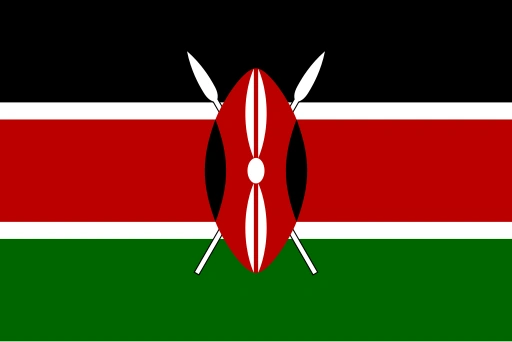 Kenya vs
 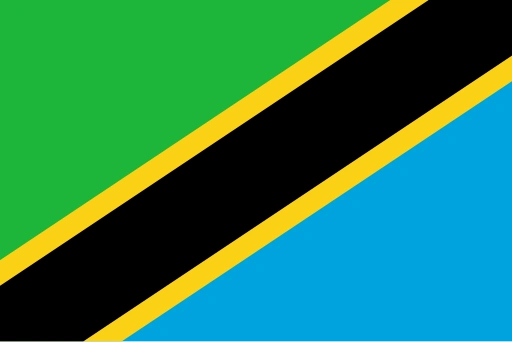 Tanzania
Kenya (ranked #78 globally) holds a stronger overall military position than Tanzania (#91) on the ATLAS Index. Kenya fields 24,100 active troops vs 27,000 for Tanzania, backed by 80,000 reserves and 1,400 paramilitary. Kenya allocates $1.3B to defense compared to $1B for Tanzania.
ATLAS (Aggregate Total of Land, Air and Sea strength) Index face-off Full ranking →
Kenya
Tanzania
Pillar scores 0–100 (weight under each label) over a headline figure from that domain · each conventional pillar read after its branch's availability proxy · Methodology
Key figures
| Kenya | Tanzania | Ratio | |
|---|---|---|---|
| Defense budget | $1.3B | $1B | 🇰🇪 1.3× |
| – share of GDP | 1.1% | 1.3% | 🇹🇿 1.2× |
| Active personnel | 24,100 | 27,000 | 🇹🇿 1.1× |
| Combat aircraft | 23 | 17 | 🇰🇪 1.4× |
| Warships | 22 | 0 | 🇰🇪 |
| – submarines | 0 | 0 | — |
| Main battle tanks | 78 | 52 | 🇰🇪 1.5× |
| Nuclear warheads | 0 | 0 | — |
Show full breakdown · 11 more rowsHide the 11 extra rows
| Reserve troops | 0 | 80,000 | 🇹🇿 |
| Paramilitary forces | 5,000 | 1,400 | 🇰🇪 3.6× |
| Military aircraft (all types) | 159 | 40 | 🇰🇪 4.0× |
| – helicopters | 84 | 15 | 🇰🇪 5.6× |
| Budget share of govt spending | — | — | — |
| Budget per capita | $23 | $15 | 🇰🇪 1.6× |
| Population | 57.5M | 70.5M | 🇹🇿 1.2× |
| GDP | $136B | $90B | 🇰🇪 1.5× |
| GDP per capita | $2,363 | $1,278 | 🇰🇪 1.8× |
| Land area | 569,140 km² | 885,800 km² | 🇹🇿 1.6× |
| Coastline | 536 km | 1,424 km | 🇹🇿 2.7× |
Backbone systems most numerous in service
Defense budget history Kenya ×1.1 · Tanzania ×1.3 since 2020
Military personnel history
Explore this matchup
Go deeper · same matchup, other lenses
Change opponent
Related comparisons & rankings
Analyst Assessment
Verdict
Edge: Kenya
Kenya holds a clear qualitative advantage in aerial strike capabilities, armored platforms, and cyber operations, but Tanzania possesses the strategic depth, localized industrial sustainment, and vast manpower required to absorb initial shocks and drag out a conflict.
Domain by domain
Air Power
Edge: Kenya
🇹🇿 TanzaniaJ-7G fighters, legacy interceptors, limited modern ISR
Ground Forces
Edge: Kenya
🇰🇪 Kenya188 MBTs (Vickers Mk 3), Special Operations Regiment
🇹🇿 Tanzania62 MBTs (Type 59G), massive 80,000 reserve pool
Naval
Even
🇰🇪 KenyaLittoral patrol vessels, domestic shipyard maintenance
🇹🇿 TanzaniaChinese-designed FACs, extensive 1,424 km coastline
Emerging/Cyber
Edge: Kenya
🇰🇪 KenyaDedicated Cyber Command, AI-integrated "Project Horizon"
🇹🇿 TanzaniaNascent digitization efforts, traditional C2
Wildcards
- Foreign Strategic Support Kenya’s status as a Major Non-NATO Ally could provide rapid US intelligence and logistical lifelines, while Tanzania could leverage its deep Chinese supply chains for rapid equipment replacement.
- Cyber and Electronic Warfare Kenya’s award-winning military Cyber Team could compromise Tanzania's communication networks and disrupt reserve mobilization prior to kinetic engagements.
- Two-Front Distractions Both militaries are heavily engaged in peripheral security operations (al-Shabaab for Kenya, Cabo Delgado spillover for Tanzania). A conventional conflict would force sudden, chaotic redeployments.
Outlook
| Scenario | Short war | Protracted war |
|---|---|---|
| Conventional | 🇰🇪 Kenya secures tactical gains | Even Exhaustion and territorial stalemate |
| Hybrid/Asymmetric | 🇰🇪 Kenya leverages ISR and UAVs | 🇹🇿 Tanzania's mass absorbs attrition |
Analysis generated by a language model from the figures on this page and public sources; it is an informed reading, not a military assessment or a prediction.
Frequently Asked Questions
Who has more military personnel, Kenya or Tanzania?
Tanzania has approximately 27,000 active military personnel compared to Kenya's 24,100.
Which country has more combat aircraft, Kenya or Tanzania?
Kenya operates 23 combat aircraft compared to Tanzania's 17. This includes fighters, strike aircraft, and multirole combat jets.
Who has the larger navy, Kenya or Tanzania?
Kenya has a larger navy with 22 warships compared to Tanzania's 0.
Which country spends more on defense, Kenya or Tanzania?
Kenya has a larger defense budget at $1.3 billion compared to Tanzania's $1 billion annually.
Do Kenya and Tanzania have nuclear weapons?
Neither Kenya nor Tanzania currently possesses nuclear weapons.
How do the tank forces of Kenya and Tanzania compare?
Kenya operates 78 main battle tanks compared to Tanzania's 52. Tank numbers reflect both active inventory and reserves.