
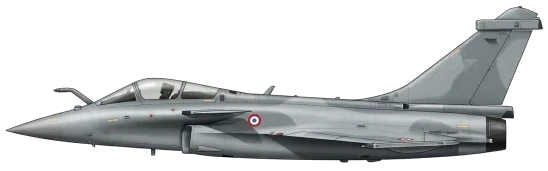
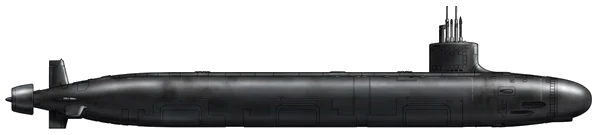
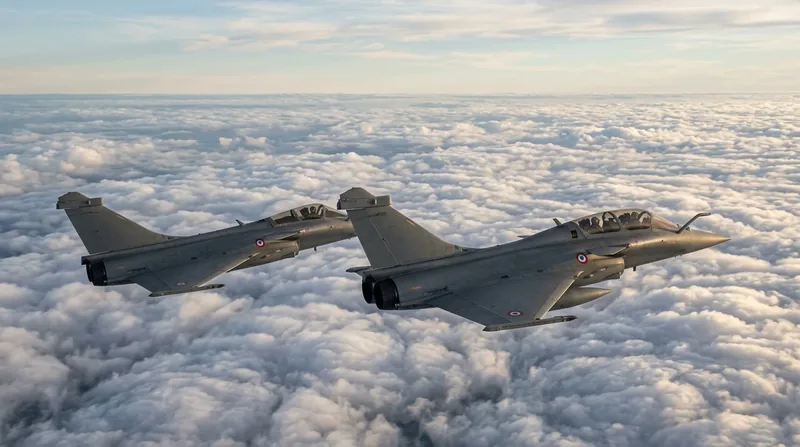
Rafale Versions and Standards
How the Rafale C, B and M versions differ, what each standard from F1 to F5 added, and why one airframe moves through several standards over its life.
Inventories are lists; guides are maps. Each guide decodes one arsenal — the designation systems, the family lineages, the timeline and the capabilities that matter — and links every system to its full specification page.
| Guide | Entered service | Covers |
|---|---|---|
| NATO Reporting Names — Aircraft 168 names Fulcrum, Bear, Felon: the code names NATO assigns to Soviet, Russian and Chinese aircraft — the first letter gives the role, the syllable count the engine type — matched to the real designation of every aircraft on file. e.g. Backfire · Fagin · Haitun · Mace |
19502020
|
168names |
| NATO Reporting Names — Missiles 238 names AA-11 Archer, SS-18 Satan: every NATO and US DoD missile designation on file, with the prefix grammar that encodes launcher and target before the name is even read. e.g. AA-10 Alamo · AS-10 Karen · AT-10 Stabber · ABM-1 Galosh |
19602020
|
238names |
| NATO Reporting Names — Submarines 67 names From Whiskey to Akula to the Chinese dynasties: how NATO names the submarine classes it tracks, matched to the real project designations behind them. e.g. Akula · Alfa · Charlie I · Charlie II |
19602020
|
67names |
| Chinese Missiles 49 systems Every Chinese missile carries up to three names: a PLA designation (DF-21), a US/NATO reporting name (CSS-5) and often an export label (M-9, C-802). This guide decodes the designation system, maps each family's lineage from the Soviet transfers of the 1950s to today's hypersonic weapons, and links every missile to its full specification page. e.g. C-101 · C-601 · C-801 · C-802 |
19602020
|
49systems |
| The Chinese Navy 50 systems Every Chinese warship class carries up to three names: a Type number (Type 055), a NATO reporting name (Renhai) and a lead-ship class name (Nanchang class). This guide decodes the numbering system, maps the destroyer and submarine lineages, and links every class to its full specification page. e.g. Adhafer · Hangor · Tughril · Type 001 |
19702020
|
50systems |
| Russian Missiles 104 systems Every Russian missile carries up to three names: an industrial GRAU index (9K720), a design name (Iskander) and a NATO reporting name (SS-26 Stone). This guide decodes all three systems, maps the strategic, cruise, anti-ship and air-defense families from the early Cold War to the hypersonic claims of the 2020s, and links every missile to its full specification page. e.g. 2K11 · 2K12 Kub · 2K22 Tunguska · 3M11 Fleyta / 9M17 Falanga |
19602020
|
104systems |
| Iranian Missiles 24 systems Iranian missiles carry names from scripture and the Iran–Iraq war, not a designation system. This guide sorts the arsenal into its real lineages — Scud, Nodong and Musudan heritage on the liquid side, the indigenous Fateh and Sejjil lines on the solid side — separates claimed from demonstrated ranges, and links every missile to its full specification page. e.g. AD-08 Majid · Bavar-373 · Dezful · Emad |
19902020
|
24systems |
| US Missile Designations 57 systems Almost every US military missile carries a three-letter designation that states where it is launched from, what it attacks and what kind of vehicle it is, followed by a design number and a version letter: AIM-120D is the fourth version of design number 120, launched from the air to intercept aircraft. This guide decodes the system, explains how popular names such as AMRAAM, Tomahawk, SM-6 and Patriot relate to it, and links every US missile to its specification page. e.g. AGM-114 Hellfire · AGM-12 Bullpup · AGM-129 ACM · AGM-158 JASSM |
19602020
|
57systems |
| US Navy Hull Classification Symbols 70 systems Every US Navy ship carries a hull classification symbol and a number: CVN-78, DDG-125, SSBN-826, T-AO-205. The letters give the type, the suffixes add propulsion and weapons, the T- prefix says who crews the ship, and the number is a serial within the type. This guide decodes the system, tracks the symbols the Navy retired or renamed, and links every class to its specification page. e.g. America · Arleigh Burke · Austin · Avenger |
19602020
|
70systems |
| US Aircraft Designations 98 systems A US aircraft designation is a short sentence: KC-46A reads "tanker, transport, 46th design, first model". This guide decodes the 1962 Tri-Service system letter by letter — status prefix, mission, vehicle type, design number, series — explains the numbers that were skipped, reused or taken out of order, from the F-117 to the B-21, and links every type to its full specification page. e.g. A-1 Skyraider · A-10 Thunderbolt II · A-37 Dragonfly · A-4 Skyhawk |
19602020
|
98systems |
| Russian Armour Designations 35 systems A Russian armoured vehicle can carry three names at once: a service designation (T-72B3M), the factory Object number it was developed under (Object 184, the T-72B) and, for artillery, a GRAU index (2S19). The prefix gives the type, the number the model, the trailing letters the upgrade standard — and an export copy gets a letter of its own. This guide decodes the system from the T-54 to the T-14, with every vehicle linked to its specification page. e.g. 2A18 (D-30) · 2A36 Giatsint-B · 2A65 Msta-B · 2S1 Gvozdika |
19502020
|
35systems |
| Soviet and Russian Naval Project Numbers 90 systems Every Soviet and Russian warship class has a project number — Project 949A, Project 885M, Project 636.3, Project 22350 — and most carry two more names on top: a Russian name (Antey, Yasen, Varshavyanka) and a NATO reporting name (Oscar II, Severodvinsk, Improved Kilo), which rarely match. This guide explains how the numbers are built, what the suffix letters and the dot mean, how the Soviet type codes read, and links every project to its specification page. e.g. Admiral Grigorovich · Admiral Kuznetsov · Admiral Sergei Gorshkov · Akula |
19502020
|
90systems |
| Chinese Aircraft Designations 56 systems A Chinese aircraft designation is a pinyin initial and a number: J-10C reads "fighter, tenth design, third version", KJ-500 "air warning, 500". This guide decodes the 1964 system letter by letter — role prefixes, the numbers that start at 5, the suffix letters, the second-letter modifiers of trainers and tankers — then the Soviet originals behind the early types, the export names from F-7 to Wing Loong, and the NATO reporting names, and links every type to its full specification page. e.g. ASN-209 Silver Eagle · BZK-005 Giant Eagle · CH-3 Rainbow · CH-4 Rainbow |
19602020
|
56systems |
| US Bomb Designations 52 systems A US bomb designation names a part, not a weapon: GBU-31 is a guidance kit, Mk 84 and BLU-109 are the warheads it bolts onto, and GBU-31(V)3/B is the complete 2,000 lb penetrating JDAM. This guide decodes the GBU, BLU, CBU, KMU and SUU prefixes of the Air Force system, the Navy's Mark and Mod numbers, the B-series of nuclear bombs and the version grammar of the dash, the (V) and the slash B, and links every US bomb to its specification page. e.g. AASM Hammer · AGM-154 JSOW · B28 · B43 |
19502020
|
52systems |
| Soviet and Russian Aircraft Designations 128 systems A Soviet aircraft is named for the bureau that drew it, not for its job: Su-30MKI reads "Sukhoi design 30, modernised, export, India". This guide decodes the system set up in December 1940 — the bureau prefix, the odd-even numbering, the suffix letters, the T-10 and izdeliye 9.12 project numbers underneath, and the NATO reporting name beside it — through the UAC era of the Su-57, Su-75 and MiG-35, with every type linked to its specification page. e.g. A-40 Mermaid · A-50 Mainstay · An-124 Condor · An-14 Clod |
19502020
|
128systems |
| US Army Vehicle Designations 43 systems A US Army vehicle designation is a model number with a status prefix and a modification suffix: M1A2 reads "model 1, second alteration", XM30 "model 30, still in development". The package names that follow it, SEPv3, ODS, DVH, PIM, are not part of the nomenclature at all. This guide decodes the system from the M4 Sherman to the XM30, explains why the Big Five restarted the numbers, and links every vehicle to its specification page. e.g. AAV-7A1 · Cadillac Gage Stingray · Cougar · Expeditionary Fighting Vehicle (EFV) |
19502020
|
43systems |
How the Rafale C, B and M versions differ, what each standard from F1 to F5 added, and why one airframe moves through several standards over its life.
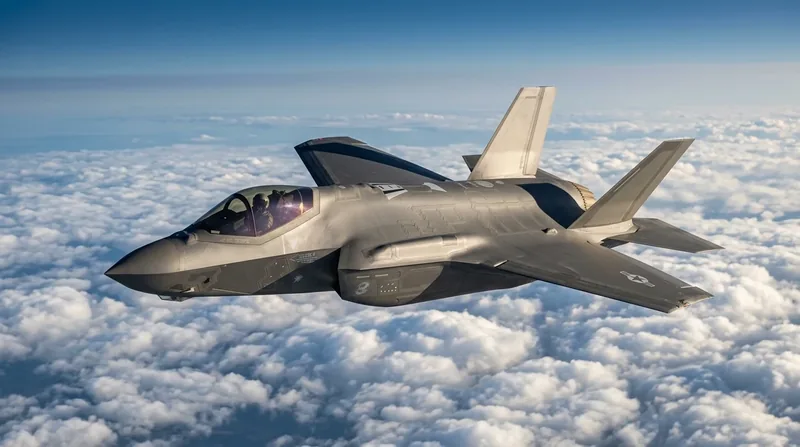
How the F-35A, B and C differ, what the TR-2 and TR-3 hardware baselines and the Block 2B to Block 4 software releases add, and why the full Block 4 needs TR-3 aircraft.
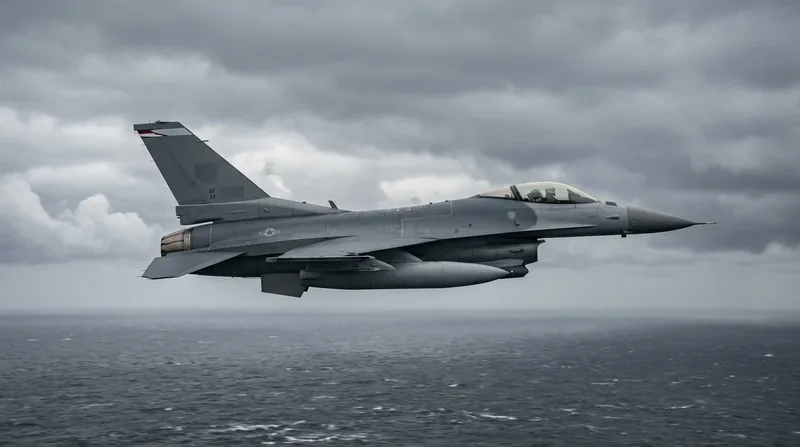
How to read an F-16 designation, from the model letter and production block to the upgrade programs retrofitted later, what Block 70/72 and F-16V actually mean, and who flies what in 2026.
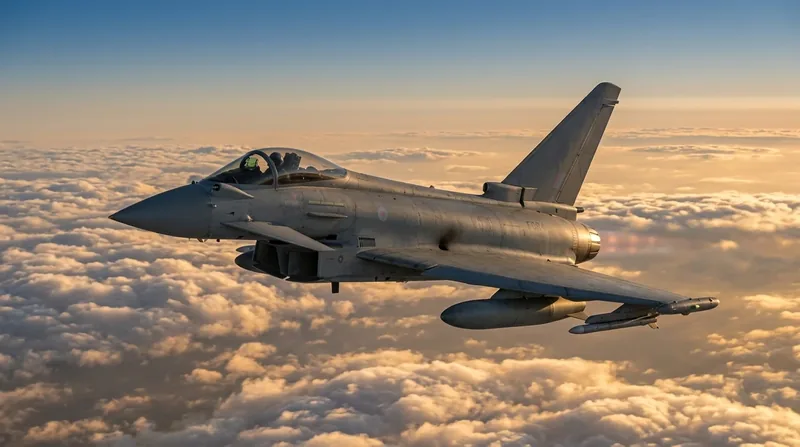
How to read a Eurofighter's tranche, Phase Enhancement package and radar fit, why Tranche 1 sits outside the common upgrade path, and which air forces fly which standard in 2026.
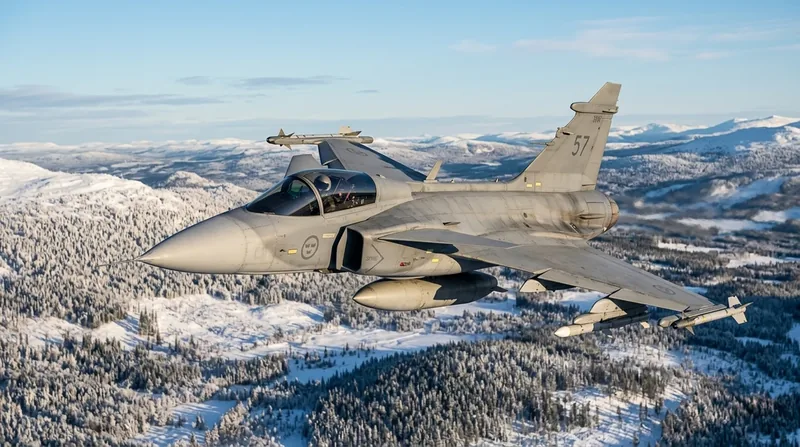
What the Gripen's A/B, C/D and E/F letters, Swedish production batches and MS software editions mean, why the Gripen E is a new airframe rather than an upgraded C, and which countries fly which.
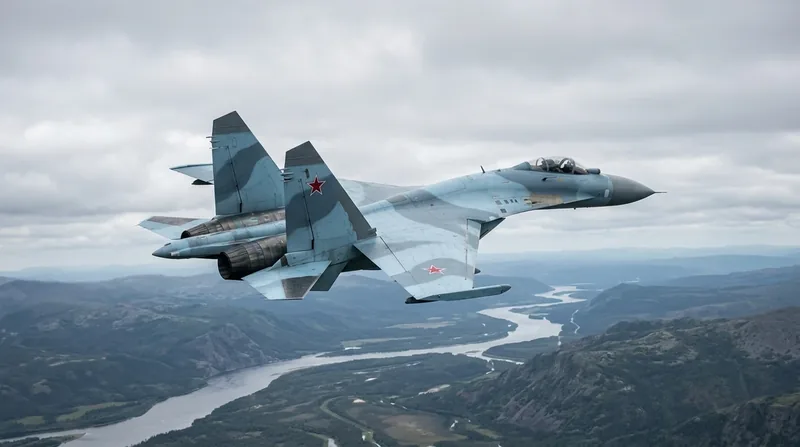
How to read a Flanker designation: Sukhoi's T-10 codes, the Su-27 suffixes, the renumbered Su-33, Su-34 and Su-35, NATO's reporting names, China's J-11 line and who flies which type in 2026.
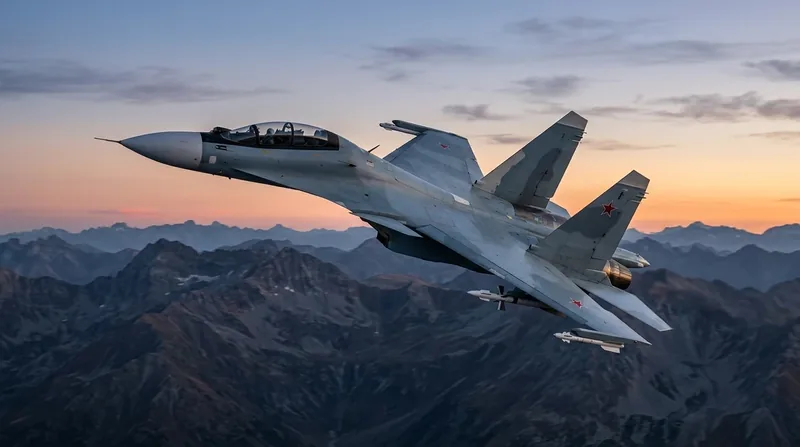
How to read a Su-30 designation: the two production lines, what each suffix letter means, which upgrade programs change the name and which do not, and who flies which version in 2026.
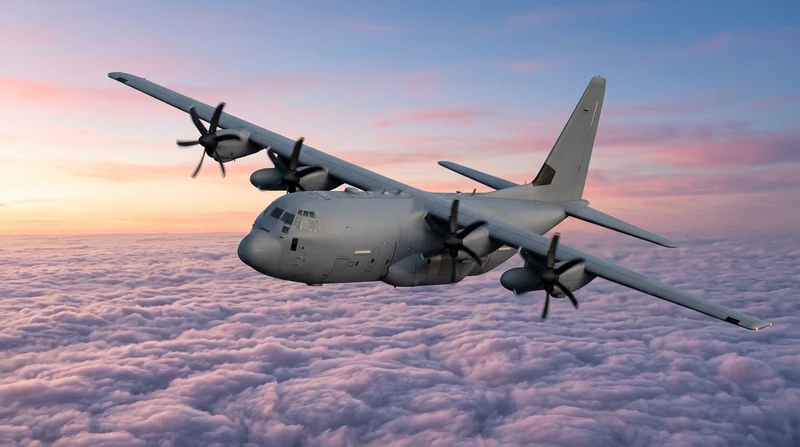
How to read a C-130 designation: model letters A to J, the J-30 stretch, Block 8.1, the KC, HC, MC, AC, EC, WC and LC prefixes, and who flies which version.
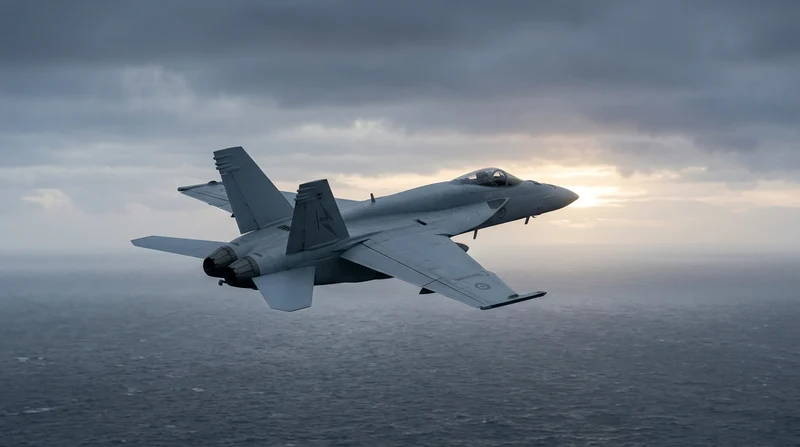
How the legacy Hornet A to D, the Super Hornet E/F in Blocks I to III and the EA-18G Growler differ, what SLM and Block III add, who flies which, and what follows the last new Super Hornet in 2027.
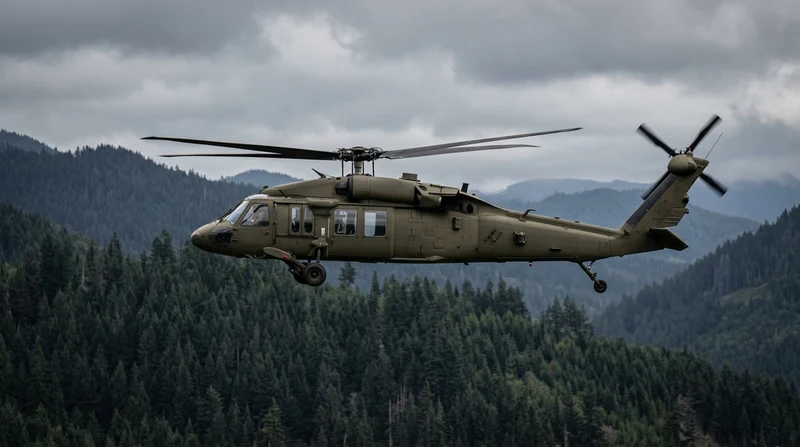
How to read an H-60 designation: the Army model letters A, L, M and V, the HH, MH and SH prefixes, the S-70 export numbers, and who flies which version in 2026.
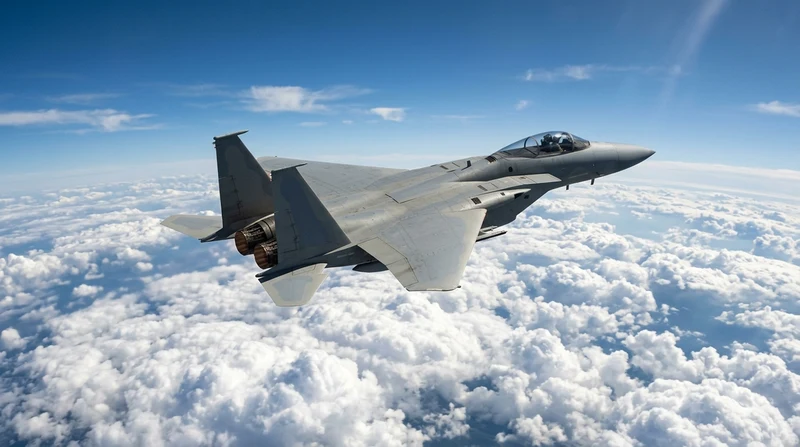
How to read an F-15 designation: the A to D Eagles, the F-15E Strike Eagle and its exports, the fly-by-wire F-15EX, upgrades and who flies what in 2026.
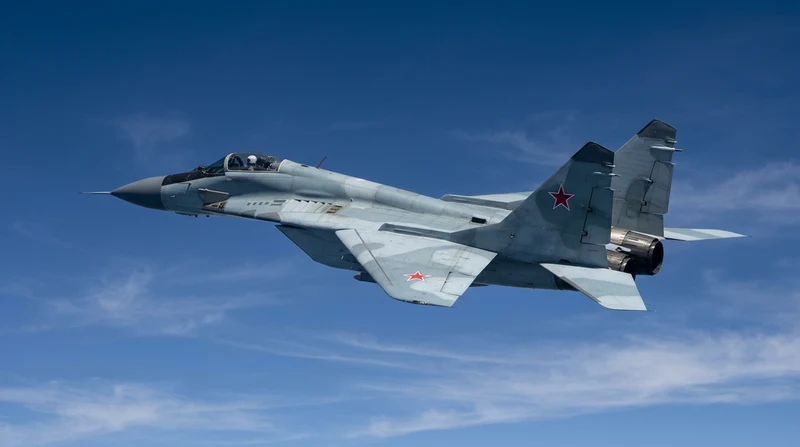
How to read a MiG-29 designation: izdeliye numbers, suffix letters, the upgrades that keep the name, the MiG-29K, the MiG-35 and who flies which in 2026.
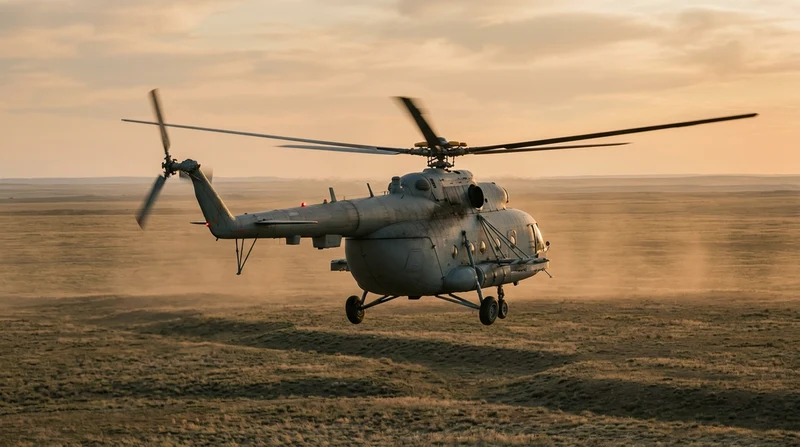
How to read a Mi-8 or Mi-17 designation: why the Mi-17 is a re-engined Mi-8, which number means Kazan or Ulan-Ude, what each suffix means, who upgrades them where and who flies which version in 2026.
| Guide | Entered service | Covers |
|---|---|---|
| US Military Drones 34 systems A drone designation is a sentence: MQ-9 reads "multi-mission unmanned aircraft, ninth design". This guide decodes the MQ/RQ lettering and its experimental prefixes, follows the line from Vietnam-era target drones to the Predator dynasty and today's fighter-like Collaborative Combat Aircraft, and links every drone to its full specification page. e.g. AQM-34 Lightning Bug · Aerosonde · BQM-167 Skeeter · BQM-74 Chukar |
19702020
|
34systems |
| French Fighter Aircraft 20 systems Nearly every French fighter for seventy years has come from one company. This guide decodes the Dassault names — Ouragan, Mystère, Mirage, Rafale — and the Mirage variant grammar, follows the single line of descent from the first French jet to the omnirole Rafale, and links every aircraft to its full specification page. e.g. Alpha Jet · Atlas Cheetah · Jaguar · Kfir |
19502020
|
20systems |
| Soviet & Russian Fighters 41 systems Fagot, Fishbed, Flanker, Felon: for seventy years NATO has catalogued Soviet and Russian fighters under F-names while the design bureaus — MiG, Sukhoi, Yakovlev — fought their own duel. This guide decodes both naming systems, follows each bureau's line from the Great Patriotic War to the Su-57, and links every aircraft to its full specification page. e.g. Il-10 Beast · Il-2 Sturmovik · J-11 Responsive Dragon · J-15 Flying Shark |
19502020
|
41systems |
| Chinese Fighter Aircraft 26 systems Chinese combat aircraft are named by a one-syllable mission prefix — J for fighter, H for bomber, Q for attack — and their history is a single arc: three decades of building Soviet designs, three of copying them without help, and two of building things nobody else flies. This guide decodes the designations, maps what copies what, and links every aircraft to its full specification page. e.g. H-5 · H-6 · Il-28 Beagle · J-10 Vigorous Dragon |
19602020
|
26systems |