Strategic Position
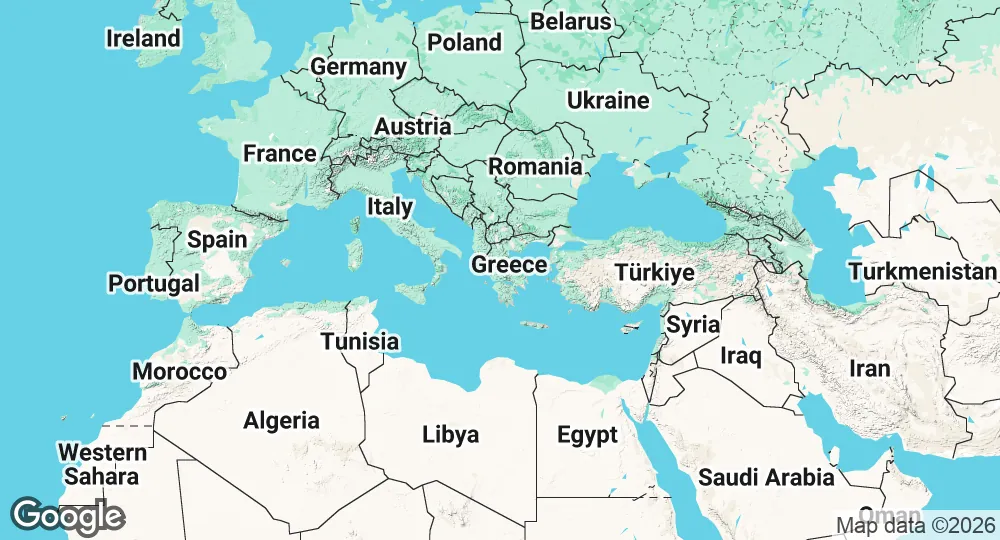
Greece occupies a position at the intersection of Europe, Asia, and Africa, with its security policy defined by maritime and territorial disputes in the Eastern Mediterranean. Primary concerns center on the status of the continental shelf and exclusive economic zones in the Aegean Sea, as well as the ongoing division of Cyprus. Greece is a member of NATO and the European Union, participating in the Permanent Structured Cooperation (PESCO) framework.
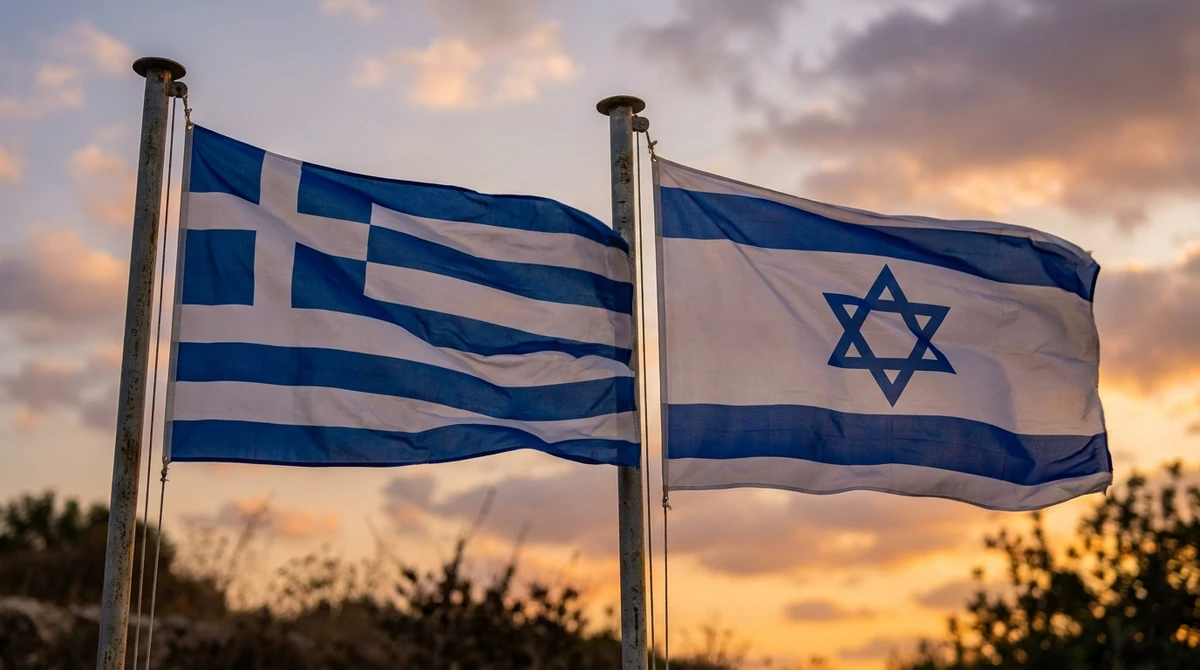
Strategic depth is maintained through a network of bilateral and multilateral agreements. A Mutual Defense and Security Cooperation Agreement (MDCA) with the United States provides American forces access to installations at Souda Bay, Alexandroupolis, and Larissa. Furthermore, a 2021 strategic partnership with France includes a mutual assistance clause in the event of armed aggression. Regional cooperation is also formalized through trilateral frameworks with Cyprus, Israel, and Egypt, focusing on energy security and maritime stability.
Military Forces
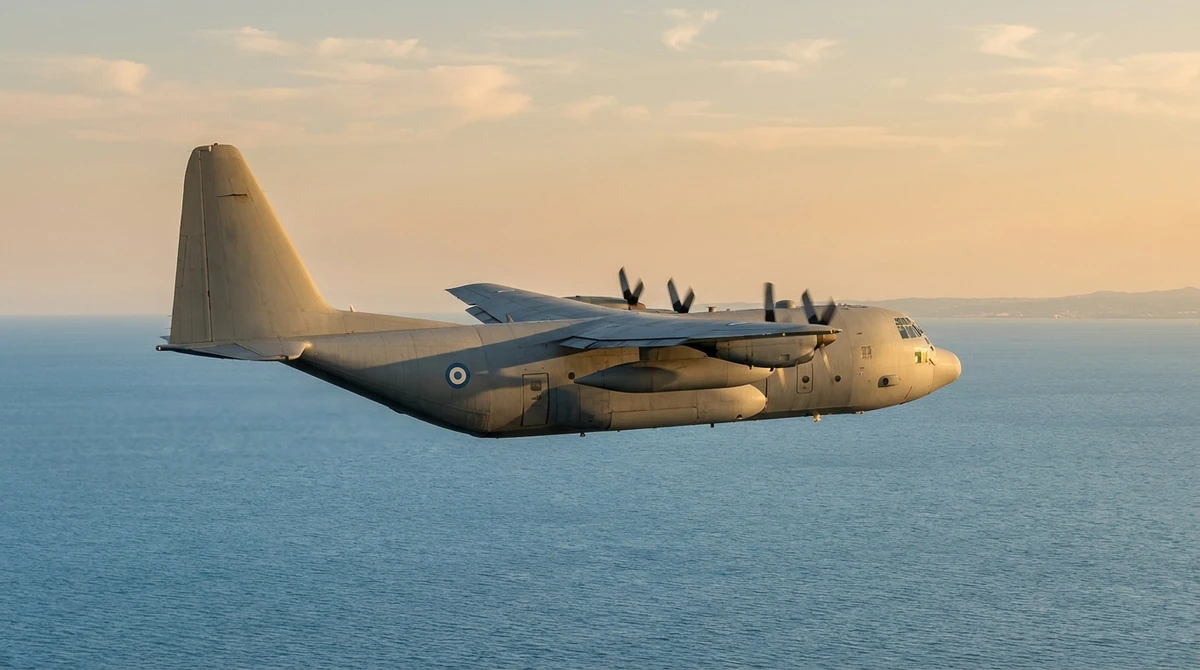
The Hellenic Armed Forces are organized under the Hellenic National Defence General Staff (HNDGS) and consist of the Hellenic Army, Hellenic Navy, and Hellenic Air Force. As of 2025, the military maintains approximately 140,000 active-duty personnel and a reserve force of 220,000. Under the "Agenda 2030" reform, the structure of conscription shifted on January 1, 2026, to allocate all conscripts exclusively to the Hellenic Army, while the Navy and Air Force transitioned to a fully professional cadre. Military service remains mandatory for males, with durations ranging from 9 to 12 months depending on the deployment location.
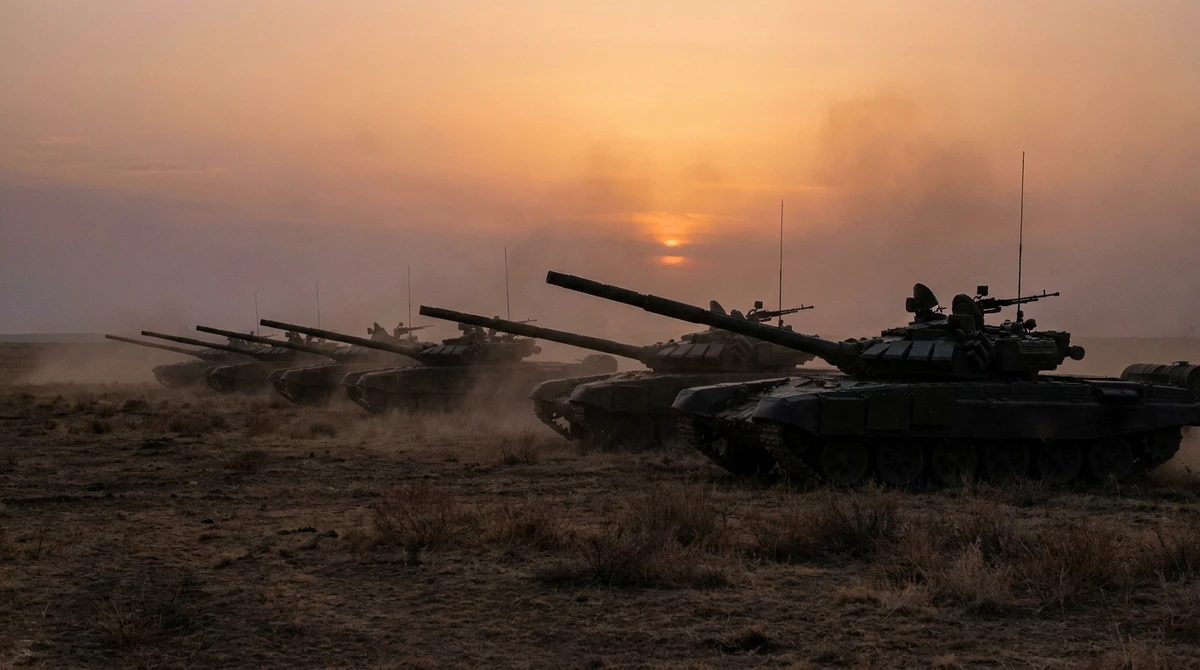
The Hellenic Army operates a fleet of main battle tanks led by Leopard 2A6 HEL and Leopard 2A4 variants, supported by Leopard 1A5 units. Mechanized infantry capabilities are provided by M113 armored personnel carriers and Leonidas vehicles. Artillery units utilize PzH 2000 self-propelled howitzers, M109 variants, and M270 Multiple Launch Rocket Systems.
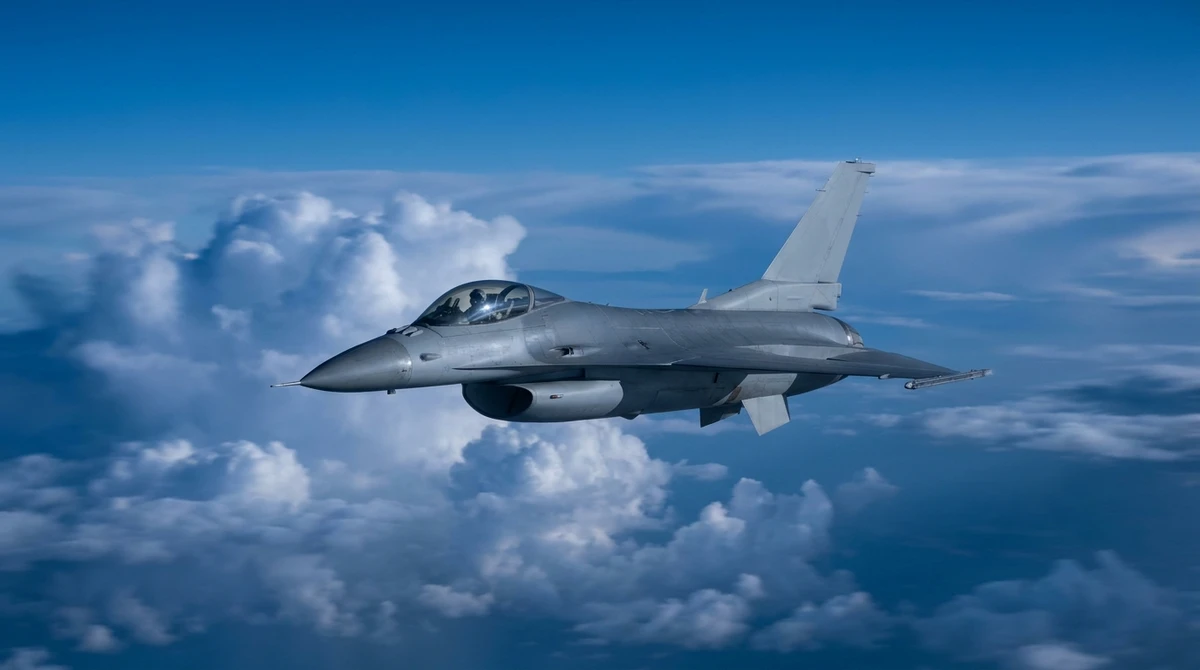
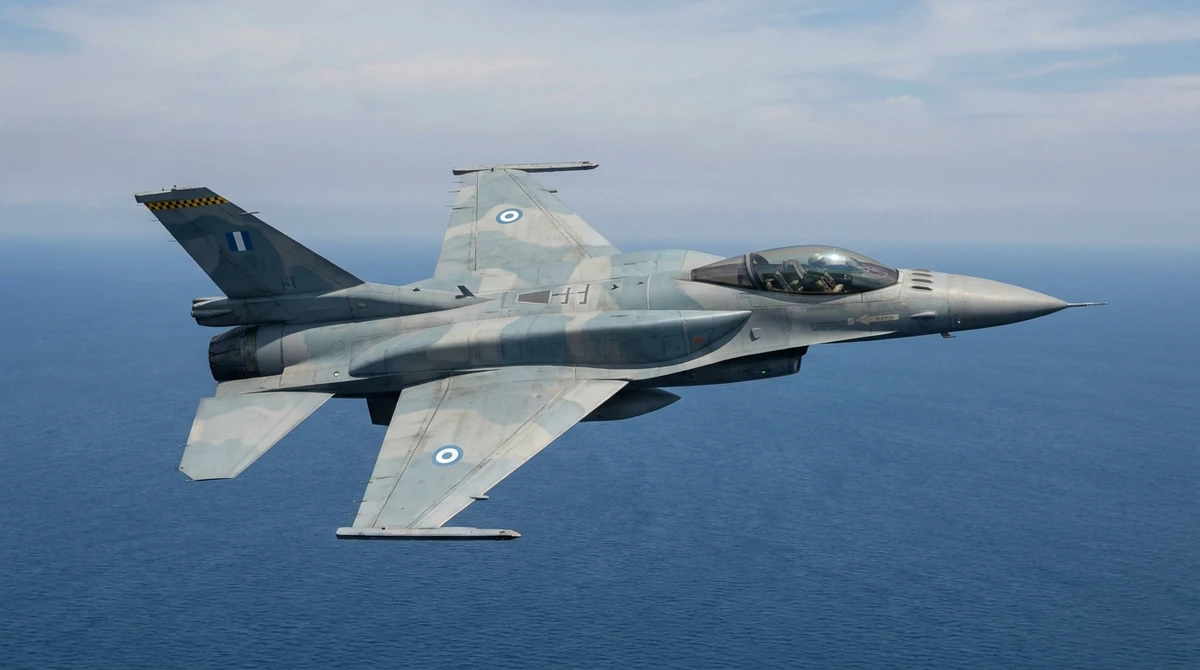
The Hellenic Air Force (HAF) utilizes a multi-tiered fighter inventory. The force operates F-16 Fighting Falcons, with a program ongoing to upgrade the fleet to the Block 70/72 Viper configuration. The HAF also fields Rafale F3R multirole fighters and Mirage 2000-5 aircraft. Procurement of F-35A Lightning II stealth fighters is in progress to establish fifth-generation capabilities.
The Hellenic Navy focuses on surface warfare and anti-submarine operations. In early 2026, the first of the Kimon-class (FDI) frigates entered official service following delivery in late 2025. These vessels are intended to replace the aging Elli-class frigates. The submarine force is centered on Type 214 Papanikolis-class diesel-electric vessels.
Specialized capabilities are managed by the Special Warfare Command (DEP), which unifies special forces and paratrooper units for unconventional warfare and rapid reaction.
Defense Industry
The Greek defense industry is characterized by a mix of state-owned enterprises and private firms, with a government mandate requiring 25% local industrial participation in major foreign procurement programs. Hellenic Aerospace Industry (HAI) serves as the primary entity for aircraft maintenance and the local assembly of F-16 Viper upgrades. HAI also leads domestic unmanned aerial vehicle (UAV) development through the Archytas and Grypas programs.
Hellenic Defence Systems (EAS) produces small arms and ammunition, while private industrial groups like Metlen have expanded into heavy metal structures for defense applications, supporting international partnerships with KNDS and Lockheed Martin. Naval construction and maintenance are conducted at the Elefsina and Skaramangas shipyards, which are undergoing modernization to support the Kimon-class frigates and potential future corvette programs.
Strategic Trends
Defense spending in 2025 and 2026 remains above 3% of GDP, among the highest ratios within NATO. The "Agenda 2030" initiative drives current modernization, emphasizing the creation of a multi-layered air and anti-drone defense system known as "Achilles Shield."
Procurement priorities include the acquisition of Spike NLOS missiles, the expansion of the Rafale fleet, and the modernization of the Patriot air defense systems. A primary constraint is the demographic challenge posed by a shrinking recruitment pool, leading to reforms aimed at building a modernized reserve force of 150,000 by 2030. Additionally, the HNDGS is rationalizing its footprint by merging more than 180 military installations to improve operational efficiency and reduce maintenance costs.