GlobalMilitary.net Open-source military intelligence Updated daily
Europe · Athens

Greece Military Forces

Open-source order of battle for 2026: 142,700 active troops, 648 aircraft, 143 warships, 5,372 ground vehicles.

World rank #20 Military index 50.2/100
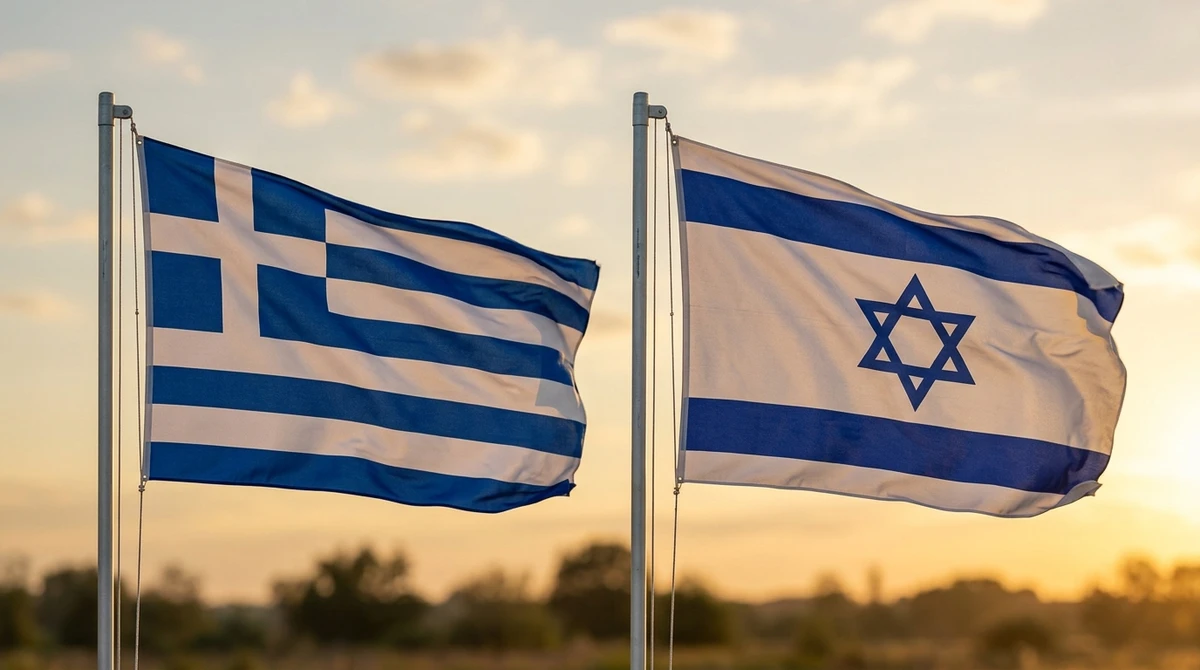
Map of Greece Flag of Greece
Active troops
142K
Reserve troops
289K
Defense budget
$7.4B2025
Share of GDP
2.9%
Population
10.4M2024

Armed Forces in 2026

Domain Strength Composition
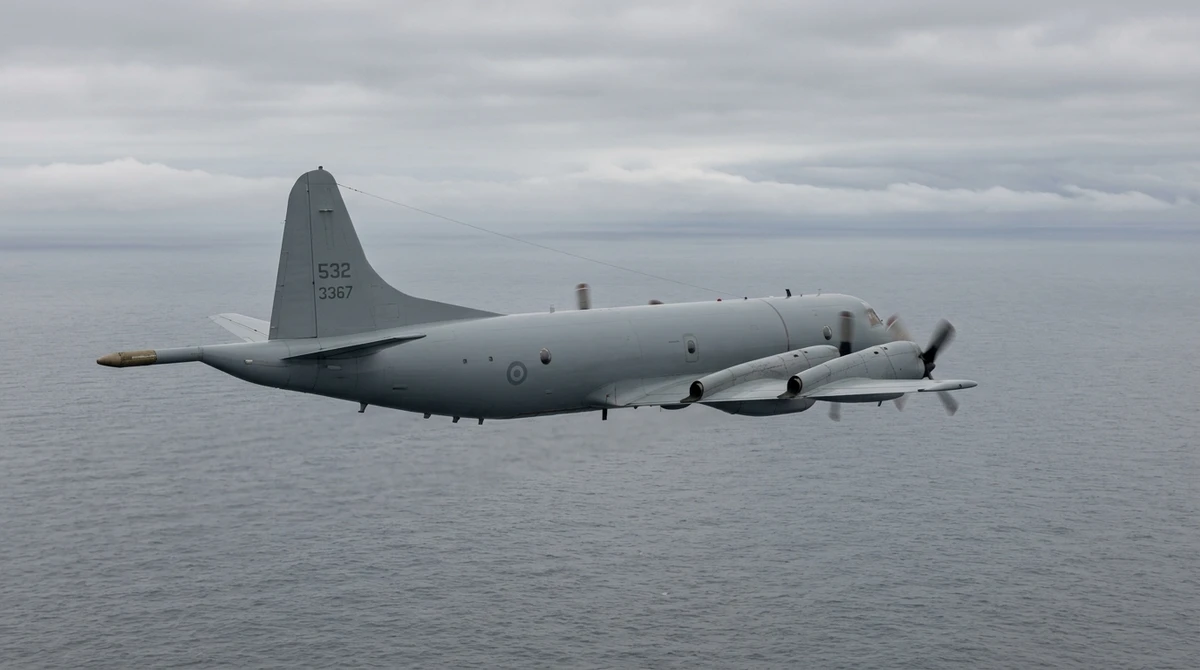
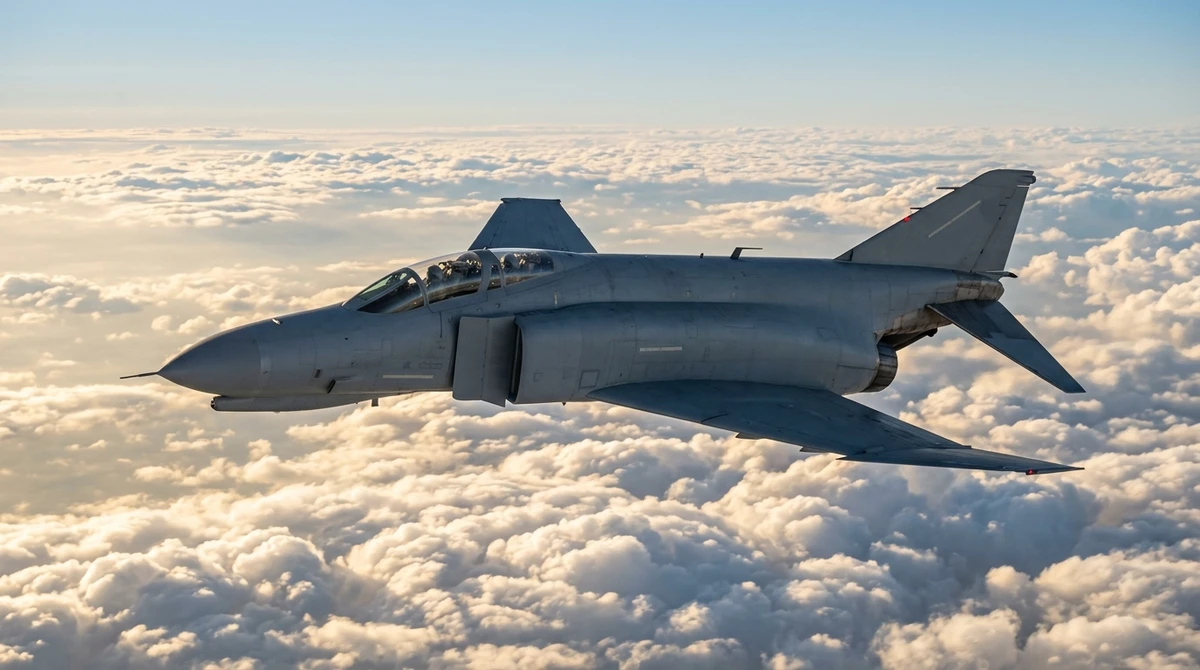
Hellenic Air Force 648 aircraft 217 combat 300 helicopters 11 air bases +58 on order
Hellenic Navy 143 warships 21 major combatants 1 carrier 8 submarines 2 naval bases
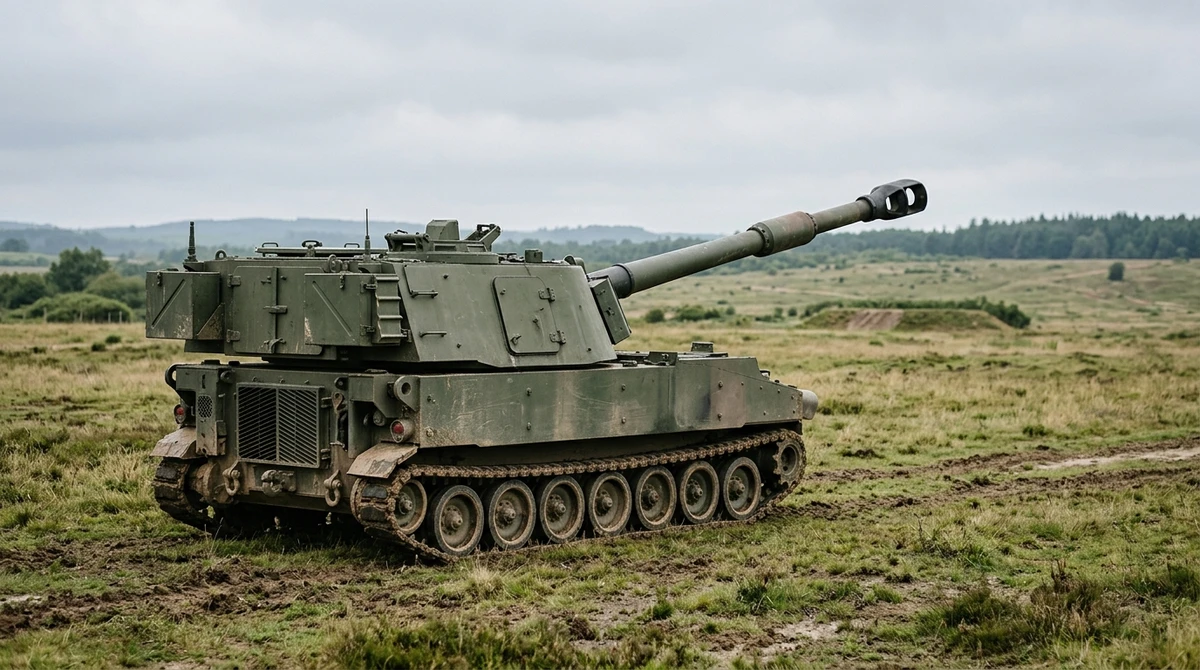
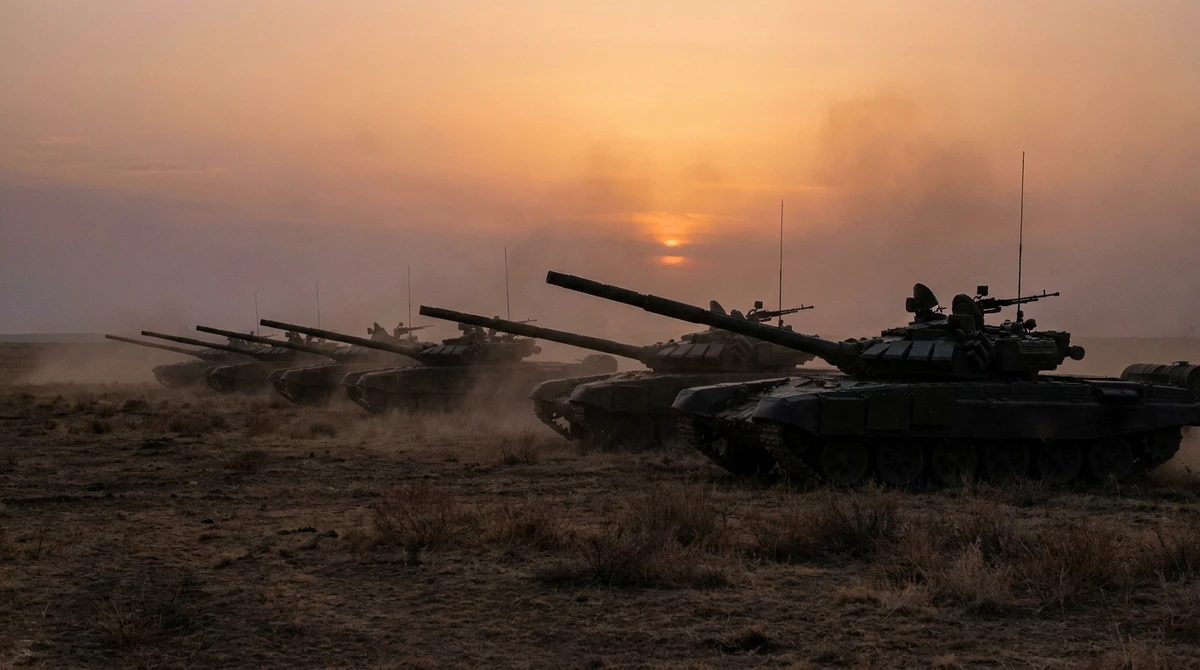
Ground Forces 5,372 vehicles 1,344 main battle tanks
Personnel 142,700 active 289,000 reserve 7,400 paramilitary

ARMS Index (Aggregate Rating of Military Strength)

Full ranking →
Score & Pillar Breakdown World #20
50.2/ 100
Greece ranks #20 of 175 in the ARMS Index (Aggregate Rating of Military Strength) with a score of 50.2/100. The ARMS Index scores Greece's overall capability on a 0–100 scale from verifiable data across six pillars: manpower, ground forces, naval power, air power, nuclear deterrent and defense budget, with a readiness modifier derived from budget per soldier.
Pillar Weight Score Basis
Manpower 15% 75.9 Active, reserve & paramilitary personnel
Ground forces 20% 68.4 Tanks, armor & artillery weighted by type
Naval power 20% 54.7 Weighted by hull type: carrier tiers, nuclear vs conventional submarines
Air power 25% 59.2 Weighted by aircraft type and fleet age
Nuclear deterrent 10% 0.0 No declared nuclear capability
Defense budget 10% 53.1 Annual spending, purchasing-power adjusted
Readiness modifier ×1.02 Budget per soldier: proxy for training, maintenance & technology

Country File

Defense Statistics & Key Metrics
Population10.4M (2024)
GDP$256.2 billion (2024)
GDP per capita$24,626
Military budget$7.4B (2025)
Share of GDP2.9% (2025)
Military spending per capita$714 (2025)
Inflation rate2.74% (2024)
Military Budget History CIA World Factbook
2021 — $8.1B, 3.70% of GDP $8.1B 2021 2022 — $8.5B, 3.90% of GDP $8.5B 2022 2023 — $6.8B, 2.80% of GDP $6.8B 2023 2024 — $6.9B, 2.70% of GDP $6.9B 2024 2025 — $7.4B, 2.90% of GDP $7.4B 2025
Budget (US$) Share of GDP (0-5%)
Geography
CapitalAthens
RegionEurope
Land area130,647 km²
Coastline13,676 km
Land borders1,228 km
Bordering countries4
CurrencyEUR
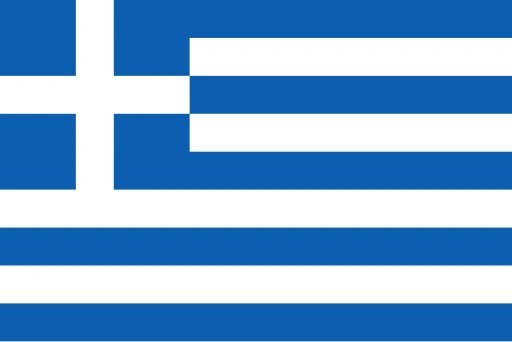
National Flag Adopted 1978
Flag of Greece
Aspect ratio2:3
ColorsBlue, white
Compare this Country
🇬🇷 Greece vs

Strategic Overview in 2026

Strategic Position

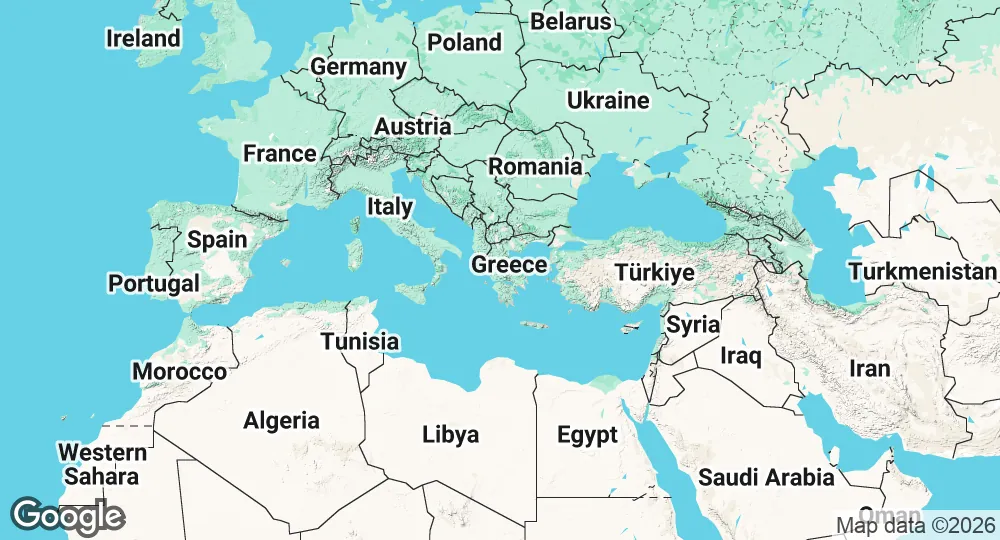
Greece occupies a position at the intersection of Europe, Asia, and Africa, with its security policy defined by maritime and territorial disputes in the Eastern Mediterranean. Primary concerns center on the status of the continental shelf and exclusive economic zones in the Aegean Sea, as well as the ongoing division of Cyprus. Greece is a member of NATO and the European Union, participating in the Permanent Structured Cooperation (PESCO) framework.

Strategic depth is maintained through a network of bilateral and multilateral agreements. A Mutual Defense and Security Cooperation Agreement (MDCA) with the United States provides American forces access to installations at Souda Bay, Alexandroupolis, and Larissa. Furthermore, a 2021 strategic partnership with France includes a mutual assistance clause in the event of armed aggression. Regional cooperation is also formalized through trilateral frameworks with Cyprus, Israel, and Egypt, focusing on energy security and maritime stability.

Military Forces

The Hellenic Armed Forces are organized under the Hellenic National Defence General Staff (HNDGS) and consist of the Hellenic Army, Hellenic Navy, and Hellenic Air Force. As of 2025, the military maintains approximately 140,000 active-duty personnel and a reserve force of 220,000. Under the "Agenda 2030" reform, the structure of conscription shifted on January 1, 2026, to allocate all conscripts exclusively to the Hellenic Army, while the Navy and Air Force transitioned to a fully professional cadre. Military service remains mandatory for males, with durations ranging from 9 to 12 months depending on the deployment location.

The Hellenic Army operates a fleet of main battle tanks led by Leopard 2A6 HEL and Leopard 2A4 variants, supported by Leopard 1A5 units. Mechanized infantry capabilities are provided by M113 armored personnel carriers and Leonidas vehicles. Artillery units utilize PzH 2000 self-propelled howitzers, M109 variants, and M270 Multiple Launch Rocket Systems.

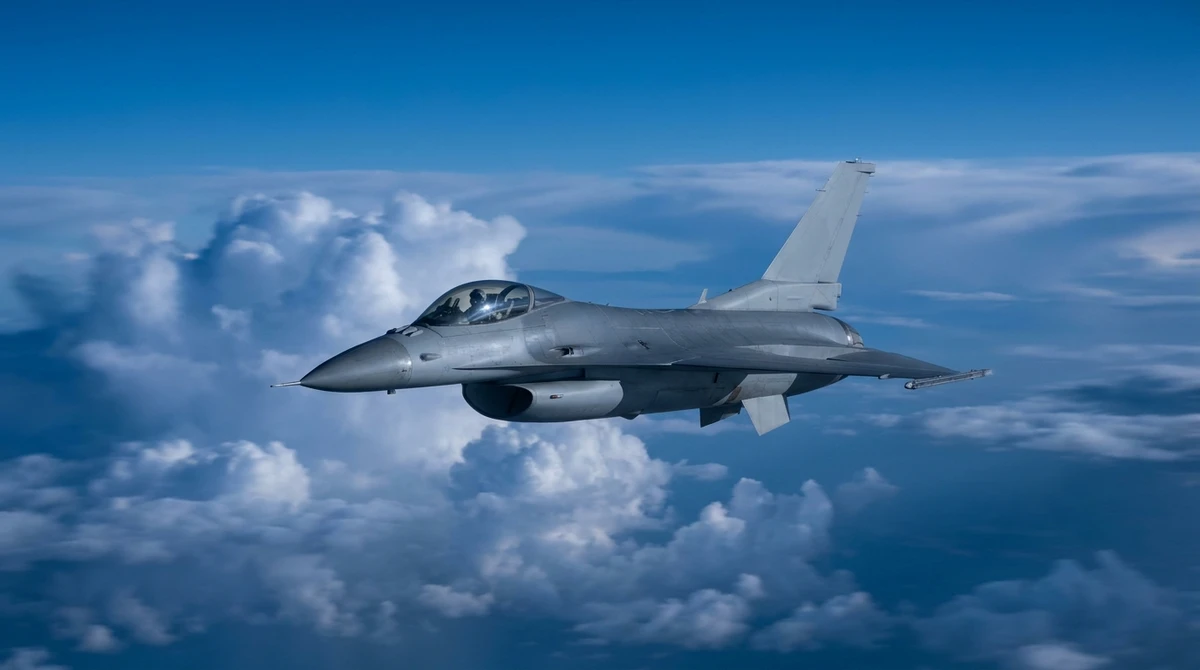
The Hellenic Air Force (HAF) utilizes a multi-tiered fighter inventory. The force operates F-16 Fighting Falcons, with a program ongoing to upgrade the fleet to the Block 70/72 Viper configuration. The HAF also fields Rafale F3R multirole fighters and Mirage 2000-5 aircraft. Procurement of F-35A Lightning II stealth fighters is in progress to establish fifth-generation capabilities.

The Hellenic Navy focuses on surface warfare and anti-submarine operations. In early 2026, the first of the Kimon-class (FDI) frigates entered official service following delivery in late 2025. These vessels are intended to replace the aging Elli-class frigates. The submarine force is centered on Type 214 Papanikolis-class diesel-electric vessels.

Specialized capabilities are managed by the Special Warfare Command (DEP), which unifies special forces and paratrooper units for unconventional warfare and rapid reaction.

Defense Industry

The Greek defense industry is characterized by a mix of state-owned enterprises and private firms, with a government mandate requiring 25% local industrial participation in major foreign procurement programs. Hellenic Aerospace Industry (HAI) serves as the primary entity for aircraft maintenance and the local assembly of F-16 Viper upgrades. HAI also leads domestic unmanned aerial vehicle (UAV) development through the Archytas and Grypas programs.

Hellenic Defence Systems (EAS) produces small arms and ammunition, while private industrial groups like Metlen have expanded into heavy metal structures for defense applications, supporting international partnerships with KNDS and Lockheed Martin. Naval construction and maintenance are conducted at the Elefsina and Skaramangas shipyards, which are undergoing modernization to support the Kimon-class frigates and potential future corvette programs.

Strategic Trends

Defense spending in 2025 and 2026 remains above 3% of GDP, among the highest ratios within NATO. The "Agenda 2030" initiative drives current modernization, emphasizing the creation of a multi-layered air and anti-drone defense system known as "Achilles Shield."

Procurement priorities include the acquisition of Spike NLOS missiles, the expansion of the Rafale fleet, and the modernization of the Patriot air defense systems. A primary constraint is the demographic challenge posed by a shrinking recruitment pool, leading to reforms aimed at building a modernized reserve force of 150,000 by 2030. Additionally, the HNDGS is rationalizing its footprint by merging more than 180 military installations to improve operational efficiency and reduce maintenance costs.
Population, GDP, Inflation and Personnel: World Bank.
Military Expenditure: CIA World Factbook. Last updated on 13 August 2026. Suggest a change

Greek Defense Manufacturing

Designed in Greece
Naval Shipbuilding 2 classes
Jason Tank landing shipHydra Frigate

In the News

All news →
China, North Korea and India Field the World's Largest Tank Fleets
AUG 5, 2026

China, North Korea and India Field the World's Largest Tank Fleets

Across 81 armies tracked by GlobalMilitary.net, China fields 4,770 main battle tanks, more than any other country. Greece, in fifteenth place, holds more than Germany, the United Kingdom and France combined.

🇨🇳 🇬🇷 🇮🇳 🇰🇵 🇷🇺 🇺🇸
2,621 F-16s Still Fly With 27 Air Forces, GlobalMilitary.net Data Shows
AUG 4, 2026

2,621 F-16s Still Fly With 27 Air Forces, GlobalMilitary.net Data Shows

Forty-seven years after entering service, the F-16 remains the most numerous combat aircraft in the world outside China and Russia, with 2,621 airframes active across 27 air forces in GlobalMilitary.net's 2026 inventory data.

🇪🇬 🇬🇷 🇮🇱 🇰🇷 🇵🇰 🇹🇷 🇹🇼 🇺🇦 🇺🇸

Frequently Asked Questions

How large is Greece's military?
Greece has 142,700 active military personnel with an additional 289,000 in reserve. This includes army, navy, and air force service members.
What is Greece's defense budget?
Greece's annual defense budget is approximately $7.4 billion. This covers personnel costs, equipment procurement, operations, and maintenance of military forces.
How does Greece rank militarily in the world?
Greece ranks #20 globally on the ARMS Index with a score of 50.2 out of 100. This composite index measures military capability across manpower, ground forces, naval power, air power, nuclear deterrent, and defense budget, adjusted for equipment quality and readiness.
Does Greece have nuclear weapons?
No, Greece does not possess nuclear weapons and is a non-nuclear weapon state.
How many aircraft does Greece's air force have?
Greece operates 648 military aircraft including 217 combat aircraft. The fleet includes fighters, transport planes, helicopters, and training aircraft.
How large is Greece's navy?
Greece's navy operates 143 vessels including 8 submarines and 1 aircraft carrier(s). The fleet includes surface combatants, support ships, and coastal patrol craft.
How many tanks does Greece have?
Greece operates approximately 1,344 main battle tanks. This figure includes both active inventory and reserve stocks available for mobilization.
What percentage of GDP does Greece spend on defense?
Greece spends approximately 2.9% of its GDP on defense. This meets the NATO target of 2% of GDP.
What is Greece's military personnel per capita?
Greece has approximately 13.7 active military personnel per 1,000 citizens. This ratio reflects the country's military manpower relative to its population of 10,405,134.
Does Greece have submarines?
Yes, Greece operates 8 submarines. The submarine fleet may include nuclear-powered attack submarines, ballistic missile submarines, and conventional diesel-electric boats depending on the country's naval doctrine.
Does Greece have aircraft carriers?
Yes, Greece operates 1 aircraft carrier(s). Aircraft carriers provide significant power projection capability and serve as mobile air bases for naval aviation operations worldwide.
Does Greece have paramilitary forces?
Yes, Greece maintains 7,400 paramilitary personnel. These forces typically include gendarmerie, border guards, coast guard, and internal security troops that supplement regular military capabilities.
Latest Data Updates
  1. AUG 132026 Updated Global Military Index updated
  2. AUG 42026 Updated Global Military Index updated in a site-wide editorial pass
  3. AUG 32026 Updated Global Military Index updated
  4. JUL 162026 Updated Global Military Index updated in a site-wide editorial pass
  5. JUN 162026 Updated Yearly statistics, military spending and 2 more fields updated
  6. MAR 172026 Updated Paramilitary personnel updated
  7. MAR 162026 Updated Reserve personnel updated