Strategic Position
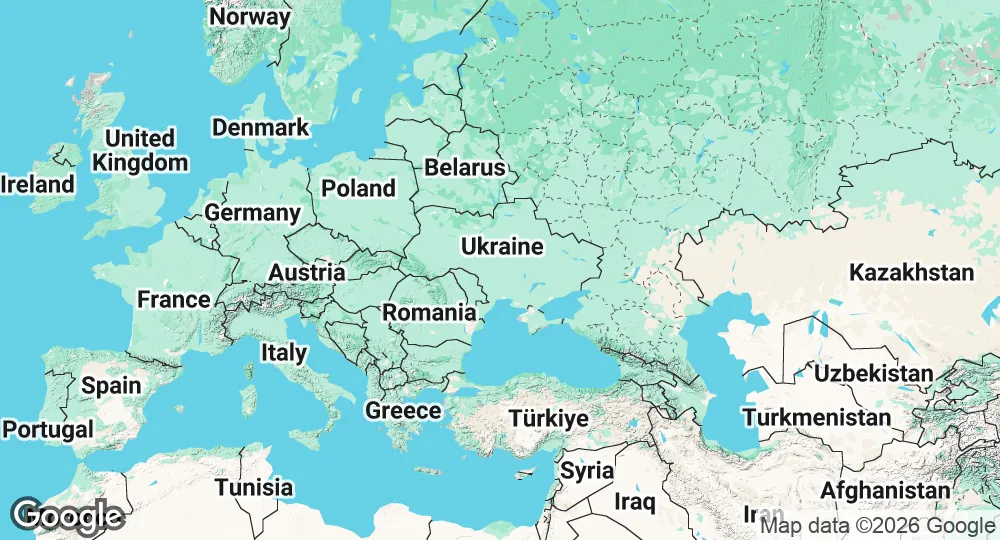
Ukraine’s security environment is defined by the ongoing high-intensity conflict with the Russian Federation. The state’s primary security concern is the restoration of territorial integrity and the deterrence of further cross-border incursions. Ukraine maintains a status as a NATO Enhanced Opportunity Partner and has formally applied for full membership. National defense is supported by a series of bilateral security agreements with G7+ members, including the United States, United Kingdom, France, and Germany, which provide frameworks for long-term military assistance, intelligence sharing, and defense industrial cooperation.
The national defense doctrine emphasizes the "Total Defense" concept, involving the integration of regular military forces, territorial defense units, and civilian resistance. Strategic priorities include the transition from Soviet-legacy systems to NATO-standard equipment, the establishment of a multi-layered integrated air defense network, and the expansion of long-range strike capabilities to degrade adversarial logistics.
Military Forces
The Armed Forces of Ukraine (AFU) are commanded by the Commander-in-Chief and overseen by the Ministry of Defence. The structure consists of several distinct branches:
- Ground Forces
- Air Force
- Navy
- Air Assault Forces
- Special Operations Forces
- Territorial Defense Forces
- Unmanned Systems Forces
Personnel levels are maintained through general mobilization and contract enlistment, with active-duty strength estimated between 800,000 and 1,000,000 personnel. A large reserve component and the Territorial Defense Forces provide additional depth for rear-area security and frontline reinforcement.
Ground Forces
The Ground Forces operate a heterogeneous fleet of armored vehicles. Main battle tanks include Western-supplied Leopard 2 (A4 and A6 variants), M1A1 Abrams, and Challenger 2, alongside modernized Soviet-era T-64BV, T-72, and T-80 series. Infantry mobility is provided by M2A2 Bradley, CV90, and Marder 1A3 infantry fighting vehicles (IFVs), as well as Stryker and Rosomak armored personnel carriers. Artillery assets include M777 towed howitzers and self-propelled systems such as the PzH 2000, AHS Krab, Archer, CAESAR, and the domestic 2S22 Bohdana. Long-range fires are facilitated by HIMARS and M270 MLRS.
Air Force
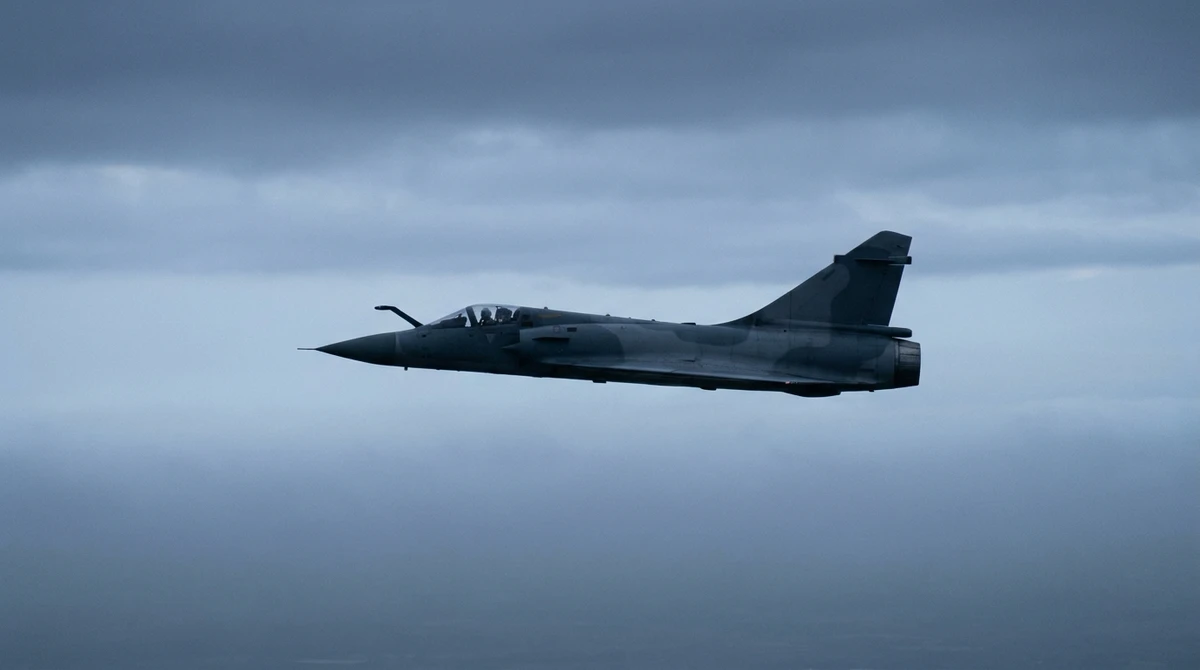
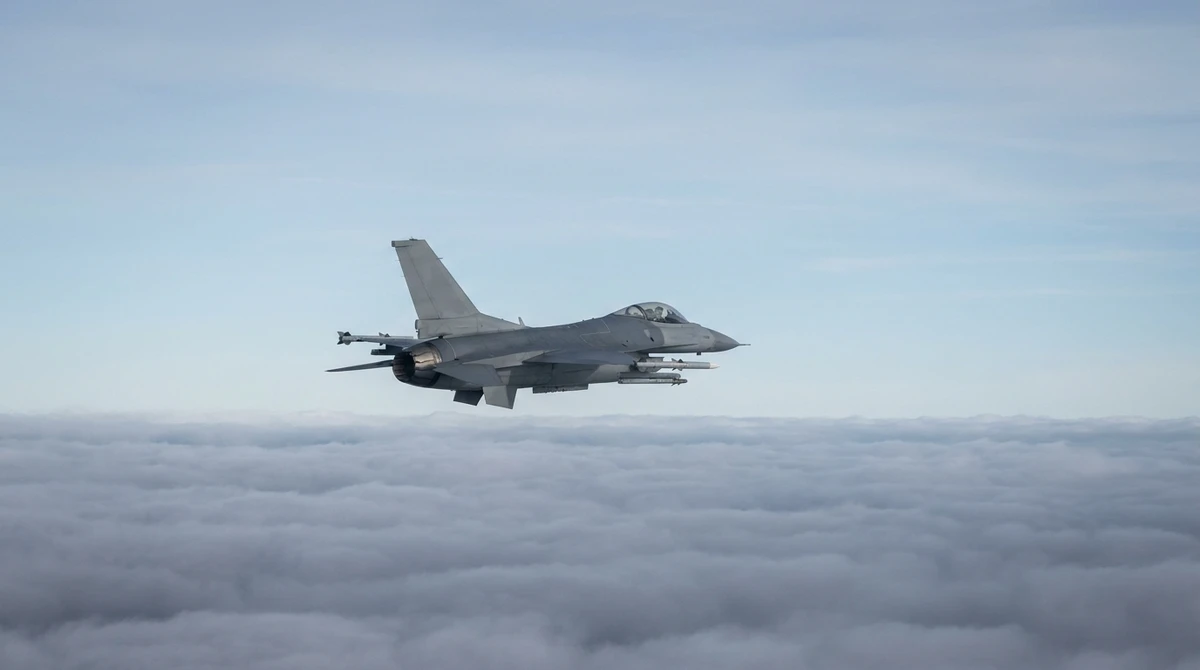
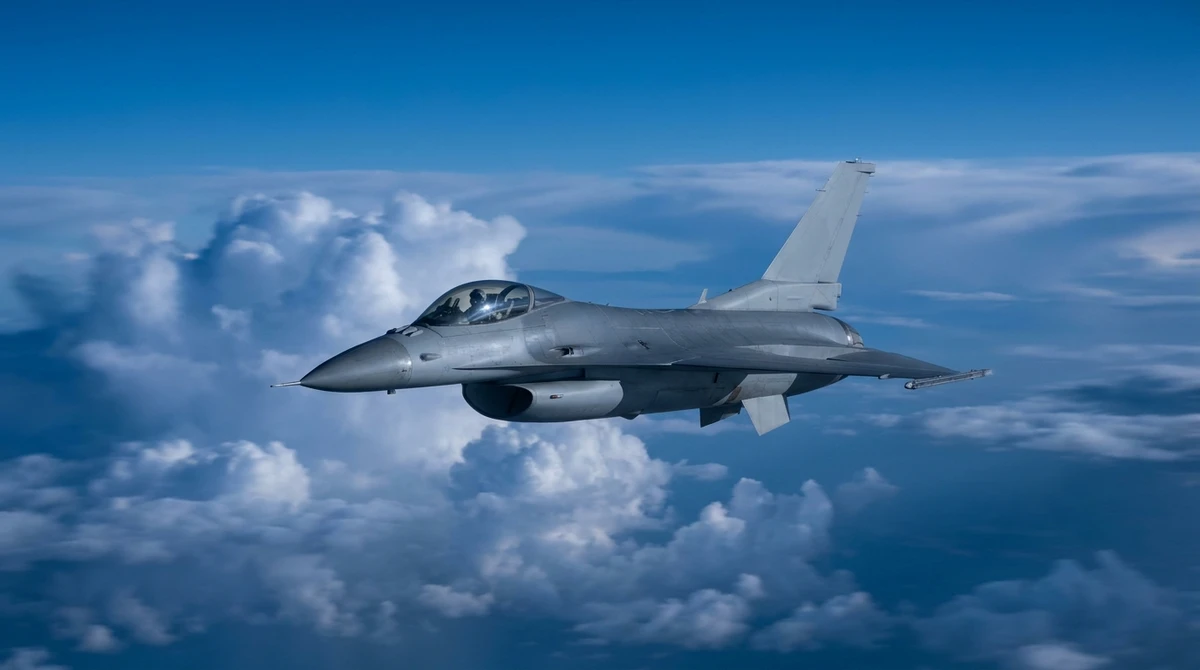
The Air Force is in the process of transitioning to Western multirole platforms. The inventory includes F-16 Fighting Falcons and Mirage 2000-5 fighters, alongside remaining Soviet-origin Su-27 and MiG-29 interceptors. Strike missions are conducted by Su-24M aircraft equipped with Storm Shadow and SCALP-EG cruise missiles. Air defense is organized into a tiered system utilizing Patriot (PAC-2 and PAC-3), SAMP/T, IRIS-T, NASAMS, and S-300 batteries.
Navy
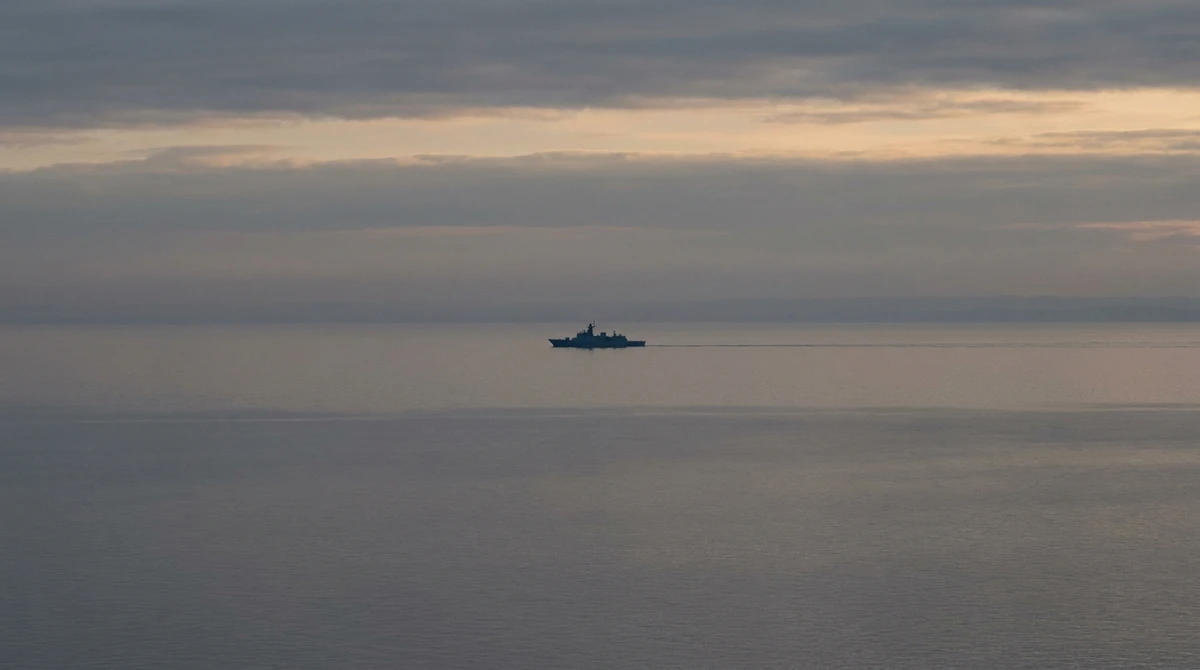
The Navy focuses on asymmetric littoral warfare and coastal defense. It utilizes Neptune and Harpoon land-based anti-ship missile systems. Naval capabilities are supplemented by the Magura V5 and Sea Baby unmanned surface vehicles (USVs) for maritime strike operations. New surface assets, including Ada-class corvettes, are undergoing sea trials or construction in partnership with Turkey.
Specialized Capabilities
The Unmanned Systems Forces, established as a dedicated branch, centralizes the operation of aerial, maritime, and ground-based drones. Special Operations Forces (SOF) conduct unconventional warfare, deep reconnaissance, and sabotage. Ukraine does not possess nuclear weapons.
Defense Industry
The domestic defense industry is coordinated through JSC Ukrainian Defense Industry (formerly Ukroboronprom). Production focuses on areas where domestic expertise overlaps with immediate combat requirements.
- Missiles and Artillery: Production of the R-360 Neptune anti-ship missile and the Vilkha guided MLRS continues. The 155mm 2S22 Bohdana self-propelled howitzer is produced in several chassis configurations.
- UAVs and Electronic Warfare: Ukraine produces a wide range of reconnaissance and strike UAVs, including the Leleka-100, Shark, and various First-Person View (FPV) loitering munitions. Domestic electronic warfare (EW) systems, such as the Bukovel-AD, are deployed to counter adversarial drones.
- International Partnerships: In 2025 and 2026, the industry shifted toward joint ventures with Western firms. Rheinmetall has established facilities for the maintenance and eventual production of armored vehicles within Ukraine. BAE Systems and other European manufacturers have signed agreements for the local assembly of light artillery and spare parts.
Strategic Trends
Ukraine’s primary procurement priority is the sustainment of its Western-supplied platforms and the acquisition of additional air defense interceptors. The defense budget for 2026 remains above 20% of GDP, with a heavy reliance on international financial and material aid.
Force structure is evolving toward smaller, more autonomous units capable of utilizing real-time battlefield management software like Delta. Integration of artificial intelligence for target acquisition and the expansion of the Unmanned Systems Forces reflect a doctrinal shift toward high-tech attrition warfare. The military is also standardizing its logistics chain to accommodate the permanent shift toward 155mm artillery and Western aviation maintenance protocols.