Global Air Forces Lost 148 Aircraft in the First Half of 2026, GMN Data Shows
GlobalMilitary.net tracking recorded 114 loss events destroying 148 military aircraft between January and June 2026. Iran accounted for 61 of them, most destroyed on the ground during February-March strikes, ahead of the United States and Russia.
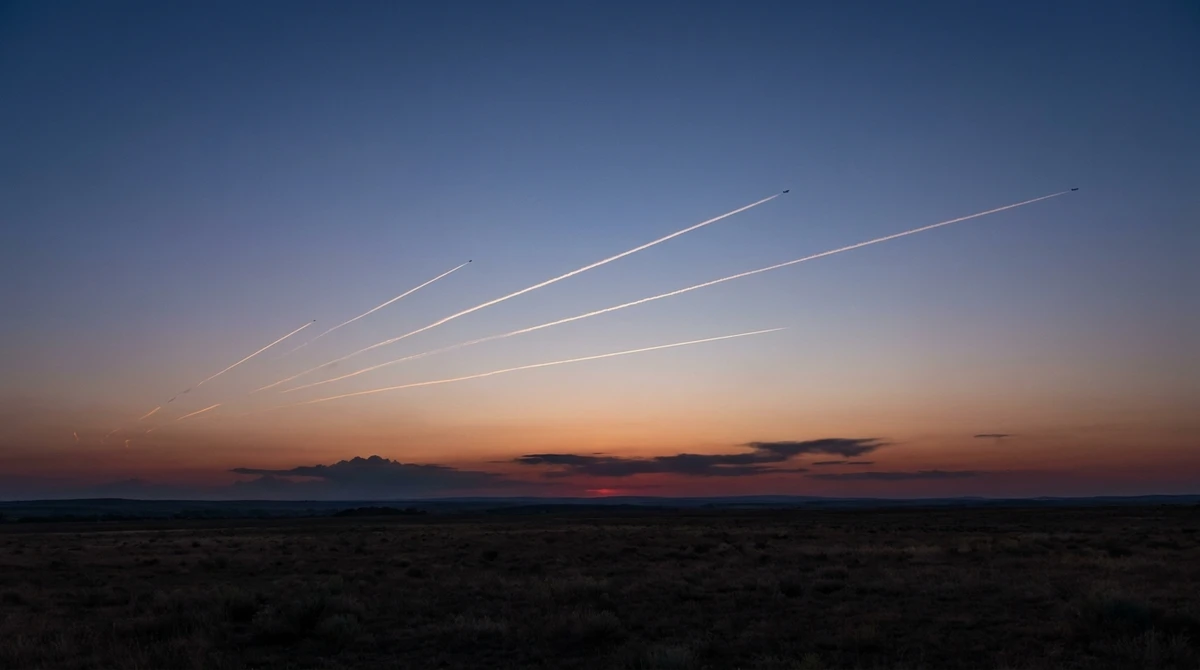
The world's air forces lost 148 aircraft to crashes, shoot-downs and ground destruction in the first six months of 2026, according to GlobalMilitary.net's air force events database, which recorded 114 individual loss events between January 1 and June 30. Half of the total is attributable to a single campaign: the strikes on Iran.
Iran was by far the hardest-hit operator, with 61 aircraft lost. The bulk were destroyed on the ground during the February-March air campaign against Iranian military infrastructure, tracked on GlobalMilitary.net's 2026 Iran Conflict page. March 7 alone saw at least eight F-14 Tomcats destroyed at Isfahan's 8th Tactical Fighter Base, along with three Boeing 747 cargo and tanker aircraft, three Il-76 heavy transports and three An-74s at Mehrabad. Two days later, nine F-7N Airguard fighters were destroyed at Isfahan's Shahid Beheshti airport. Those strikes made March the worst single month of the half-year, with 70 aircraft lost worldwide.
In total, 73 of the 148 losses were linked to the Iran conflict and 24 to the Russia-Ukraine war, leaving 51 aircraft lost outside the two active conflicts — a reminder that routine training and transport flying still claims a steady toll of airframes.
The United States recorded the second-highest total at 26 aircraft. The figure includes combat and operational losses during the Iran campaign as well as accidents at home, among them a mid-air collision between two EA-18G Growlers during an air show rehearsal in May and the deliberate destruction of two MC-130J transports and two MH-6 special-operations helicopters that could not be recovered from forward locations in April.
Russia lost 17 aircraft in the period, the majority over Ukraine but also including an Africa Corps Mi-8 helicopter shot down in Mali in April. Ukraine lost nine. Further down the table, India and Pakistan each lost five aircraft — all in accidents, with trainers and helicopters featuring prominently — followed by South Korea with three.
The figures are based on publicly documented losses recorded in GlobalMilitary.net's events database and should be read as a floor rather than a ceiling: combatant states do not acknowledge all losses, and attrition on the Russian and Ukrainian sides in particular is likely undercounted. The second half of the year has already opened at a similar tempo, with multiple losses logged in the first ten days of July.
More News
All news →
First HACM Hypersonic Cruise Missile Flight Test Unit Released Over Australia
The U.S. Air Force says a Hypersonic Attack Cruise Missile flight test unit was released by the Royal Australian Air Force over an Australian test range, without disclosing the date, the launch aircraft or whether the scramjet-powered weapon achieved powered flight.
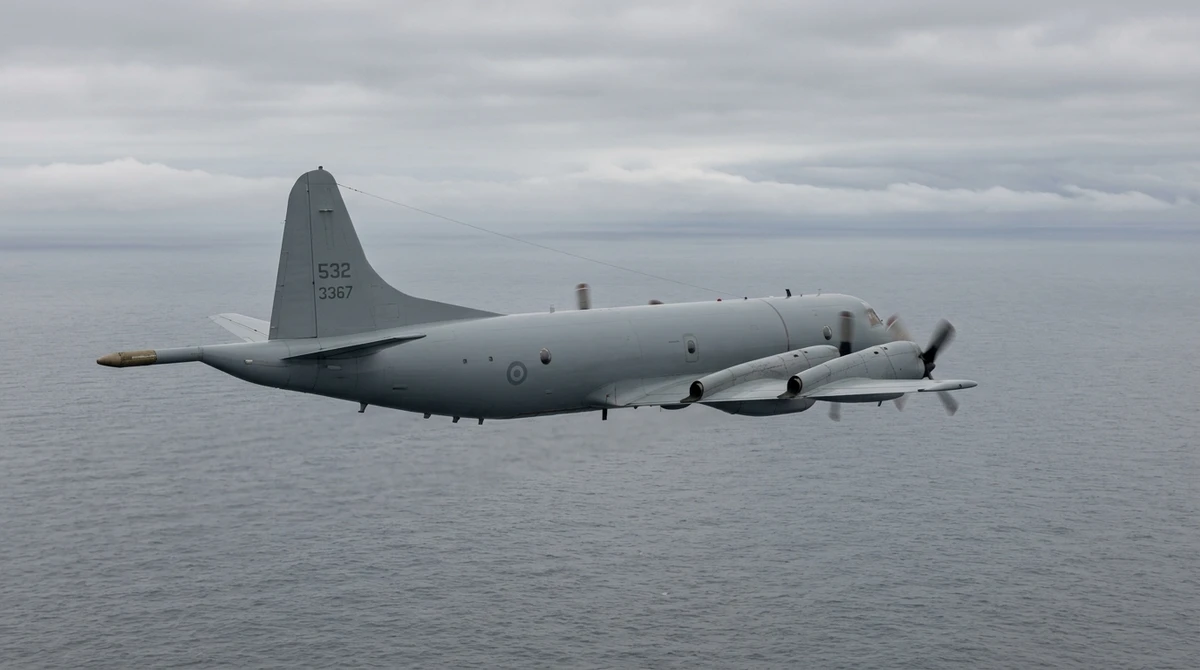
P-3 Orion Fleet Down to 101 Aircraft in 12 Countries, Roughly Half Its 2022 Size
GlobalMilitary.net's inventory data counts 101 P-3 Orions in military service across 12 countries, down from 211 in 16 countries in its 2022 snapshot, as US agencies retire special-mission Orions and Japan draws down the largest remaining fleet.
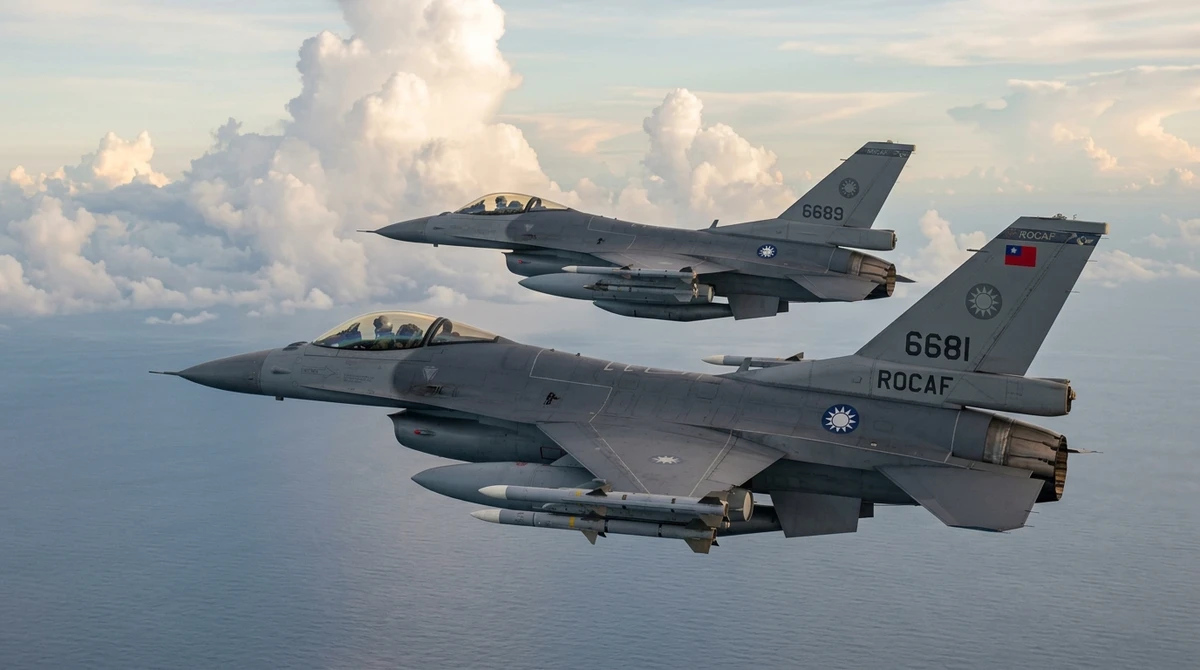
Taiwan Receives Its First Two F-16 Block 70s From the Largest F-16 Order Still Outstanding
The first two new-build F-16C Block 70 fighters landed at Chihhang Air Base on October 2, 2026, beginning deliveries on a 66-jet order that GMN's inventory data shows is the largest open F-16 order anywhere and that would lift Taiwan from seventh to fifth among F-16 operators on current figures.

Northrop Grumman's YFQ-48A Talon Blue Completes First Fully Autonomous Flight at Mojave
Northrop Grumman said on October 3, 2026 that its company-funded YFQ-48A Talon Blue had taxied, taken off, maneuvered and landed without pilot input at Mojave, California, as the US Air Force prepares to select designs for Increment 2 of its Collaborative Combat Aircraft program.
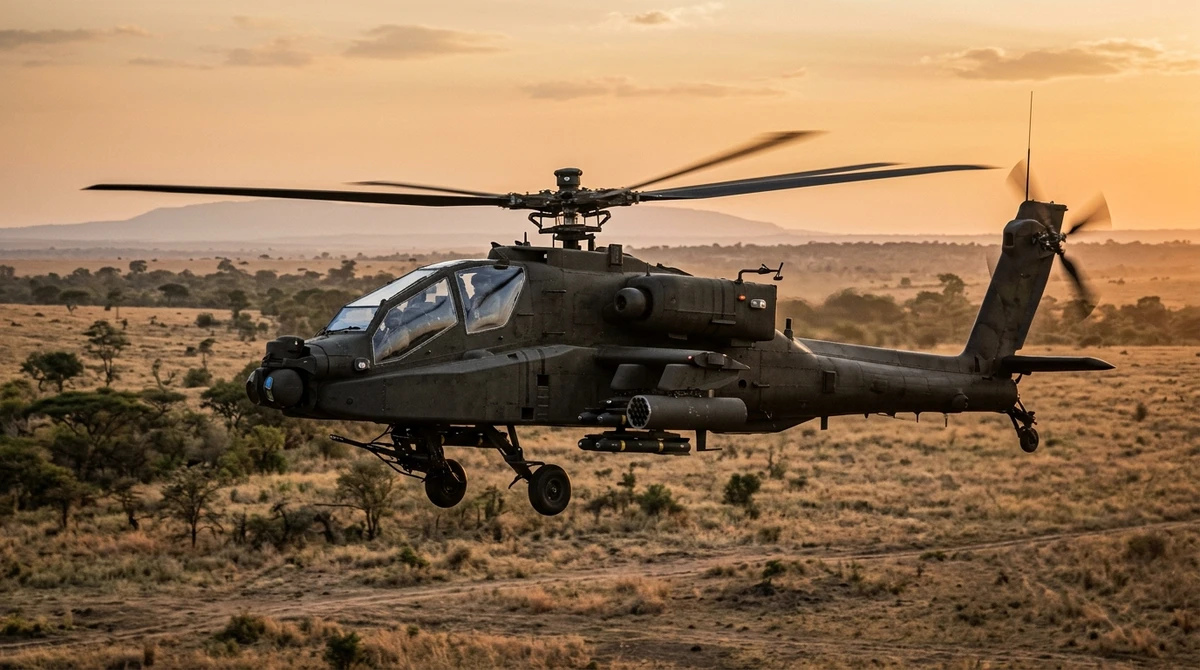
Australia Retires Its Tigers, Leaving Three Operators Among the World's 3,623 Attack Helicopters
The Australian Army has retired its Tiger attack helicopters, marking the fleet's sundown in Darwin on 30 September and leaving France, Germany and Spain as the only users; GlobalMilitary.net data counts 3,623 active attack helicopters in 81 countries.
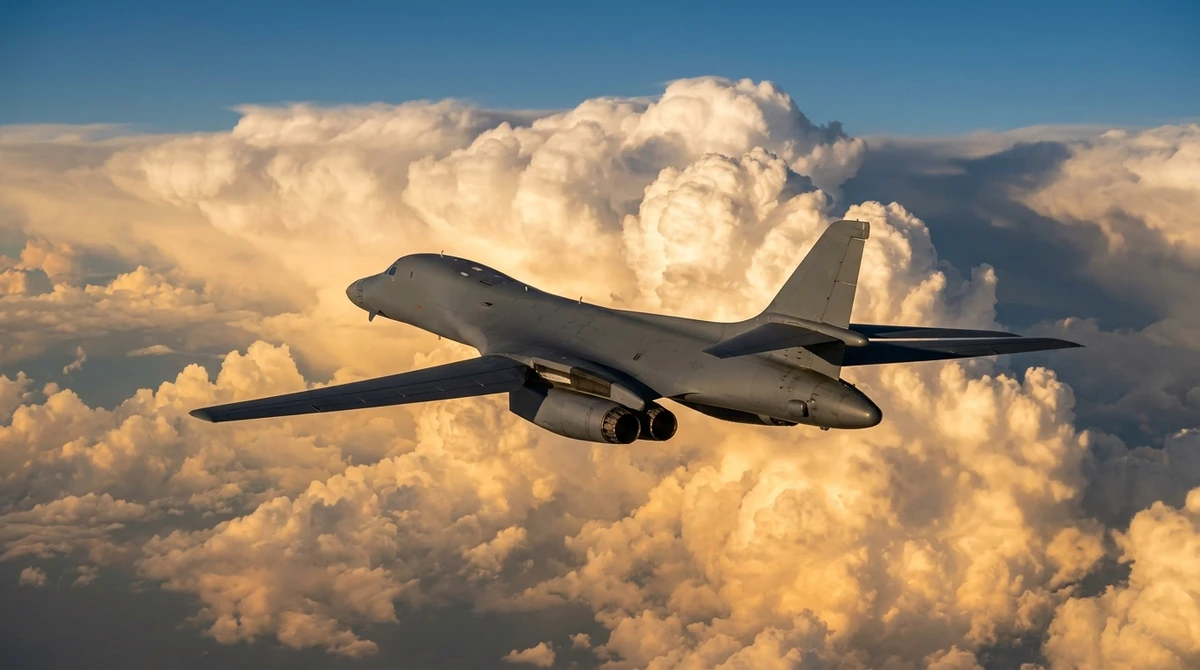
B-1B Lancer Reaches 40 Years in Service as US Air Force Plans to Keep It Flying Through 2037
The B-1B Lancer achieved initial operational capability on 1 October 1986; four decades later, 45 of the 100 bombers built remain in US Air Force service at Ellsworth and Dyess, and modernization funding is now planned to keep the type relevant through 2037.