US Navy Squadron Commander Killed in MH-60S Seahawk Crash in the Arabian Sea
The commanding officer of Helicopter Sea Combat Squadron 5 died after his MH-60S ditched in the Arabian Sea on July 1. Three crew members were rescued; the Navy suspended its search after more than four days.
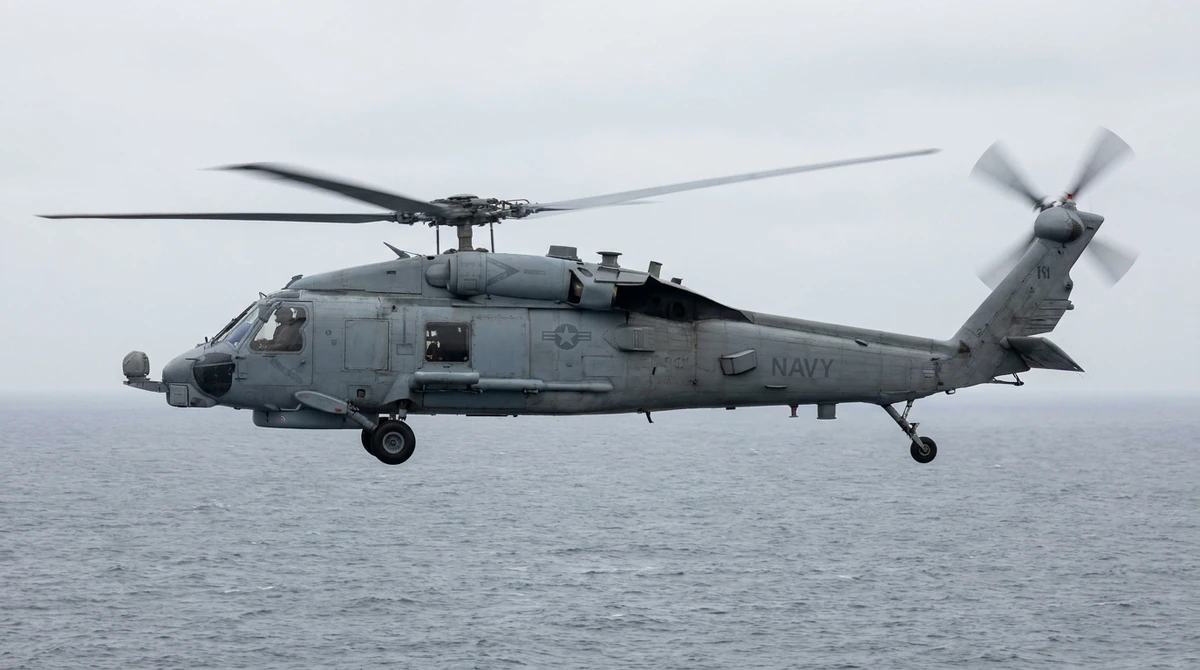
The US Navy has confirmed that the sailor lost in the July 1, 2026 ditching of an MH-60S Seahawk in the Arabian Sea was the commanding officer of Helicopter Sea Combat Squadron 5 (HSC-5). The search for the missing officer was suspended on July 6 after more than four days without result.
The helicopter, assigned to HSC-5 "Nightdippers" and embarked with Carrier Air Wing 7 aboard the aircraft carrier USS George H.W. Bush (CVN-77), made an emergency water landing in the early hours of July 1 while operating in the US 5th Fleet area of responsibility. Three of the four crew members were recovered in stable condition shortly after the ditching. The Navy has said there is no indication of hostile action and that the cause remains under investigation. GlobalMilitary.net logged the airframe loss in its events database.
The search effort spanned more than 102 hours and covered some 14,000 square miles of ocean, involving five destroyers, aircraft from two carrier air wings, two P-8A Poseidon maritime patrol squadrons and US Air Force assets, according to the Navy. The rear admiral who announced the end of the search paid tribute to the officer as a "fearless leader" whose legacy would not be forgotten.
The MH-60S is the US Navy's workhorse utility helicopter, flown from carriers and surface combatants for logistics, search and rescue, and special operations support. The type belongs to the Sikorsky H-60 Seahawk family, of which the Navy operates several hundred across the MH-60S and MH-60R variants.
USS George H.W. Bush and Carrier Air Wing 7 remain deployed in the Middle East, where the US Navy has sustained an elevated carrier presence throughout 2026. The investigation into the cause of the ditching is ongoing.
More News
All news →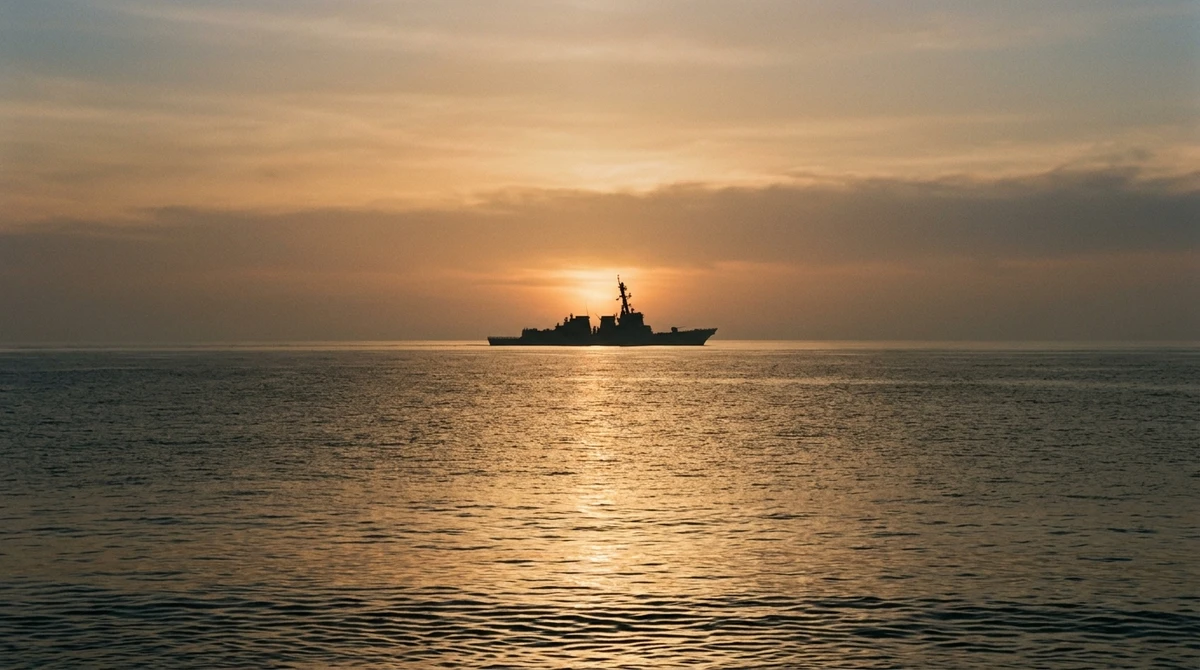
Former Italian Carrier Giuseppe Garibaldi Enters Indonesian Waters Ahead of Handover to Jakarta
The Indonesian Navy said on 17 September 2026 that the former Italian carrier Giuseppe Garibaldi, to be renamed KRI Sriwijaya, had entered Indonesian waters and was due at Tanjung Priok in Jakarta on 18 September, ahead of a formal transfer whose date is reported differently by outlets.
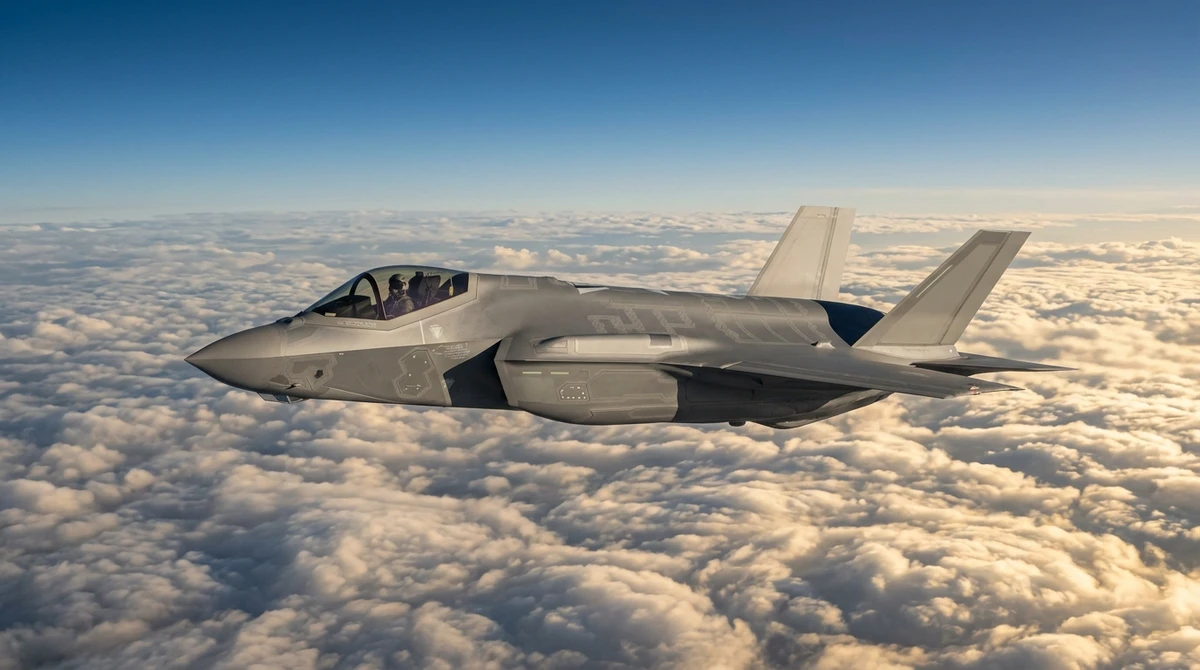
Saudi Arabia Cleared to Buy 48 F-35 Fighters in $24.3 Billion State Department Approval
The U.S. State Department on 17 September 2026 approved a possible Foreign Military Sale of 48 F-35 Lightning II fighters and 49 F135 engines to Saudi Arabia, a package estimated at $24.3 billion that now goes to Congress for review.

Only Four Air Forces Fly High-Altitude Surveillance Drones, and Japan Has Just Lost One of Its Three
A Japan Air Self-Defense Force RQ-4B Global Hawk went down over international waters north of Tottori prefecture on 15 September 2026, the first loss of a Japanese Global Hawk and one of only 39 high-altitude surveillance drones GlobalMilitary.net records in service worldwide.
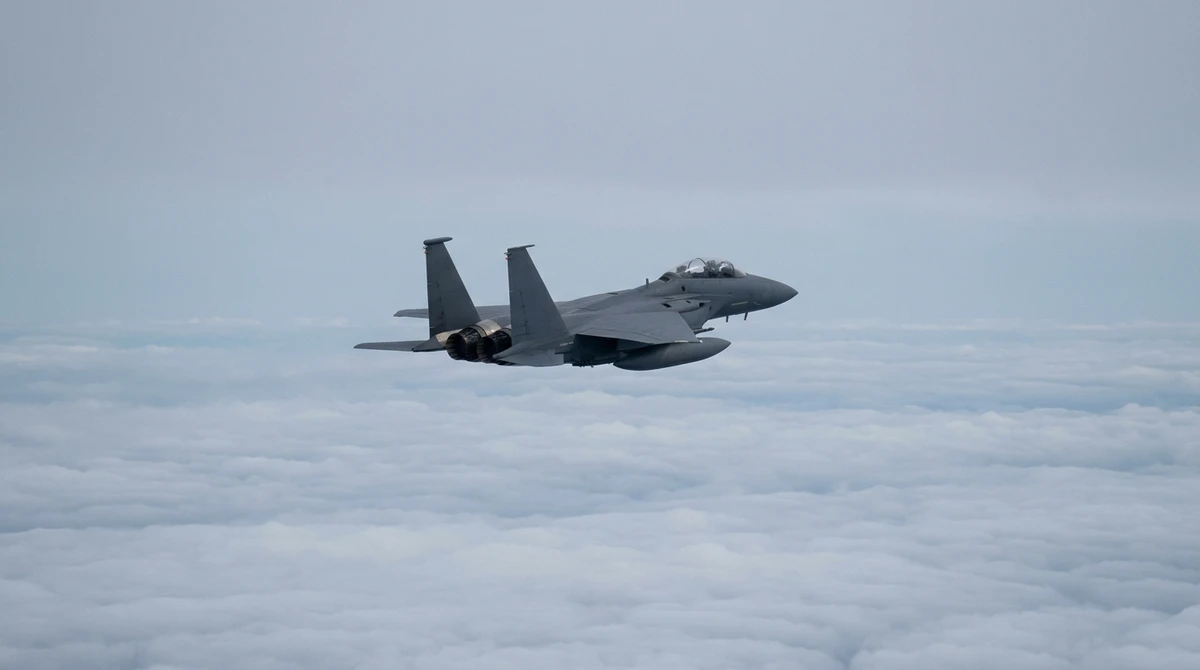
Pentagon Report Puts Iran War Aircraft Losses at Up to 30 Reapers, Four F-15Es and One A-10
A Department of Defense inspector general report on Operation Epic Fury, made public September 15, lists four F-15Es, one A-10, six helicopters, an MQ-4C and as many as 30 MQ-9 Reapers destroyed between February 28 and June 30, 2026, in an operation costed at $33.4 billion.
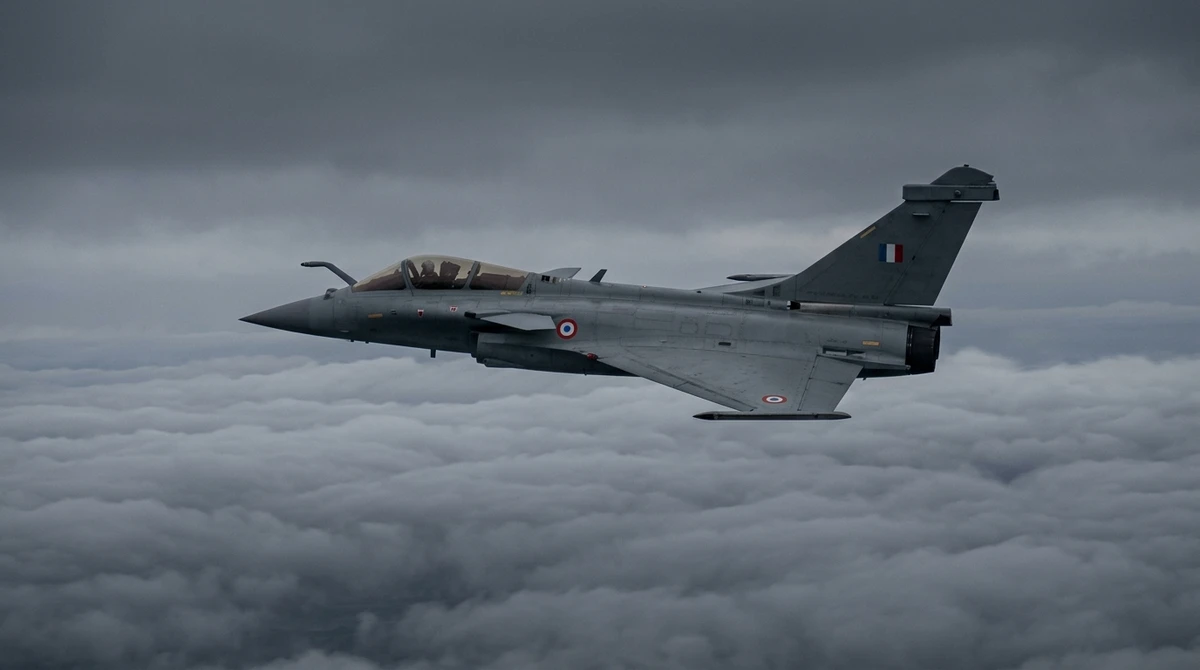
Finland Joins France's Forward Deterrence Initiative as Tenth European Participant
Finland's defense minister announced on Monday, September 14, 2026, that Finland is joining France's forward deterrence initiative, becoming the tenth European country to take part, as the two countries formalized a strategic partnership in Helsinki.
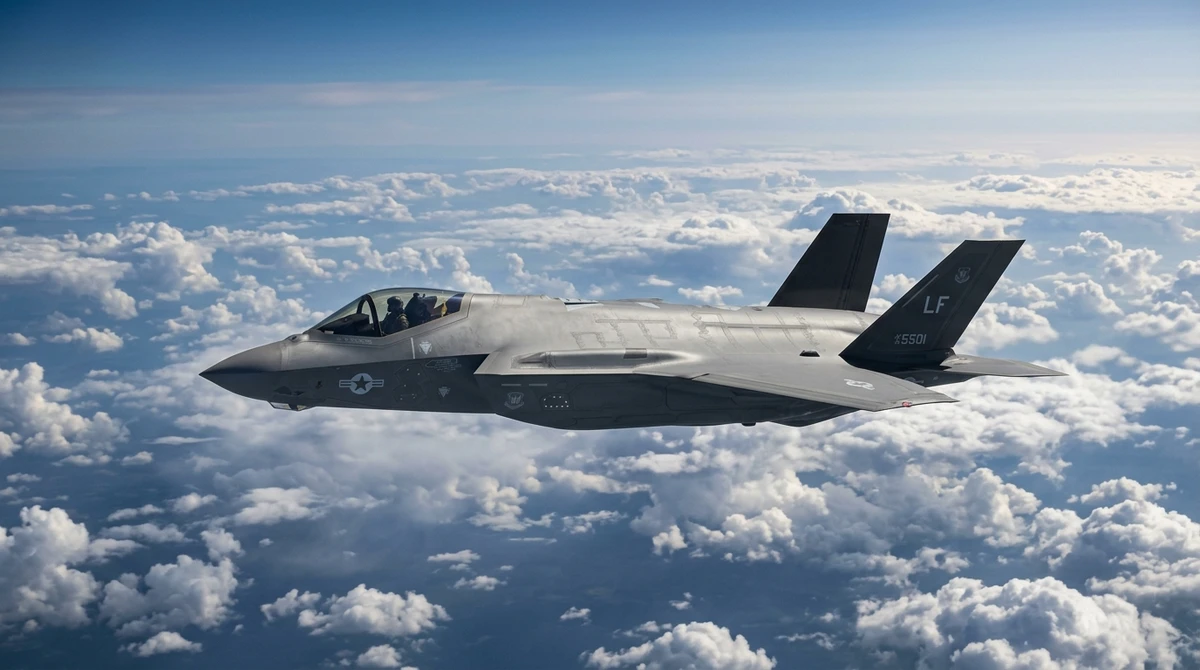
US Air Force Names Its First Two Collaborative Combat Aircraft Vengeance and Fury
The Secretary of the Air Force announced on 14 September 2026 that General Atomics' FQ-42 is named Vengeance and Anduril Industries' FQ-44 is named Fury, as both uncrewed aircraft move into production toward a target of at least 500 in service by 2032.