F/A-18E/F Super Hornet Marks 25 Years of US Navy Service as Production Nears Its End
A quarter-century after VFA-115 declared the type operational in September 2001, the Boeing F/A-18E/F Super Hornet remains the backbone of US carrier air wings even as the last new-build airframes approach delivery.
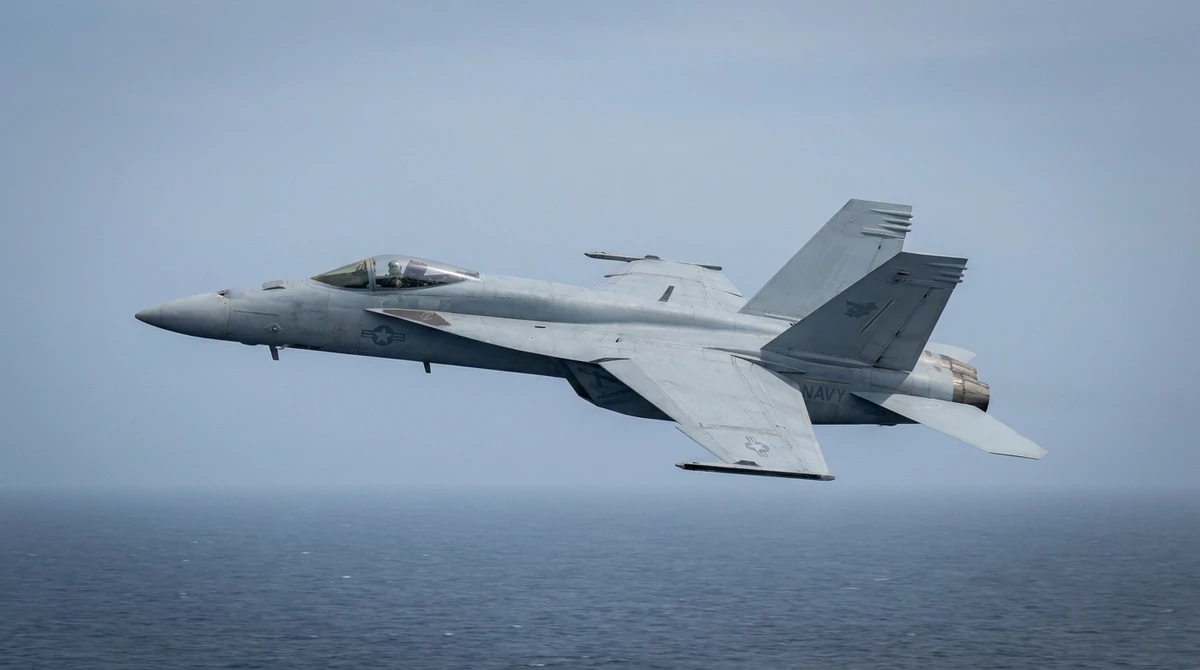
The Boeing F/A-18E/F Super Hornet marks 25 years of operational service in 2026. Strike Fighter Squadron 115 (VFA-115) declared initial operational capability with the type at Naval Air Station Lemoore, California, in September 2001, beginning a quarter-century in which the twin-engine strike fighter became the backbone of the US Navy's carrier air wings.
The anniversary finds the aircraft still in near-continuous combat use. VFA-115 took the Super Hornet on its first deployment in July 2002 aboard USS Abraham Lincoln, and the type flew its first strikes on November 6, 2002, hitting Iraqi air-defense targets near Al Kut and Tallil during Operation Southern Watch. Super Hornets subsequently carried much of the Navy's strike workload over Iraq, Afghanistan and Syria. In June 2017, an F/A-18E from VFA-87 shot down a Syrian Su-22, the first US air-to-air kill of a manned aircraft since 1999. From late 2023, Super Hornets embarked on carriers in the Red Sea downed dozens of Houthi one-way attack drones and cruise missiles; according to USNI News, aircraft from USS Dwight D. Eisenhower destroyed 12 attack drones and five missiles in a single engagement on December 26, 2023.
Developed in the 1990s as an enlarged, longer-range evolution of the F/A-18C/D Hornet, the F/A-18E first flew on November 29, 1995. The single-seat E and two-seat F models introduced a roughly 25 percent larger airframe, greater internal fuel, General Electric F414 engines and two additional weapons stations. The Block II standard, delivered from 2005, added the AN/APG-79 AESA radar, while the current Block III adds a large-area cockpit display, improved networking and a 10,000-flight-hour airframe. More than 600 have been built. The operators:
- Australia, which ordered 24 F/A-18Fs in 2007 and later added 12 EA-18G Growler electronic-attack derivatives;
- Kuwait, which received 28 aircraft (22 F/A-18Es and six F/A-18Fs) by late 2021;
- the US Navy, whose fleet of more than 470 Super Hornets makes it by far the largest operator among US military aircraft.
Production is now winding down. The Navy's final order, placed in March 2024, covers 17 Block III aircraft, with deliveries running from late 2026 and the last airframe due no later than spring 2027, when Boeing plans to close the St. Louis line after more than three decades. Northrop Grumman, which builds the aft fuselage, delivered its final production structural components in January 2026.
The type's service life will nonetheless extend well into the 2030s. Block II aircraft are cycling through the Service Life Modification program, which extends airframe life and brings them to the Block III configuration. Looking further ahead, the Navy plans to select a prime contractor for its sixth-generation F/A-XX carrier fighter, the Super Hornet's intended successor, in August 2026, with Boeing and Northrop Grumman the remaining competitors after Lockheed Martin's elimination in early 2025.
More News
All news →
First HACM Hypersonic Cruise Missile Flight Test Unit Released Over Australia
The U.S. Air Force says a Hypersonic Attack Cruise Missile flight test unit was released by the Royal Australian Air Force over an Australian test range, without disclosing the date, the launch aircraft or whether the scramjet-powered weapon achieved powered flight.
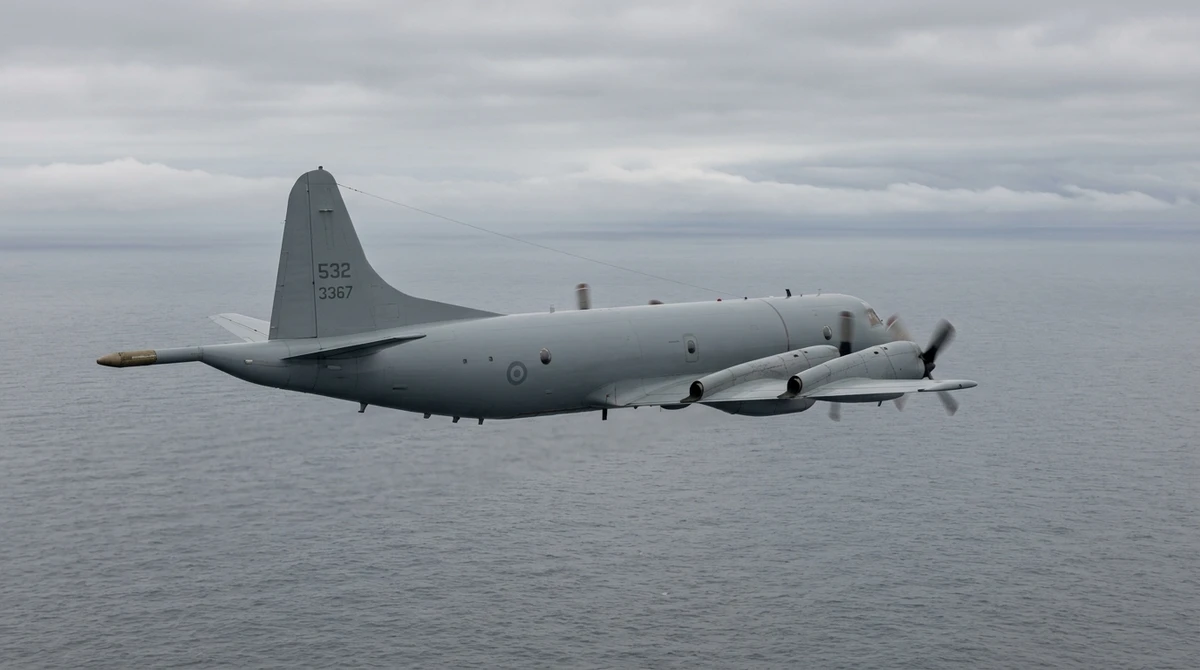
P-3 Orion Fleet Down to 101 Aircraft in 12 Countries, Roughly Half Its 2022 Size
GlobalMilitary.net's inventory data counts 101 P-3 Orions in military service across 12 countries, down from 211 in 16 countries in its 2022 snapshot, as US agencies retire special-mission Orions and Japan draws down the largest remaining fleet.
Bréguet Alizé Turns 70: French Carrier Submarine Hunter Served From 1959 to 2000
The prototype of the Bréguet Br.1050 Alizé, the French Navy's carrier-based anti-submarine turboprop, first flew from Toulouse-Blagnac on 6 October 1956; 89 were built, and the type served France until September 2000 and India until 1991.

Northrop Grumman's YFQ-48A Talon Blue Completes First Fully Autonomous Flight at Mojave
Northrop Grumman said on October 3, 2026 that its company-funded YFQ-48A Talon Blue had taxied, taken off, maneuvered and landed without pilot input at Mojave, California, as the US Air Force prepares to select designs for Increment 2 of its Collaborative Combat Aircraft program.
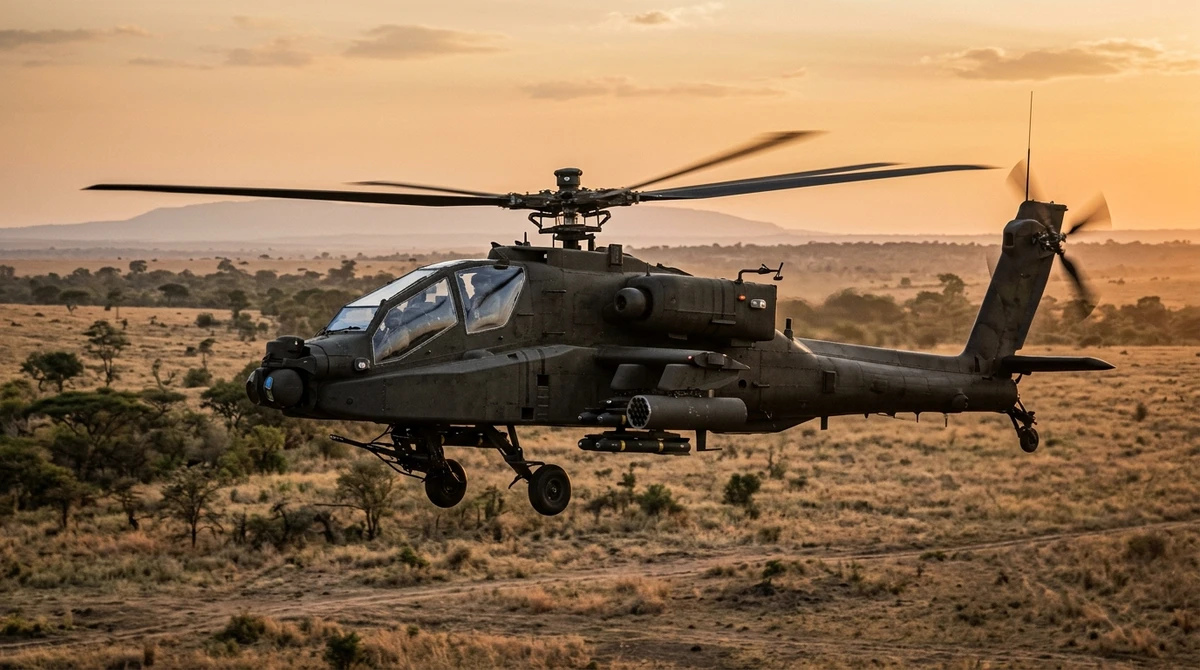
Australia Retires Its Tigers, Leaving Three Operators Among the World's 3,623 Attack Helicopters
The Australian Army has retired its Tiger attack helicopters, marking the fleet's sundown in Darwin on 30 September and leaving France, Germany and Spain as the only users; GlobalMilitary.net data counts 3,623 active attack helicopters in 81 countries.
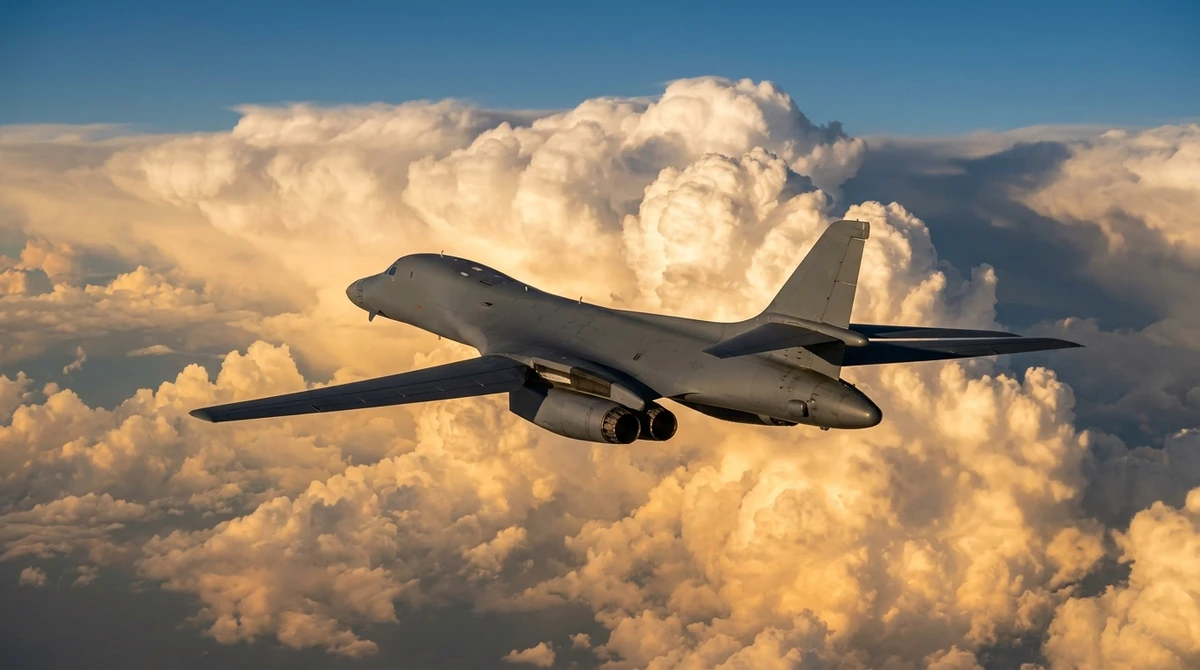
B-1B Lancer Reaches 40 Years in Service as US Air Force Plans to Keep It Flying Through 2037
The B-1B Lancer achieved initial operational capability on 1 October 1986; four decades later, 45 of the 100 bombers built remain in US Air Force service at Ellsworth and Dyess, and modernization funding is now planned to keep the type relevant through 2037.