F-15 Eagle Marks 50 Years in US Air Force Service as F-15EX Production Ramps Up
Fifty years after the first operational F-15A arrived at Langley Air Force Base on January 9, 1976, the Eagle remains in frontline service with six air forces and in production as the F-15EX Eagle II.
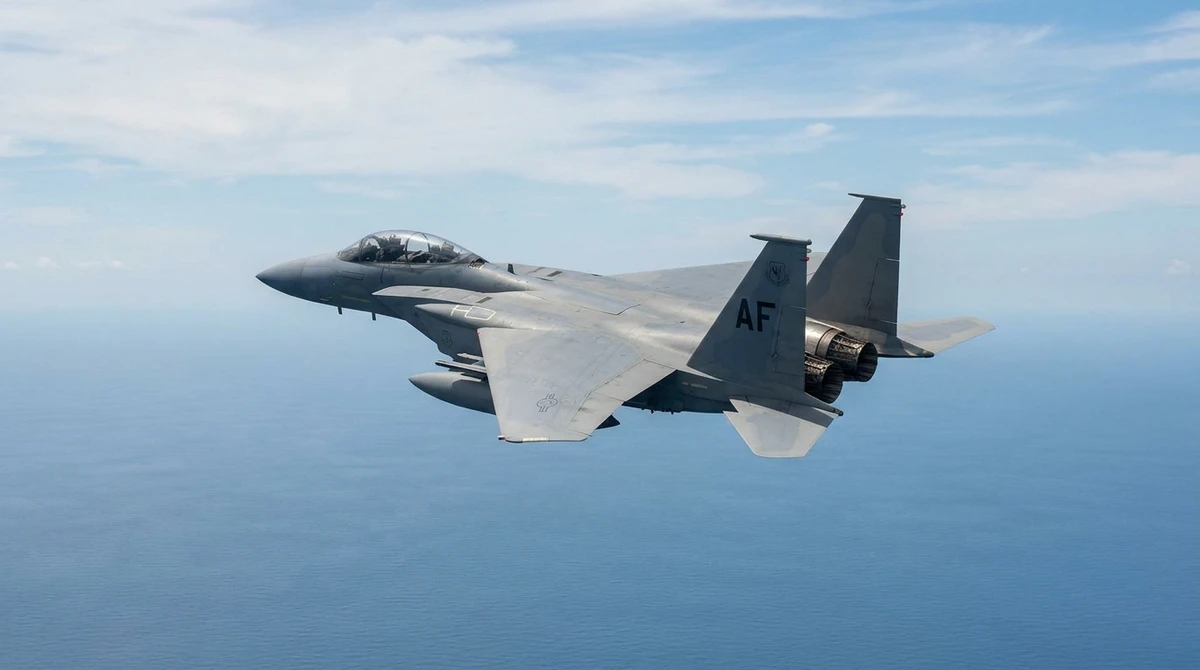
The F-15 Eagle marks 50 years of operational service in 2026. On January 9, 1976, the 1st Tactical Fighter Wing at Langley Air Force Base, Virginia, formally accepted the first operational F-15A, making the wing the initial front-line operator of what would become the most successful air superiority fighter of the jet age. Half a century later, the aircraft remains in service with the United States Air Force and five allied air arms, and new airframes are still coming off the production line in St. Louis.
The Eagle's defining statistic is its air-to-air combat record. Published accounts credit the type with more than 104 aerial victories and no confirmed losses in air-to-air combat; Boeing, the aircraft's current manufacturer, states that publicly reported data credits the F-15 family with more than 100 air-to-air victories. The majority were scored by the Israeli Air Force, beginning in 1979 and continuing through the 1982 Lebanon War. In the 1991 Gulf War, F-15s accounted for 34 of the US Air Force's 37 air-to-air kills, according to Air & Space Forces Magazine.
The F-15 emerged from the F-X program, launched after air combat over Vietnam exposed the limits of US fighters optimized for speed and missiles over maneuverability. McDonnell Douglas won the contract in 1969, and the first F-15A flew on July 27, 1972. The first aircraft delivered to Tactical Air Command, nicknamed TAC-1, was accepted at Luke Air Force Base, Arizona, on November 14, 1974, in a ceremony attended by President Gerald Ford. In total, 1,198 F-15A/B/C/D/J/DJ airframes were built between 1972 and 1997, and the twin-engine fighter's Mach 2.5 top speed still places it among the fastest fighter jets ever fielded.
The design proved unusually adaptable across five decades:
- The single-seat F-15A and two-seat F-15B were followed from 1979 by the improved F-15C/D, the backbone of US air superiority through the Cold War's final decade.
- The F-15E Strike Eagle, a two-seat strike derivative, entered service in 1989 and spawned export versions for Israel, Saudi Arabia, South Korea, Singapore and Qatar.
- Japan built the F-15J under license through Mitsubishi Heavy Industries, and the type remains the mainstay of the Japan Air Self-Defense Force.
The Eagle's second act is already under way. The US Air Force plans to retire its last F-15C/D models by fiscal year 2031, according to Air & Space Forces Magazine, but their replacement in the air defense role is another Eagle: the Boeing F-15EX Eagle II, which entered operational service in July 2024. Deliveries to the Air National Guard resumed in December 2025 following a machinists strike at Boeing's St. Louis plant, and the company is working toward a rate of two aircraft per month by the end of 2026. The current program of record stands at 129 aircraft, with Air Force budget proposals seeking a substantially larger fleet. With an airframe rated for more than 20,000 flight hours, according to Boeing, the F-15EX is expected to keep the Eagle line flying into the 2040s and beyond, well past its 70th anniversary.
More News
All news →
First HACM Hypersonic Cruise Missile Flight Test Unit Released Over Australia
The U.S. Air Force says a Hypersonic Attack Cruise Missile flight test unit was released by the Royal Australian Air Force over an Australian test range, without disclosing the date, the launch aircraft or whether the scramjet-powered weapon achieved powered flight.
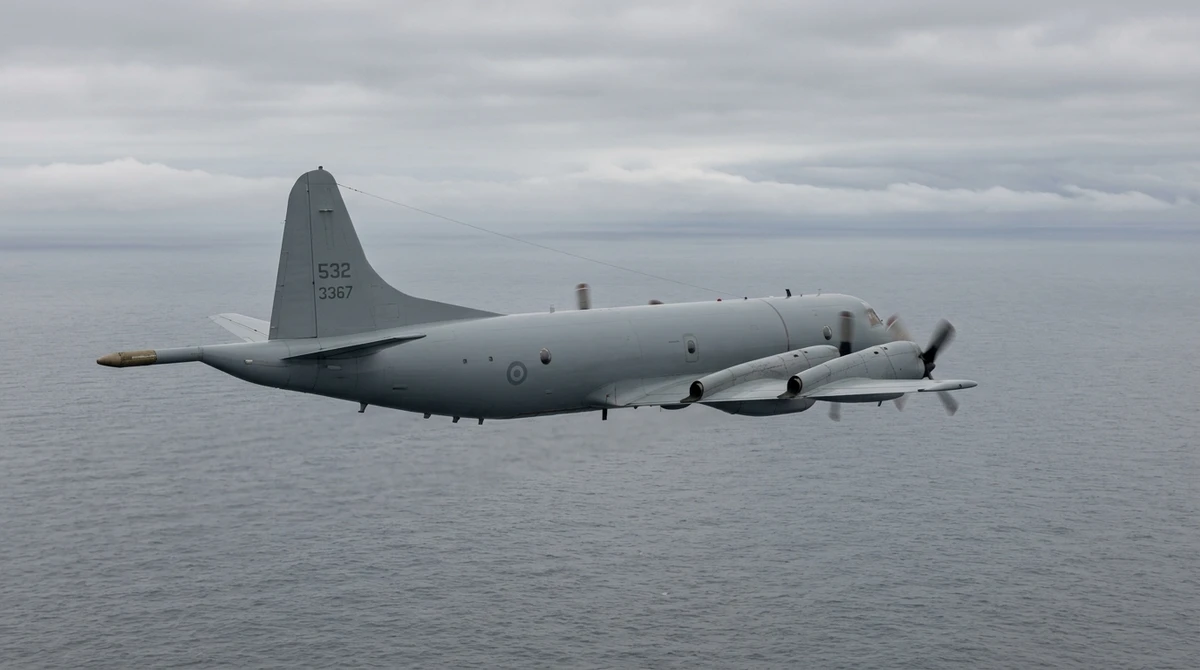
P-3 Orion Fleet Down to 101 Aircraft in 12 Countries, Roughly Half Its 2022 Size
GlobalMilitary.net's inventory data counts 101 P-3 Orions in military service across 12 countries, down from 211 in 16 countries in its 2022 snapshot, as US agencies retire special-mission Orions and Japan draws down the largest remaining fleet.
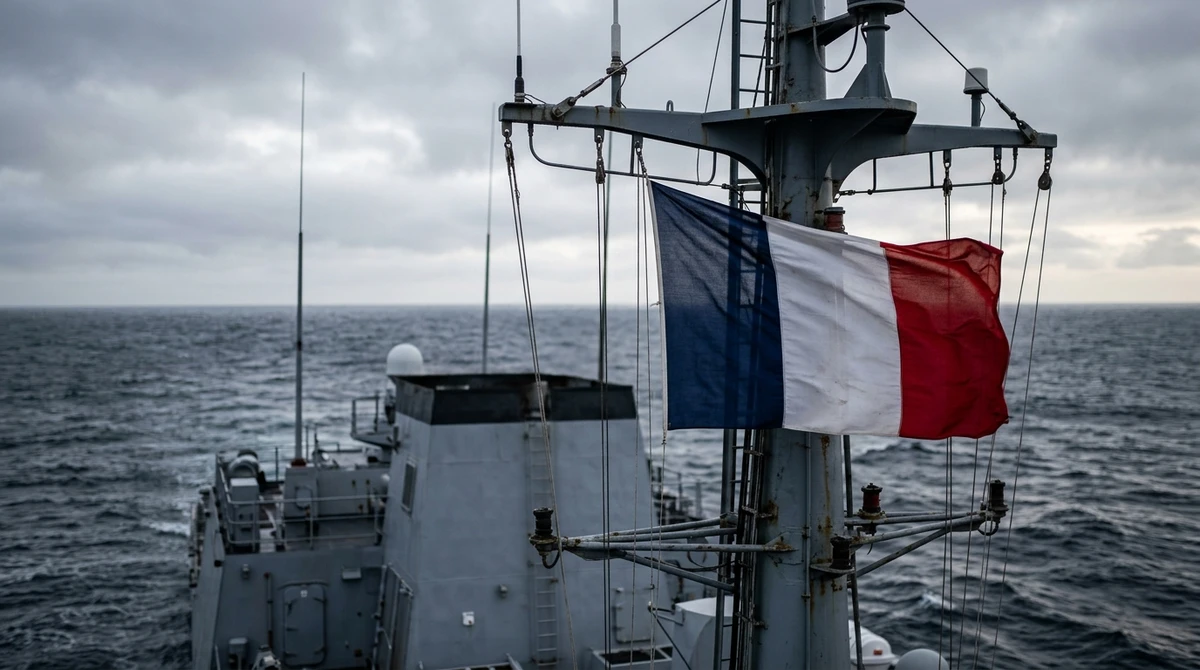
Bréguet Alizé Turns 70: French Carrier Submarine Hunter Served From 1959 to 2000
The prototype of the Bréguet Br.1050 Alizé, the French Navy's carrier-based anti-submarine turboprop, first flew from Toulouse-Blagnac on 6 October 1956; 89 were built, and the type served France until September 2000 and India until 1991.

Northrop Grumman's YFQ-48A Talon Blue Completes First Fully Autonomous Flight at Mojave
Northrop Grumman said on October 3, 2026 that its company-funded YFQ-48A Talon Blue had taxied, taken off, maneuvered and landed without pilot input at Mojave, California, as the US Air Force prepares to select designs for Increment 2 of its Collaborative Combat Aircraft program.
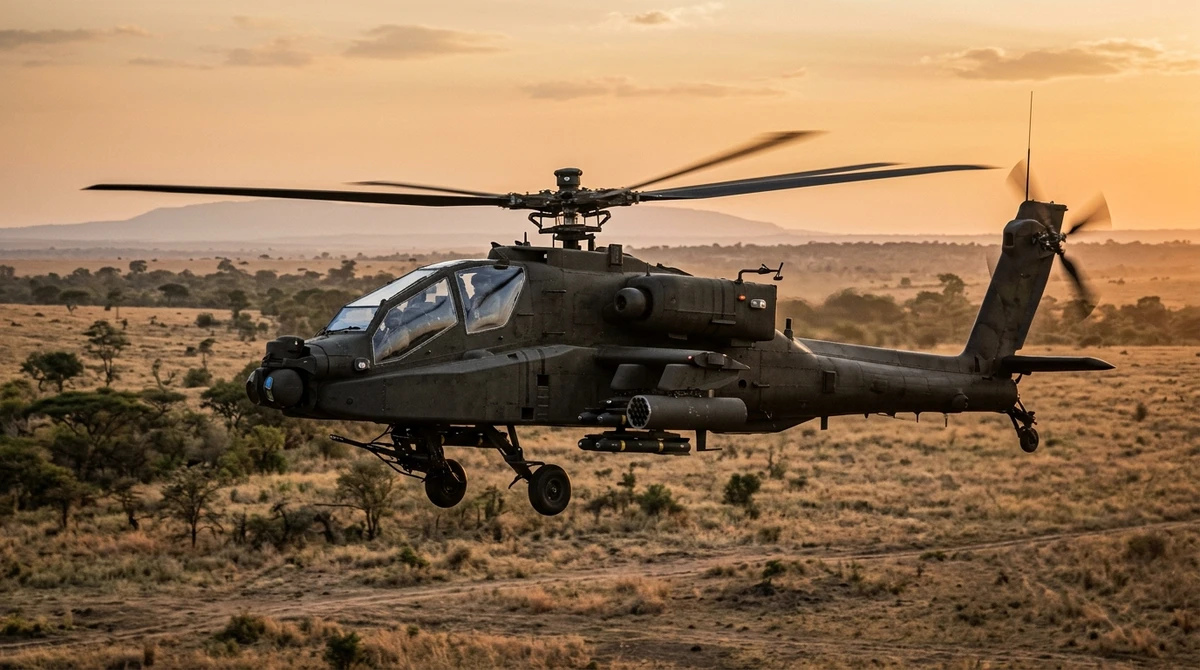
Australia Retires Its Tigers, Leaving Three Operators Among the World's 3,623 Attack Helicopters
The Australian Army has retired its Tiger attack helicopters, marking the fleet's sundown in Darwin on 30 September and leaving France, Germany and Spain as the only users; GlobalMilitary.net data counts 3,623 active attack helicopters in 81 countries.
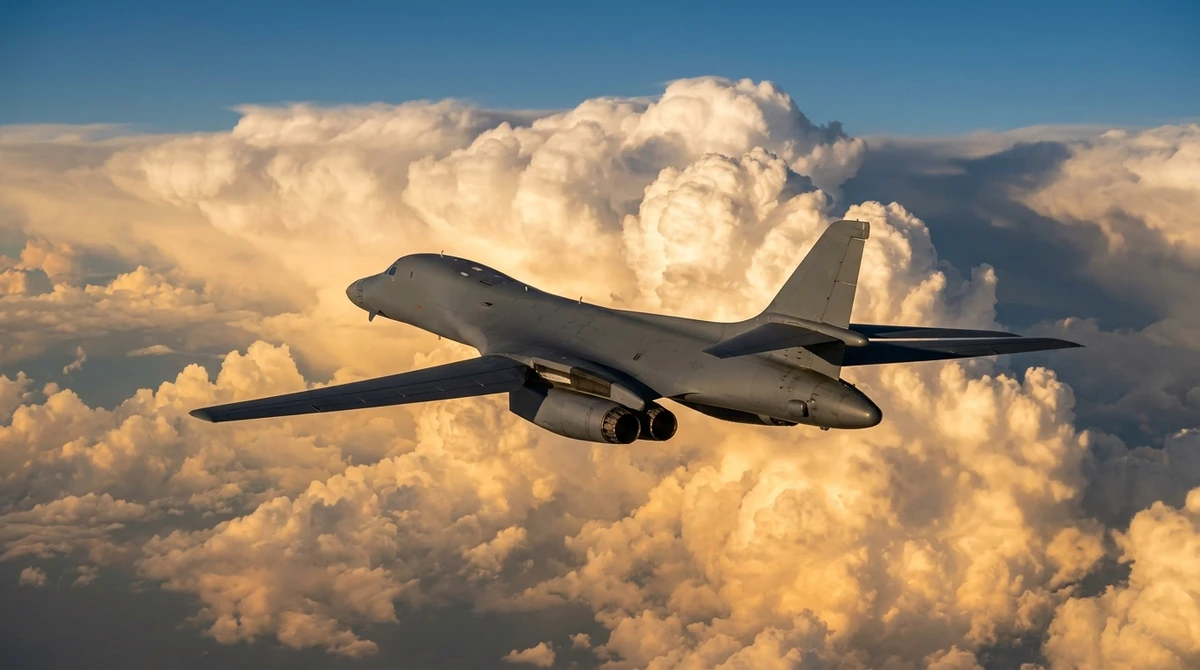
B-1B Lancer Reaches 40 Years in Service as US Air Force Plans to Keep It Flying Through 2037
The B-1B Lancer achieved initial operational capability on 1 October 1986; four decades later, 45 of the 100 bombers built remain in US Air Force service at Ellsworth and Dyess, and modernization funding is now planned to keep the type relevant through 2037.