US Sea Drones Destroy Iranian Midget Submarine at Bandar Abbas in Combat First
Three Saronic Corsair one-way attack drones destroyed a docked Ghadir-class midget submarine at Bandar Abbas Naval Base over the weekend of July 12-13, in what CENTCOM called the first combat employment of armed sea drones by US forces.
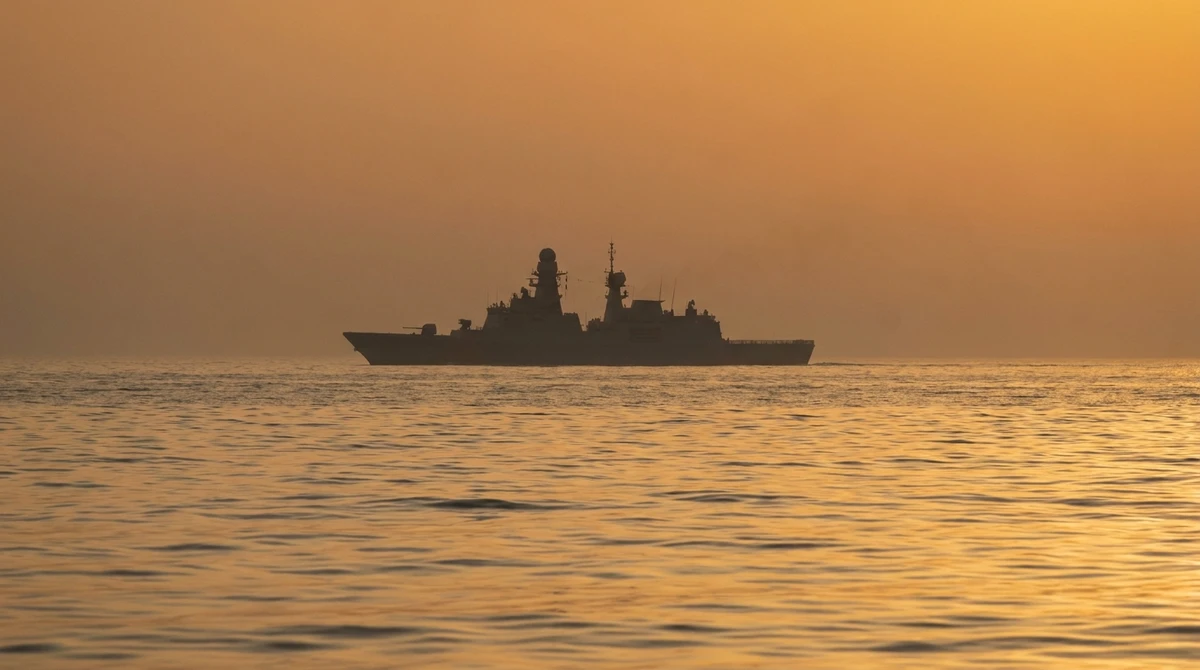
Three US one-way attack unmanned surface vessels struck Iran's Bandar Abbas Naval Base over the weekend of July 12–13, destroying a docked Ghadir-class midget submarine in what US Central Command described as the first combat employment of armed sea drones by American forces.
The three Saronic Corsair vessels hit the port's submarine and ship maintenance facility, CENTCOM said in a statement, adding that the strikes "degraded Iran's ability to continue attacking commercial shipping." According to reporting by Naval News and USNI News, the craft approached the dock from different directions under autonomous control before rendezvousing alongside the laid-up submarine and detonating.
The Corsair is a 24-foot composite-hull autonomous vessel capable of 35 knots, with a range of around 1,000 nautical miles and a 1,000-pound payload. Built by Austin, Texas-based Saronic, the type had reached a production run of more than 300 units by May 2026. The drones were deployed by US 5th Fleet's Task Force 59, the Bahrain-based unit created in 2021 to integrate unmanned systems into Middle East operations.
The strike marks a shift in a tactic pioneered at scale by Ukraine in the Black Sea, where explosive-laden surface drones have sunk or damaged multiple Russian warships since 2022. It is the first time the United States has employed the weapon operationally.
The Ghadir class is a domestically built midget submarine of roughly 120 tonnes, derived from the North Korean Yono design and intended for shallow-water operations in the Persian Gulf and the Strait of Hormuz. This is the second Ghadir lost in the conflict between Iran and the United States: another boat of the class was destroyed near the Strait of Hormuz in March. GlobalMilitary.net data shows Iran has now lost 29 naval vessels since the conflict began in February, including the frigates IRIS Alborz and IRIS Deylaman and five Sina-class missile boats destroyed at Bandar Anzali in March.
Details of the July 12 strike suggest the Corsairs covered a significant distance in transit, though CENTCOM has not disclosed the launch point. The command has signaled that unmanned strikes will continue as long as Iranian attacks on commercial shipping persist, and Saronic has stated it is scaling production of the Corsair line at its Texas facilities.
More News
All news →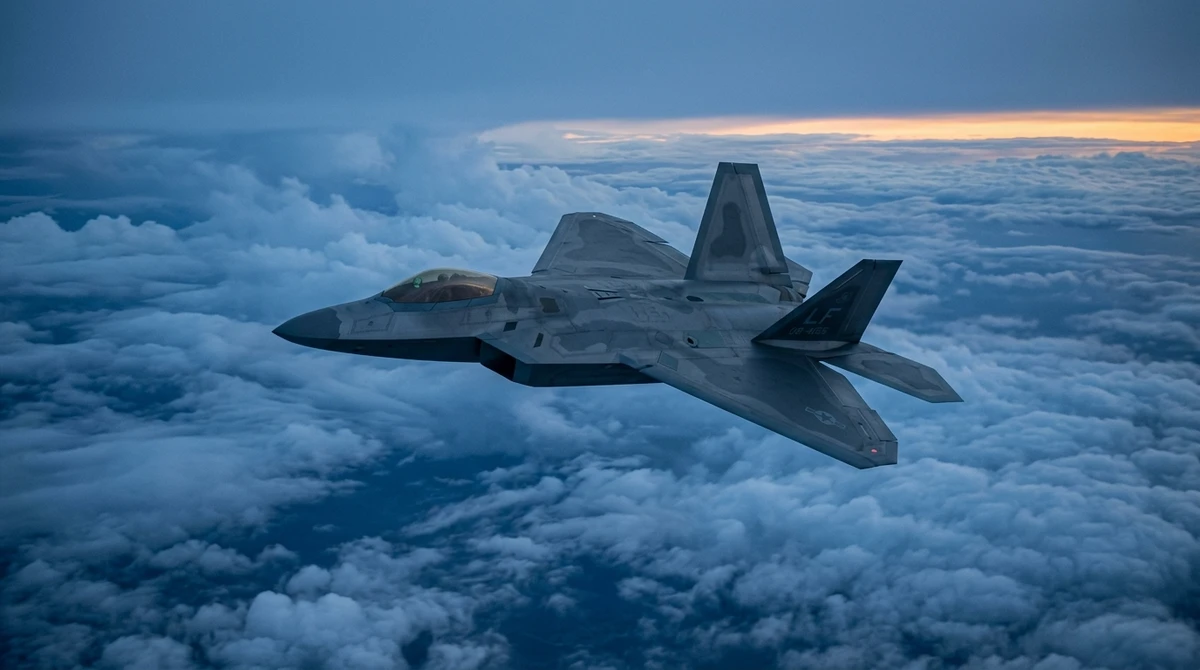
F-22 Pilot Takes In-Flight Command of an Anduril YFQ-44A Fury Drone
The U.S. Air Force said on October 16, 2026 that an F-22 Raptor pilot had taken airborne tactical command of an Anduril YFQ-44A Collaborative Combat Aircraft earlier this month; previous F-22 control tests had used a surrogate drone.
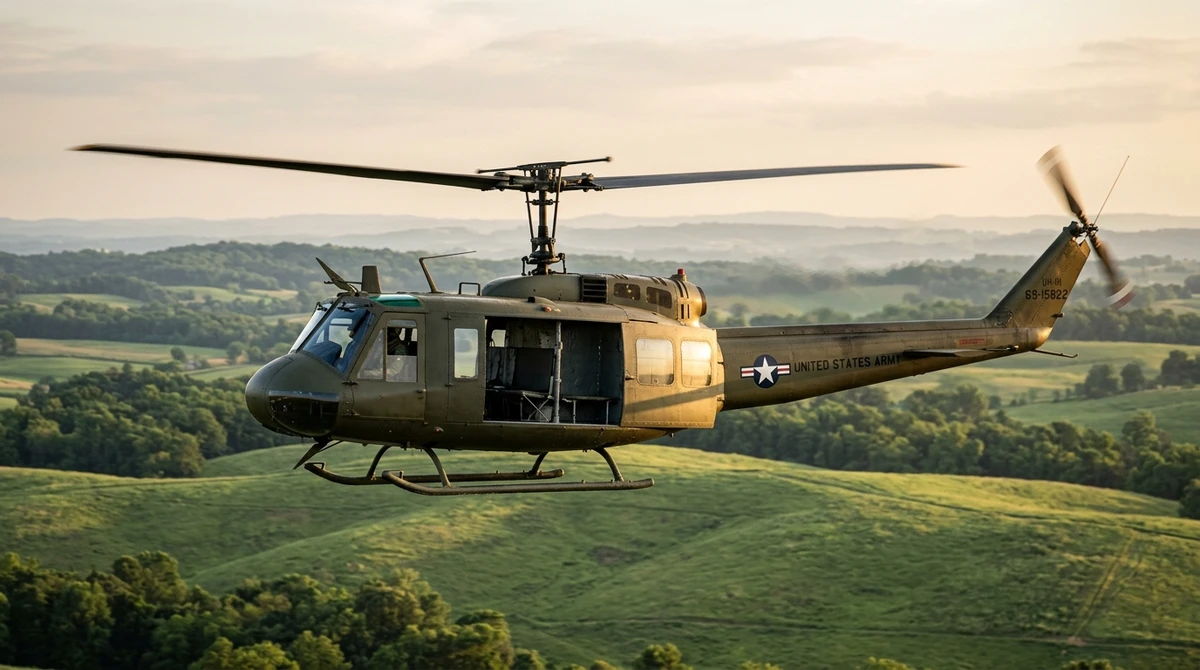
Bell UH-1 Huey Still Flies With 39 Countries 70 Years After Its First Flight
The XH-40 prototype of Bell's Huey first flew on 20 October 1956 at Fort Worth; 70 years on, GlobalMilitary.net inventory data counts 844 single-engine UH-1s active in 39 countries, 438 twin-engine UH-1N and Bell 212 derivatives in 29, and 167 UH-1Y Venoms in two.
USS Zumwalt at 10: The Navy's Stealth Destroyer Trades Its Guns for Hypersonic Missile Tubes
Commissioned in Baltimore on October 15, 2016, the lead ship of a class cut from 32 hulls to three has spent most of the past three years in a Mississippi yard, where its two 155mm guns were removed to make room for 12 Conventional Prompt Strike hypersonic missiles.
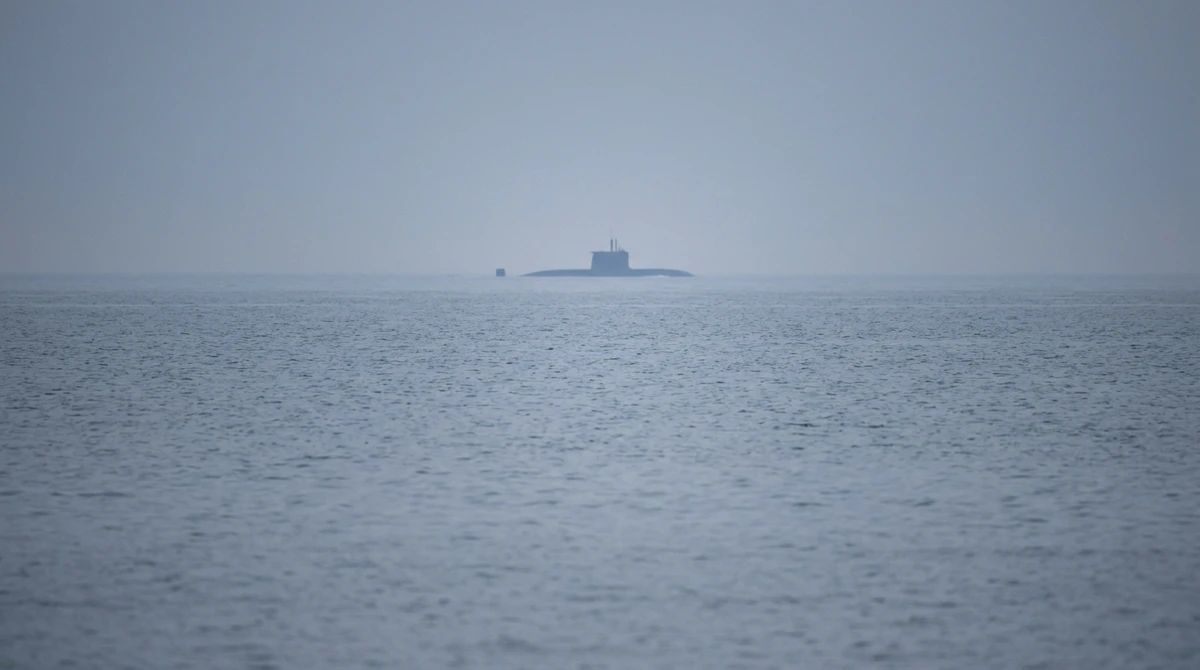
North Korea Says It Fired Two Submarine-Launched Cruise Missiles, Shows Hero Kim Kun Ok Submarine at Sea
North Korea's state media said two types of submarine-launched cruise missiles were test-fired off its east coast on October 14, 2026, and released a first photo of the Hero Kim Kun Ok submarine at sea; Seoul said it tracked the launches.
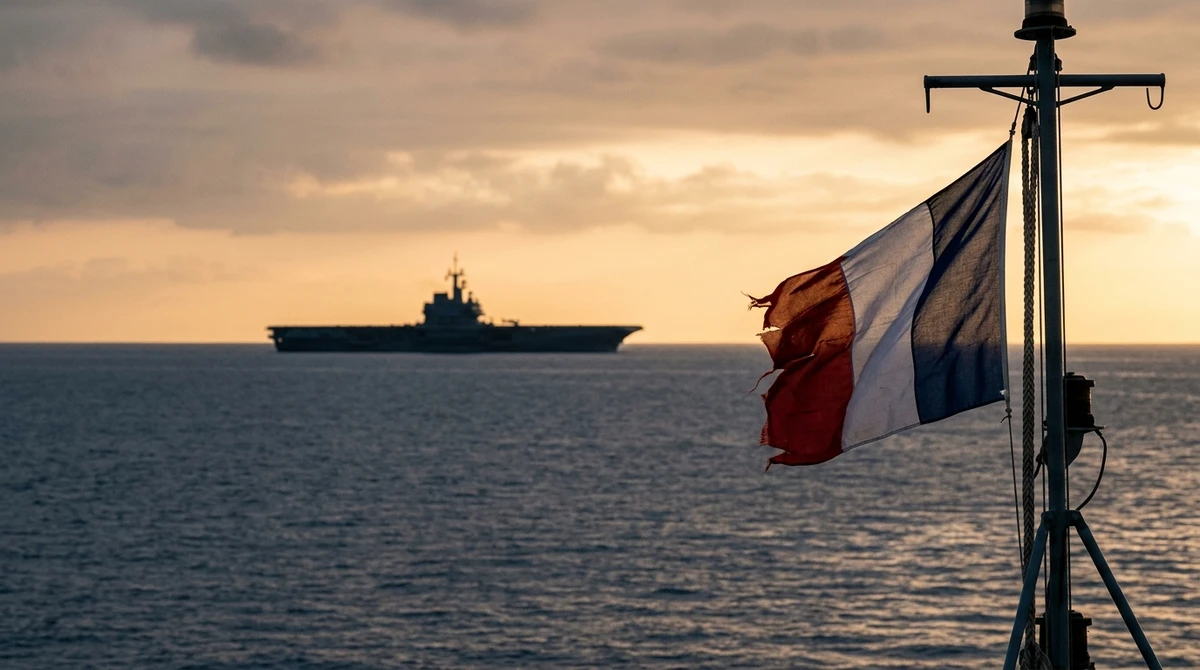
France Studies Keeping Charles de Gaulle Past 2038 as 24 Carriers Serve in Nine Navies
The French Navy's chief of staff told lawmakers on October 14 that studies due in early 2029 will decide whether the nuclear-powered Charles de Gaulle can sail on after its planned 2038 retirement, which would give France two carriers for the first time since the late 1990s.
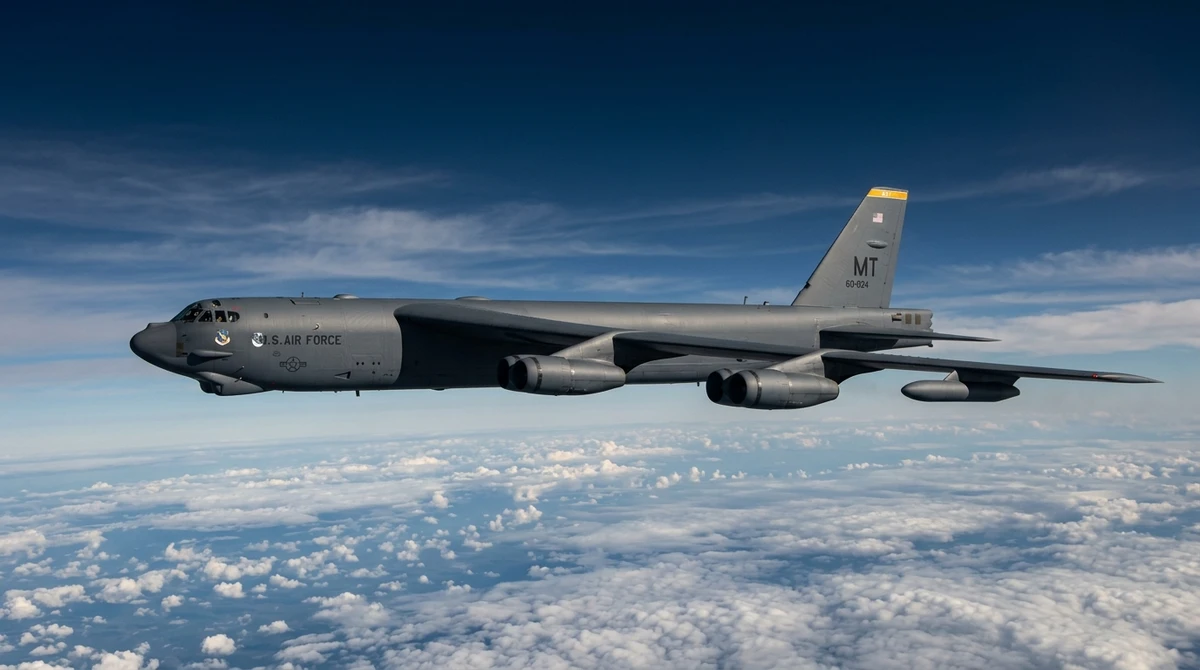
Why Hypersonic Glide Vehicles, Scramjet Cruise Missiles and the Kinzhal Are Three Different Weapons
Two flight tests in one week, the US Air Force's scramjet-powered HACM over Australia and South Korea's first hypersonic glide vehicle on October 8, shared one word for different machines; what sets them, and Russia's Kinzhal, apart is altitude, propulsion and maneuver, not speed.