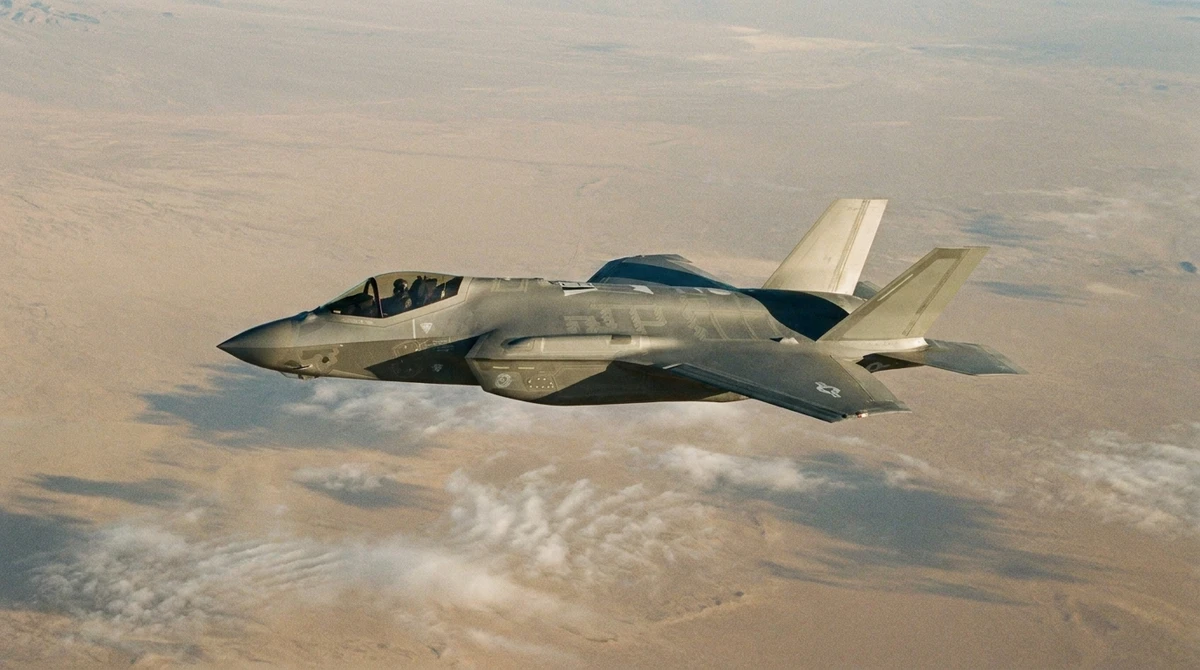
The US Air Force and Anduril announced on July 15 that the YFQ-44A Fury has fired a live AIM-120 AMRAAM radar-guided missile for the first time — the first live air-to-air missile shot by any US Collaborative Combat Aircraft. The test was conducted from Edwards Air Force Base, California, in airspace over the Mojave Desert, and took place on July 10, according to FlightGlobal.
The sortie demonstrated an end-to-end, beyond-line-of-sight engagement. After the drone departed Edwards, Anduril's Lattice autonomy software ingested a target track, a human operator tasked the aircraft to engage, and the YFQ-44A released the AMRAAM against a simulated digital target. "This was more than a simple weapons release test — it demonstrated an end-to-end, beyond-line-of-sight strike," said Anduril's vice president of autonomous airpower. Air Force Chief of Staff Gen. Kenneth Wilsbach called the test "an important next step in the development of Collaborative Combat Aircraft."
The missile was carried on one of the Fury's external underwing hardpoints, which currently accommodate one AMRAAM under each wing. The aircraft had first been photographed flying with inert AIM-120s in February 2026, part of a deliberate progression from captive-carry flights through simulated engagements to a live shot.
The Fury made its maiden flight on October 31, 2025 — 556 days after development began, an unusually rapid pace for a US military aircraft. It is one of two Increment 1 designs in the Air Force's CCA program, alongside General Atomics' YFQ-42A, which is expected to conduct its own live-fire test before the end of 2026. The semi-autonomous drones are designed to fly as armed wingmen for crewed fighters such as the F-35 Lightning II and F-22 Raptor, extending their sensor reach and missile magazines. The service has said it eventually wants a fleet of about 1,000 CCAs.
Weapons and autonomy testing is set to intensify as the Air Force works toward fielding its first CCAs before the end of the decade. Officials say data from the Edwards live-fire campaign will validate the digital models used to design the aircraft's weapon employment sequence, a key step before operational units receive the type.
More News
All news →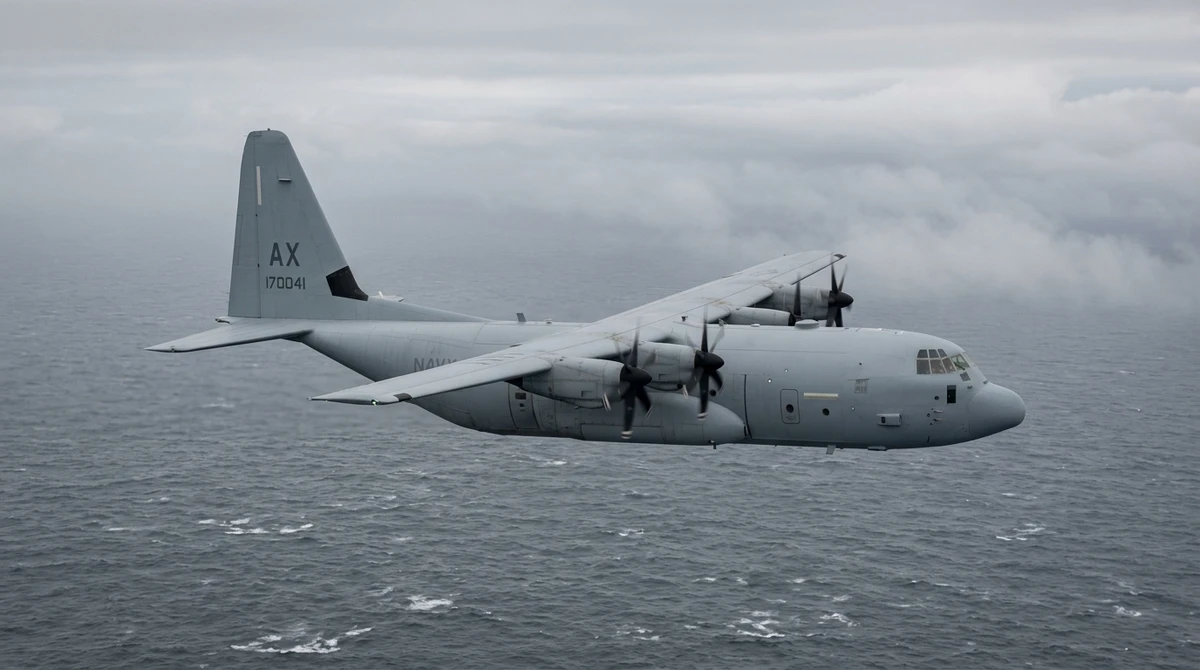
US Navy accepts first C-130J-30 airframe for E-130J Phoenix II TACAMO aircraft
The US Navy took delivery of a newly built Lockheed Martin C-130J-30 Super Hercules at Marietta, Georgia, on Oct. 15, the first of three airframes to be converted into E-130J Phoenix II aircraft that will replace the E-6B Mercury in the nuclear communications relay mission.
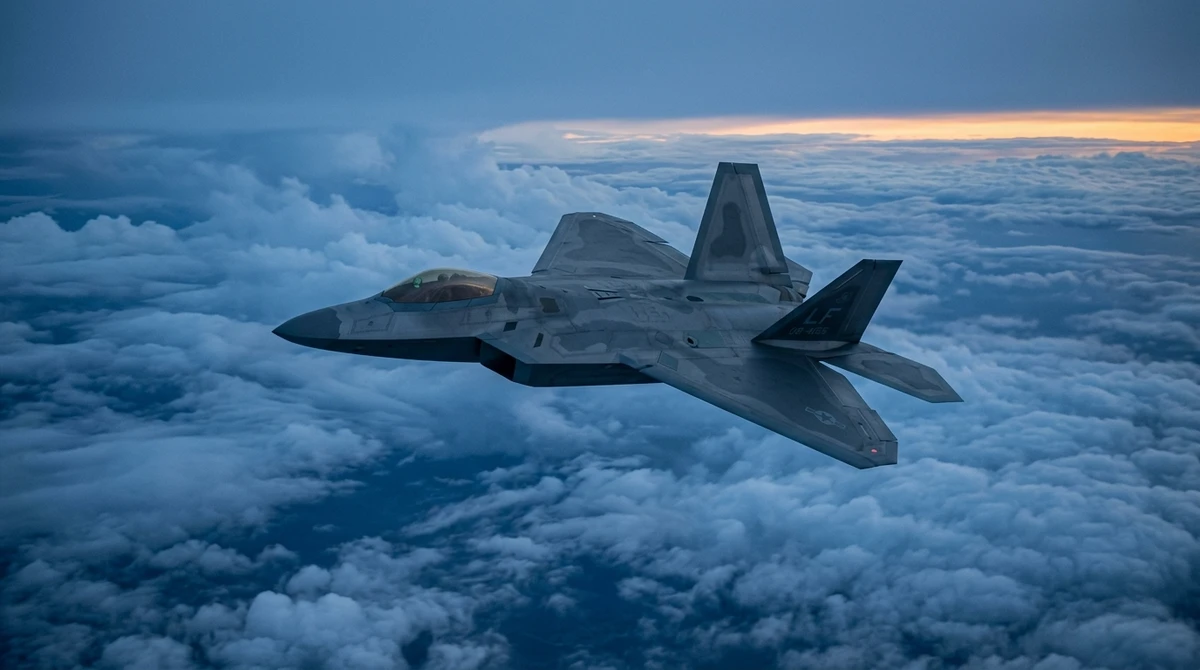
F-22 Pilot Takes In-Flight Command of an Anduril YFQ-44A Fury Drone
The U.S. Air Force said on October 16, 2026 that an F-22 Raptor pilot had taken airborne tactical command of an Anduril YFQ-44A Collaborative Combat Aircraft earlier this month; previous F-22 control tests had used a surrogate drone.
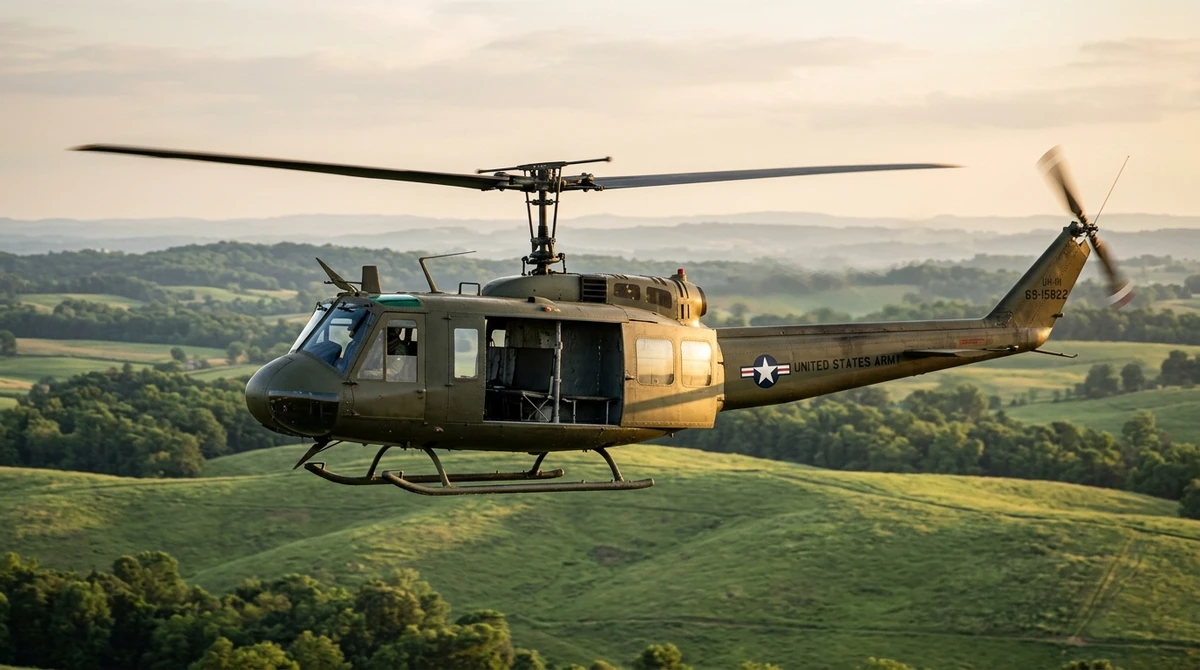
Bell UH-1 Huey Still Flies With 39 Countries 70 Years After Its First Flight
The XH-40 prototype of Bell's Huey first flew on 20 October 1956 at Fort Worth; 70 years on, GlobalMilitary.net inventory data counts 844 single-engine UH-1s active in 39 countries, 438 twin-engine UH-1N and Bell 212 derivatives in 29, and 167 UH-1Y Venoms in two.
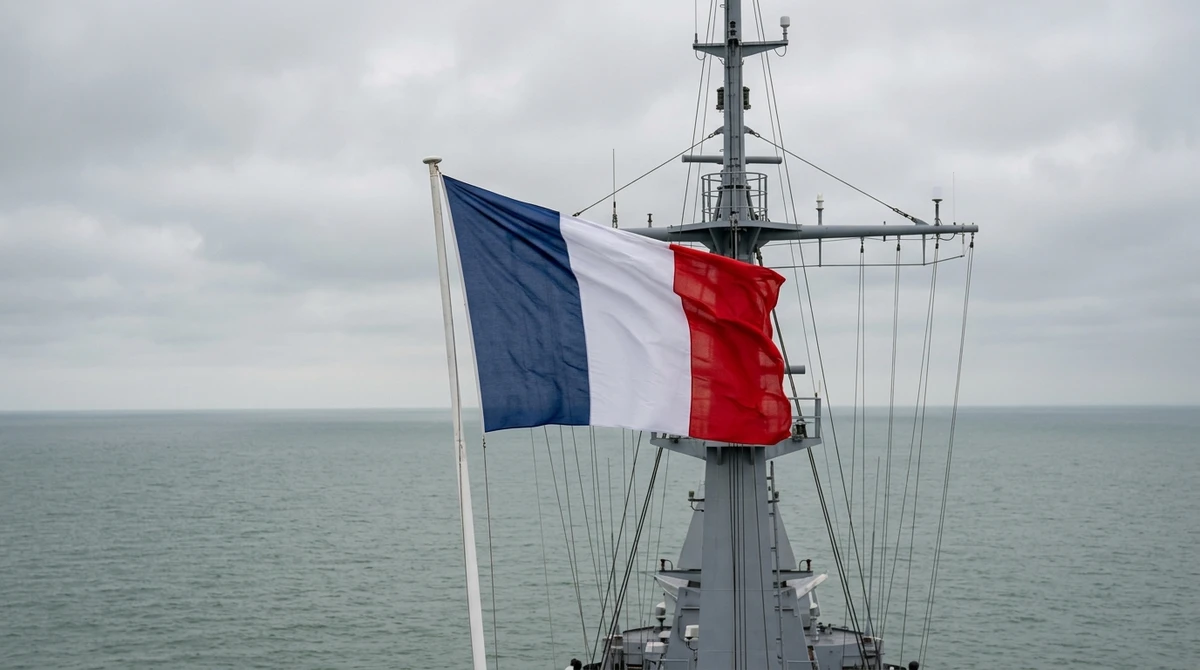
France Rolls Out Rubis, Fifth Suffren-Class Attack Submarine, as One 1980s Boat Remains in Service
France's procurement agency, the DGA, said on October 16 that Rubis, the fifth Suffren-class nuclear attack submarine, had begun its move from Naval Group's construction hall at Cherbourg to the launch system, with trials and delivery to the French Navy still ahead and no dates given.
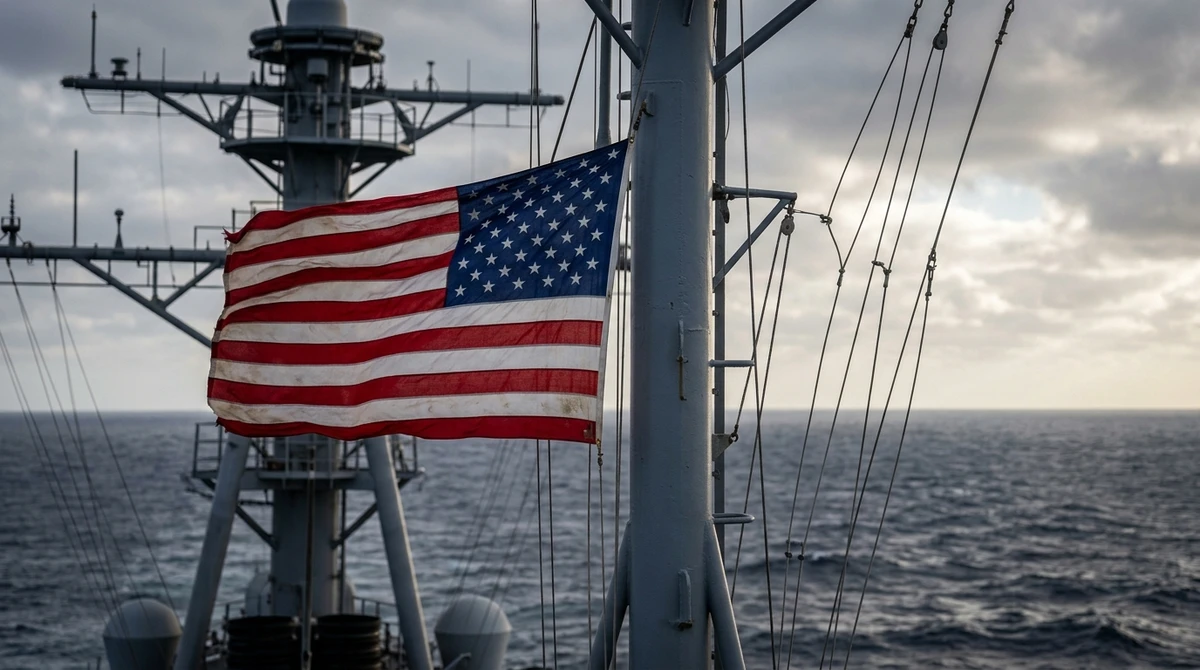
USS Zumwalt at 10: The Navy's Stealth Destroyer Trades Its Guns for Hypersonic Missile Tubes
Commissioned in Baltimore on October 15, 2016, the lead ship of a class cut from 32 hulls to three has spent most of the past three years in a Mississippi yard, where its two 155mm guns were removed to make room for 12 Conventional Prompt Strike hypersonic missiles.
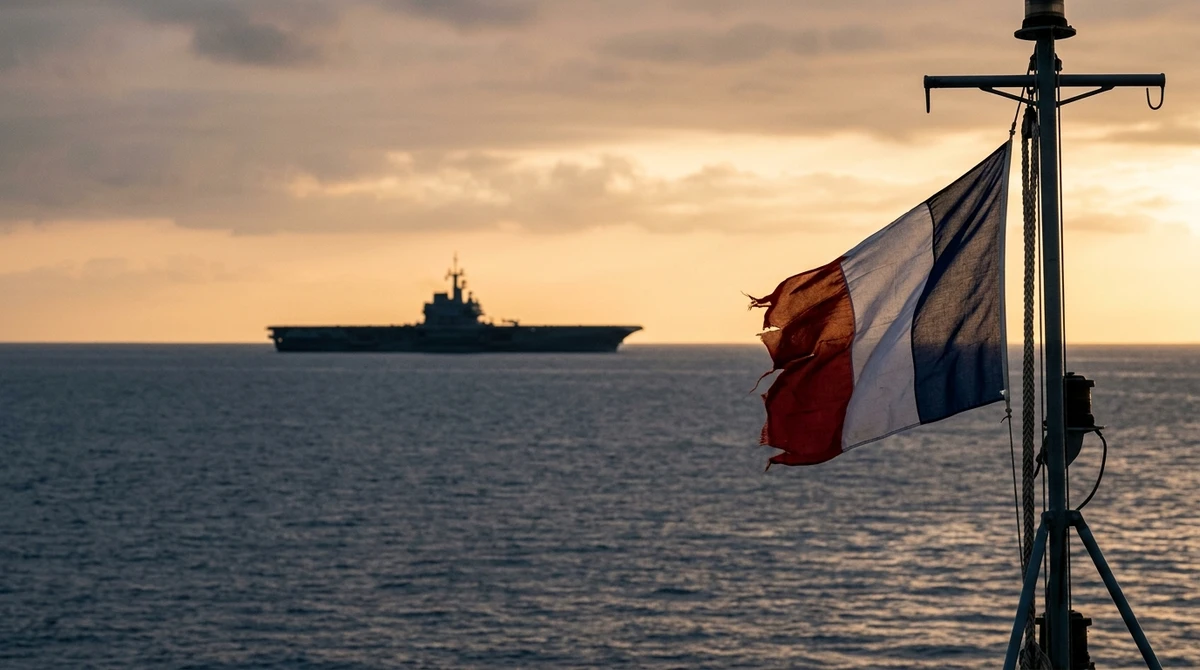
France Studies Keeping Charles de Gaulle Past 2038 as 24 Carriers Serve in Nine Navies
The French Navy's chief of staff told lawmakers on October 14 that studies due in early 2029 will decide whether the nuclear-powered Charles de Gaulle can sail on after its planned 2038 retirement, which would give France two carriers for the first time since the late 1990s.