
Tanzania Air Force Command
The Tanzania Air Force Command operates 43 military aircraft in 2026 — 20 combat aircraft (fighter and attack jets), 15 helicopters, 8 transport aircraft. It ranks #93 of 162 air forces worldwide, with 1 more aircraft on order.
Full inventory in 2026
15 aircraft typesTanzanian Peoples Defence Force
| Aircraft | Origin | Model year | Active | Δ YoY | Ordered | |
|---|---|---|---|---|---|---|
| Combat | ||||||
|
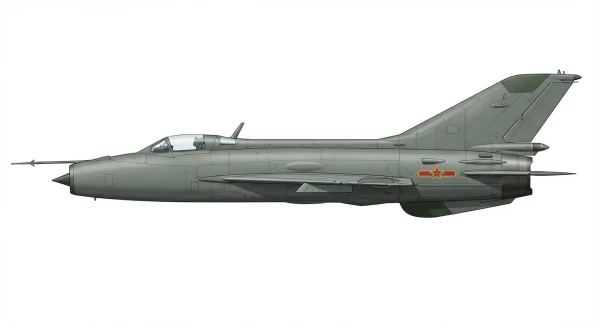
F-7 | 🇨🇳 China | 1966 | 11 | — | — |

|
K-8 |
🇨🇳 China 🇵🇰 Pakistan |
1994 | 4 | — | — |
|
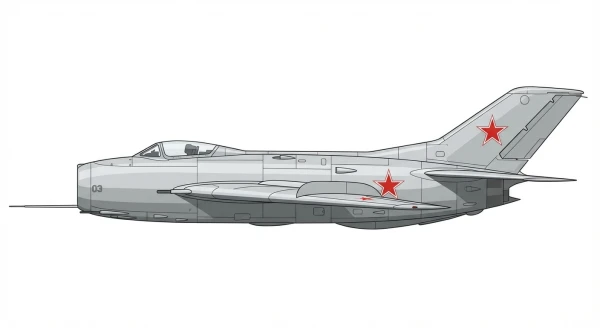
F-6 | 🇷🇺 Ex-USSR | 1955 | 3 | — | — |
|
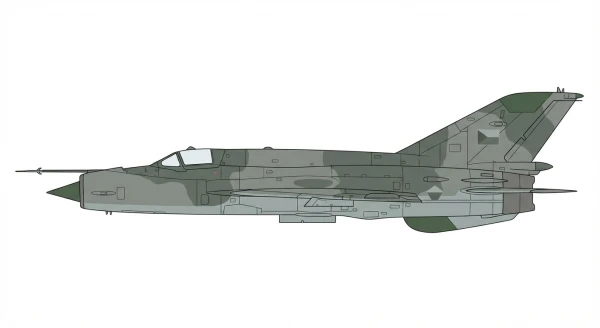
FT-7 | 🇷🇺 Ex-USSR | 1958 | 2 | — | — |
| Helicopter | ||||||
|
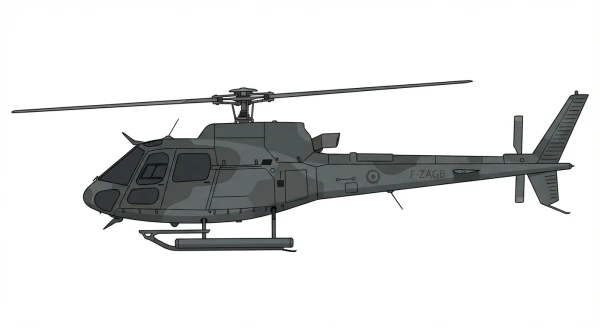
H125M/AS350 | 🇫🇷 France | 1990 | 5 | +2 | — |
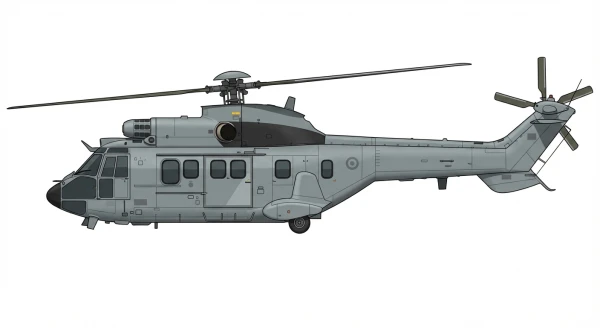
|
H215M |
🇩🇪 Germany 🇫🇷 France |
1978 | 4 | +4 | — |
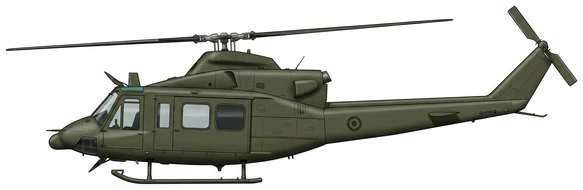
|
Bell 412 |
🇨🇦 Canada 🇺🇸 United States |
1981 | 2 | — | — |
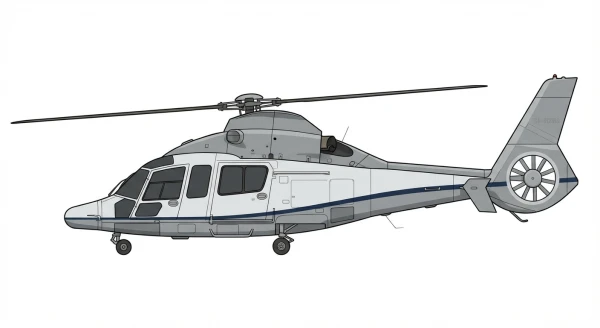
|
H155 | 🇫🇷 France | 1999 | 2 | +2 | — |
|
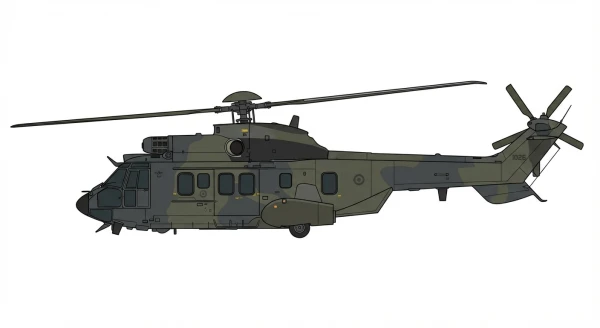
H225M |
🇩🇪 Germany 🇫🇷 France |
2005 | 2 | — | — |
| Transport | ||||||
|
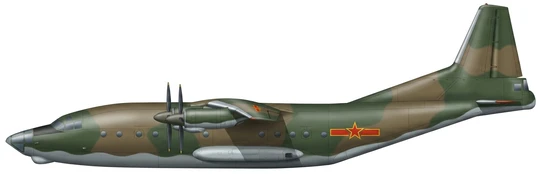
Y-8 | 🇨🇳 China | 1981 | 2 | — | — |
|
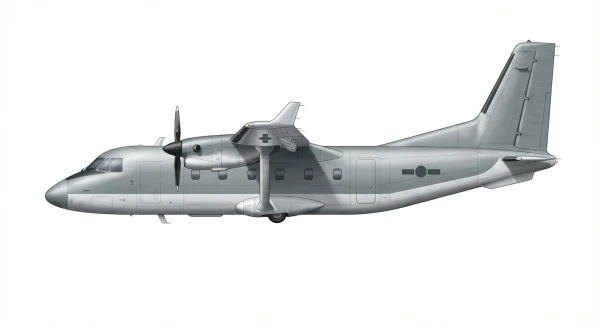
Y-12 | 🇨🇳 China | 1985 | 2 | — | — |
|
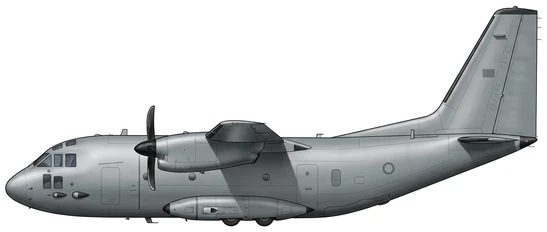
C-27J | 🇮🇹 Italy | 2006 | 1 | -1 | +1 |
|
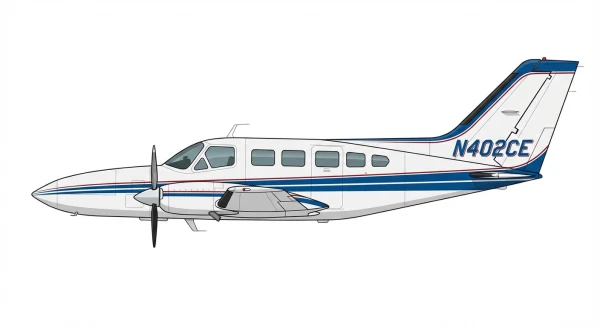
Cessna 402 | 🇺🇸 United States | 1967 | 1 | — | — |
|
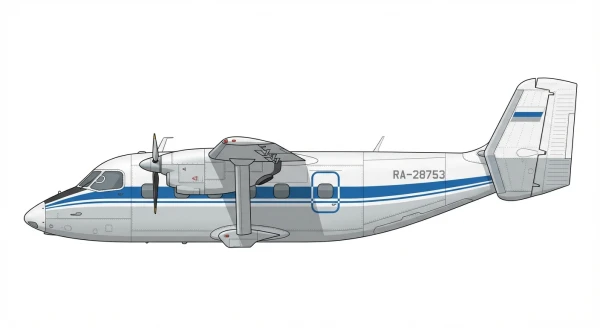
An-28 | 🇺🇦 Ukraine | 1986 | 1 | — | — |
|
CN-235 |
🇪🇸 Spain 🇮🇩 Indonesia |
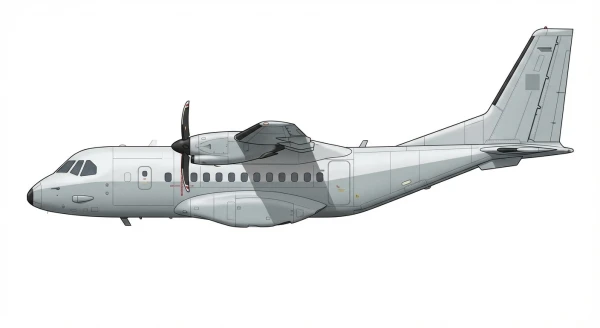
1988 | 1 | +1 | — |
Overview
The Tanzania Air Force Command (TAFC) is structured as an autonomous branch of the Tanzania People's Defence Force (TPDF), designed primarily to support ground forces and provide strategic air transport across the nation's vast territory. Its main air bases are located at Ukonga (Dar es Salaam), Mwanza, and Ngerengere. The current commander is Major General Shaban Mani.
Operationally, the TAFC's capabilities are centered on a modest fleet of combat, transport, and utility aircraft. The fighter arm consists of Chinese-made Chengdu F-7 and Shenyang J-6 jets, though the operational readiness of older airframes has been questionable due to serviceability issues. A significant update occurred in 2011 with the delivery of 12 F-7N single-seat fighters and two FT-7N dual-seat trainers, which are reported to be fully operational. The transport fleet, crucial for linking remote areas and for coastal patrols, includes types like the Shaanxi Y-8 and Harbin Y-12. A helicopter force provides utility and transport functions. The TAFC's operational capacity is limited by significant financial, technical, and infrastructural challenges. These constraints impact equipment modernization, personnel training, and overall readiness.
Frequently Asked Questions
How many aircraft does Tanzania have?
How does Tanzania's air force rank globally?
How many combat aircraft does Tanzania operate?
How many military helicopters does Tanzania have?
What is the AIRS Index score of Tanzania?
Where does Tanzania get its military aircraft from?
- SEP 32026 Updated Bell 412 fleet now linked to its own type page instead of the UH-1 Iroquois
- JUL 242026 Updated C-27J fleet entry linked to its aircraft page; Y-8 fleet entry linked to its aircraft page
- MAR 142026 Updated 22 inventory entries added across 17 aircraft types
- JUN 272025 Updated Air force overview reviewed and updated