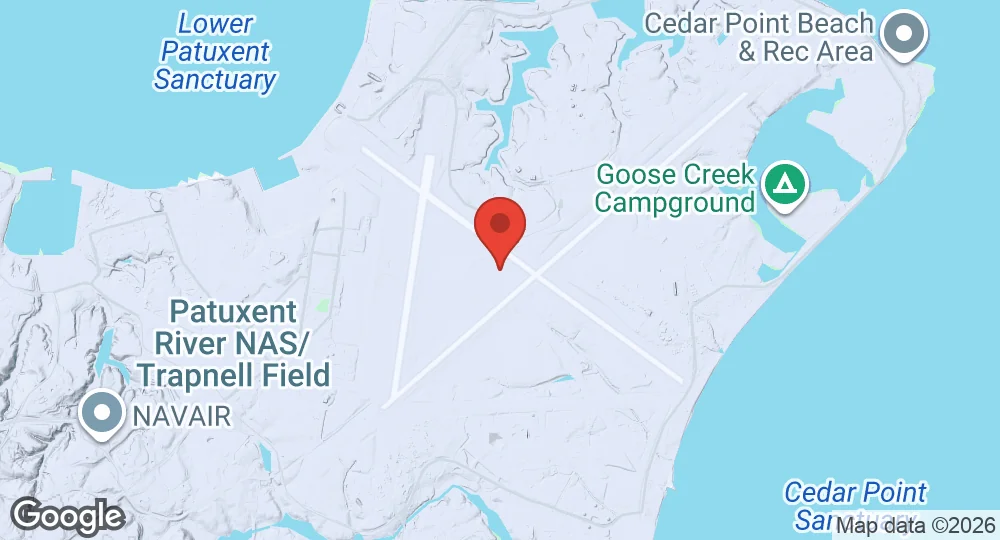
Naval Air Station Patuxent River, also known as NAS Pax River, is located in St. Mary’s County, Maryland, at the confluence of the Patuxent River and the Chesapeake Bay. The 6,400-acre site occupies the Cedar Point peninsula in Lexington Park. The Navy's Bureau of Aeronautics selected the location in 1937 to consolidate aviation test programs previously conducted at several facilities, including Dahlgren, Norfolk, and the Washington Navy Yard. Construction began in April 1942, and the station was commissioned on April 1, 1943. The airfield was designated Trapnell Field in 1976.
The installation is operated by the US Navy under Naval District Washington. It serves as the headquarters for the Naval Air Systems Command (NAVAIR) and hosts the U.S. Naval Test Pilot School and the Atlantic Test Range. The station’s primary role is the test and evaluation of naval aviation systems and aircraft acquisition.
Resident units include Naval Test Wing Atlantic and multiple test and evaluation squadrons, including Air Test and Evaluation Squadron 1, Scientific Development Squadron 1, Air Test and Evaluation Squadron 20, Rotary Wing Test Squadron 21, and Air Test and Evaluation Squadron 23. The base also manages Naval Outlying Landing Field (NOLF) Webster.
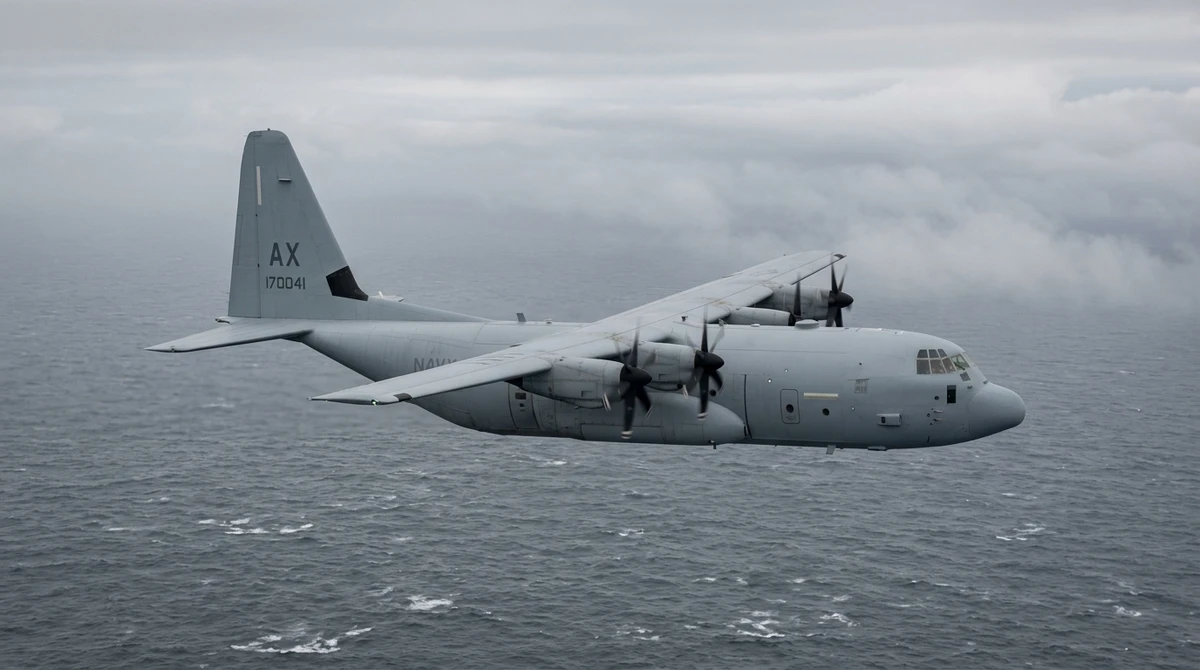
Operational infrastructure includes the Aircraft Anechoic Test Facility, the Air Combat Environment Test and Evaluation Facility, the Captain Steven A. Hazelrigg Flight Test Facility, and the Aircraft Test and Evaluation Facility. The base hosts a variety of aircraft for testing purposes, including the P-8A Poseidon, P-3 Orion, and V-22 Osprey. The facility has historically served as a development site for platforms such as the F-14 Tomcat, AV-8B Harrier II, and AH-1 SuperCobra. Additional facilities include a manned flight simulator, a propulsion system evaluation facility, and an Aviation Survival Training Center.