Burraq
Pakistani unmanned combat aerial vehicle, developed in the 2010s, used for surveillance and targeted air-to-surface strikes. Key figures: unit price $2M. In service with 1 air force as of 2026 — Pakistan (13).
- Air-to-Surface Barq
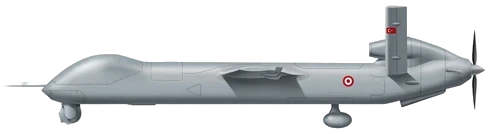
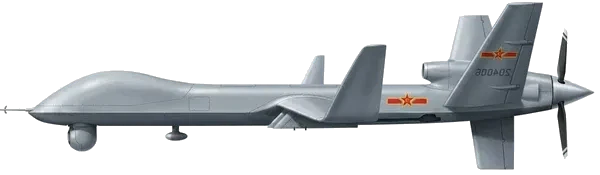
Description
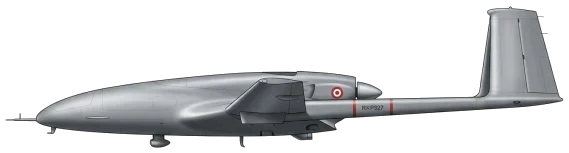
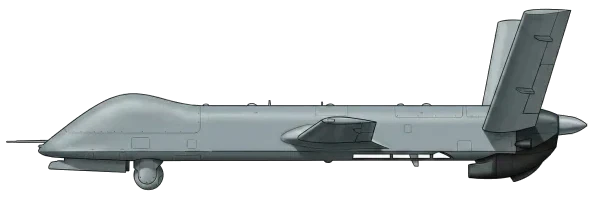
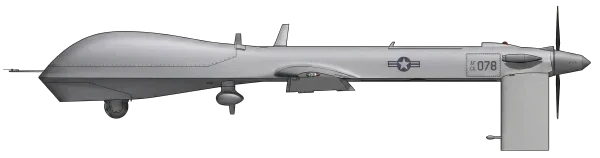
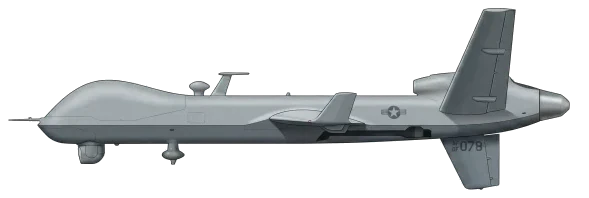
The Burraq is an unmanned combat aerial vehicle (UCAV) jointly developed by the National Engineering and Scientific Commission (NESCOM) and the Pakistan Air Force (PAF). Program development began in 2009 under a contract awarded to NESCOM after the United States denied Pakistani requests to purchase the MQ-1 Predator. The Burraq's design is inspired by the MQ-1 Predator, the Chinese CASC Rainbow CH-3A, and the Italian Selex ES Falco. Initial models of the aircraft were limited to surveillance and intelligence gathering. The first combat-capable version was publicly demonstrated in March 2015.
Armament
The aircraft is equipped with imagery and motion sensors. Its armament consists of the "Barq", a laser-guided air-to-surface missile capable of targeting both stationary and moving objects.
Operational History
The Pakistan Air Force and Pakistan Army inducted their first fleet of Burraq UCAVs in 2013. The Pakistani military conducted its initial strikes with the platform during the Khyber-1 military operations in the Tirah Valley. On September 7, 2015, the Burraq was used in active combat for the first time to strike a compound in the Shawal Valley, killing three targets. This deployment made Pakistan the fourth country to operate an armed drone in active combat.
Frequently Asked Questions
What type of aircraft is the Burraq?
Which countries operate the Burraq?
How much does a Burraq cost?
- AUG 202026 Updated Unit price filled (2.0 $M) for the UAV inventory weighting. Basis: estimate.
- JUL 62026 Created Page created: Burraq