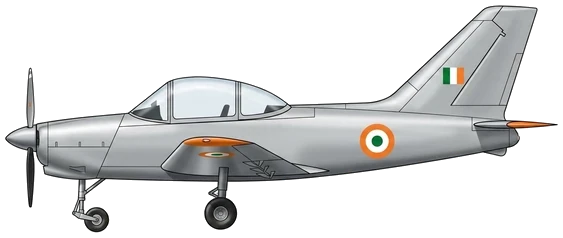
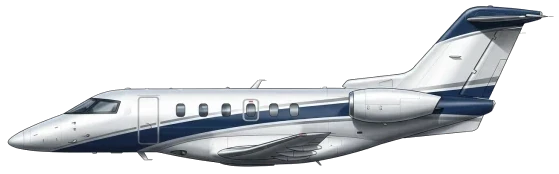
HPT-32 Deepak vs Pilatus PC-24
HPT-32 Deepak vs Pilatus PC-24 at a glance — top speed 281 vs 787 km/h, range 1,400 vs 3,700 km, max takeoff weight 1,322 vs 8,005 kg.
Specifications
|
HPT-32 Deepak |
Pilatus PC-24 |
| Origin country |
🇮🇳 India |
🇨🇭 Switzerland |
| Category |
Military Training Aircraft |
Military Training Aircraft |
| Manufacturer |
HAL |
Pilatus |
| First flight |
6 January 1977 |
11 May 2015 |
| Year introduced |
1984 |
2018 |
| Number produced |
N/A |
100 units |
| Average unit price |
-- |
$12 million |
| Wing area |
15.0 m² |
30.9 m² |
| Wingspan |
9.5 m |
17.0 m |
| Height |
2.9 m |
5.3 m |
| Length |
7.7 m |
16.8 m |
| Maximum speed |
281 km/h |
787 km/h |
| Operational range |
1,400 km |
3,700 km |
| Service ceiling |
5,500 m |
13,716 m |
| Max. takeoff weight |
1,322 kg |
8,005 kg |
| Empty weight |
1,034 kg |
4,967 kg |
| Total thrust |
1 x 194 kW
|
2 x 1,529 kgf
|
Detailed Comparison
Loading analysis...
Generating comparison analysis...
Unable to generate comparison at this time.
Change comparison
vs
Which is faster, the HPT-32 Deepak or Pilatus PC-24?
The Pilatus PC-24 is faster with a maximum speed of 787 km/h compared to the HPT-32 Deepak's 281 km/h, a difference of 506 km/h.
Which has longer range, the HPT-32 Deepak or Pilatus PC-24?
The Pilatus PC-24 has a longer range at 3,700 km compared to the HPT-32 Deepak's 1,400 km.
Which can fly higher, the HPT-32 Deepak or Pilatus PC-24?
The Pilatus PC-24 has a higher service ceiling at 13,716 meters (45,000 ft) compared to the HPT-32 Deepak's 5,500 meters (18,044 ft).
Which is heavier, the HPT-32 Deepak or Pilatus PC-24?
The Pilatus PC-24 has a higher maximum takeoff weight at 8,005 kg compared to the HPT-32 Deepak's 1,322 kg.
Which is larger, the HPT-32 Deepak or Pilatus PC-24?
The Pilatus PC-24 is longer at 16.8 meters compared to the HPT-32 Deepak's 7.7 meters.
Which entered service first, the HPT-32 Deepak or Pilatus PC-24?
The HPT-32 Deepak entered service first in 1984, 34 years before the Pilatus PC-24 which entered service in 2018.