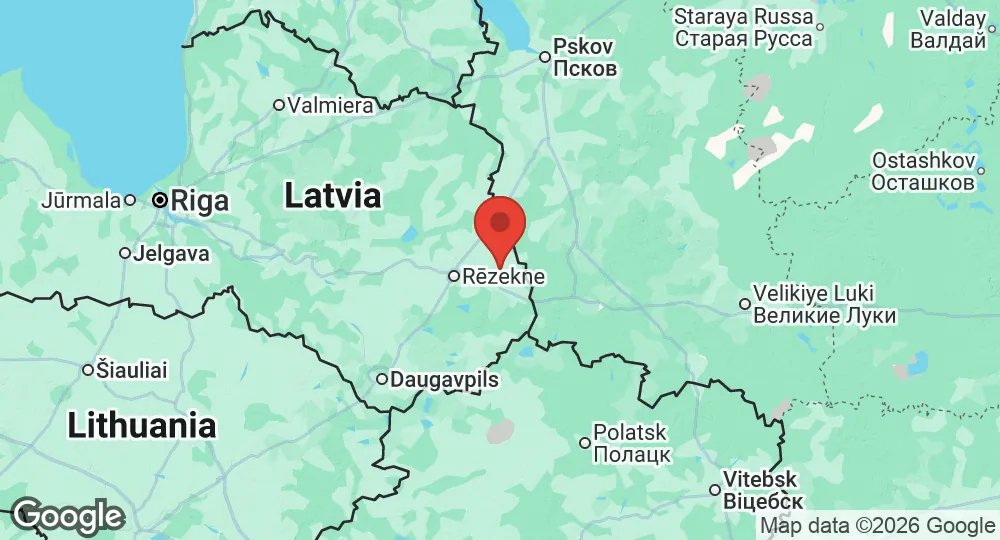
Latvia's National Armed Forces declared an airspace threat over Krāslava and Ludza municipalities at 18:57 on 1 November 2026. The armed forces said an unidentified flying object left Latvian airspace at 19:16, crossing the border with Russia, and that they had launched a BLAZE interceptor drone in response. At 19:19, near the border, they activated the interceptor's self-destruct mechanism to avoid a possible border violation, and an explosion was heard, the armed forces said. The alert ended at 19:30. Militarnyi reported it was the first use of the Latvian-made interceptor. On 3 November the armed forces said analysis of sensor and interceptor data, and consultations with Ukrainian partners, showed it was most likely a Russian Geran-type drone; whether it carried explosives could not be determined.
Moldova's defense ministry counted 19 airspace violations in October, and GlobalMilitary.net's incident log, which records only established incursions, holds 31 Moldovan entries for 2026 against Romania's 32, most of them since August.
GlobalMilitary.net's 2026 inventory snapshot shows nine NATO members — Iceland, Luxembourg, the three Baltic states, Montenegro, Albania, North Macedonia and Slovenia — hold no fixed-wing fighters, attack aircraft or bombers and depend on Allied air policing.
GlobalMilitary.net's incident log counts 45 established violations of European airspace between January 1 and August 16, 2026, against 31 for the whole of 2025 - and almost all of the growth sits in incidents that ended with a shootdown or an explosion on the ground.
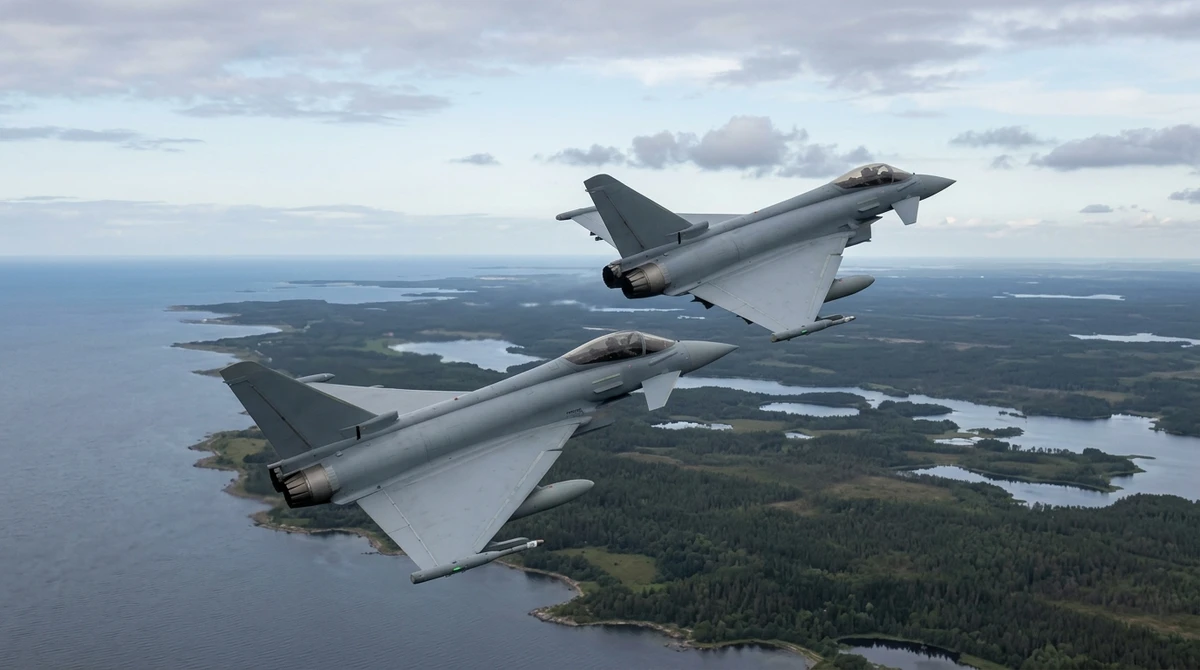
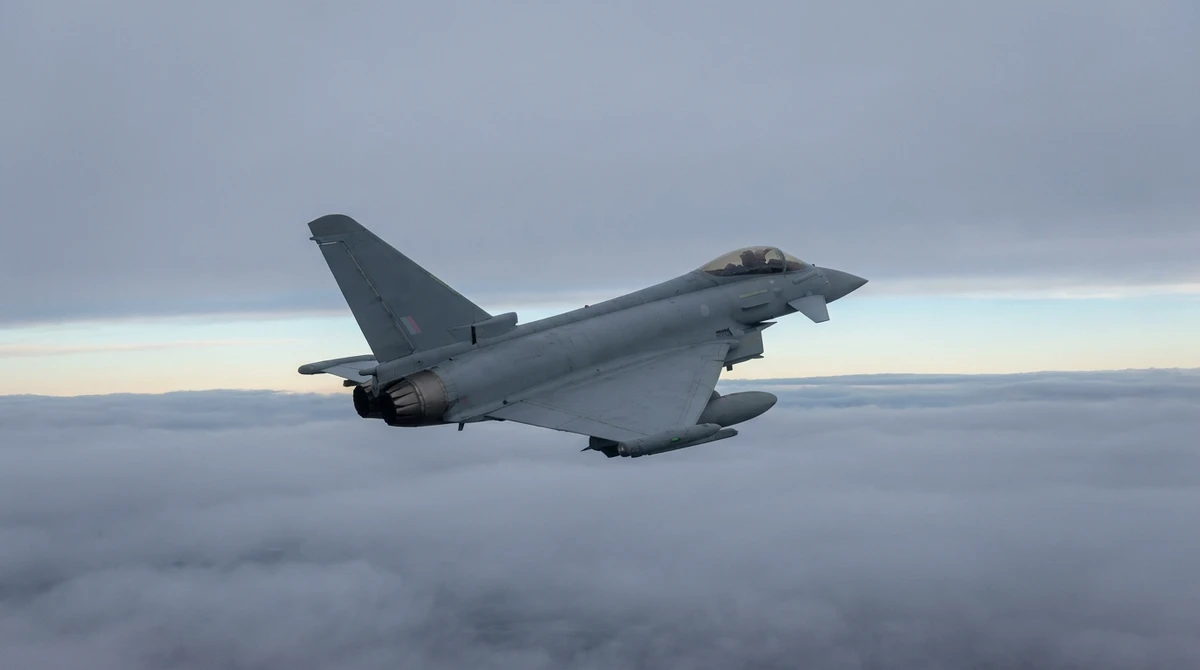
An Italian Eurofighter on NATO Baltic Air Policing duty destroyed an unidentified drone over eastern Latvia before dawn on 14 August, the second time the alliance's quick-reaction force has shot one down over the country this year.