Nine NATO Members Have No Combat Aircraft at All, GMN 2026 Inventory Data Shows
GlobalMilitary.net's 2026 inventory snapshot shows nine NATO members — Iceland, Luxembourg, the three Baltic states, Montenegro, Albania, North Macedonia and Slovenia — hold no fixed-wing fighters, attack aircraft or bombers and depend on Allied air policing.
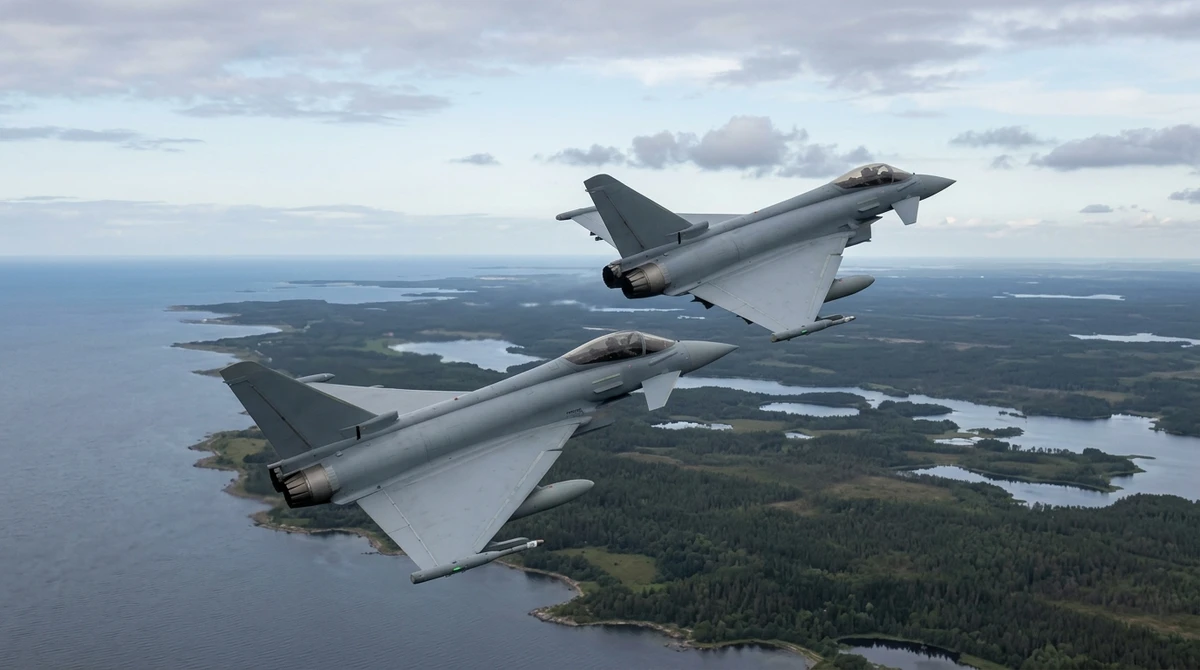
Nine of NATO's member states hold no combat aircraft at all, according to GlobalMilitary.net's 2026 inventory snapshot. Iceland, Luxembourg, Estonia, Latvia, Lithuania, Montenegro, Albania, North Macedonia and Slovenia field no fixed-wing fighters, ground-attack aircraft or bombers, and rely on other Allies to police their airspace.
Their air arms, listed among the air forces of the world ranked on GlobalMilitary.net, are built around transport and helicopter fleets:
- Iceland: no military aircraft — the country has no armed forces.
- Luxembourg: 1 aircraft, an A400M transport.
- Estonia: 5 aircraft — three R44 light helicopters and two M28 transports.
- Latvia: 7 aircraft — four An-2 biplanes and three UH-60M Black Hawks.
- Lithuania: 11 aircraft — three C-27J and two L-410 transports, three AS365 helicopters, two UH-60M and one Mi-8.
- Montenegro: 11 aircraft — six Gazelle, three Bell 412 and two Bell 505 helicopters.
- Albania: 19 aircraft, all helicopters — four BO105, four H215M, three Bell 206, three Bell 205, two H145, two UH-60A and one AW109.
- North Macedonia: 20 aircraft — six Mi-8/17, four Mi-24 and four Bell 206 helicopters, plus six Zlin trainers.
- Slovenia: 39 aircraft — nine PC-9 and ten Zlin trainers, eight Bell 412, four Bell 206 and four H215M helicopters, two PC-6, one C-27J and one L-410 transports.
NATO covers these gaps through its Air Policing mission, under which, according to NATO, Allies without fighters of their own are protected by other Allies. Baltic Air Policing has protected Estonia, Latvia and Lithuania since the three joined the Alliance in 2004. The detachments fly from Šiauliai Air Base in Lithuania. Ämari Air Base in Estonia is the mission's second base, and Lielvārde Air Base in Latvia was added in 2024. Allied fighters have deployed periodically to Keflavík in Iceland since May 2008, typically for three to four weeks, three times a year. Hungary and Italy have covered Slovenia since 2004; Greece and Italy cover Albania (since 2009), Montenegro (since 2017) and North Macedonia (since 2020); Belgian and Dutch fighters have covered Luxembourg jointly with their own airspace since 1 January 2017. NATO's combined air operations centers monitor up to 30,000 air movements across European NATO airspace each day.
Combat aviation is far from universal. GMN's 2026 snapshot covers 162 air arms; 115 of them hold at least one active aircraft in the Combat category and 47 hold none. Between them, the 115 field 17,419 combat aircraft. Outside NATO, the 47 include New Zealand, whose 47 aircraft include no combat type since the retirement of its A-4 Skyhawks, as well as Ireland (27 aircraft), Panama (40) and Senegal (40).
The next-thinnest NATO combat fleets after the nine are Croatia with 12 combat aircraft out of 67, Czechia with 14 of 114, Hungary with 14 of 86, Slovakia with 14 of 51, then Bulgaria with 27 and Portugal with 33. At the other end, the United States fields 2,948 combat aircraft, followed by Turkey (299), France (264), Germany (224) and Greece (217). GMN's ranking of combat aircraft fleets lists every air arm on this measure.
The finding comes as activity along NATO's eastern edge rises. GMN's European airspace incident log recorded 22 incidents in August 2026, its worst month on record: nine in Moldova, eight in Romania, three in Germany and one each in Latvia, Greece, Finland and Bulgaria. The log holds 59 incidents for 2026 up to 5 September, against 31 for the whole of 2025. In the Baltic states, Latvia has 8 incidents in 2026 against 1 in 2025, Estonia 4 against 3 and Lithuania 5 against 6. On 14 August, as recorded in GMN's incident log, an Italian Eurofighter on Baltic Air Policing duty shot down a drone over eastern Latvia. On 1 September, according to the log, a drone crossed Latvia at Alūksne and flew on into south-eastern Estonia.
Method note: "combat aircraft" means GMN's Combat category — fixed-wing fighters, ground-attack aircraft and bombers. Attack helicopters and armed trainers are counted in their own categories, so North Macedonia's four Mi-24 attack helicopters and Slovenia's nine PC-9 turboprop trainers do not change the count. The incident log is editorially curated from reported, verified incidents, each entry individually sourced; it is not a complete count of every incursion.
More News
All news →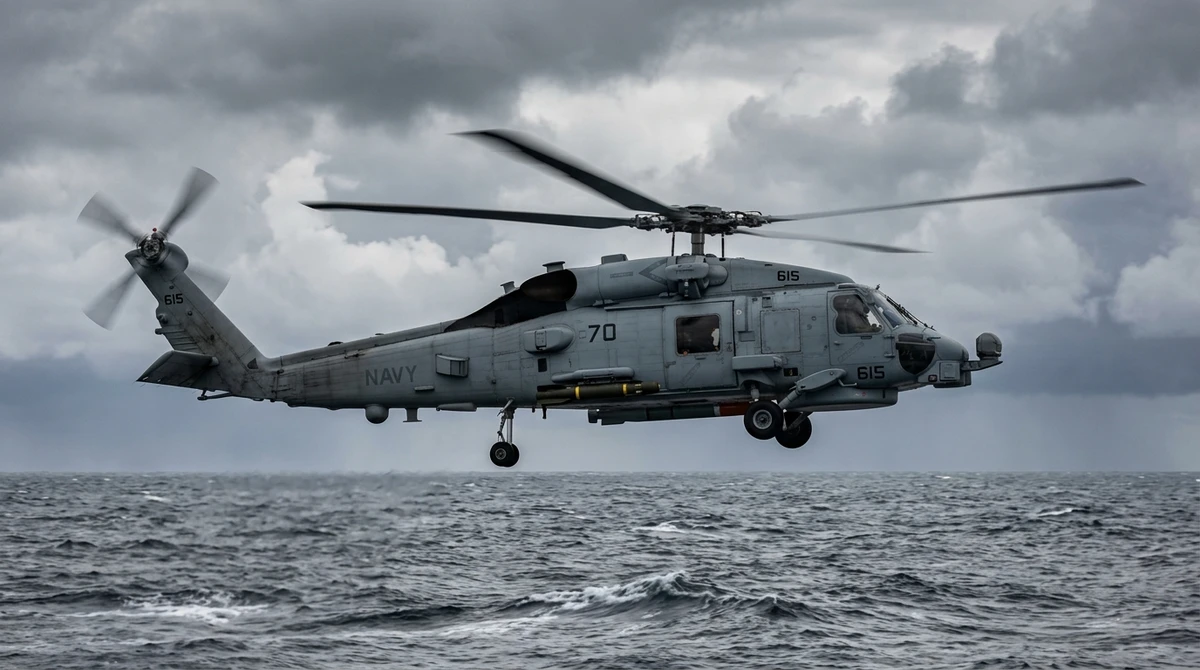
New Zealand's MH-60R Order Makes 15 Seahawk Operators; the SH-2 Seasprite Is Down to Three
New Zealand signed on 16 October to buy five MH-60R Seahawks, delivered from 2030, to replace its five SH-2G Super Seasprites, bringing the naval Seahawk family to 15 operators in GlobalMilitary.net's data while the Seasprite is left with 17 helicopters and three operators.

France Studies Keeping Charles de Gaulle Past 2038 as 24 Carriers Serve in Nine Navies
The French Navy's chief of staff told lawmakers on October 14 that studies due in early 2029 will decide whether the nuclear-powered Charles de Gaulle can sail on after its planned 2038 retirement, which would give France two carriers for the first time since the late 1990s.
Su-34 Fullback Is the Combat Jet Russia Has Lost Most Often Since 2022, With 37 Airframes in GMN's Log
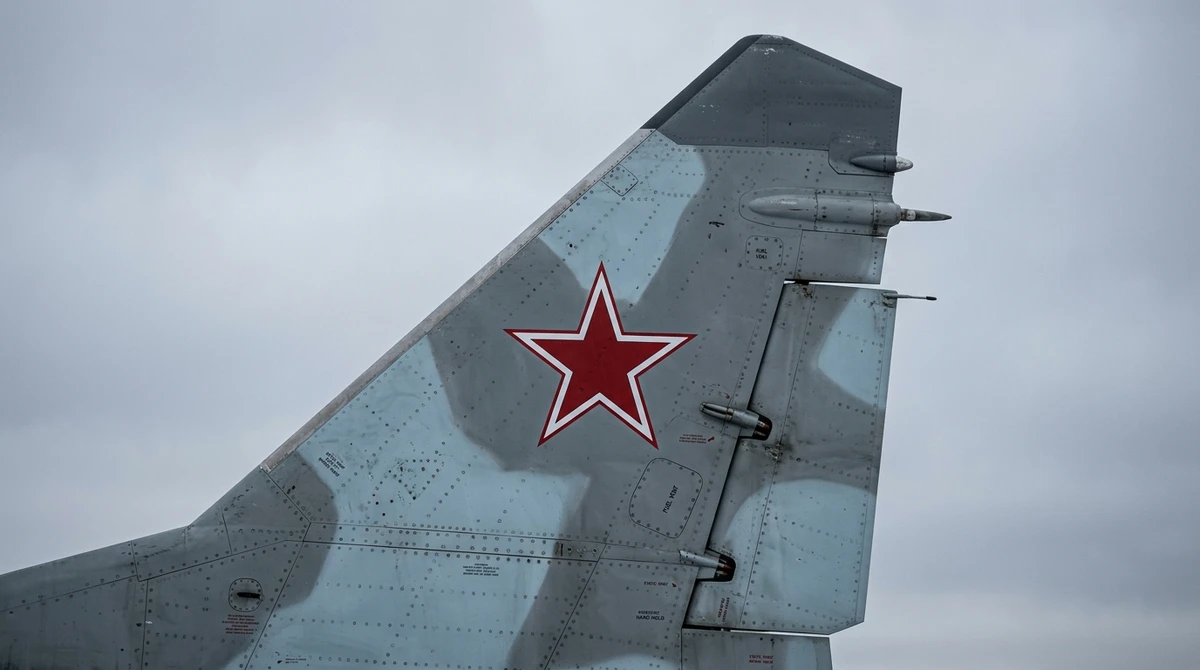
GlobalMilitary.net's log of documented losses records 37 Russian Su-34 airframes lost since February 2022, more than any other fixed-wing combat aircraft, as the destruction of a Fullback at Khanskaya Air Base on October 4 and a new delivery batch on October 7 bracket the latest week.
P-3 Orion Fleet Down to 101 Aircraft in 12 Countries, Roughly Half Its 2022 Size
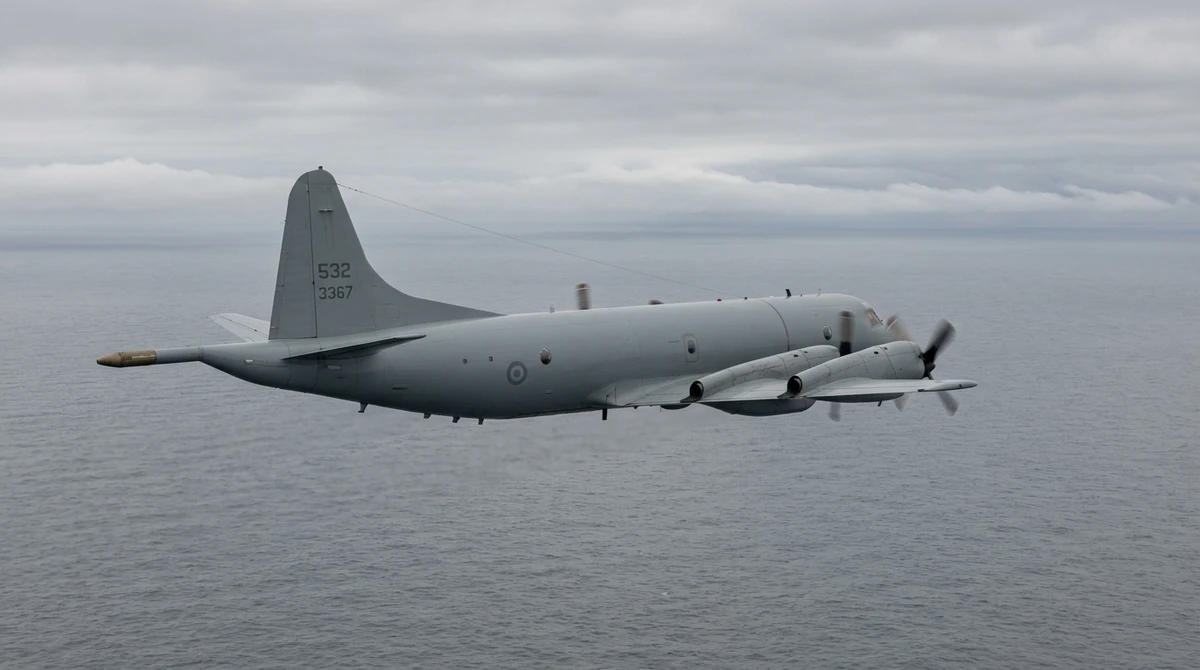
GlobalMilitary.net's inventory data counts 101 P-3 Orions in military service across 12 countries, down from 211 in 16 countries in its 2022 snapshot, as US agencies retire special-mission Orions and Japan draws down the largest remaining fleet.
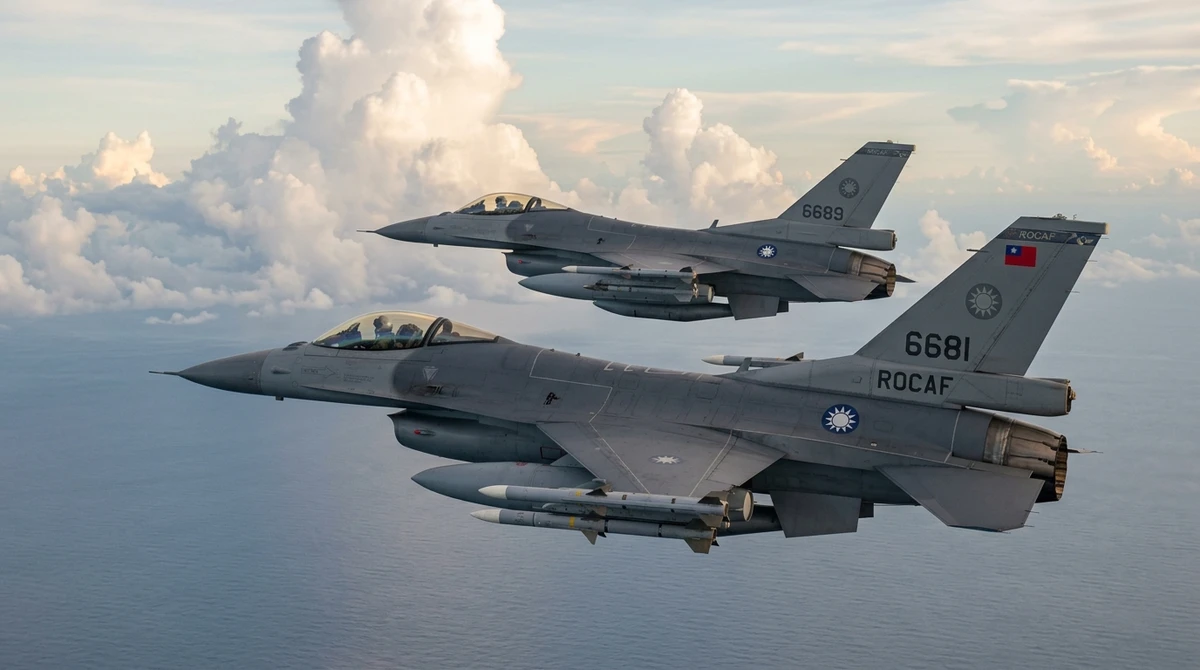
Taiwan Receives Its First Two F-16 Block 70s From the Largest F-16 Order Still Outstanding
The first two new-build F-16C Block 70 fighters landed at Chihhang Air Base on October 2, 2026, beginning deliveries on a 66-jet order that GMN's inventory data shows is the largest open F-16 order anywhere and that would lift Taiwan from seventh to fifth among F-16 operators on current figures.
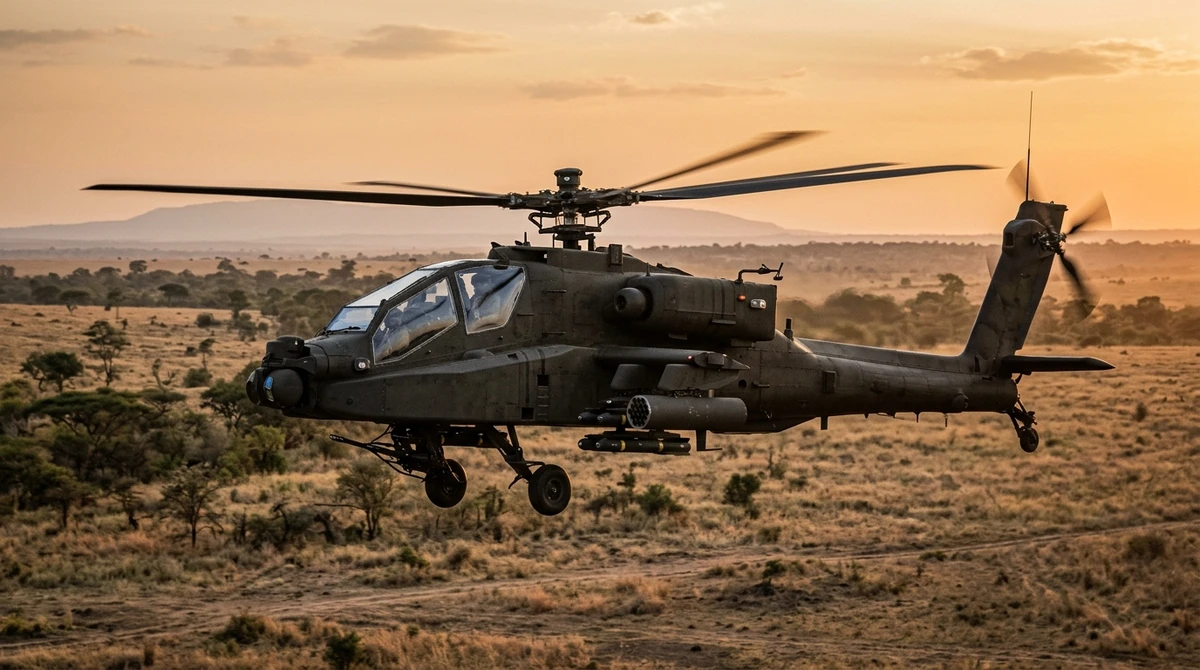
Australia Retires Its Tigers, Leaving Three Operators Among the World's 3,623 Attack Helicopters
The Australian Army has retired its Tiger attack helicopters, marking the fleet's sundown in Darwin on 30 September and leaving France, Germany and Spain as the only users; GlobalMilitary.net data counts 3,623 active attack helicopters in 81 countries.