Strategic Position
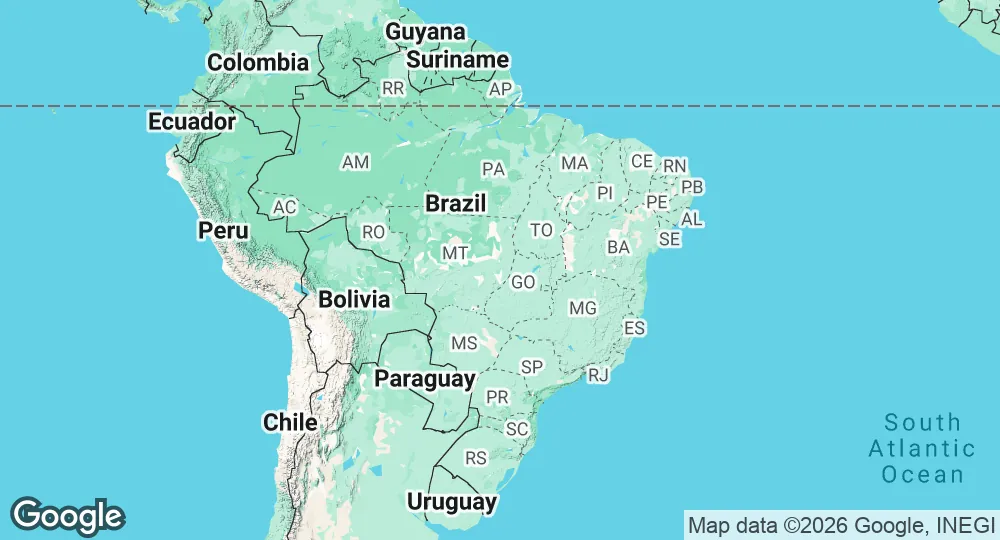
Brazil's defense doctrine focuses on territorial integrity and the protection of its natural resources, specifically the Amazon rainforest and the "Blue Amazon," a maritime economic zone covering approximately 4.5 million square kilometers. Geopolitical priorities include the maintenance of regional stability in South America and the security of the South Atlantic through the Zone of Peace and Cooperation of the South Atlantic (ZOPACAS).
The country maintains a policy of multi-alignment, balancing relationships with major global powers. Brazil is a Major Non-NATO Ally (MNNA) of the United States, a status that facilitates defense cooperation and access to surplus military equipment. Simultaneously, as a founding member of BRICS, it engages in security dialogues with non-Western powers. Regionally, Brazil emphasizes cooperation through the South American Defense Council and manages long-standing border security concerns related to transnational organized crime and regional political instability.
Military Forces
The Brazilian Armed Forces are structured into three service branches—Army, Navy, and Air Force—coordinated by the Ministry of Defense and the Joint Staff of the Armed Forces (EMCFA). Active personnel number approximately 335,000, supported by over 1.3 million reservists and nearly 400,000 paramilitary personnel, primarily from the Military Police.
Brazilian Army (Exército Brasileiro): The army maintains a large presence along the 16,880-kilometer land border. It operates a fleet of main battle tanks, primarily Leopard 1A5 and M60 models. Mechanized infantry units field the Guarani 6x6 armored personnel carrier and are incorporating the Centauro II 8x8 tank destroyer. Artillery capabilities include the ASTROS II multiple launch rocket system and M109 self-propelled howitzers. Specialized units include the Jungle Warfare Instruction Center (CIGS) and a dedicated Cyber Defense Command.
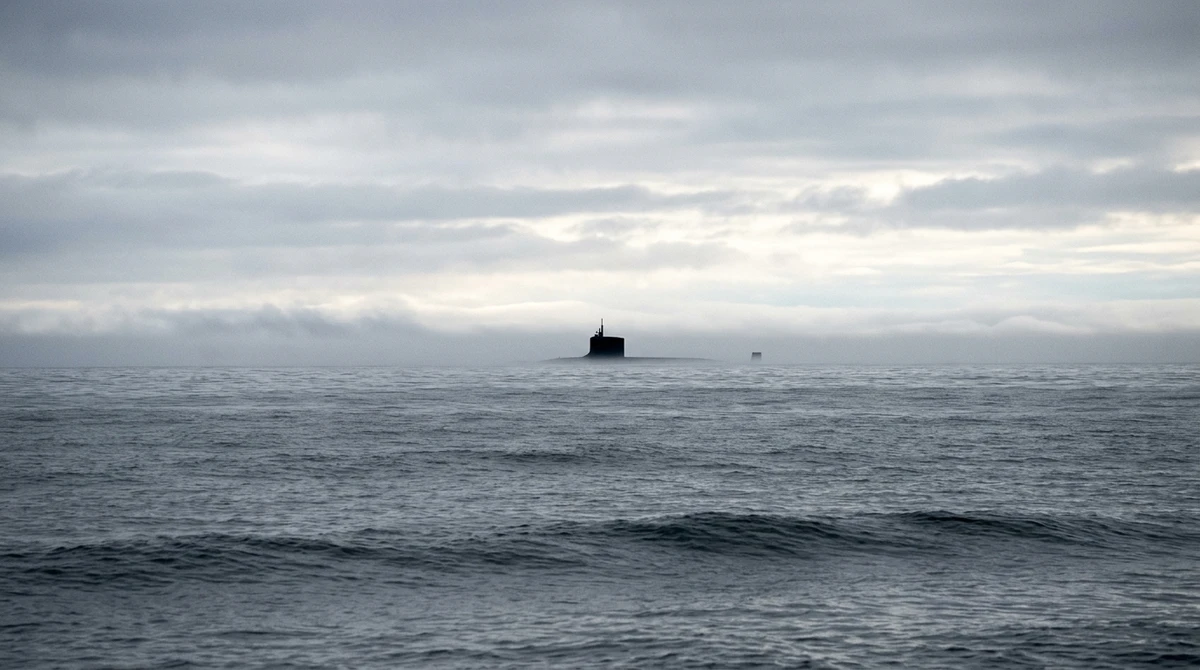
Brazilian Navy (Marinha do Brasil): The navy operates the LPH Atlântico as its flagship. The fleet includes Niteroi-class and Type 22 frigates, which are being supplemented by the new Tamandaré-class frigates currently under construction. The submarine force operates the Riachuelo-class (Scorpène-based) vessels. A core strategic priority is the PROSUB program, aimed at developing a nuclear-powered attack submarine, the Álvaro Alberto, with completion projected for the mid-2030s.
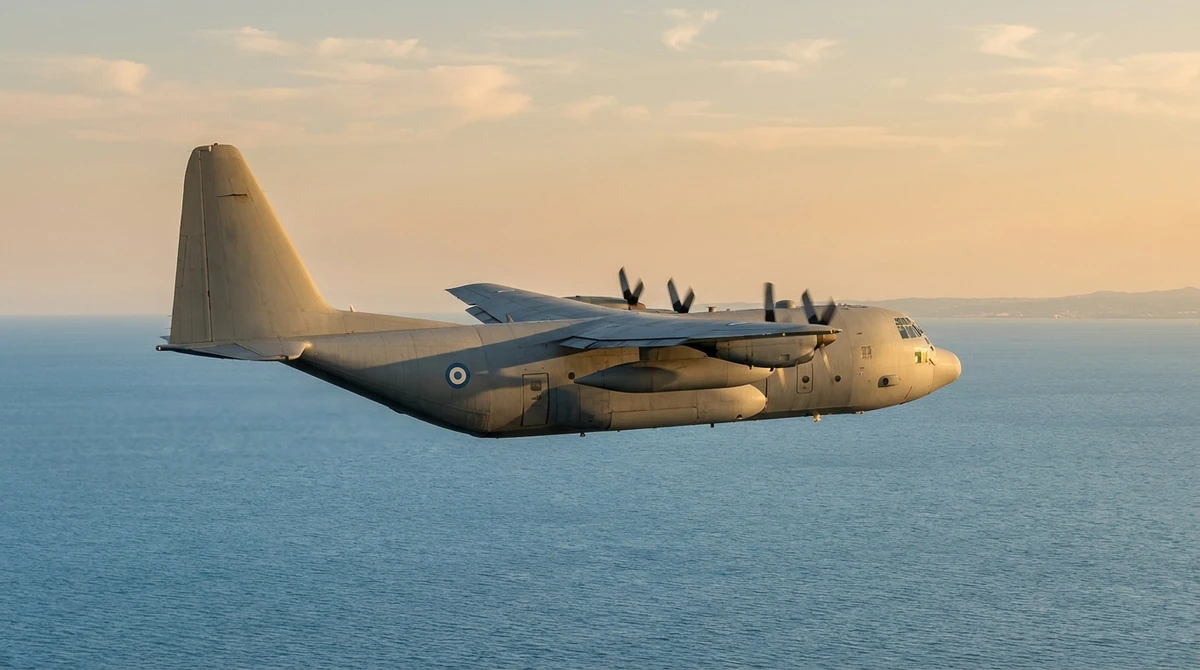
Brazilian Air Force (Força Aérea Brasileira): The air force is undergoing a modernization centered on the F-39 Gripen E/F multirole fighter, with aircraft arriving through 2025 and 2026 as part of a technology transfer agreement. It also operates the KC-390 Millennium for strategic transport and aerial refueling, alongside A-29 Super Tucano aircraft for counter-insurgency and light attack. Surveillance is managed through the Integrated Center for Air Defense and Air Traffic Control (CINDACTA) and the Amazon Surveillance System (SIVAM).
Defense Industry
The Brazilian defense industrial base is a major component of the national economy, consisting of over 230 companies. Under the "New Industry Brazil" initiative and Mission 6, the government aims for 55% domestic dominance in critical defense technologies by 2026.
-
Embraer: Produces the KC-390 and A-29 Super Tucano, and co-produces the F-39 Gripen with Saab.
-
Avibras: Manufactures the ASTROS II rocket system and is developing tactical cruise missiles.
-
IMBEL and Taurus: Supply small arms and ammunition for domestic use and international markets.
-
Itaguaí Construções Navais (ICN): A joint venture with France's Naval Group for the construction of conventional and nuclear submarines.
Brazil is a significant arms exporter, with sales of aerospace and armored systems to countries in the Middle East, Europe, and Asia.
Strategic Trends
The defense budget in 2025 is approximately 1.1% of GDP, with a proposed increase of 6% for the 2026 fiscal year to approximately $26.4 billion. A critical constraint is the high proportion of the budget—approximately 75%—allocated to personnel and pensions, limiting funds for investment and operations.
Modernization is primarily funded through the New Growth Acceleration Program (Novo PAC), which earmarks funds for strategic projects through 2026. Priorities include:
-
SISFRON: An integrated border monitoring system utilizing sensors and satellite technology.
-
SisGAAz: A maritime surveillance system for the Blue Amazon.
-
Strategic Autonomy: A shift toward domestic production and technology transfer in satellite launch vehicles and hypersonic technology.
Current force structure shifts include the transition of infantry units from motorized to mechanized status and the expansion of the air force’s fighter and transport fleets. Challenges include fiscal caps and the need to decommission nearly 40% of the naval fleet by 2028 due to obsolescence.