
United States Air Force
The United States Air Force operates 12,875 military aircraft in 2026 — 2,956 combat aircraft (fighter and attack jets), 147 bombers, 5,442 helicopters, 1,369 transport aircraft, 212 drones, 1,594 trainers. It ranks #1 of 162 air forces worldwide, with 3,412 more aircraft on order.
This country is currently involved in the "2026 Iran Conflict". Follow aircraft and naval losses in real time on our dedicated tracker.
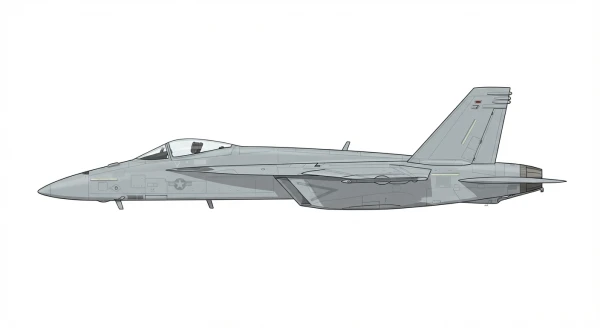
-
SEP 172026
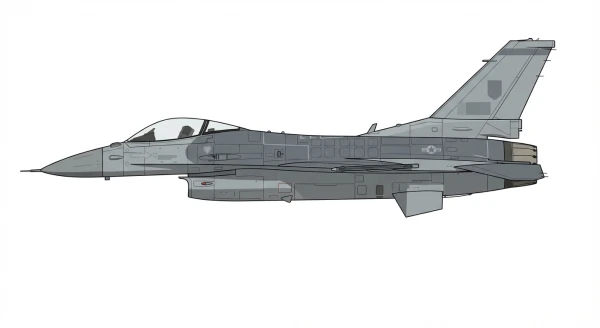 F-16C
Crash
Crashed in a field in Grand Traverse County, Michigan, during a low-level training sortie; the pilot ejected and was in stable condition.
F-16C
Crash
Crashed in a field in Grand Traverse County, Michigan, during a low-level training sortie; the pilot ejected and was in stable condition.
-
SEP 92026
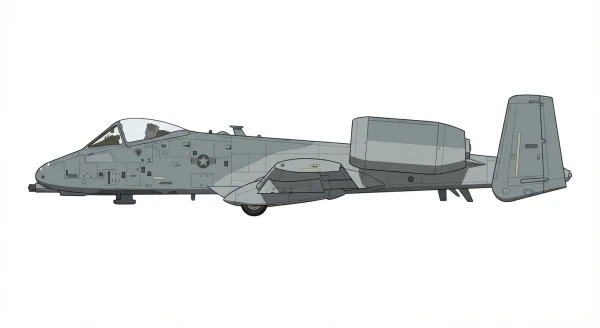 A-10C
Damaged
Left with a missing wing in the Iranian ballistic-missile barrage on Muwaffaq Salti AB, a US official told Reuters; the US President denied any damage.
A-10C
Damaged
Left with a missing wing in the Iranian ballistic-missile barrage on Muwaffaq Salti AB, a US official told Reuters; the US President denied any damage.
-
SEP 92026
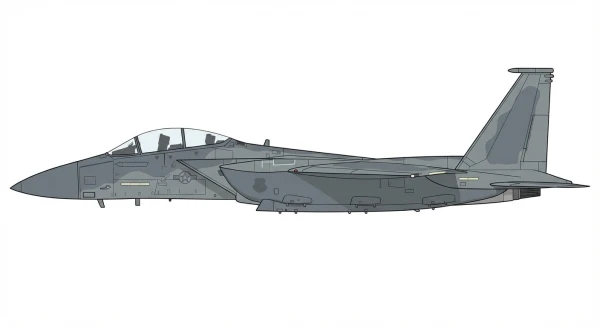 F-15C/E
Damaged
Around eight F-15E lightly damaged in the Iranian missile barrage on Muwaffaq Salti AB and returned to service, CBS News and a US official cited by Reuters reported.
F-15C/E
Damaged
Around eight F-15E lightly damaged in the Iranian missile barrage on Muwaffaq Salti AB and returned to service, CBS News and a US official cited by Reuters reported.
-
SEP 22026
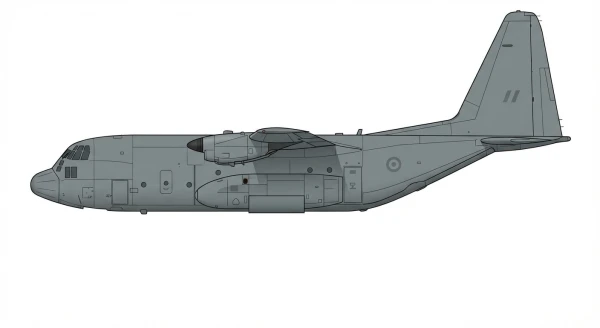
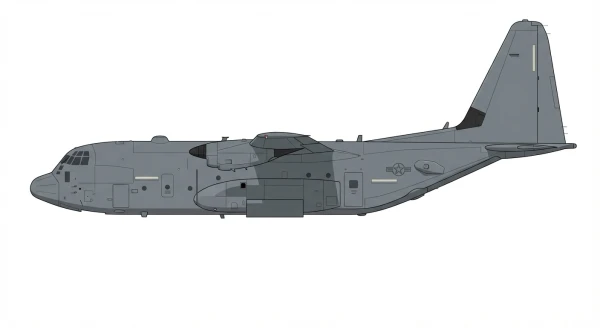
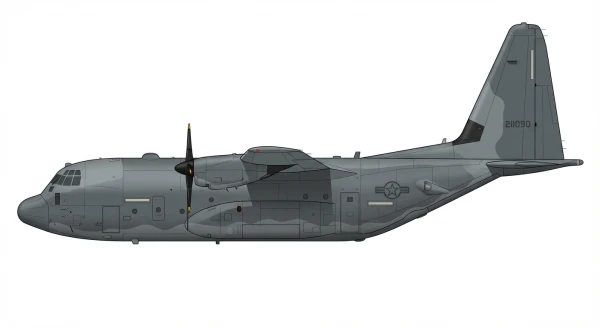 5× EC-130H
Retired
Last EC-130H Compass Call flew its final mission from Davis-Monthan AFB; USAF retires the type, transitioning to EA-37B.
5× EC-130H
Retired
Last EC-130H Compass Call flew its final mission from Davis-Monthan AFB; USAF retires the type, transitioning to EA-37B.
-
SEP 12026
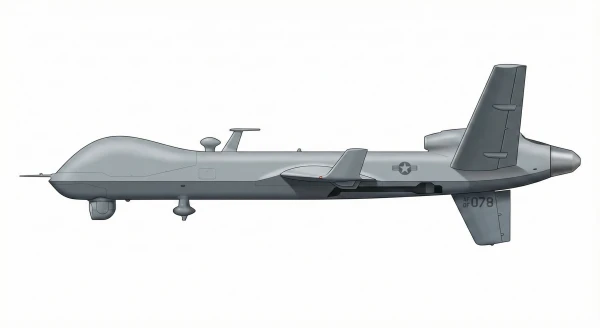 MQ-9 Reaper
Shot down
Reaper downed over Khomein minutes before a ballistic-missile salvo, Iranian media say; US has not confirmed the loss.
MQ-9 Reaper
Shot down
Reaper downed over Khomein minutes before a ballistic-missile salvo, Iranian media say; US has not confirmed the loss.
-
AUG 312026
MQ-9 Reaper
Shot down
IRGC says a Reaper was hit by missile fire over the Strait of Hormuz and fell into the Gulf; no US confirmation.
Full inventory in 2026
93 aircraft typesUnited States Air Force
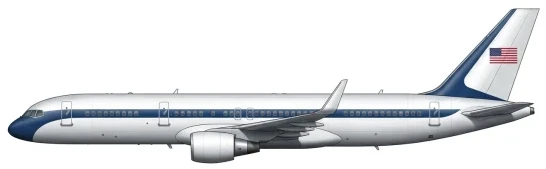
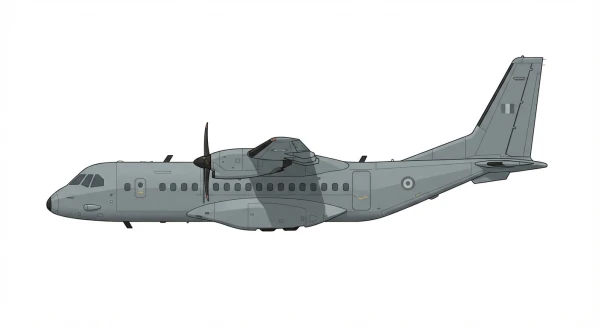
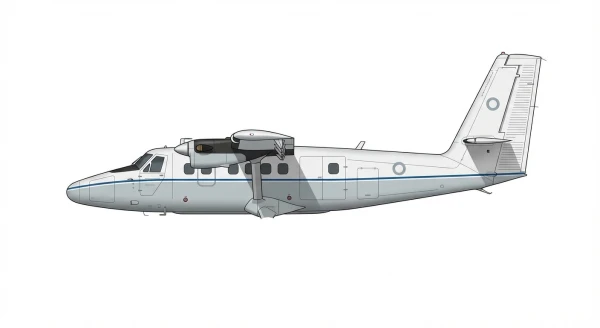
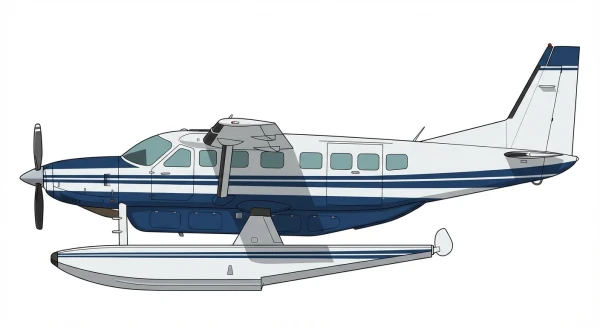

United States Army
| Aircraft | Origin | Model year | Active | Δ YoY | Ordered | |
|---|---|---|---|---|---|---|
| Helicopter | ||||||
|
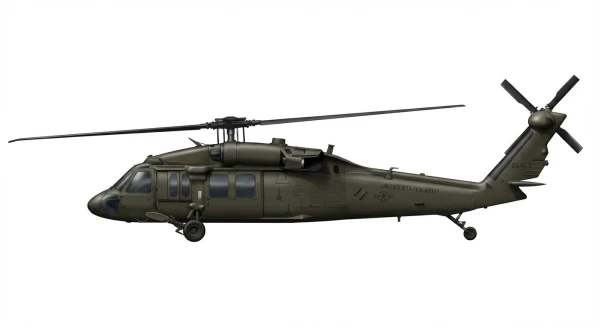
S-70/EH/HH/MH/UH-60 | 🇺🇸 United States | 1979 | 2,200 | -76 | +245 |
|
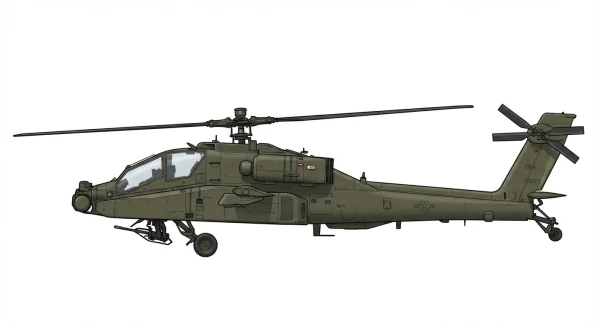
AH-64D/E | 🇺🇸 United States | 1984 | 824 | — | +15 |
|
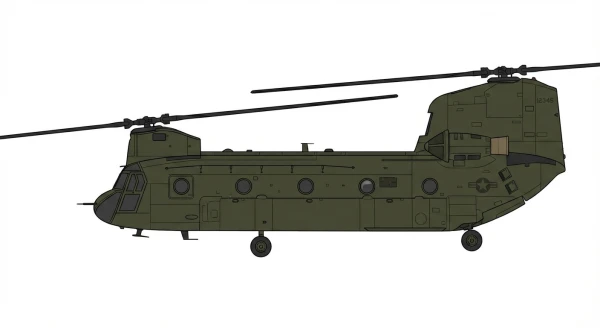
CH-47D/F/MH-47G | 🇺🇸 United States | 1962 | 516 | +16 | +57 |
|
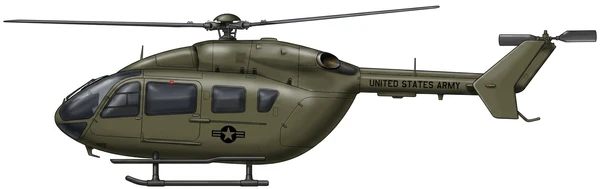
UH-72A Lakota |
🇩🇪 Germany 🇫🇷 France |
2007 | 478 | +1 | +30 |
|
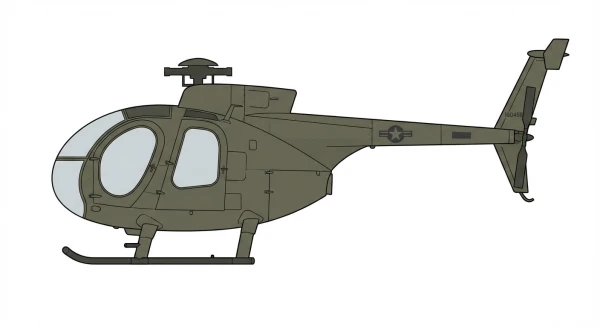
MD500 | 🇺🇸 United States | 1967 | 47 | — | +74 |
|
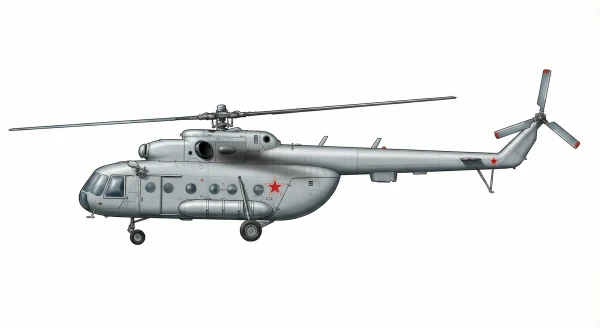
Mi-8/17 | 🇷🇺 Ex-USSR | 1967 | 10 | — | — |
|
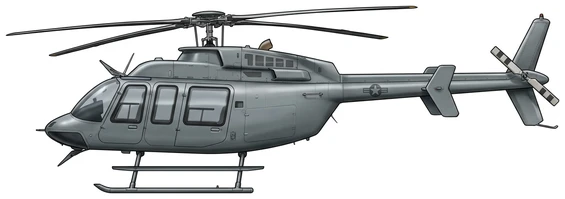
Bell 407 | 🇺🇸 United States | 1996 | 5 | — | — |
|
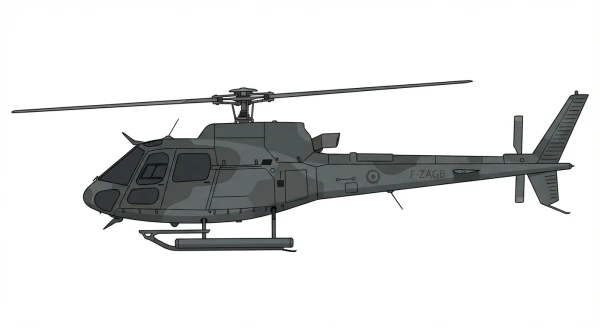
H125/AS350 | 🇫🇷 France | 1990 | 1 | — | — |
|
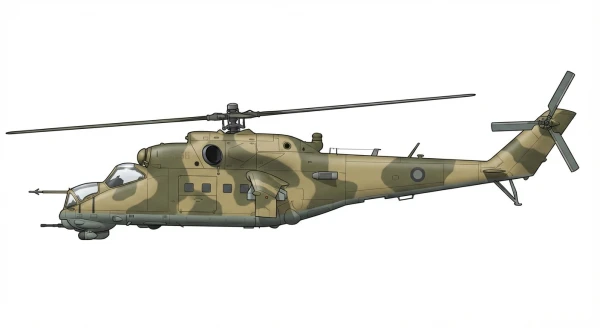
Mi-24 | 🇷🇺 Ex-USSR | 1972 | 1 | — | — |
| Transport | ||||||
|
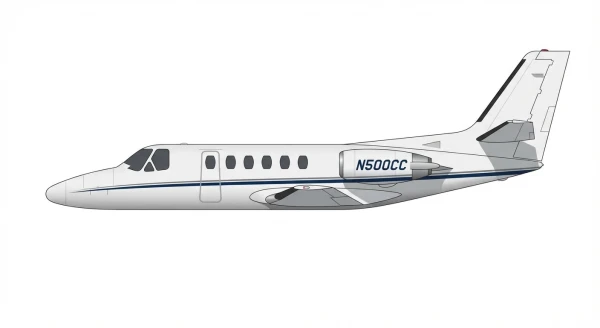
Citation Encore/Ultra | 🇺🇸 United States | 1971 | 28 | — | — |
|
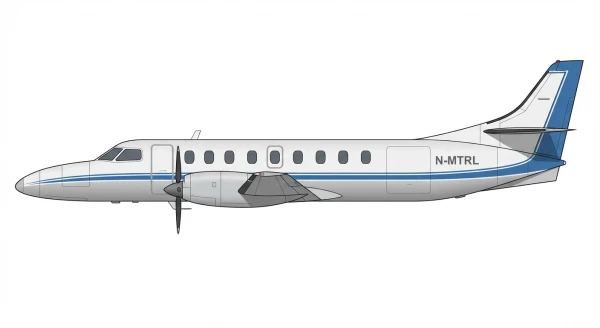
Merlin IV/Metro (C-26E) | 🇺🇸 United States | 1972 | 12 | — | — |
|
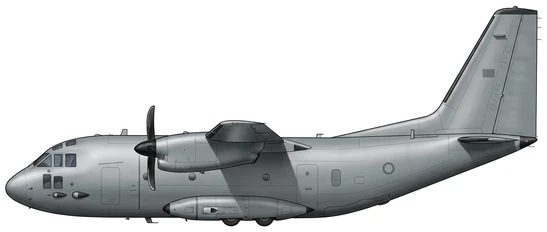
C-27J | 🇮🇹 Italy | 2006 | 7 | — | — |

|
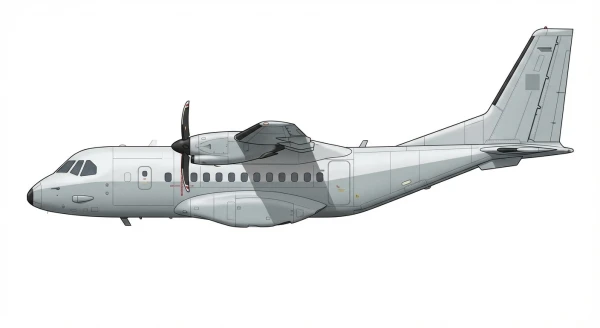
C212 (C-41A) | 🇪🇸 Spain | 1974 | 5 | — | — |

|
Beech 1900 (C-12J) | 🇺🇸 United States | 1984 | 3 | — | — |
|
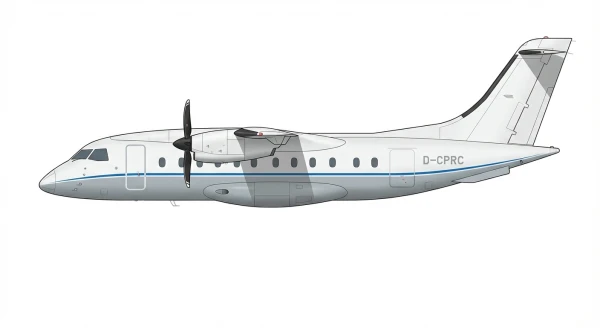
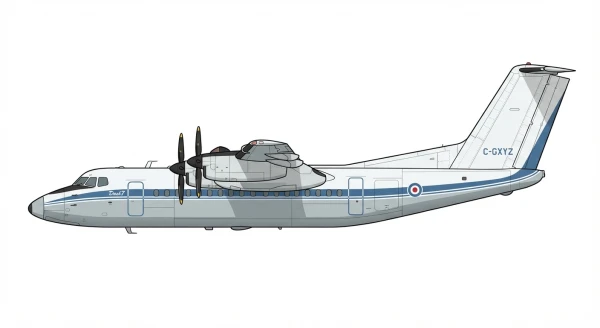
DHC-7 (EO-5C) | 🇨🇦 Canada | 1978 | 3 | — | — |

|
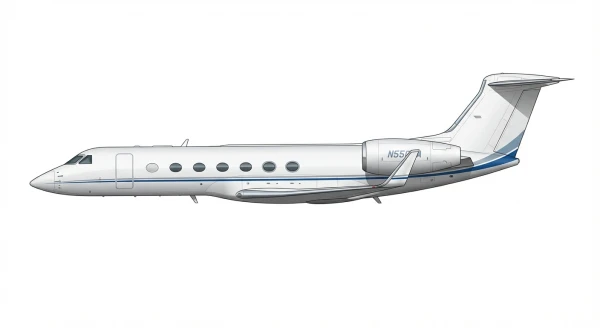
Gulfstream IV | 🇺🇸 United States | 1987 | 1 | — | — |
|
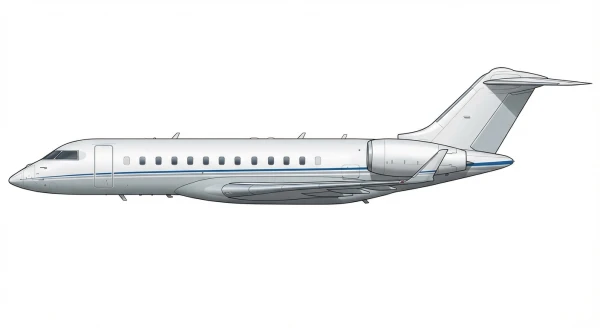
Global 6500 (HADES) | 🇨🇦 Canada | 1999 | — | — | +12 |
| Training | ||||||
|
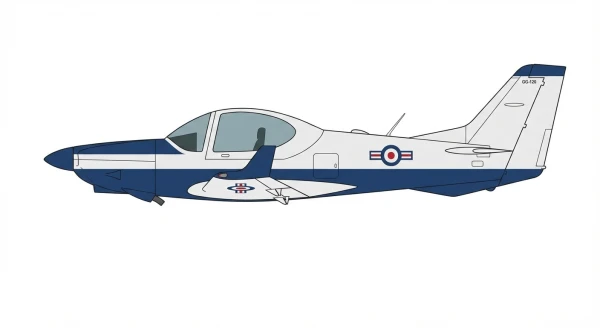
G120TP | 🇩🇪 Germany | 1999 | 6 | — | — |
|
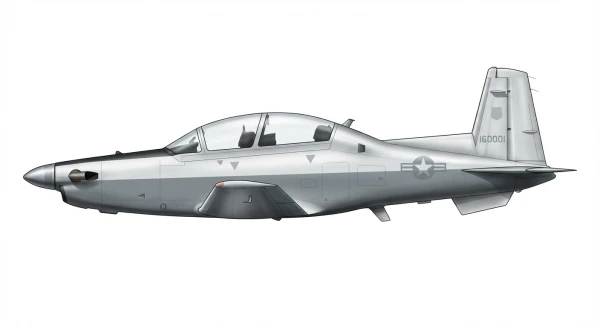
T-6D | 🇺🇸 United States | 2001 | 4 | — | — |
|
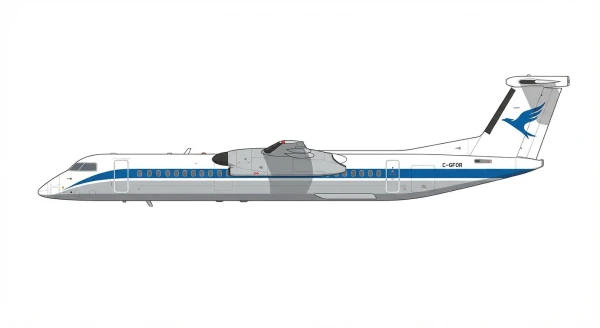
Dash 8 | 🇨🇦 Canada | 1984 | 2 | — | — |
| Other | ||||||
|
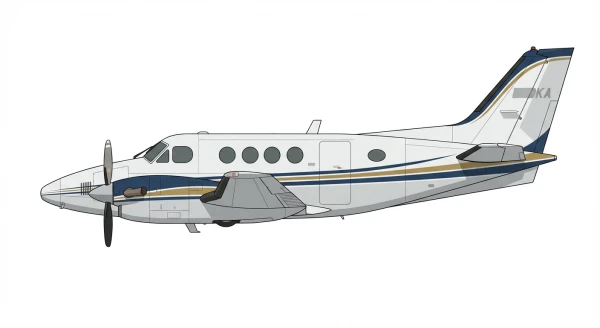
King Air 200/350 | 🇺🇸 United States | 1964 | 144 | — | — |
|
|
King Air 100/200 | 🇺🇸 United States | 1964 | 11 | — | — |
United States Marine Corps
| Aircraft | Origin | Model year | Active | Δ YoY | Ordered | |
|---|---|---|---|---|---|---|
| Combat | ||||||
|
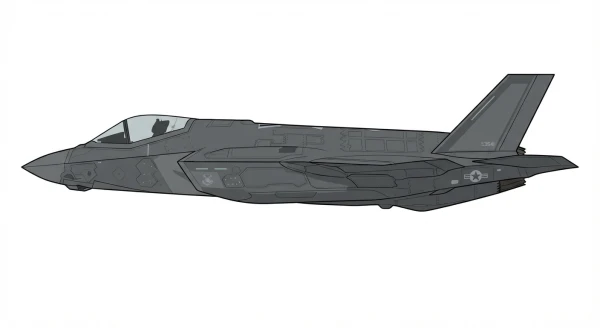
F-35B/C | 🇺🇸 United States | 2013 | 170 | +10 | +164 |
|
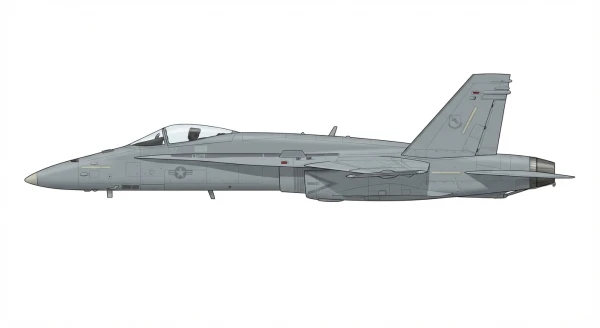
F/A-18A/C/D | 🇺🇸 United States | 1983 | 134 | -3 | — |
|
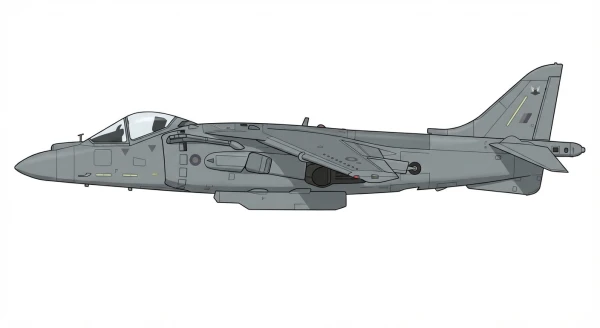
AV-8B/+ |
🇬🇧 United Kingdom 🇺🇸 United States |
1983 | 77 | -7 | — |
|
|
F/A-18B/C/D | 🇺🇸 United States | 1983 | 45 | — | — |
|
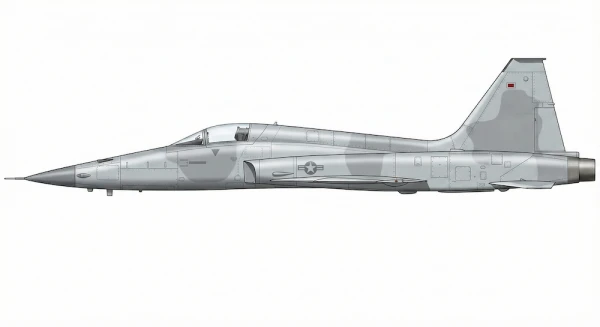
F-5F/N | 🇺🇸 United States | 1965 | 12 | — | — |
|
|
TAV-8B |
🇬🇧 United Kingdom 🇺🇸 United States |
1983 | 10 | -2 | — |
| Helicopter | ||||||
|
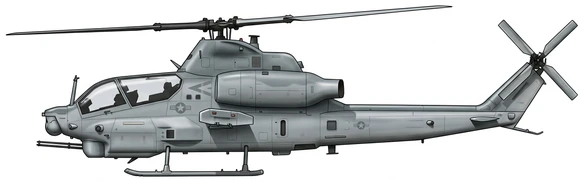
AH-1Z | 🇺🇸 United States | 2010 | 189 | +11 | — |
|
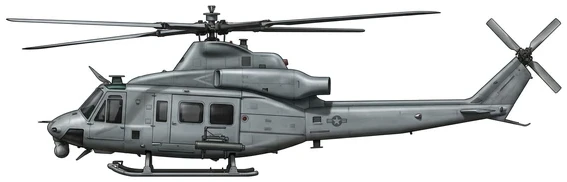
UH-1Y | 🇺🇸 United States | 2008 | 160 | +33 | — |
|
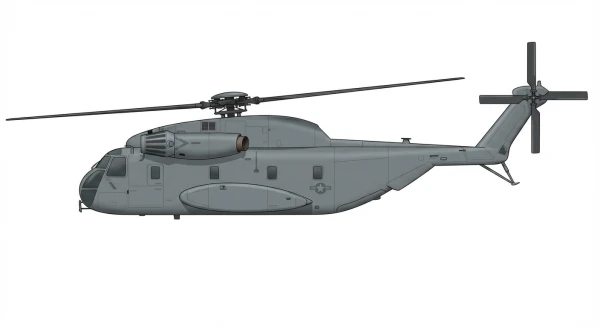
CH-53E | 🇺🇸 United States | 1966 | 133 | +2 | — |
|
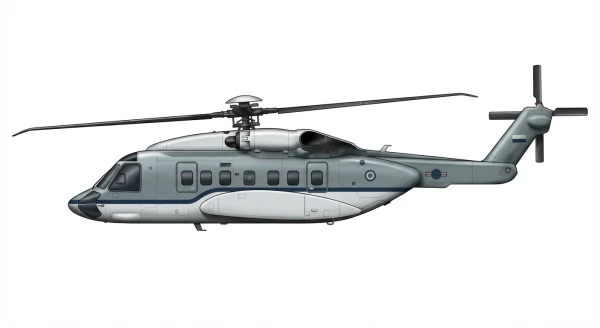
VH-92A | 🇺🇸 United States | 2004 | 23 | +23 | — |
|
|
CH-53K | 🇺🇸 United States | 1966 | 17 | — | +187 |
|
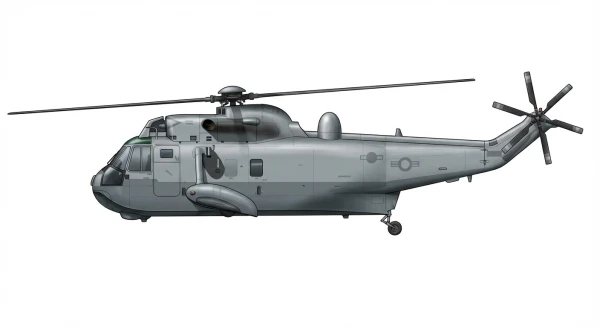
VH-3D | 🇺🇸 United States | 1961 | 11 | +11 | — |
| Transport | ||||||
|
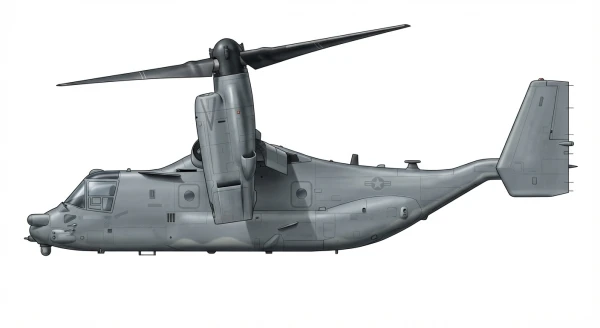
MV-22 | 🇺🇸 United States | 2006 | 288 | -22 | — |
|
|
Citation Encore/Sovereign/Ultra | 🇺🇸 United States | 1971 | 10 | — | +2 |
|
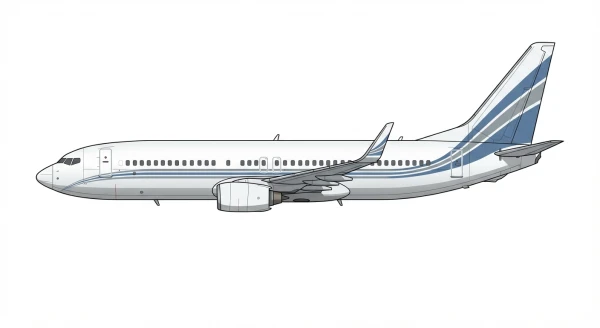
C-40A Clipper | 🇺🇸 United States | 1968 | 2 | — | — |
|
|
Gulfstream IV | 🇺🇸 United States | 1987 | 1 | — | — |
| Training | ||||||
|
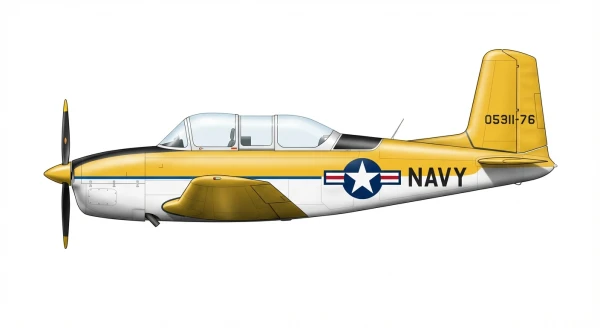
T-34 | 🇺🇸 United States | 1953 | 2 | — | — |
| UAV | ||||||
|
|
MQ-9A Reaper | 🇺🇸 United States | 2007 | 18 | +18 | — |
| Other | ||||||
|
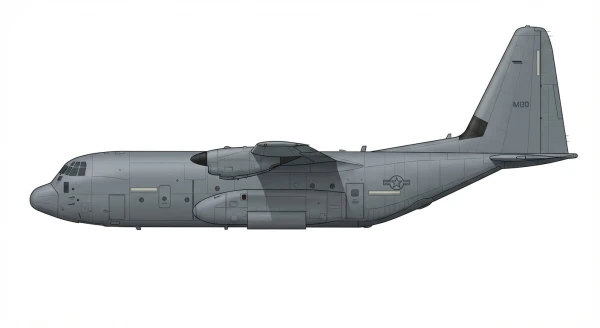
KC-130J | 🇺🇸 United States | 1962 | 69 | -5 | +1 |
|
|
King Air 200/350 | 🇺🇸 United States | 1964 | 15 | — | +2 |
United States Navy
Overview
The United States Air Force (USAF) is structured to project sovereign airpower across the globe. At the highest level, the Department of the Air Force is led by a civilian Secretary and the military Chief of Staff, who oversees the Air Staff; since 2019 the department has also housed the United States Space Force as a separate service. The force is organized into Major Commands (MAJCOMs) based on function, such as Air Combat Command and Air Mobility Command, and geographically overseas, like Pacific Air Forces and United States Air Forces in Europe. These MAJCOMs command Numbered Air Forces (NAFs), which in turn control wings, groups and squadrons, the foundational units of the service. This hierarchical structure ensures a clear chain of command for organizing, training and equipping airmen.
The strategic doctrine of the USAF has evolved to address the challenges of great power competition. A central tenet is "centralized command, decentralized execution", which allows for strategic cohesion while giving operational commanders tactical flexibility. Its five core functions are air superiority, global precision attack, rapid global mobility, global intelligence, surveillance and reconnaissance, and command and control. The most consequential recent adaptation is Agile Combat Employment, which disperses small, self-sufficient packages of aircraft across austere and rotating airfields rather than concentrating them on a handful of large bases, a direct response to the growing reach of Chinese and Russian missile forces. Strategic attack - striking an adversary's centers of gravity to achieve strategic effects without necessarily engaging their fielded forces directly - remains a key element of airpower doctrine.
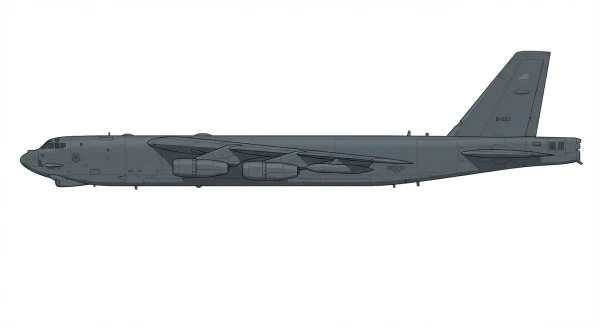
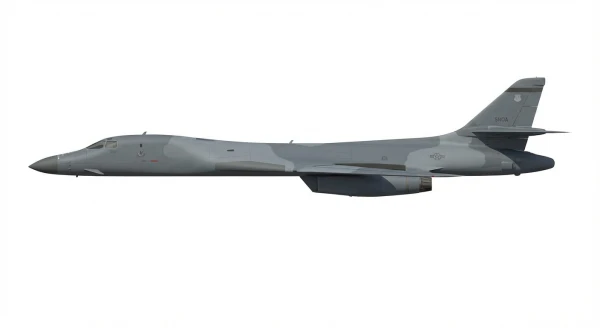
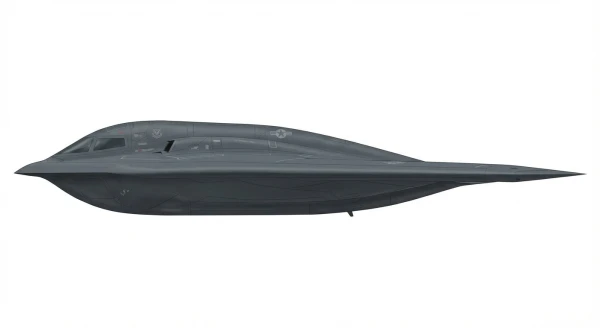
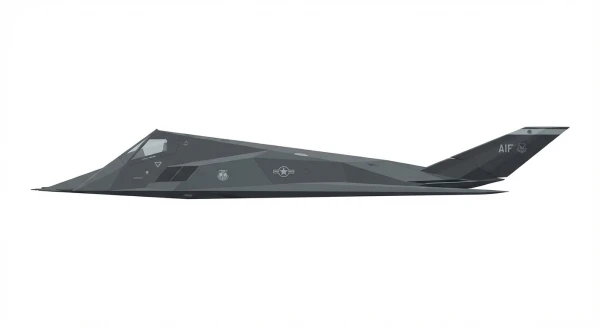
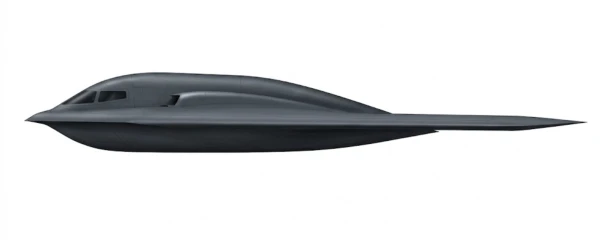
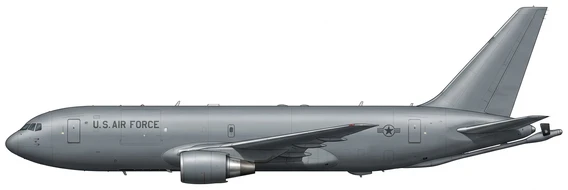
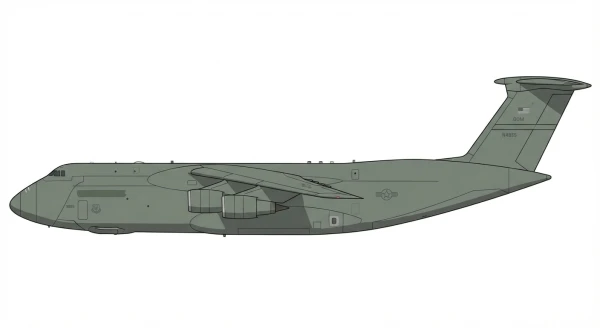
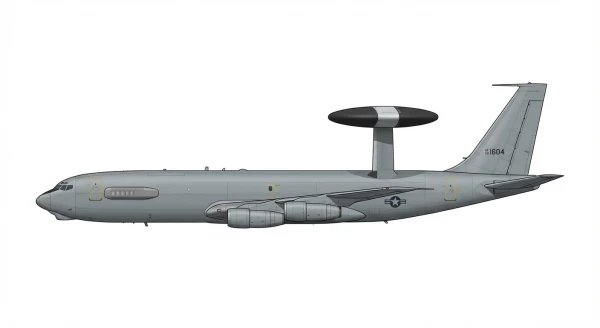
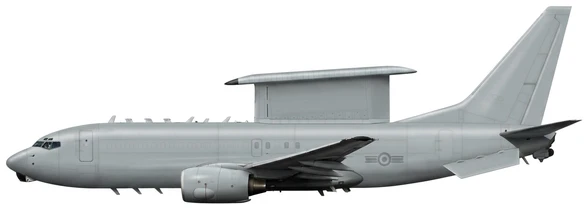
The combat fleet remains by far the largest in the world. It is built around some 760 F-16C/D Fighting Falcons, around 385 F-35A Lightning IIs out of an eventual 1,763 planned, roughly 330 F-15C/E airframes now being joined by the new-build F-15EX Eagle II, and 183 F-22 Raptors that remain the premier air superiority asset. Long-range strike rests on the B-52H, B-1B and B-2A, while the A-10C Thunderbolt II, repeatedly slated for divestment, was extended through 2030 in April 2026 after renewed employment over the Middle East. This combat power is underwritten by the only truly global tanker and airlift enterprise in existence, built on the KC-135, KC-46, C-17 and C-5, and by a dense layer of ISR, airborne early warning and electronic attack platforms.
The USAF is in a constant state of operational engagement worldwide, but 2026 has been dominated by the war with Iran. US Central Command launched Operation Epic Fury on 28 February 2026, striking more than 1,000 targets across Iran within the first 24 hours. B-2 Spirit stealth bombers, carrier-based strike aircraft and large volleys of cruise missiles were employed against hardened nuclear, air defense and ballistic missile infrastructure, in coordination with the Israeli Operation Roaring Lion. A ceasefire in the spring and a subsequent memorandum of understanding both broke down, and American strikes resumed in July 2026 against Iranian coastal and logistics targets, while Iranian ballistic missiles and drones struck US installations across the Gulf and in Jordan. Elsewhere the service sustains Bomber Task Force deployments to Europe and the Indo-Pacific, continuous ISR coverage, and the exercise and reassurance missions that underpin its NATO and Pacific alliances.
Modernization is concentrated on recapitalizing the force for a peer fight. The Next Generation Air Dominance program produced the Boeing F-47, awarded in March 2025 and now targeting a first flight in 2028, with more than USD 5 billion requested for it in the fiscal 2027 budget. It is to be paired with Collaborative Combat Aircraft, the autonomous General Atomics YFQ-42A and Anduril YFQ-44A having both flown in late 2025, intended to provide affordable mass alongside crewed fighters. The B-21 Raider is approaching service entry, the Sentinel intercontinental ballistic missile is to replace the Minuteman III in the nuclear triad despite substantial cost growth, and the Golden Dome homeland missile defense initiative has become a major new line of effort. Alongside these programs the service continues to procure F-35As and KC-46s and to migrate legacy logistics and IT systems to cloud-based platforms.
- Jul 232026 Diplomatic Germany withdraws minehunters positioned for a Hormuz clearing mission · Gulf of Aden
- Jul 122026 Strike US sea drones strike Bandar Abbas submarine base in first combat use of armed USVs · Bandar Abbas, Iran
- Feb 282026 Strike US opening strikes destroy Iran's fleet at Bandar Abbas as Hormuz transits collapse · Bandar Abbas, Iran
Frequently Asked Questions
How many aircraft does United States have?
How does United States's air force rank globally?
How many combat aircraft does United States operate?
How many military helicopters does United States have?
What is the AIRS Index score of United States?
Where does United States get its military aircraft from?
- SEP 182026 Updated Logged the loss of an F-16 in a training crash in Michigan
- SEP 122026 Updated Muwaffaq Salti damage records extended with the US official account and the presidential denial
- SEP 112026 Updated Jordan air base damage events now cite a US official confirming the damage
- SEP 102026 Updated Logged damage to an A-10C and around eight F-15E at Muwaffaq Salti Air Base
- SEP 82026 Updated Logged 15 crashes, 3 damage incidents, 2 deliveries, 5 orders and 1 retirement from 2023
- SEP 82026 Updated Logged 7 crashes, 3 damage incidents, 3 deliveries, 2 orders and 1 transfer from 2024; Red Sea F/A-18F loss consolidated
- SEP 52026 Updated Logged the delivery of F-15EX airframes 17 to 21 between January and August 2026