Senate Energy Bill Funds a New B94 Nuclear Bomb at $77.1 Million, Cuts SLCM-N Warhead by 59%
The Senate Appropriations Committee's fiscal 2027 Energy and Water Development bill, released on November 12, 2026, opens a B94 line at $77.108 million and reduces the W80-5 warhead for the nuclear sea-launched cruise missile from $186.0 million to $76.9 million.

The Senate Appropriations Committee's fiscal 2027 Energy and Water Development bill funds a new nuclear bomb line, the B94, at $77.108 million and cuts the W80-5 warhead for the nuclear sea-launched cruise missile (SLCM-N) from $186.0 million to $76.9 million, a 59% reduction, according to the explanatory statement the committee released on November 12, 2026.
The B94 appears in the statement only as a line in the Stockpile Modernization table of the National Nuclear Security Administration's Weapons Activities account, with no entry in the 2026 appropriations column. The statement carries no narrative text on the program, and neither document describes the weapon, its delivery platform or its schedule. What the B94 is cannot be established from the committee's documents.
The same table moves money toward the two ballistic missile warheads. The W93, a new submarine-launched warhead for the Trident II D5, rises by $299.3 million to $1.106 billion. The W87-1, the warhead for the LGM-35A Sentinel intercontinental ballistic missile, rises by $264.1 million to $913.2 million. The W80-4, built for the Long Range Standoff cruise missile that replaces the AGM-86B ALCM, falls by $210.7 million to $1.048 billion.
Among gravity bombs, the B61 Life Extension Program, funded at $16.0 million in 2026, receives nothing, and the B61-13 variant slips from $49.4 million to $46.4 million. A second new line, Future Programs, is funded at $122.892 million. The Stockpile Modernization subtotal rises by $424.7 million, from $2.966 billion to $3.391 billion.
The committee's bill summary presents these figures differently. It lists "$6.7 billion for Stockpile Management, with $200 million for Future Programs and $77 million for the Sea Launched Cruise Missile-Nuclear (SLCM-N) variant." Read against the table, the $200 million is the sum of the B94 line and the Future Programs line, while the $77 million is the W80-5 warhead at $76.9 million, not the B94. The two programs carry near-identical amounts, but they are separate lines, and the summary does not name the B94.
The summary also sets out $3.9 billion for plutonium pit production, including $1.9 billion for the Savannah River facility, and $575 million for the Uranium Production Facility, within $23.3 billion for Weapons Activities and $28.8 billion for the National Nuclear Security Administration. In the table, the Savannah River Plutonium Processing Facility rises from $1.130 billion to $1.947 billion. "The Committee strongly supports the Department's efforts to restore domestic production capabilities to meet the statutory requirement of producing 80 war reserve pits per year," the explanatory statement says.
The War Zone reported on November 16 that B94 is the first new US nuclear weapon designation since the W93. Breaking Defense reported on November 17 that Jeffrey Lewis of the Middlebury Institute said the B94 is "likely" the air-delivered weapon known as NDS-A and "appears to be a replacement" for the B83-1, and that James Acton of the Carnegie Endowment called it "clearly a new capability." Those readings are the two experts' own; the committee's documents neither confirm nor contradict them. The table keeps a separate B83 stockpile systems line at $20.686 million, against $22.440 million in 2026.
The United States holds an estimated 5,042 nuclear warheads in its total inventory, an estimate that includes retired warheads, of which an estimated 3,700 formed the military stockpile in 2026. Russia's total inventory is estimated at 5,420. The energy bill is separate from the Senate defense appropriations bill released by the same committee.
The bill must still pass the full Senate and be reconciled with the House version before fiscal 2027 funding is final.
More News
All news →
UK Has Paid General Dynamics £1.76 Billion for Ajax Since 2023 as Minister Approves Training Restart
The UK Ministry of Defence told Parliament on November 16, 2026 that it has paid General Dynamics Land Systems UK £1,756 million for the Ajax program since 2023, a day before the minister responsible confirmed he had approved the restart of Army training on the vehicle.

Senate FY2027 Defense Bill Adds F-35s and a Second Destroyer, Cuts F-15EX Buy From 24 to 18
The Senate Appropriations Committee's fiscal 2027 defense bill, released on November 16, 2026, funds more F-35s, C-130Js and a second DDG-51 than requested, and fewer F-15EX, P-8A, KC-130J and E-2D aircraft, its explanatory statement shows.
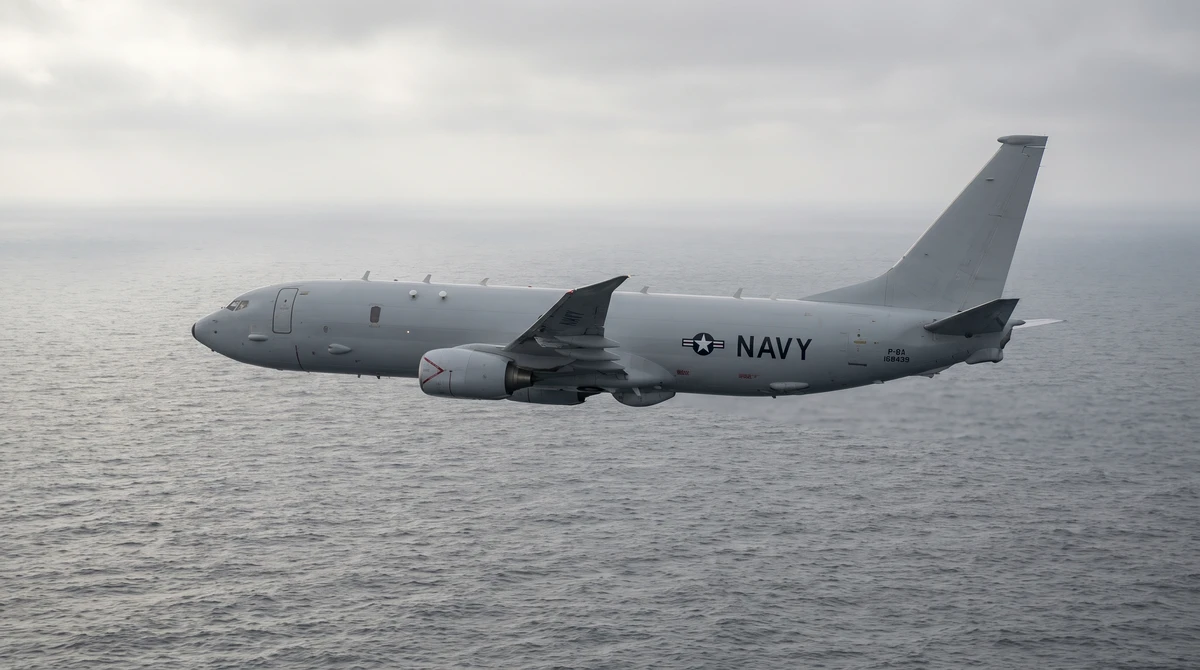
Senate Appropriators Fund 4 of 12 P-8A Poseidons as Worldwide Fleet Stands at 171 Aircraft
The Senate Appropriations Committee's fiscal 2027 defense bill, released November 16, 2026, funds four of the 12 P-8A Poseidons the US Navy requested, a cut to an aircraft GlobalMilitary.net's inventory data counts at 171 in service in eight countries.
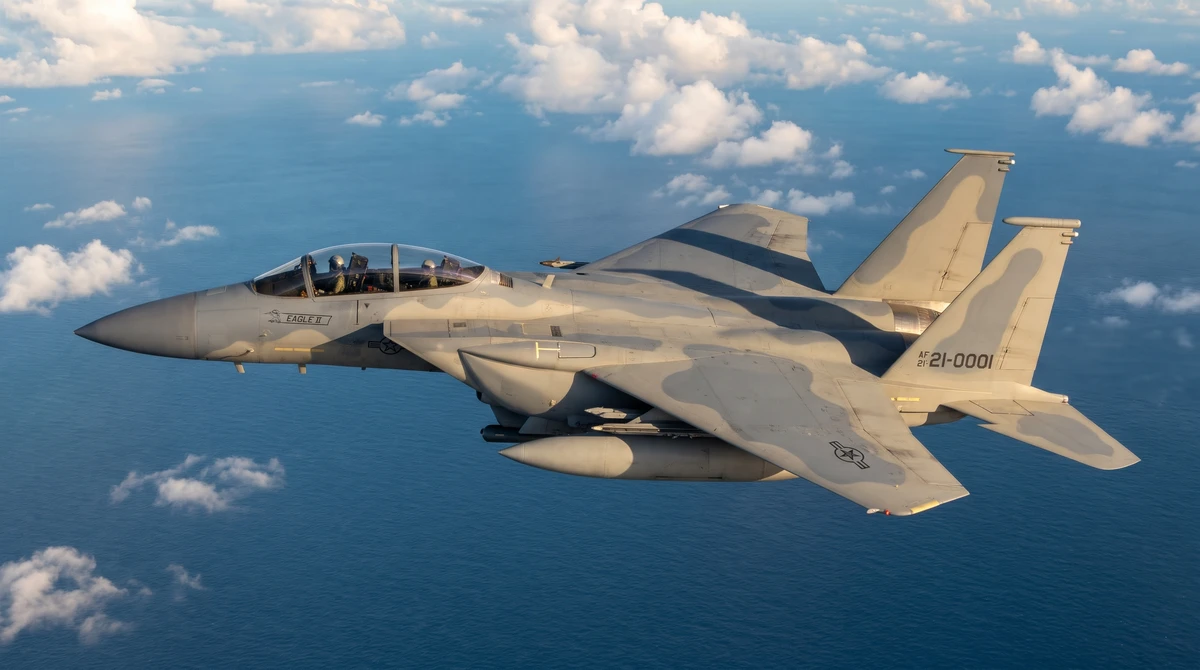
First Permanently Assigned US Air Force F-15EX Eagle II Arrives at Kadena Air Base, Okinawa
The first U.S. Air Force F-15EX Eagle II permanently assigned to Kadena Air Base, Okinawa, arrived on Nov. 15, 2026, the 18th Wing said, making Kadena the first overseas Air Force installation to receive combat-coded examples of the fighter.

Former USS Enterprise, First Nuclear Aircraft Carrier, Arrives in Mobile for Dismantling
The former USS Enterprise (CVN-65), the world's first nuclear-powered aircraft carrier, was escorted by tugboats into Mobile Harbor, Alabama, on November 13, 2026, to be dismantled, the US Army Corps of Engineers said.
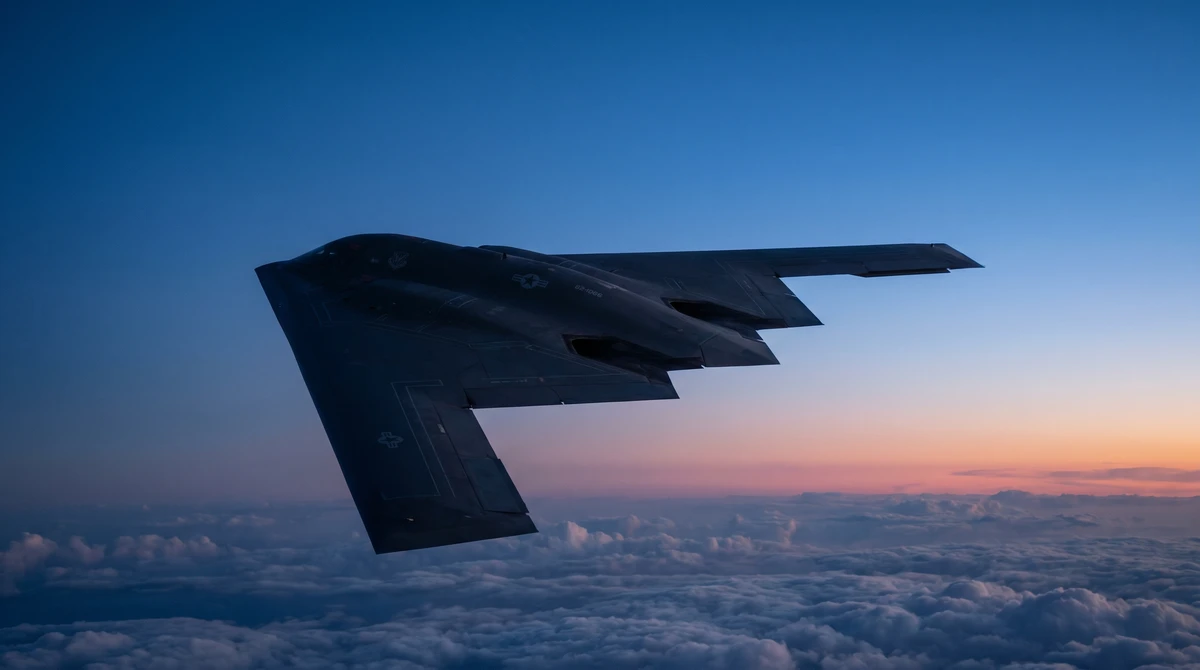
B-21 Raider Completes Conventional Weapons Release Test, US Air Force Says
The US Air Force said on November 13 that a B-21 Raider flying out of Edwards Air Force Base released a conventional weapon in a test, without identifying the weapon or giving the date.