Nuclear weapons of the United States
An estimated 5,042 warheads, 1,770 of them deployed, delivered by air, sea, land forces.
Overview
The United States detonated the first nuclear weapon at Alamogordo in July 1945 and remains the only state to have used nuclear weapons in war, against Hiroshima and Nagasaki the following month. Its inventory of roughly 5,040 warheads comprises a military stockpile of about 3,700, with some 1,340 retired warheads awaiting dismantlement. Around 1,770 warheads are deployed: about 1,670 on strategic delivery systems, plus an estimated 100 B61 gravity bombs forward-based in Europe under NATO nuclear sharing.
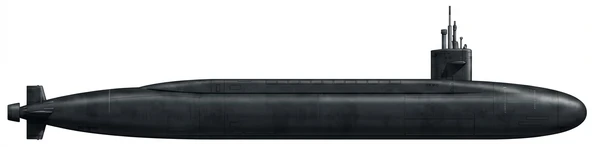
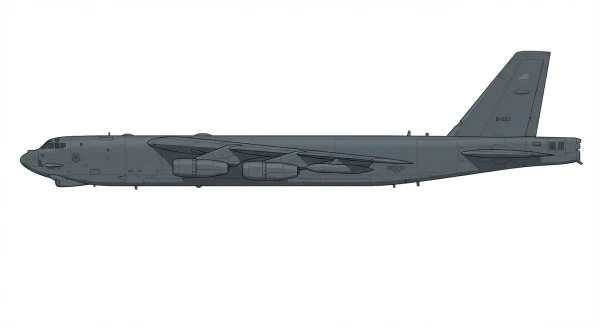
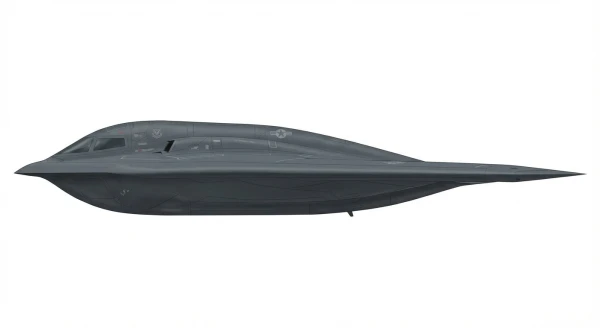
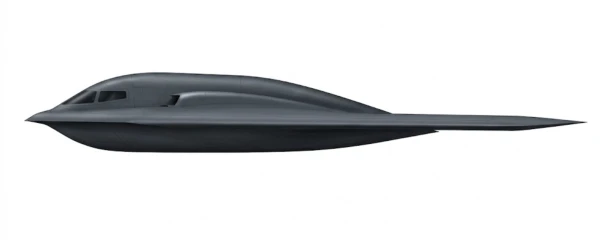
The force is a full triad. Some 400 Minuteman III missiles sit in silos across five states; 14 Ohio-class submarines carry Trident II D5 missiles and the majority of deployed warheads; B-52H and B-2A bombers deliver cruise missiles and gravity bombs. Every leg is being replaced at once — the Sentinel ICBM, Columbia-class submarines, the B-21 Raider bomber, the LRSO cruise missile and the B61-12 bomb — in the largest modernization program since the Cold War.
Washington extends nuclear guarantees to NATO and to allies in Asia. It observed New START limits until the treaty expired in February 2026; with no successor in force, US strategic forces are treaty-unconstrained for the first time in five decades, though the administration has said it seeks a modernized follow-on agreement.
The rebuild is straining: the Sentinel ICBM program has slipped years behind schedule and far past its budget baseline, forcing a restructuring, while the B61-13 — a higher-yield bomb variant announced in 2023 — moved into production planning. Since New START lapsed, Washington has kept deployed numbers near the old ceiling but openly studies uploading stored warheads onto existing missiles, and the Golden Dome homeland missile-defense initiative launched in 2025 adds a new variable to strategic stability. Allied confidence has become an issue of its own: doubts about the durability of US guarantees pushed the UK toward a NATO air role and revived the European deterrence debate.
Delivery systems
| Non-Proliferation Treaty | Nuclear-weapon state |
| Test-Ban Treaty (CTBT) | Signed, not ratified |
| Prohibition Treaty (TPNW) | Not party |
Frequently Asked Questions
How many nuclear weapons does the United States have?
United States is estimated to hold 5,042 nuclear warheads in its total inventory, with about 1,770 of them deployed on operational forces. The figure is an estimate from the Federation of American Scientists — no current official count exists.
When did the United States first test a nuclear weapon?
United States conducted its first nuclear test in 1945.
What delivery systems does the United States use?
The arsenal is delivered by air, sea, land vectors, including LGM-30 Minuteman III, Trident 2D5, Ohio, Columbia. Each system is documented in the equipment database linked on this page.
Is the arsenal of the United States growing?
See the stockpile history chart on this page: it tracks the estimated warhead count year by year since the first weapons were fielded, based on the FAS series published through Our World in Data.
- AUG 112026 Updated Historical warhead stockpile series updated (82 yearly values)
- MAR 152026 Updated Warhead inventory and nuclear overview updated
- FEB 272026 Updated Warhead inventory updated
- JAN 202026 Updated Nuclear overview updated