UK Has Paid General Dynamics £1.76 Billion for Ajax Since 2023 as Minister Approves Training Restart
The UK Ministry of Defence told Parliament on November 16, 2026 that it has paid General Dynamics Land Systems UK £1,756 million for the Ajax program since 2023, a day before the minister responsible confirmed he had approved the restart of Army training on the vehicle.

The UK Ministry of Defence has paid General Dynamics Land Systems UK £1,756 million, about £1.76 billion, for the Ajax armored vehicle program since the start of 2023, according to a parliamentary written answer published on November 16, 2026. A day later, on November 17, the Minister for Defence Readiness and Industry told Parliament in a second written answer that he had approved the restart of Army training on the vehicle.
The first answer, UIN 40245, sets out the payments year by year. The department said it paid the company "£905 million in 2023", "£261 million in 2024", "£330 million in 2025" and "£260 million in 2026 (up to 3 November 2026)" for what it calls the Armoured Cavalry (Ajax) programme. The answer states that the amounts were paid "in line with contractual obligations". It gives no breakdown of what each payment covered.
The second answer, UIN 40986, updates the position the minister set out in a written statement on July 14, 2026. "Since that statement, I can confirm that I approved for training to restart," the minister said. The answer does not give the date of the approval or say how many crews or vehicles are involved. He added that vehicle assembly is continuing at the General Dynamics Land Systems UK facility in Merthyr Tydfil, Wales, and that the program is "progressing through a deliberate, evidence-led phased return to activity, supported by ongoing trials and assurance work".
The July statement, HCWS237, said the update followed "issues raised on Exercise Titan Storm in November 2025". It reported that the Army Safety Investigation Team "found that there was no single causal mechanism but rather a combination of multiple factors". According to the same statement, the Ajax Independent Expert Panel, made up of 51 independent subject matter experts from defense, science, medicine and industry, "agreed with the ASIT report that the platform is safe when operated and maintained within the correct parameters but noted that further action is required to improve the user experience". The statement said the panel's report made 41 recommendations, grouped under technical and maintenance matters, training considerations, environment, motion sickness and psychological factors, and vibration and noise.
Acceptance of vehicles from the manufacturer resumed in April, and the July statement put the number accepted since then at 16. "Trials have now restarted and Army training is planned to commence shortly," the minister said at the time. The answer of November 17 reports that the approval has since been given.
GMN's inventory record for the British Army, dated January 1, 2026, lists 185 Ajax vehicles as active and 404 on order, together 589 vehicles, the full order. That record counts vehicles on inventory. It does not count vehicles in use with crews, which is what the training pause affected, so the active figure should not be read as a measure of vehicles in service with units.
Both documents restate the United Kingdom government's commitment to the program. The July statement said that "the strategic case for Ajax remains extant", and the November 17 answer said the program "remains central to the British Army's modernisation plans".
The July statement also said a further independent review, examining the four previous reviews and the events leading up to the declaration of Initial Operating Capability, "is due to complete by the Autumn". Neither of this week's answers reports its outcome. The minister said he "will continue to keep the House informed about developments with Ajax", as he has done since Exercise Titan Storm.
More News
All news →
Senate Energy Bill Funds a New B94 Nuclear Bomb at $77.1 Million, Cuts SLCM-N Warhead by 59%
The Senate Appropriations Committee's fiscal 2027 Energy and Water Development bill, released on November 12, 2026, opens a B94 line at $77.108 million and reduces the W80-5 warhead for the nuclear sea-launched cruise missile from $186.0 million to $76.9 million.

Senate FY2027 Defense Bill Adds F-35s and a Second Destroyer, Cuts F-15EX Buy From 24 to 18
The Senate Appropriations Committee's fiscal 2027 defense bill, released on November 16, 2026, funds more F-35s, C-130Js and a second DDG-51 than requested, and fewer F-15EX, P-8A, KC-130J and E-2D aircraft, its explanatory statement shows.
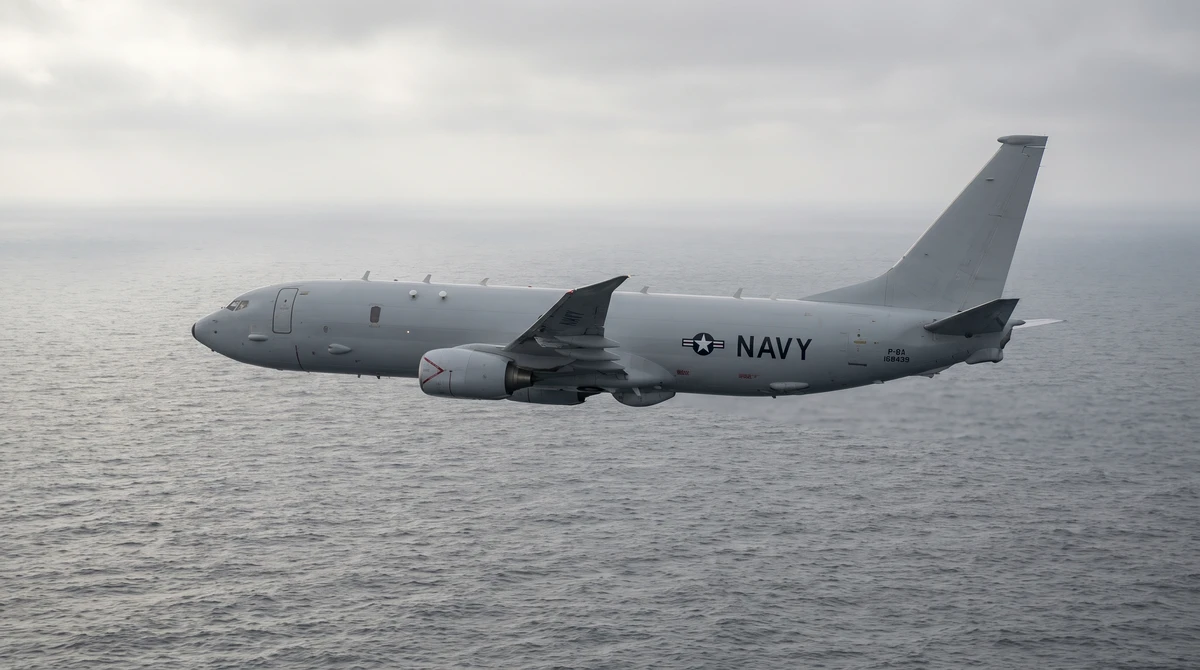
Senate Appropriators Fund 4 of 12 P-8A Poseidons as Worldwide Fleet Stands at 171 Aircraft
The Senate Appropriations Committee's fiscal 2027 defense bill, released November 16, 2026, funds four of the 12 P-8A Poseidons the US Navy requested, a cut to an aircraft GlobalMilitary.net's inventory data counts at 171 in service in eight countries.

Royal Navy Trident Submarine Returns to Faslane After 217-Day Patrol, a Reported Record
A Royal Navy ballistic missile submarine returned to HM Naval Base Clyde on November 15 after a deterrent patrol that Navy Lookout put at 217 days, a length the Ministry of Defence has not confirmed.
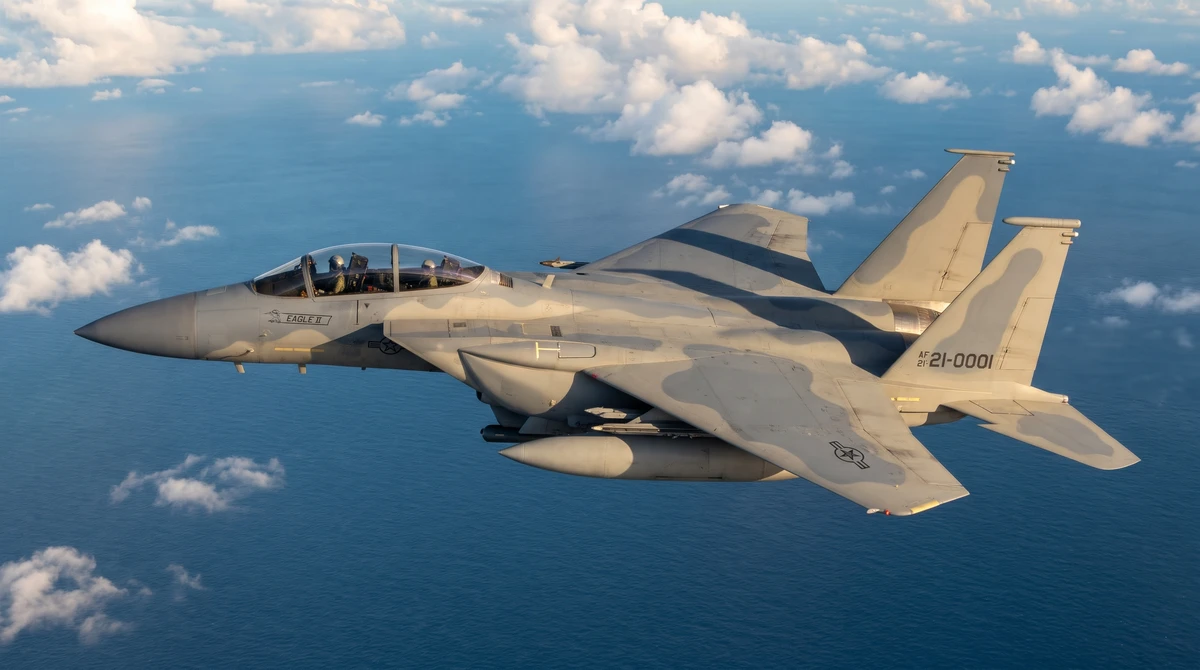
First Permanently Assigned US Air Force F-15EX Eagle II Arrives at Kadena Air Base, Okinawa
The first U.S. Air Force F-15EX Eagle II permanently assigned to Kadena Air Base, Okinawa, arrived on Nov. 15, 2026, the 18th Wing said, making Kadena the first overseas Air Force installation to receive combat-coded examples of the fighter.
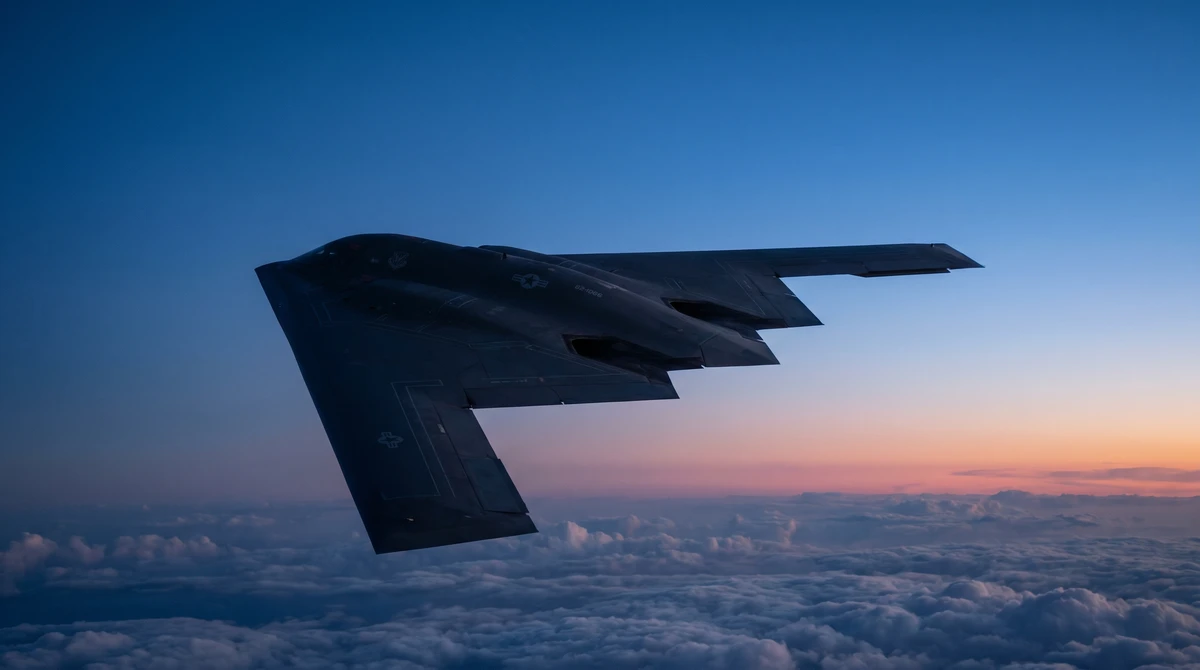
B-21 Raider Completes Conventional Weapons Release Test, US Air Force Says
The US Air Force said on November 13 that a B-21 Raider flying out of Edwards Air Force Base released a conventional weapon in a test, without identifying the weapon or giving the date.