Ukraine Says Its Drones Destroyed a Tu-95 Strategic Bomber at Engels Air Base Deep Inside Russia
Ukraine's Security Service says its long-range drones flew some 800 km to strike Engels-2 air base in Saratov Oblast overnight on July 16, severing the tail of a Tu-95MS bomber used to launch cruise missiles at Ukraine.
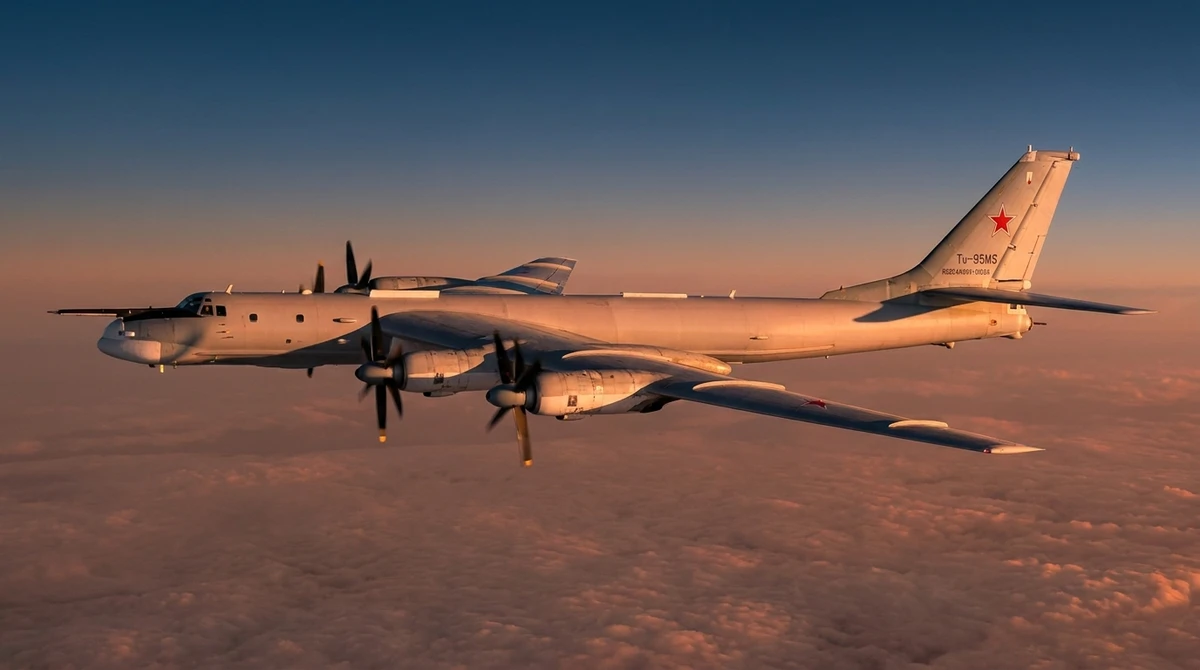
Ukraine's Security Service (SBU) destroyed a Russian Tu-95MS strategic bomber in a long-range drone strike on Engels-2 air base in Russia's Saratov Oblast, roughly 800 kilometers (500 miles) from the Ukrainian border, Ukrainian officials announced on July 17.
Russian Telegram channels had reported a drone attack on the base overnight on July 16. The SBU said its drones covered approximately 800 kilometers to reach the target and released footage showing the bomber with its tail section completely severed, describing the damage as critical and the aircraft as beyond repair. President Volodymyr Zelensky confirmed the operation, calling it another successful act of "long-range sanctions" and noting the aircraft "was used to launch missile strikes against our country." Russia's Ministry of Defense has not commented on the claim, and independent satellite confirmation of the bomber's status was not yet available at the time of writing.
The Tu-95, known to NATO as the Bear, is a Soviet-designed turboprop strategic bomber that has flown since the 1950s. In its modernized Tu-95MS form it serves as one of the principal launch platforms for Kh-101 cruise missiles, which Russia has fired at Ukrainian cities and infrastructure throughout the war in Ukraine. GlobalMilitary.net inventory data credits the Russian Air Force with 47 active Tu-95s. Because production ended in the early 1990s and no replacement line exists, every airframe lost is effectively irreplaceable until the next-generation PAK DA bomber materializes.
The strike extends a costly pattern for Russia's strategic aviation. In June 2025, Ukraine's Operation Spiderweb destroyed eight Tu-95s at Belaya air base in Irkutsk Oblast using drones smuggled deep into Russian territory, part of the largest single blow to the bomber fleet since the war began. Engels-2, the main operating base for Russia's Tu-95MS and Tu-160 fleets, has itself been attacked repeatedly since December 2022, when Ukrainian strikes first demonstrated that bases hundreds of kilometers behind the border were within reach. Those raids forced Russia to disperse its bombers across distant airfields and invest in revetments and decoy measures.
If confirmed, the loss would further thin a bomber force that Western analysts assess is already strained by heavy cruise-missile tasking and aging airframes. Ukraine, for its part, has signaled that long-range strikes on high-value military aircraft will continue as its domestically produced deep-strike drones grow in range and number.
More News
All news →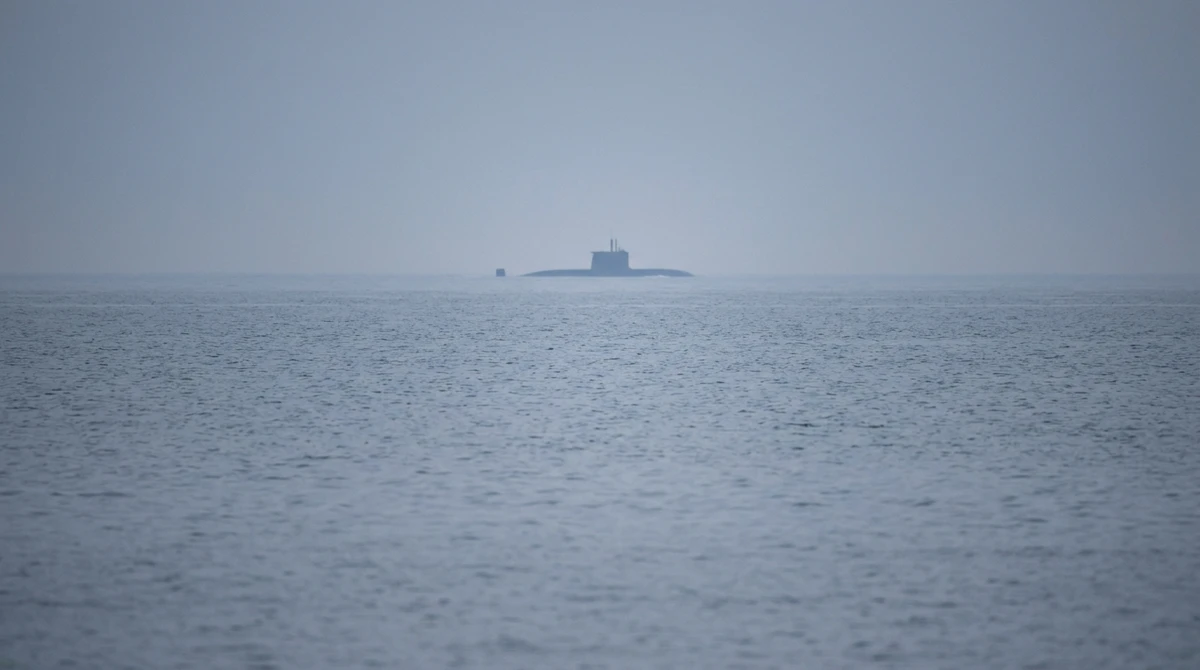
North Korea Says It Fired Two Submarine-Launched Cruise Missiles, Shows Hero Kim Kun Ok Submarine at Sea
North Korea's state media said two types of submarine-launched cruise missiles were test-fired off its east coast on October 14, 2026, and released a first photo of the Hero Kim Kun Ok submarine at sea; Seoul said it tracked the launches.
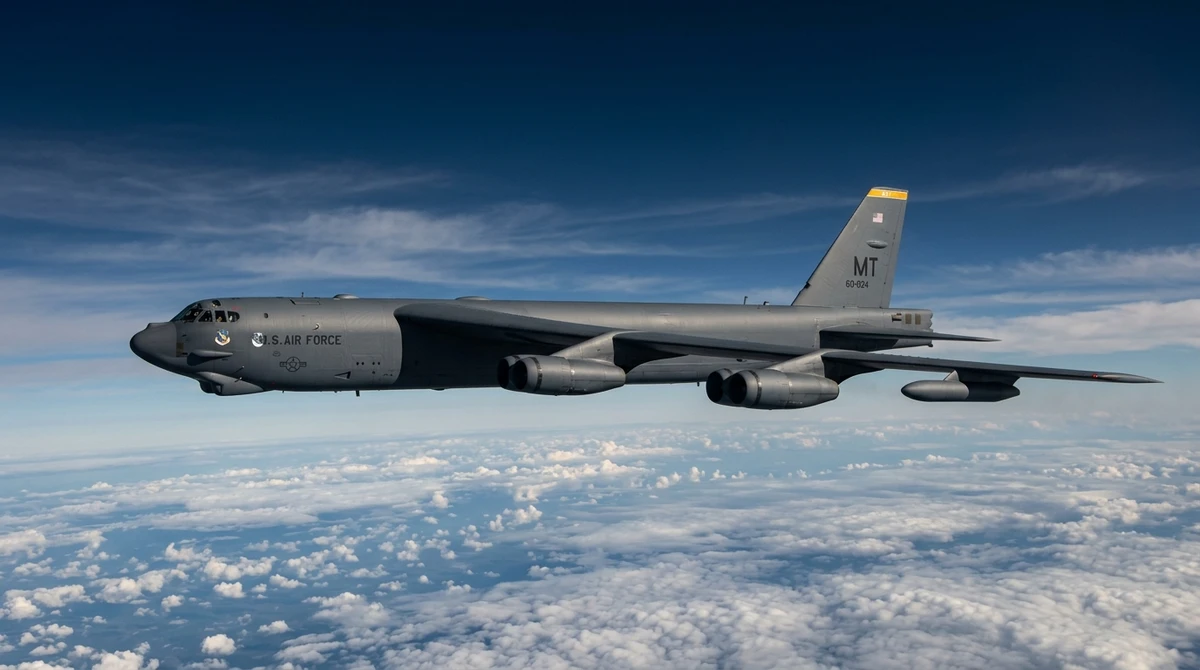
Why Hypersonic Glide Vehicles, Scramjet Cruise Missiles and the Kinzhal Are Three Different Weapons
Two flight tests in one week, the US Air Force's scramjet-powered HACM over Australia and South Korea's first hypersonic glide vehicle on October 8, shared one word for different machines; what sets them, and Russia's Kinzhal, apart is altitude, propulsion and maneuver, not speed.
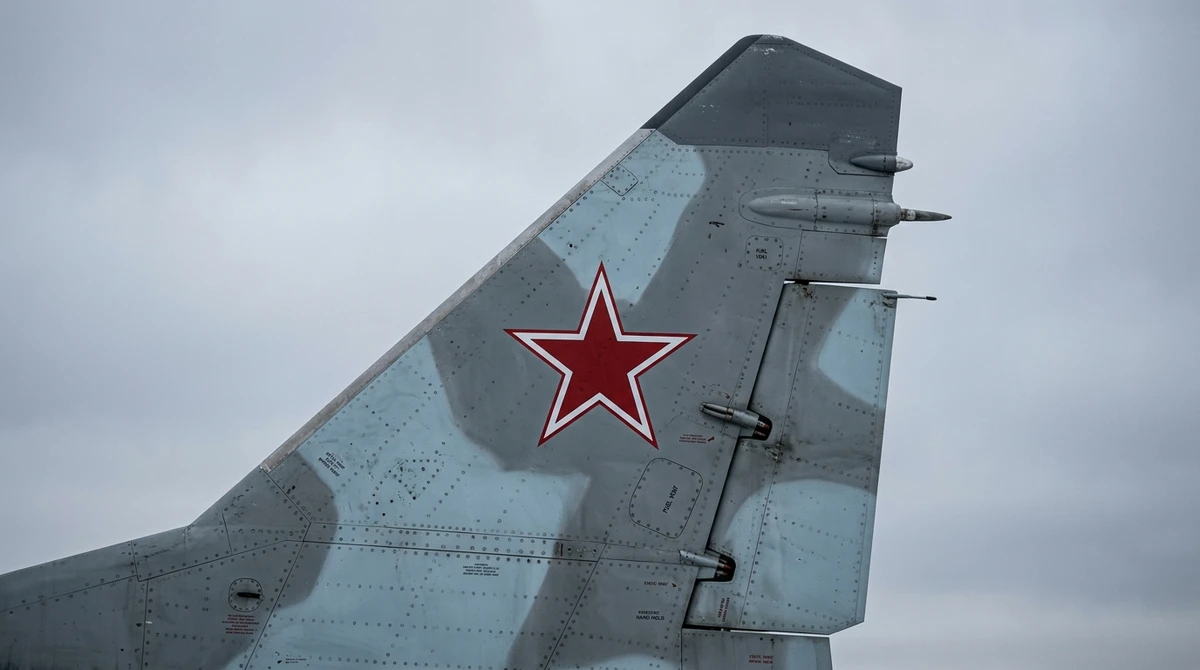
Su-34 Fullback Is the Combat Jet Russia Has Lost Most Often Since 2022, With 37 Airframes in GMN's Log
GlobalMilitary.net's log of documented losses records 37 Russian Su-34 airframes lost since February 2022, more than any other fixed-wing combat aircraft, as the destruction of a Fullback at Khanskaya Air Base on October 4 and a new delivery batch on October 7 bracket the latest week.

South Korea Flight-Tests Its First Hypersonic Glide Vehicle, Presidential Office Says
Seoul says a hypersonic glide vehicle separated from its booster, maneuvered and hit a test target in a first flight test on October 8, watched in person by President Lee Jae Myung, five days after North Korea's own hypersonic launch.

First HACM Hypersonic Cruise Missile Flight Test Unit Released Over Australia
The U.S. Air Force says a Hypersonic Attack Cruise Missile flight test unit was released by the Royal Australian Air Force over an Australian test range, without disclosing the date, the launch aircraft or whether the scramjet-powered weapon achieved powered flight.
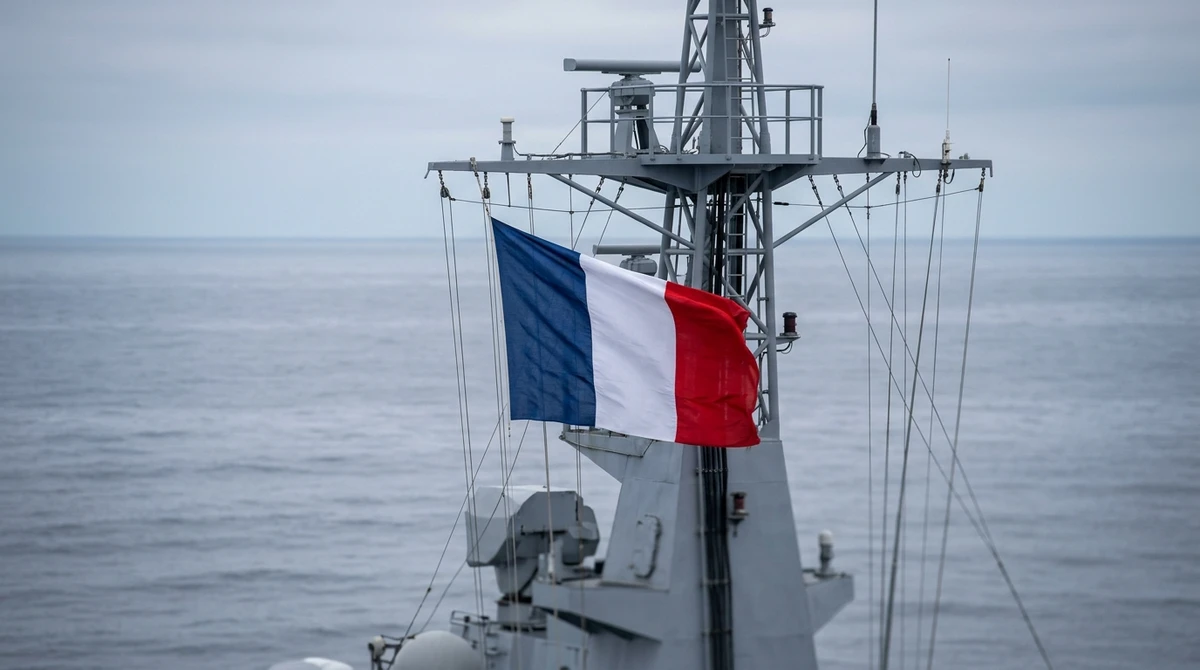
France Fires M51.3 Nuclear-Capable Missile From a Submarine for the First Time
The French Navy ballistic-missile submarine Le Vigilant launched an M51.3 without a nuclear warhead off Finistère, western France, on October 6, 2026, the first submarine firing of the missile's latest version, Defense News reported.